


1 min walk
National Archaeological Museum
- Must see · Heritage site
- Museum
Language · 1 published
Museum · Florence
Spedale degli Innocenti
| Monday | 08:30 – 14:00 |
|---|---|
| Tuesday | 08:30 – 14:00 |
| Wednesday | Closed |
| Thursday | 08:30 – 14:00 |
| Friday | 08:30 – 14:00 |
| Saturday | 08:30 – 14:00 |
| Sunday | 08:30 – 14:00 |
Parsed from OpenStreetMap opening hours on 2026-08-26.
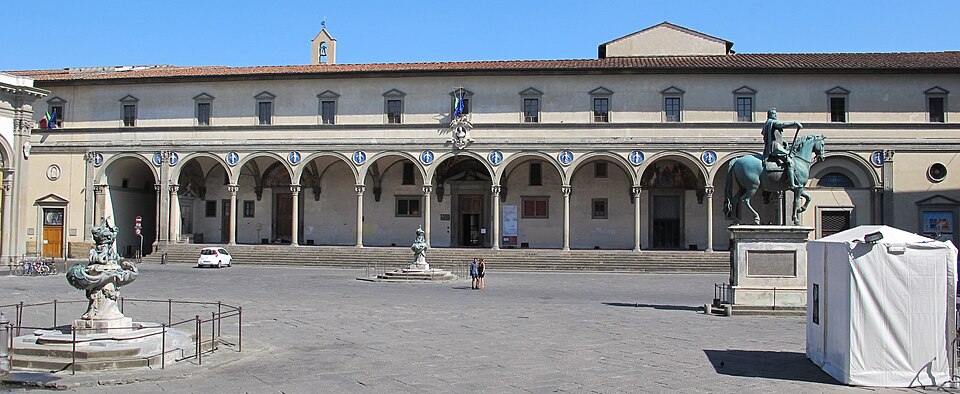
The Hospital of Innocents, or Spedale degli Innocenti, stands as one of Florence's most significant Renaissance buildings. Designed by Filippo Brunelleschi, it opened in 1445 as Europe's first dedicated orphanage. The portico with its distinctive rounded arches became a model for Renaissance architecture across Italy. The building now houses a museum showcasing its five-century history of childcare. Located in Piazza Santissima Annunziata, it remains an active cultural institution managed by a historic philanthropic foundation. The facade's blue terracotta medallions by Andrea della Robbia depict swaddled infants, symbolizing its founding mission.
Checked 2026-08-26
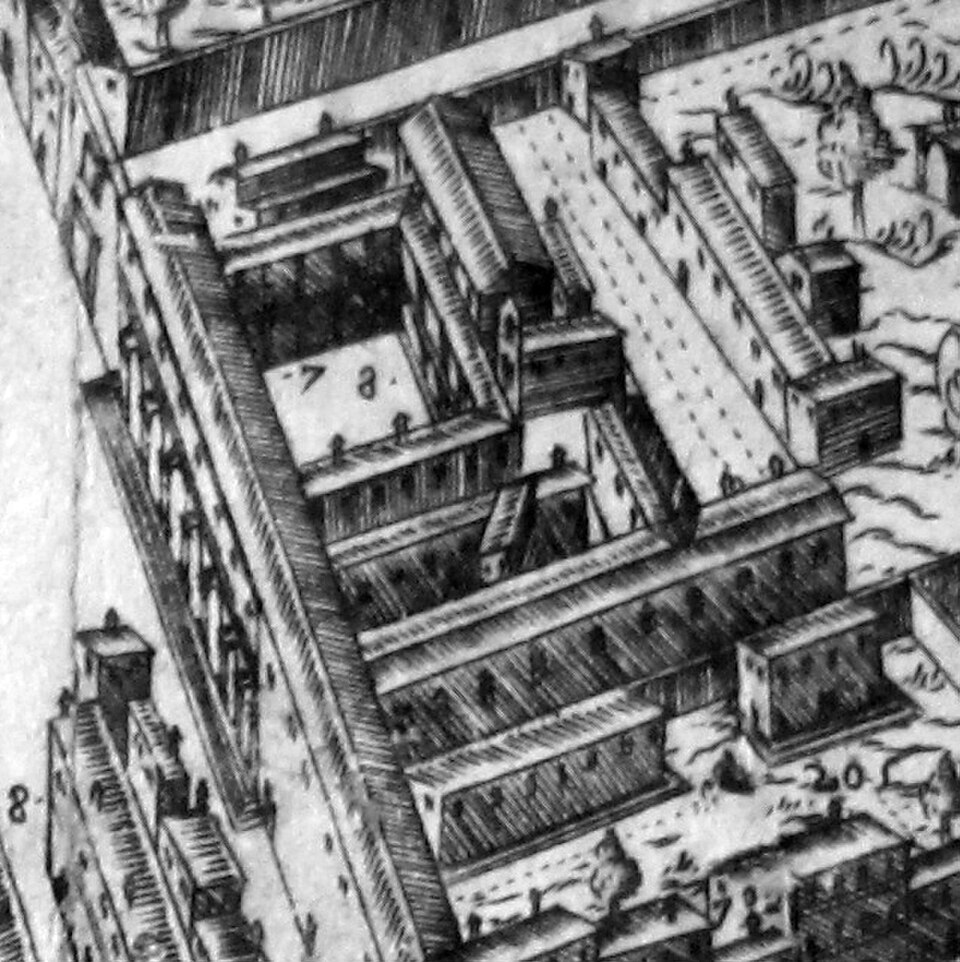
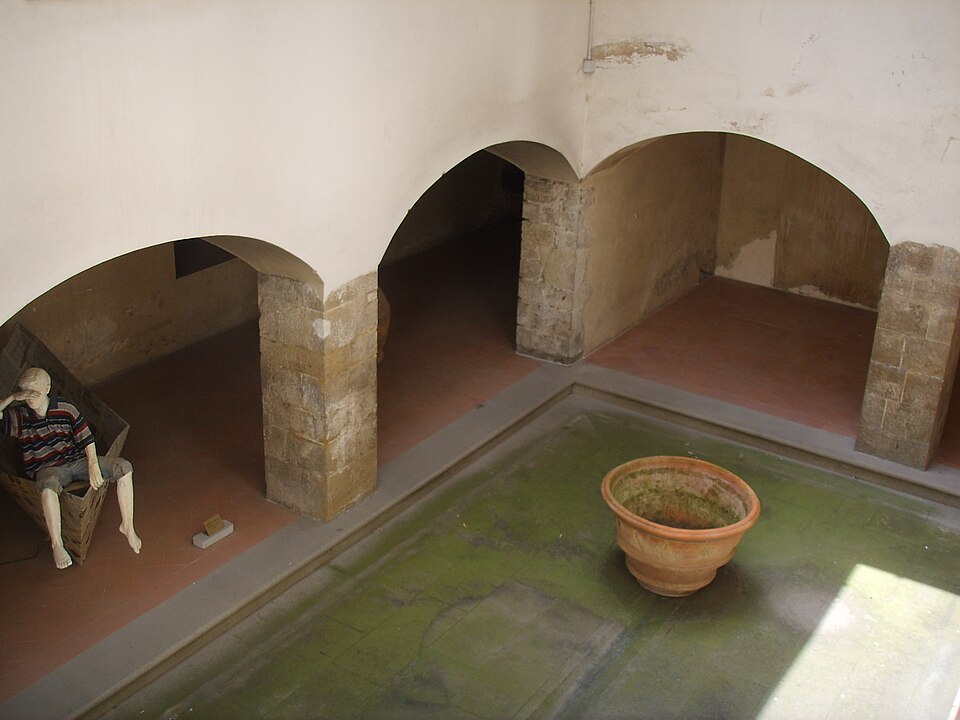
The museum presents the institution's history through archival documents, historical furnishings, and artworks. Visitors encounter the original foundling wheel where anonymous mothers left infants. The building preserves Renaissance-era interiors alongside later modifications. Art collections include paintings and sculptures donated over centuries. The upper floor reveals former dormitories and care spaces. A significant section documents changing childcare practices from the fifteenth century onward. The Brunelleschi-designed loggia and courtyard demonstrate early Renaissance spatial principles. Temporary exhibitions occasionally supplement permanent displays, though specific current programming is Not recorded.
Checked 2026-08-26
Most visitors spend approximately one to two hours exploring the museum and architectural spaces. The compact layout allows efficient viewing of core exhibits without extensive walking. Those particularly interested in Renaissance architecture, social history, or institutional childcare may extend their visit. The ground-floor portico and courtyard require no ticket and suit brief stops. Photography enthusiasts and architecture students often linger longer examining Brunelleschi's proportional system. Audio guide or guided tour participation adds thirty to sixty minutes. Combined visits with surrounding Santissima Annunziata church complex extend the overall experience substantially.
Checked 2026-08-26
Operator-confirmed hours are Not recorded pending review. Visitors should verify current opening schedules through official channels before planning. The covered portico offers partial weather protection for exterior appreciation regardless of museum access. Morning visits typically provide quieter conditions for architectural photography and contemplative viewing. The piazza location means surrounding cafes and the church maintain independent schedules. Seasonal tourism fluctuations affect Florence broadly; this site generally experiences lower crowding than major galleries. Advance booking is advisable for any guided tour options. Holiday periods and Italian festival dates may impact accessibility without specific confirmation available.
Checked 2026-08-26
Operator-confirmed prices are Not recorded pending review. The museum operates as a ticketed institution though specific admission categories and concessions remain unverified. Some architectural elements including the exterior portico are freely accessible without entry fee. Potential visitors should consult official sources for current pricing, available reductions for students or seniors, and any combined tickets with affiliated institutions. Group rates and educational programming may exist. Payment methods and online booking capabilities are Not recorded. Foundation membership or cultural pass inclusions are possible but unconfirmed. Budget accordingly based on verified information obtained directly.
Checked 2026-08-26
The Hospital of Innocents occupies Piazza Santissima Annunziata in central Florence. Walking from the Duomo cathedral takes roughly ten minutes through pedestrian streets. The location sits northeast of Piazza della Signoria and the Uffizi Gallery district. Multiple bus routes serve surrounding streets, though specific line numbers are Not recorded. Florence Santa Maria Novella railway station lies approximately fifteen minutes walk southwest. Taxis and ride services access nearby drop points. The historic center's restricted traffic zone limits private vehicle access; parking is distant and expensive. Cycling infrastructure exists though pedestrian priority dominates immediate approaches.
Checked 2026-08-26
The building's active institutional status means some areas may be inaccessible during private events or administrative functions without advance notice. Step-free access to the portico contrasts with potential upper-floor limitations for mobility-impaired visitors; specific accessibility provisions are Not recorded. Foundling wheel exhibits address sensitive historical themes including infant abandonment that may disturb some visitors. Crowding concentrates at the medallion-decorated facade for photography. Surrounding piazza attracts street performers and vendors typical of central Florence. Security screening may apply at museum entry. Bag size restrictions are possible but unconfirmed. Nearest restroom facilities may be limited to ticketed areas.
Checked 2026-08-26

The exterior portico permits unrestricted photography of Brunelleschi's architectural elements and della Robbia medallions. Natural light varies significantly across day and seasons; overcast conditions reduce harsh shadows on the facade. Morning light illuminates the eastern-facing entrance front. The courtyard offers framed views through Renaissance arches. Interior photography policies are Not recorded; flash and tripod restrictions commonly apply in Italian museums. The piazza's equestrian monument provides contextual composition opportunities. Night illumination of the facade is possible though specific timing unconfirmed. Respect visitor privacy near sensitive exhibits documenting children's histories. Drone use would require explicit authorization given urban location.
Checked 2026-08-26
No. While it operated as an orphanage for over five centuries from 1445, the childcare functions have relocated. The building now serves as a museum and cultural institution managed by the historic foundation.
Filippo Brunelleschi, the renowned Renaissance architect who also designed Florence's Duomo dome, created this early Renaissance masterwork with its influential arcaded portico.
The museum preserves and displays the historical foundling wheel where infants were anonymously deposited, though specific exhibit arrangements are subject to curatorial changes.
Yes. The ground-floor arcade and courtyard are publicly accessible without ticket, allowing appreciation of Brunelleschi's architecture and the della Robbia medallions.
Guided tour possibilities exist though specific schedules, languages, and booking procedures are Not recorded pending review of operator-confirmed information.
It offers significant architectural and social history interest with generally fewer crowds than major galleries, appealing particularly to those seeking Renaissance context beyond canonical art collections.
Loading the interactive map…
The interactive map could not be loaded.
Last updated:
Source: OpenStreetMap contributors, Wikidata ·