


2 min walk
Museum of San Marco
- Must see
- Museum
Language · 1 published
Museum · Florence
Chiostro dello Scalzo
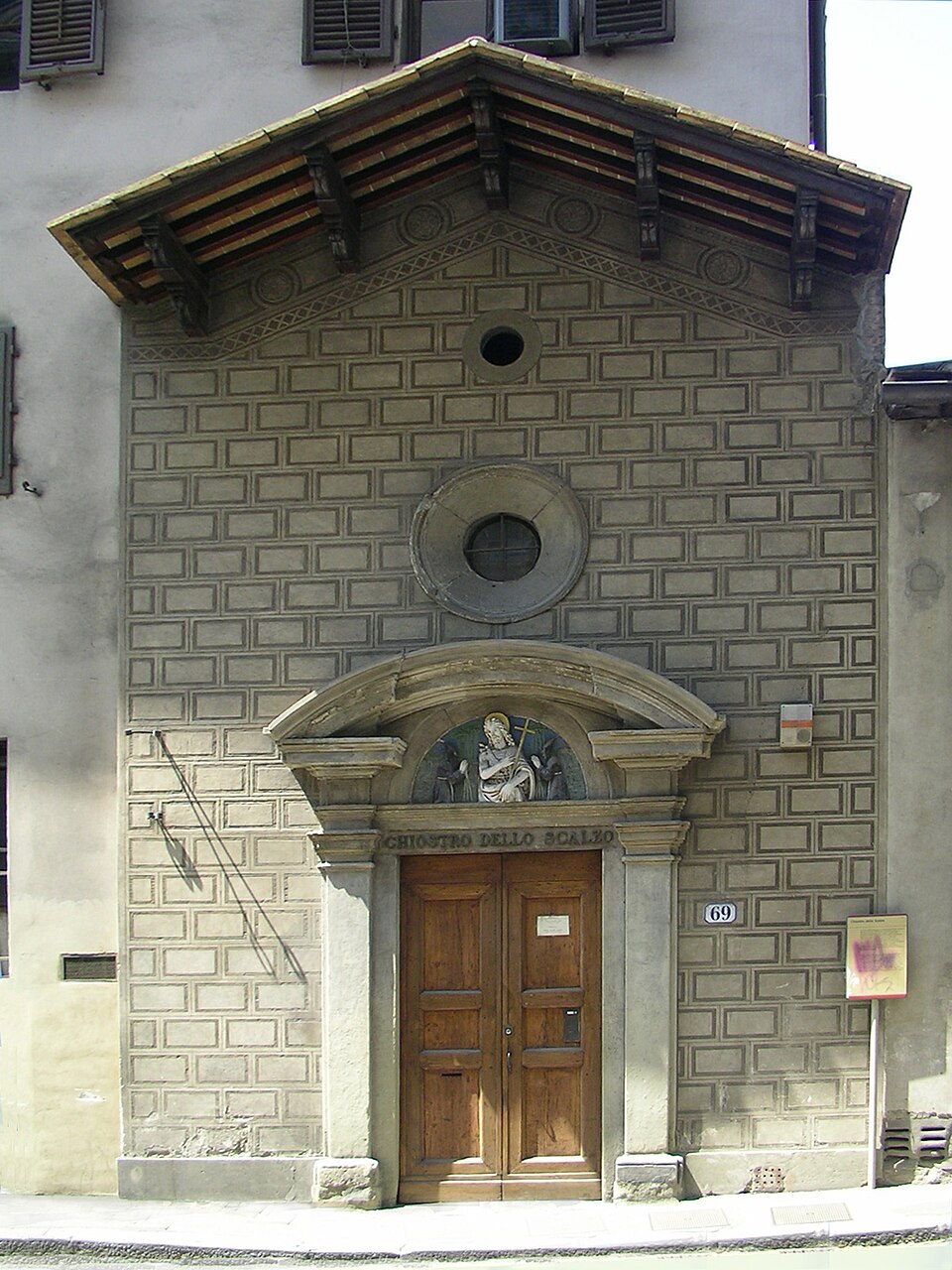
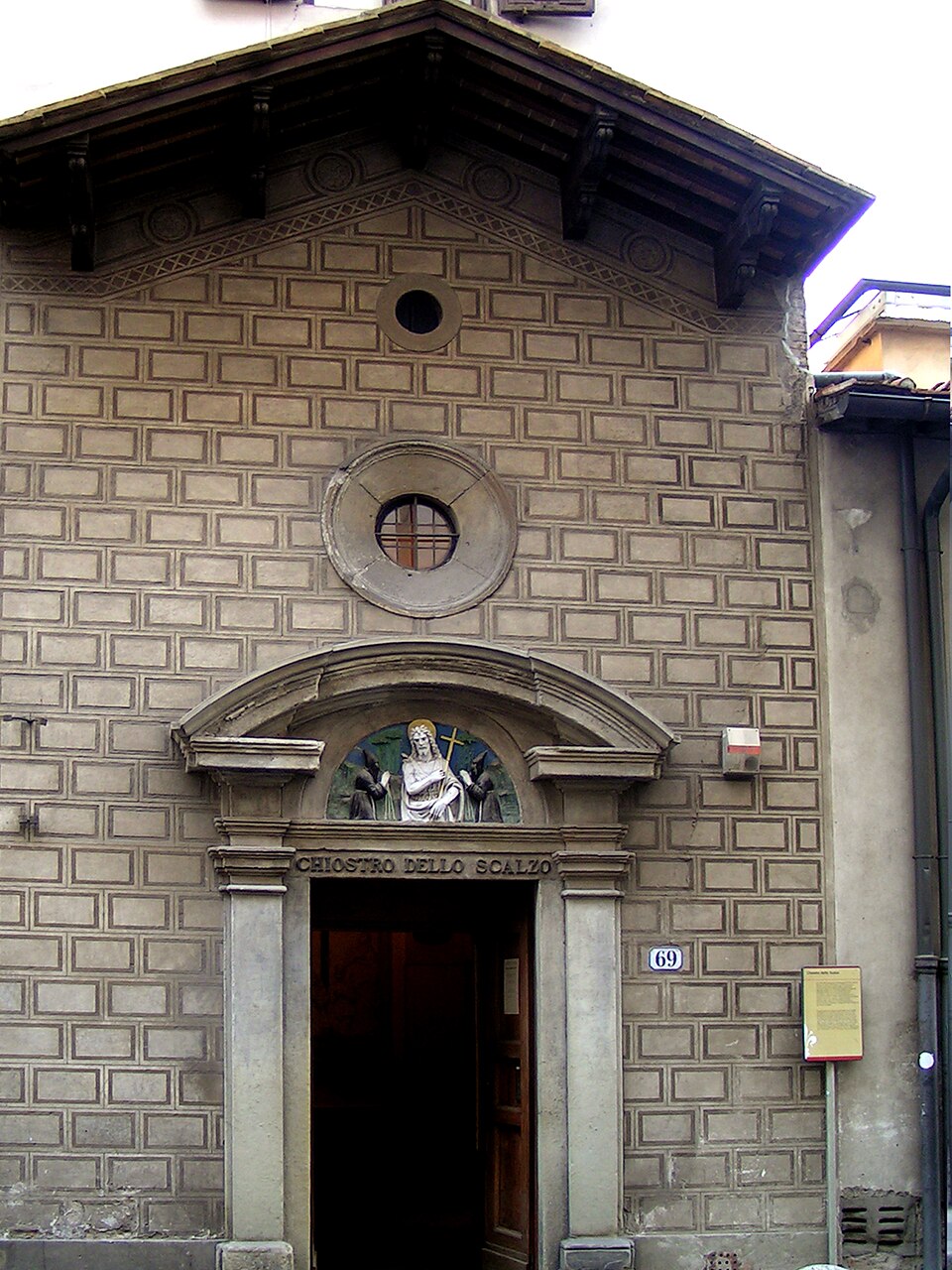
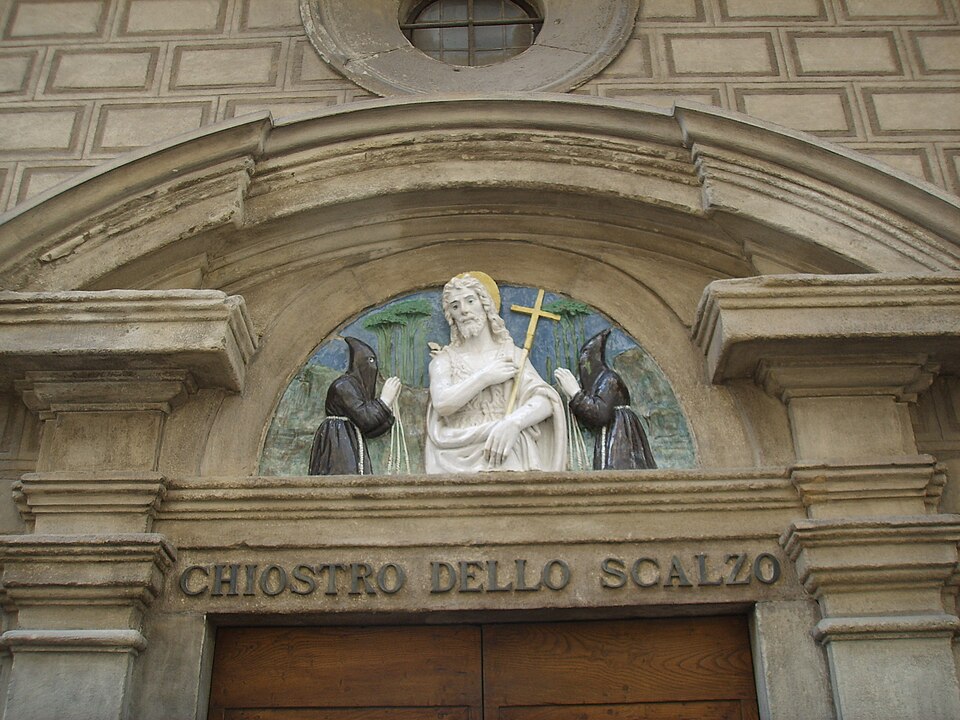
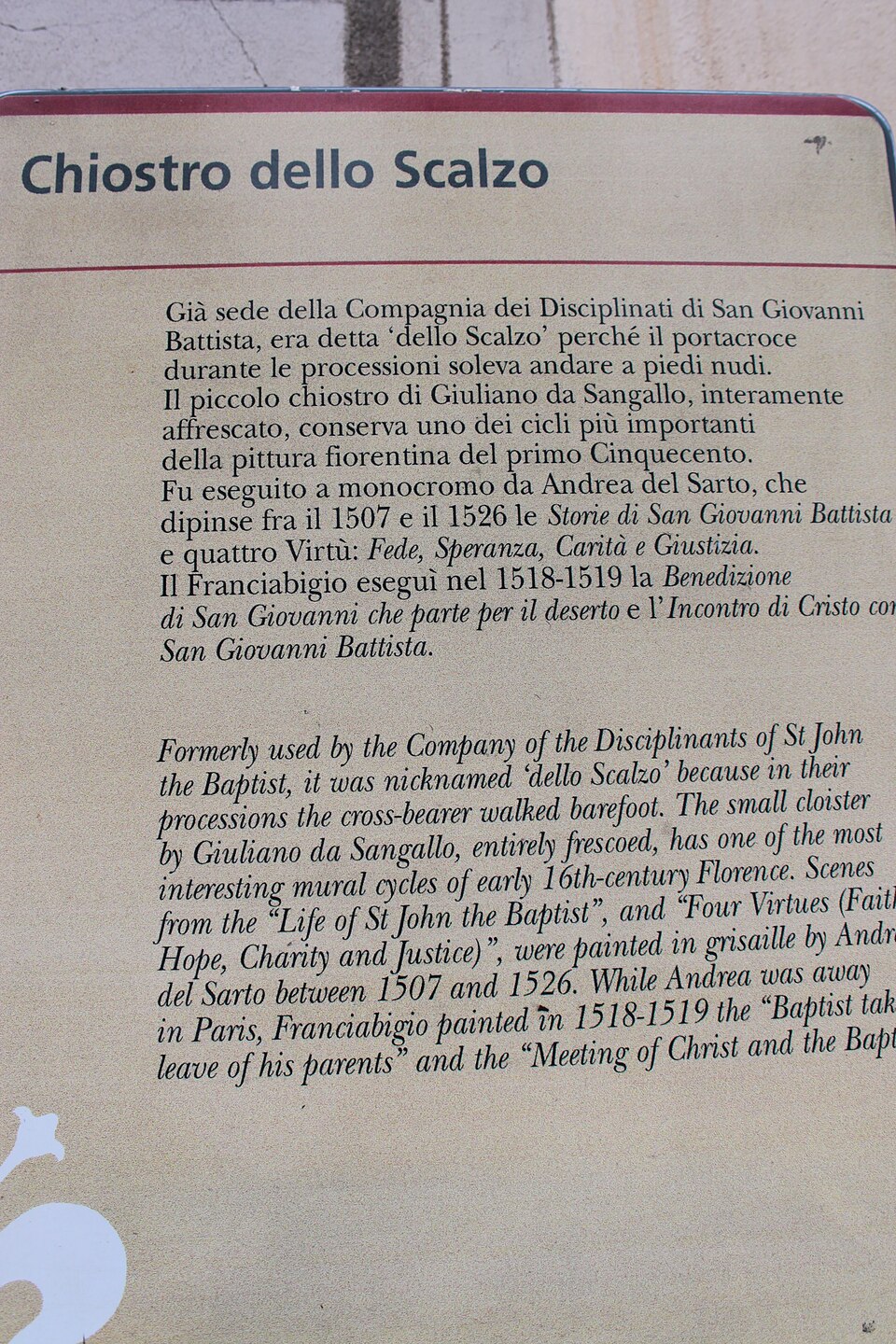
The Cloister of the Scalzo, known locally as Chiostro dello Scalzo, is a Renaissance cloister in Florence, Italy. It was originally attached to a confraternity and is celebrated for its remarkable fresco cycle by Andrea del Sarto. The structure represents an important example of early sixteenth-century Florentine architecture and decorative painting. The cloister provides visitors with an intimate encounter with High Renaissance artistry in a contemplative setting away from the city's most crowded tourist centers, offering a more secluded cultural experience.
Checked 2026-08-26
The principal artistic treasure is Andrea del Sarto's fresco cycle depicting the Life of Saint John the Baptist. These monochrome works in grisaille technique demonstrate masterful draftsmanship and compositional skill. The frescoes line the walls of the cloister's arcaded walkways, creating a unified narrative program. Architectural elements include columns and vaulting typical of Renaissance design. The restrained color palette of the frescoes produces a distinctive visual atmosphere. The ensemble represents one of the significant surviving cycles of narrative painting from this period in Florence, showcasing the artist's development across multiple years.
Checked 2026-08-26
A thorough visit to the Cloister of the Scalzo typically requires between thirty minutes and one hour. This duration allows adequate time to appreciate Andrea del Sarto's fresco cycle at a measured pace, examining individual scenes and their narrative progression around the cloister walks. The compact scale of the site means visitors need not rush, yet the focused nature of the artistic content prevents extended stays. Photography enthusiasts or those with particular scholarly interest in Renaissance painting may wish to allocate additional time for detailed observation of the grisaille technique and compositional details.
Checked 2026-08-26
Operator-confirmed hours are Not recorded pending review. Visitors should consult current official sources before planning their visit, as opening schedules for smaller historic sites in Florence frequently change and may be subject to seasonal variation or special circumstances. The cloister's covered walkways offer some protection from weather conditions, though exterior access may be affected. Morning visits to such sites often provide quieter conditions for contemplative appreciation of artworks. Advance verification of accessibility is strongly recommended given the administrative complexities affecting minor monuments in the historic center.
Checked 2026-08-26
Operator-confirmed prices are Not recorded pending review. Admission policies for the Cloister of the Scalzo may be subject to change and could potentially be affected by combined ticketing arrangements with other municipal museums. Some smaller Florentine monuments operate with free entry or require nominal contributions, while others participate in broader museum network systems. Visitors should verify current payment requirements through official channels prior to arrival. Identification of applicable concession categories for eligible visitors likewise requires confirmation from authoritative sources rather than assumption based on practices at larger institutions.
Checked 2026-08-26
The Cloister of the Scalzo occupies a location within Florence's compact historic center, accessible on foot from major landmarks. The surrounding street pattern reflects medieval urban development with narrow thoroughfares. Visitors arriving by public transportation will find the general Santa Maria Novella area convenient, though precise walking routes require attention to the dense network of central streets. The site lacks the prominent visibility of major monuments, necessitating attentive navigation. Signage may be limited compared to primary tourist destinations. Comfortable footwear is advisable given the uneven surfaces characteristic of historic Florentine pavements throughout the approach.
Checked 2026-08-26
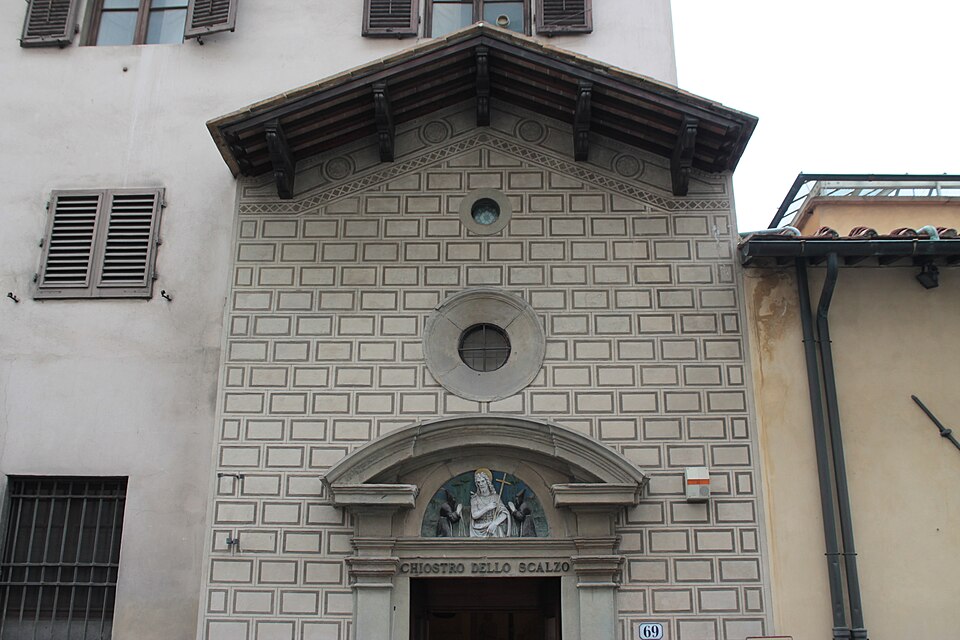
Visitors should note that smaller monuments in Florence may have unpredictable access arrangements, including unannounced closures for maintenance or staffing limitations. The cloister's relative obscurity means fewer multilingual support services compared to major museums. Lighting conditions within historic cloisters can vary, potentially affecting visibility of fresco details at certain times. Steps and uneven flooring present accessibility considerations. The intimate scale means visitor numbers, even when modest, may feel concentrated. Photography regulations, if any, would be posted on site but should be confirmed. Respectful conduct maintains the contemplative atmosphere appropriate to this religious and artistic heritage setting.
Checked 2026-08-26

Photography policies at the Cloister of the Scalzo are not specified in available sources and should be verified on arrival. The architectural configuration with covered walkways and open central space creates variable natural lighting conditions that challenge photographic capture of the frescoes. The grisaille technique's subtle tonal range demands careful exposure consideration. Tripod use would likely be restricted in such a historic interior. Visitors prioritizing photography should anticipate mixed results from available light and plan equipment accordingly. Flash photography, where permitted at heritage sites, may produce unsatisfactory results with monochrome painted surfaces and should be employed with technical discretion if allowed.
Checked 2026-08-26
Not recorded. Visitors should verify current participation in combined ticketing arrangements through official sources.
Not recorded. The modest scale suggests independent visitation is typical, though official confirmation is recommended.
Not recorded. Historic cloisters typically present steps and uneven surfaces; direct inquiry advisable.
Not recorded. Visitors should anticipate limited amenities at smaller historic monuments.
Not recorded. The frescoes line interior walkways, suggesting enclosed viewing is necessary.
Not recorded. Smaller sites may operate with open access, though verification is recommended given evolving visitor management practices.
Loading the interactive map…
The interactive map could not be loaded.
Last updated:
Source: OpenStreetMap contributors, Wikidata ·