


.jpg)
4 min walk
Museo Bellini
- Must see
- Museum
Language · 1 published
Museum · Florence
Cappella Brancacci
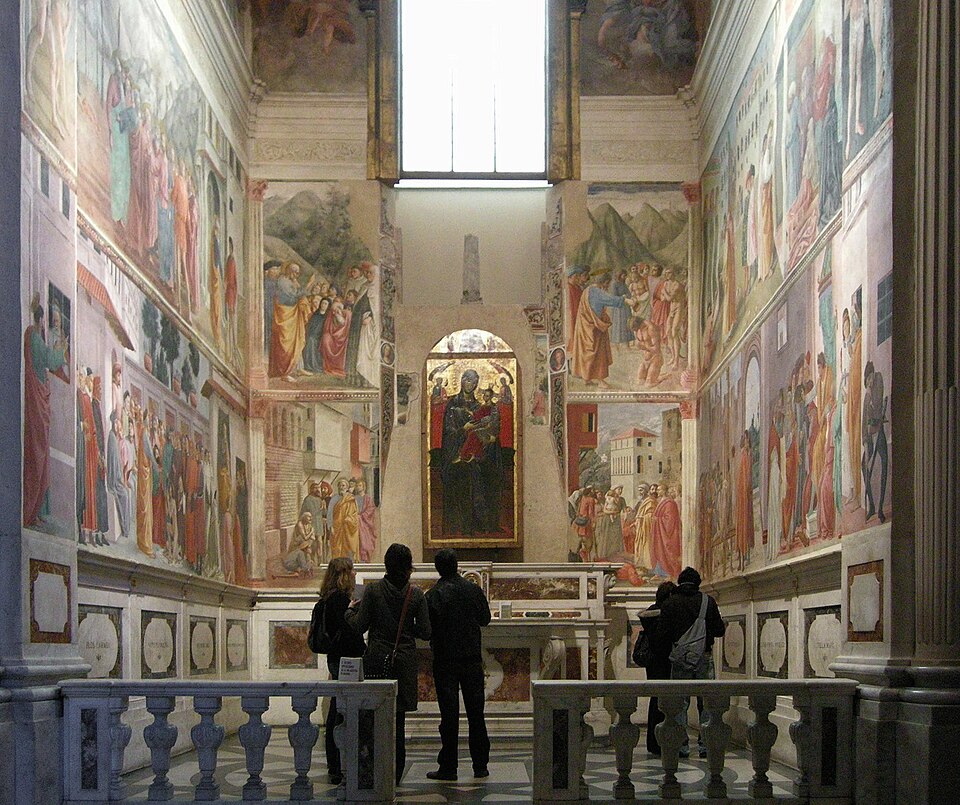
The Brancacci Chapel, known locally as Cappella Brancacci, is a chapel within the church of Santa Maria del Carmine in Florence. It is widely celebrated for its fresco cycle painted by Masaccio and Masolino in the early fifteenth century, later completed by Filippino Lippi. These works are considered foundational to Renaissance painting, introducing revolutionary techniques in perspective, naturalism, and emotional expression. The chapel was commissioned by Felice Brancacci, a wealthy silk merchant and diplomat. Despite damage from a fire in 1771 that largely destroyed the church, the frescoes survived and remain among the most studied artworks in Western art history.
Checked 2026-08-26
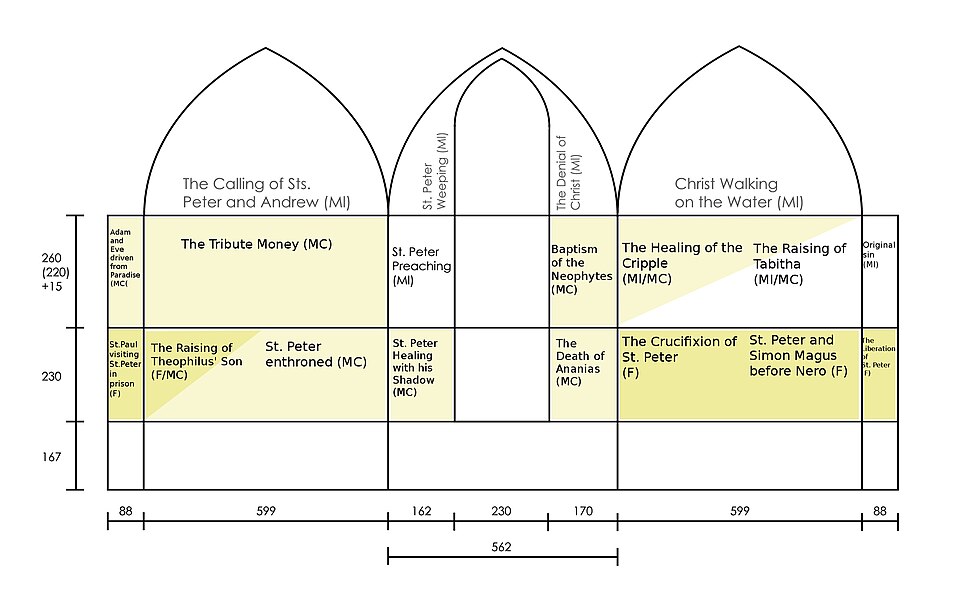
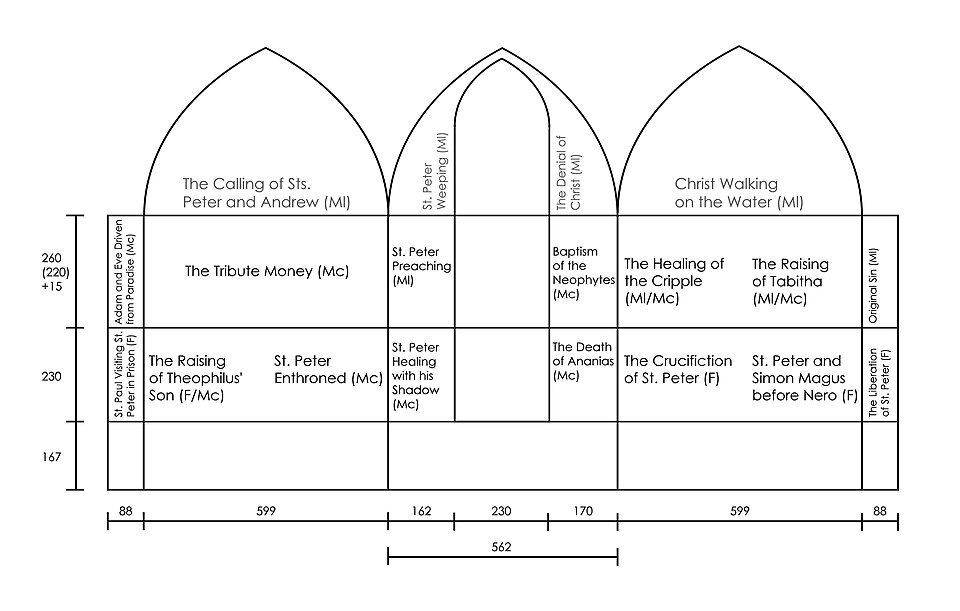
The interior contains the celebrated fresco cycle depicting scenes from the life of Saint Peter. Masaccio's contributions include the Expulsion from Paradise and the Tribute Money, masterpieces demonstrating psychological depth and innovative use of light and shadow. Masolino painted earlier scenes with more decorative, International Gothic qualities. Filippino Lippi added scenes decades later after the original project was interrupted. The contrasting styles offer visitors a unique opportunity to observe artistic evolution within a single space. The frescoes occupy the chapel's walls in three registers, creating a continuous narrative that transforms the architectural setting into an immersive storytelling environment.
Checked 2026-08-26
Visitors typically spend approximately thirty to sixty minutes examining the frescoes in detail. The chapel's compact dimensions allow for intimate viewing of the paintings at close range. Art historians and enthusiasts may devote additional time to studying the technical innovations and comparing the different artistic hands. The experience benefits from prior familiarity with the frescoes' historical significance, though even casual visitors can appreciate their visual power. The limited capacity of the chapel, due to conservation requirements, means that time inside may be regulated during peak periods. Planning for a contemplative, unhurried visit enhances appreciation of these seminal works.
Checked 2026-08-26
Operator-confirmed hours are Not recorded pending review. Visitors should consult official sources before planning their trip. The chapel's popularity among art pilgrims and tourists means that demand consistently exceeds the limited daily capacity. Advance reservation is strongly recommended regardless of season. Florence experiences peak tourism during spring and autumn when weather conditions are generally favorable for city exploration. Summer months bring heat and crowds throughout the historic center. Winter offers reduced visitor numbers though daylight hours are shorter. Morning visits may provide more favorable lighting conditions for viewing the frescoes. Checking current access protocols is essential before travel.
Checked 2026-08-26
Operator-confirmed prices are Not recorded pending review. Admission to the Brancacci Chapel typically requires a separate reservation and fee distinct from general church access, reflecting its status as a protected heritage site with controlled visitor numbers. Various ticket categories may apply including standard, reduced, and complimentary entry for eligible visitors. Combination arrangements with other monuments are not confirmed in available sources. Payment methods and online booking procedures should be verified through official channels. Visitors should be prepared for possible changes in pricing structure. Advance purchase is advisable given strict daily entry limits imposed for conservation purposes.
Checked 2026-08-26
The chapel is located in the Oltrarno district of Florence, on the south side of the Arno River. It sits within the church of Santa Maria del Carmine, accessible from Piazza del Carmine. The area is pedestrian-friendly though involves walking from principal transit points. Florence's historic center is compact, and the Oltrarno is reachable on foot from major landmarks including the Ponte Vecchio. Public bus services operate in surrounding streets. Cycling is common in Florence though parking is restricted in the central zone. Visitors arriving by car should use designated parking areas outside the limited traffic zone.
Checked 2026-08-26
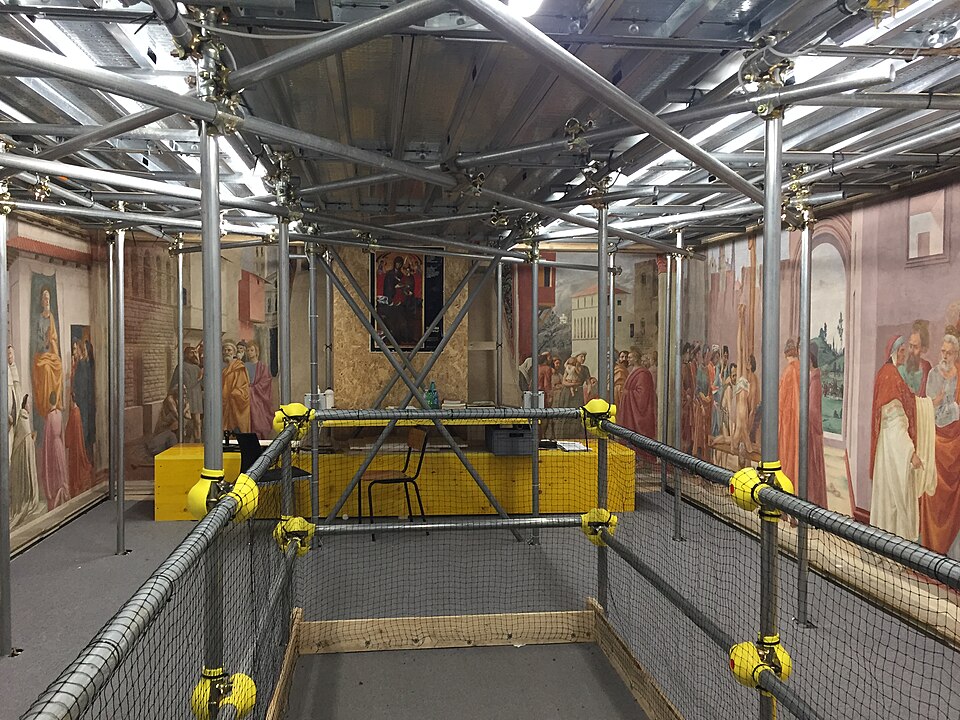
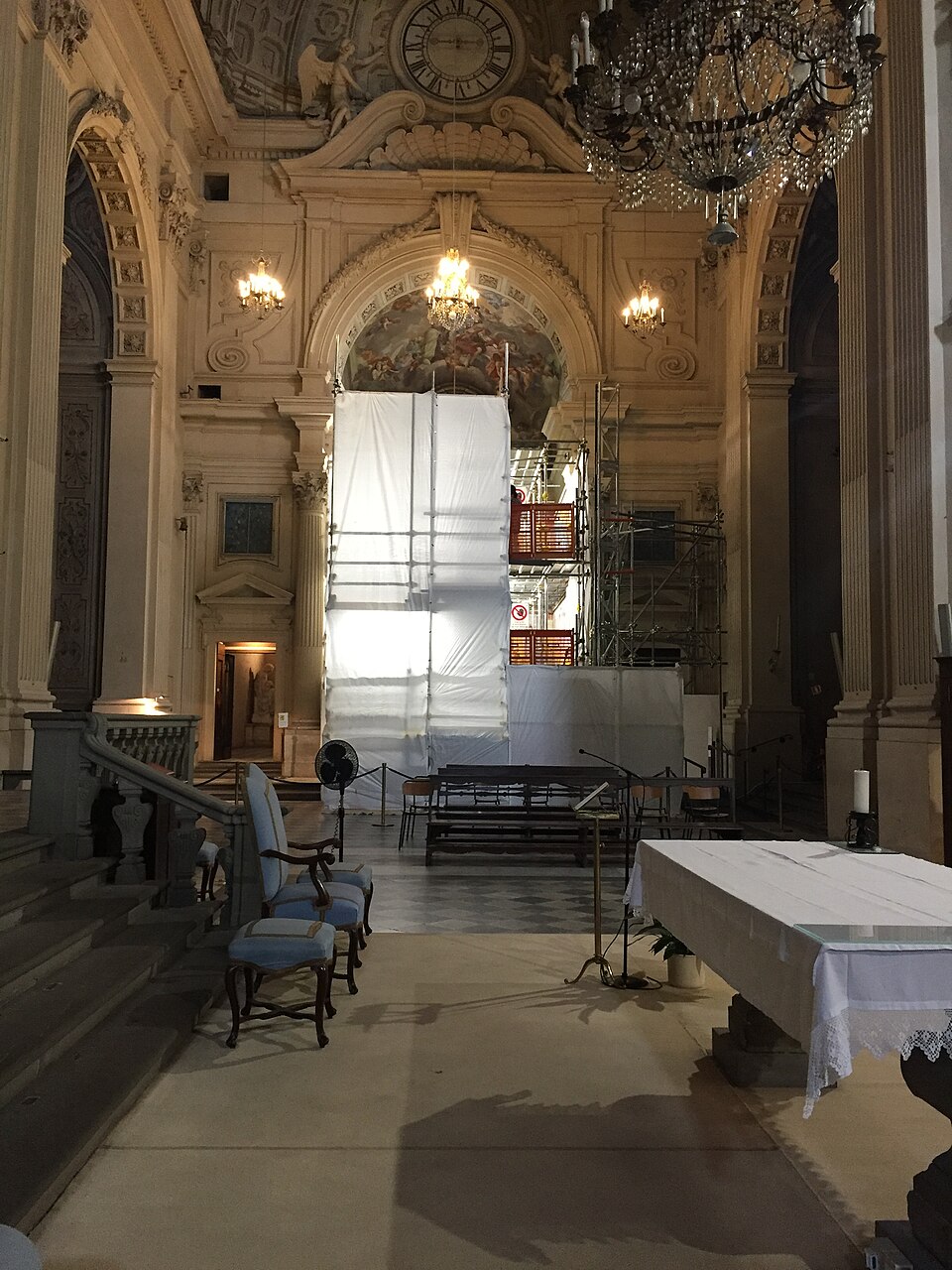
Access is strictly controlled with advance reservation mandatory; arriving without booking risks denial of entry. The chapel maintains silence requirements appropriate to its sacred and artistic significance. Photography regulations are enforced and visitors should verify current policies. The church of Santa Maria del Carmine suffered catastrophic fire damage in 1771, and the reconstructed interior differs markedly from its original form, a historical layer worth noting. Humidity and temperature are carefully regulated; visitors should dress appropriately for climate-controlled environments. The Oltrarno neighborhood, while generally safe, requires standard urban awareness. Nearby streets contain artisan workshops and cafes that reward extended exploration after visiting.
Checked 2026-08-26
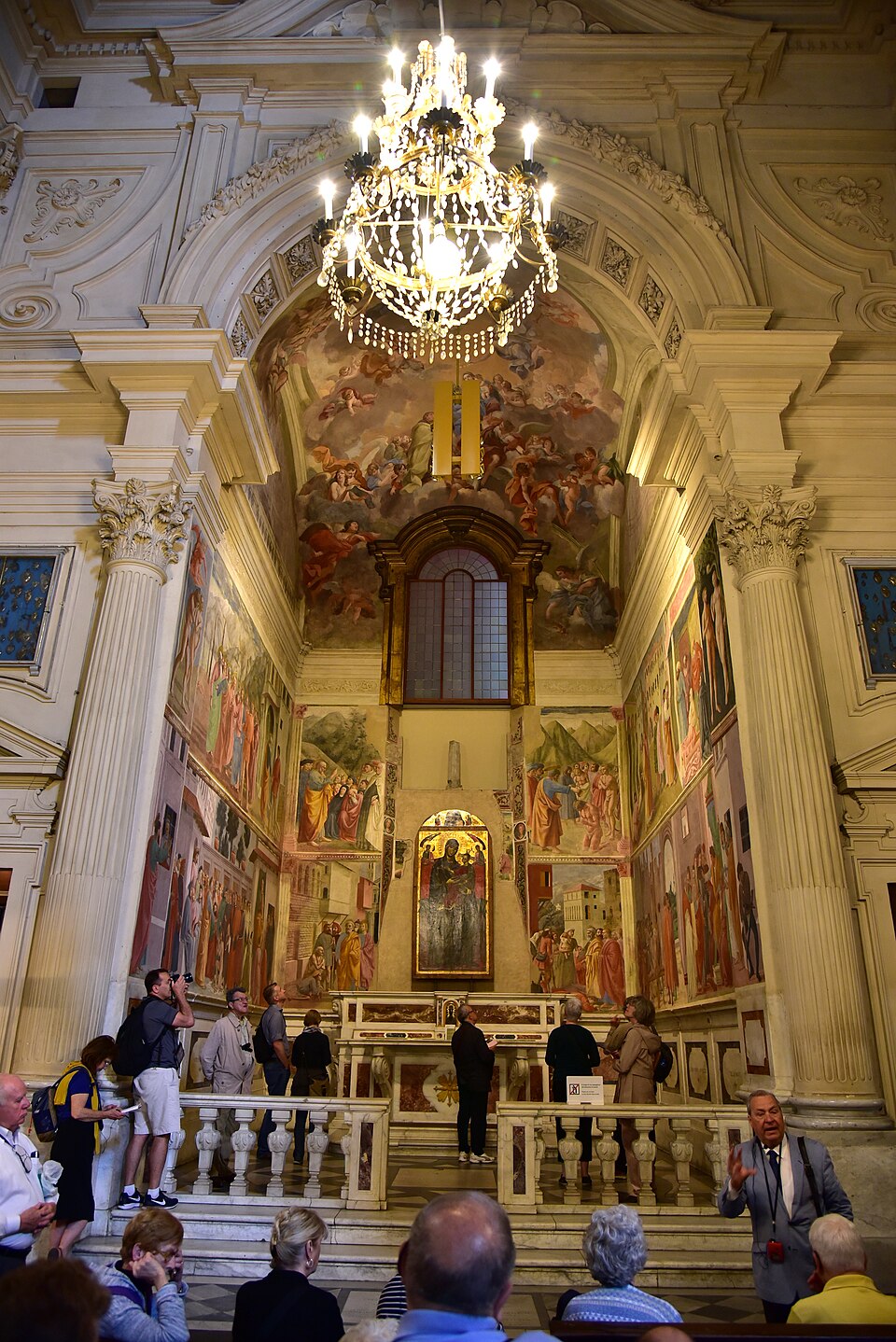
Photography policies inside the Brancacci Chapel are strictly regulated and subject to change. Visitors must verify current rules before their visit as unauthorized photography may result in penalties or removal. Flash photography is typically prohibited at heritage sites to prevent cumulative light damage to fragile pigments. Tripods and professional equipment generally require special permits. The frescoes' condition has been preserved through careful environmental management, and visitor compliance with photography restrictions directly contributes to conservation. Some visitors may find that restricting themselves to visual memory and purchased reproductions enhances their focused engagement with these masterworks. Official images are available from authorized sources.
Checked 2026-08-26
Yes, advance reservation is mandatory. The chapel has strict daily entry limits for conservation purposes, and walk-in visitors are typically not accommodated.
Yes, it is located within the church of Santa Maria del Carmine in Florence's Oltrarno district.
The fresco cycle was begun by Masolino and Masaccio in the early fifteenth century, then completed decades later by Filippino Lippi after the original project was interrupted.
The frescoes survived the fire that largely destroyed the church, though the building itself required substantial reconstruction.
Photography is strictly regulated and policies are subject to change. Visitors must verify current rules and should expect flash and professional equipment to be prohibited.
Most visitors spend thirty to sixty minutes, though art enthusiasts may prefer longer for detailed examination of the frescoes.
Loading the interactive map…
The interactive map could not be loaded.
Last updated:
Source: OpenStreetMap contributors, Wikidata ·