Jaffa’s Flea market
Jaffa Flea Market, known locally as שוק הפשפשים יפו, is a longstanding antiques and street-market district located in Jaffa within the municipality of Tel Aviv-Yafo.
- Must see
- Art and culture venue
Language · 11 published
City guide · Israel
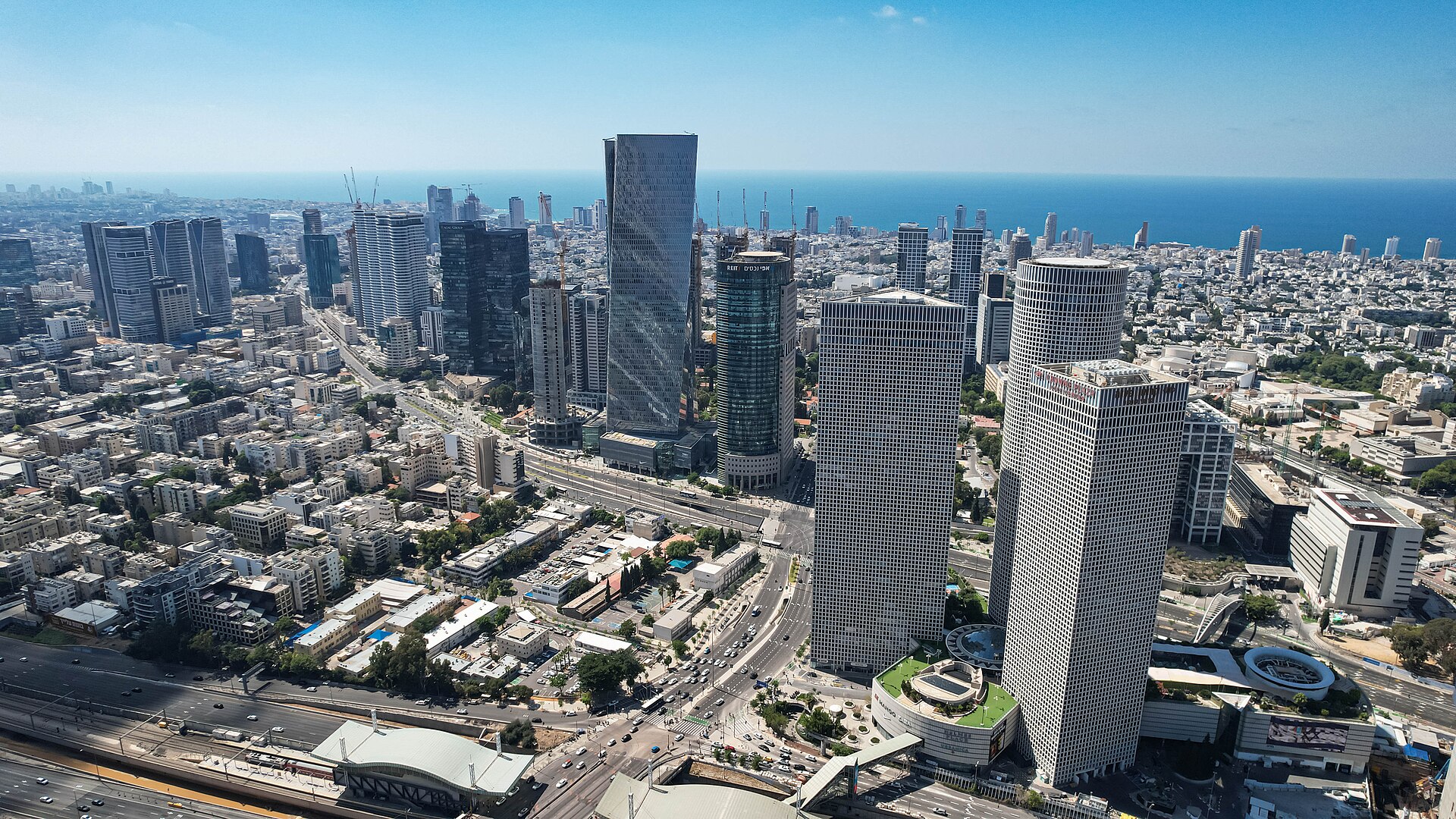
Tel Aviv-Yafo is a long Mediterranean city best understood as connected north-south districts rather than one compact centre. Historic Jaffa and the port sit at the southern end, Neve Tzedek and the market districts lead into the central city, and the beach continues north beside residential and cultural areas. Walking works within each cluster; transit connects the longer gaps.
Set your days, your pace and the hours you actually want to be out. The planner works around closing days and travel time, and leaves room to eat.
Ranked by importance — sitelinks, pageviews and heritage status, not editor preference.
50 places match
Category
Typical visit duration
Jaffa Flea Market, known locally as שוק הפשפשים יפו, is a longstanding antiques and street-market district located in Jaffa within the municipality of Tel Aviv-Yafo.
Habima National Theatre is Israel's national theatre, located in Tel Aviv at Habima Square. Established in 1917 in Moscow and relocated to Mandatory Palestine in 1928, it holds significant cultural and historical importance.
מרכז סוזן דלל למחול ולתיאטרון
The Suzanne Dellal Centre for Dance and Theatre is Tel Aviv-Yafo's principal dance campus and a major cultural landmark in the Neve Tzedek neighbourhood.
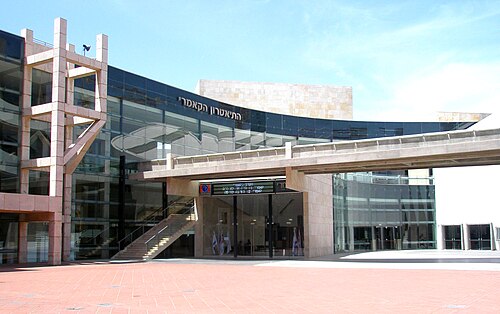
הקאמרי
The Cameri Theatre is a prominent repertory theatre located in Tel Aviv-Yafo, Israel. Established in 1944, it has grown to become one of the country's leading theatrical institutions.
האופרה הישראלית
The Israeli Opera, known locally as האופרה הישראלית, stands as a principal cultural institution within central Tel Aviv-Yafo's performing-arts complex. It serves as Israel's premier opera company, presenting staged productions and contributing significantly to the nation's cultural landscape.
היכל התרבות
הבימה
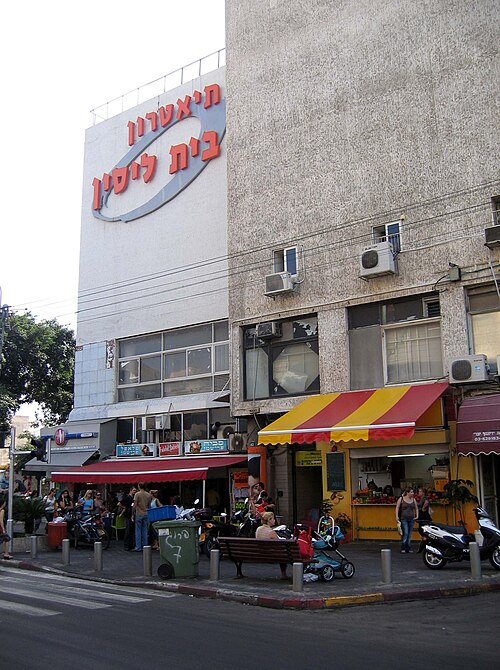
בית ליסין
התיאטרון הערבי-עברי ביפו
תאטרון גשר
תיאטרון הסמטה
אנדרטה לשואה ולתקומה
נא לגעת
תיאטרון גבעתיים
בית ראסל
מעבר לתחום
האנגר 11
Happening
Gallery Harel, Printers & Publishers
תאטרון רמת גן
יהודה המתעורר
פסיפס תולדות תל אביב
אולם נחמני
The Photo House
עקלתון
פסל שער האמונה
פסל הפועל העברי
צוותא
התרוממות
בית אהרון כהנא
אווירופסיביקה 3
פסל אסא ויהושפט
אישה ברוח
העתק פסיפס בית אלפא
פסל בן גוריון על הראש
גלרייה ברונו
ארז הלבנון ועתיקות בעלבכ
עצים בתשליל
Source: OpenStreetMap contributors, Wikidata ·
Old Jaffa, Jaffa Port and the flea-market streets form a southern historic cluster. Neve Tzedek and the old railway area lie immediately north, followed by Carmel Market, Rothschild Boulevard and the White City. The main museum and performing-arts institutions sit farther east, while the seafront forms a parallel route. Group visits by these corridors to avoid repeated cross-city journeys.
Checked 2026-08-26
Central Tel Aviv and Jaffa are highly walkable, and cycling can suit the flat seafront and boulevard network. The official city guide lists buses, light rail, trains, taxis, bicycles and scooters as transport options. The Red Line connects parts of Tel Aviv-Yafo with the wider metropolitan area. Check real-time service information because infrastructure work can alter routes and stops.
Checked 2026-08-26
A fixed official stay length is not recorded. Prioritise Jaffa, the central market and boulevard districts, the beach and one museum cluster, then expand according to available time.
Yes within individual districts. The official city guide describes the city as highly walkable, while transit is useful for longer links between Jaffa, central Tel Aviv and northern areas.
Yes. The Red Line serves Tel Aviv-Yafo and the wider metropolitan area, alongside buses and national rail services.
Old Jaffa and Jaffa Port combine naturally, while Neve Tzedek, Carmel Market and Rothschild Boulevard form another practical sequence. Use transit between more distant clusters.
Yes. The official city guide advises using transport apps for current information because infrastructure work can affect routes and stops.