Museum of Cycladic Art
The Museum of Cycladic Art is a private museum in Athens dedicated to ancient Aegean cultures, with particular emphasis on Cycladic art of the Early Bronze Age.
- Must see
- Museum
Language · 1 published
City guide · Greece
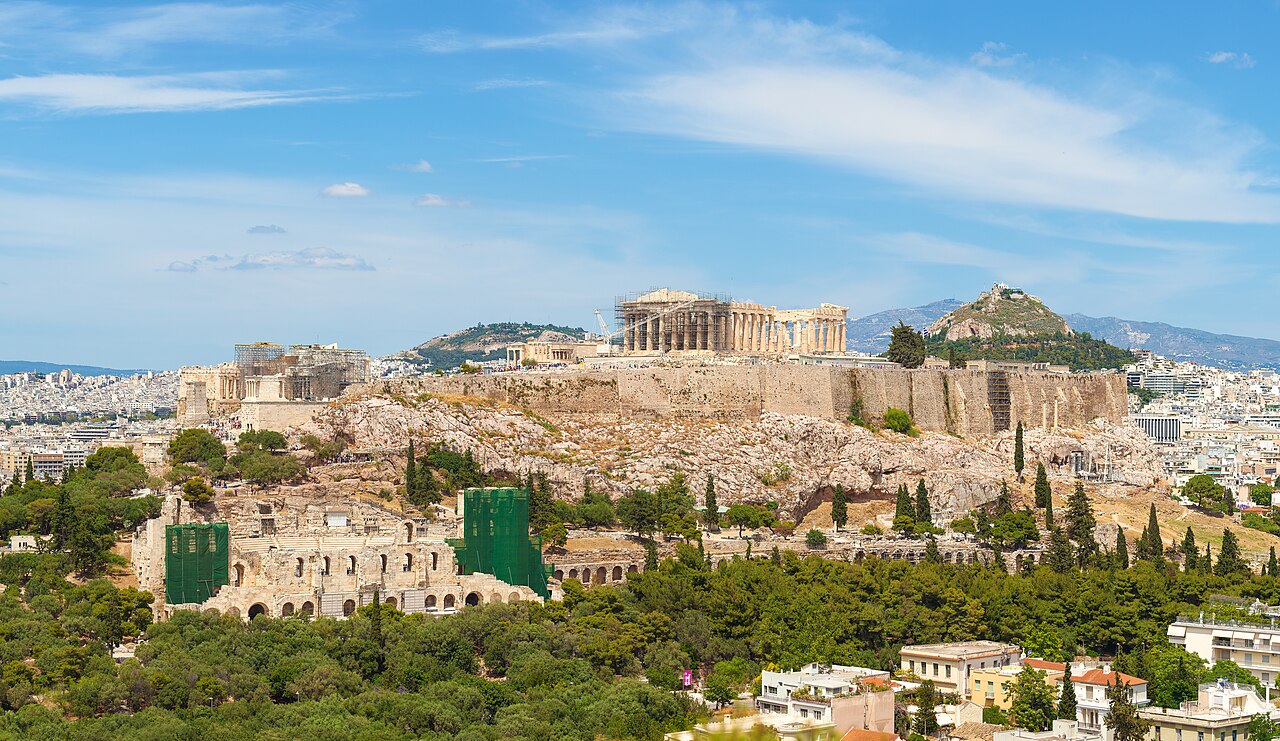
Athens combines an ancient pedestrian core with a much larger modern city. The Acropolis, Plaka, Monastiraki and the Ancient Agora form the central visitor cluster. Syntagma and Kolonaki extend east, while the National Archaeological Museum lies north and the coast runs far to the south. Piraeus is a separate port city within the wider urban area and needs its own journey.
Ranked by importance — sitelinks, pageviews and heritage status, not editor preference.
50 places match
Category
Typical visit duration
Interests
The Museum of Cycladic Art is a private museum in Athens dedicated to ancient Aegean cultures, with particular emphasis on Cycladic art of the Early Bronze Age.
The Byzantine and Christian Museum is a major museum in Athens, Greece, dedicated to the preservation and display of Byzantine and post-Byzantine art and culture.
The Museum of the City of Athens occupies the neoclassical residence of King Otto, Greece's first monarch following independence. Located on Klafthmonos Square, this historic mansion represents a significant period of Athenian urban development.
The Numismatic Museum of Athens is a museum dedicated to the study and display of coins, medals, and related objects. It occupies the former mansion of Heinrich Schliemann, the German archaeologist who excavated Troy and Mycenae.
The Hellenic Motor Museum is an automobile museum located in Athens, Greece. It presents a collection of vehicles spanning multiple decades of automotive history.
The Museum of Greek Folk Musical Instruments occupies a historic townhouse in the Plaka district beneath the Acropolis. Established through private initiative, it preserves and displays the sonic heritage of Greek regional traditions.
The Jewish Museum of Greece is a museum in Athens dedicated to preserving and presenting the history and culture of Greek Jews. It documents the long presence of Jewish communities in Greece, which spans over two millennia.
The Ilias Lalaounis Jewelry Museum is a specialized museum in Athens dedicated to the art of jewelry and decorative arts.
Frissiras Museum is a museum located in Athens, Greece. It is listed among tourist attractions in the city. The museum's specific founding date, architectural history, and institutional background are not recorded in available sources.
The Herakleidon Museum is a private museum in Athens, Greece. It occupies a neoclassical building in the historic Thiseio district, near the Acropolis and the ancient Agora.
The Athens University History Museum is a museum dedicated to preserving and presenting the history of the National and Kapodistrian University of Athens, founded in 1837.
The Epigraphic Museum in Athens houses the largest collection of ancient Greek inscriptions in the world. It operates as a specialized institution dedicated to the study, preservation, and display of epigraphic material.
Source: OpenStreetMap contributors, Wikidata ·
Use the Acropolis as the central landmark. Plaka and Anafiotika sit on its northern and eastern slopes, Monastiraki and the Ancient Agora lie northwest, and Syntagma stands farther east. The National Garden links Syntagma with the Olympic and museum zone. Exarchia and the National Archaeological Museum are north of the centre, while coastal districts and Piraeus require metro, tram or bus connections.
Checked 2026-08-26
Walk through the Acropolis-Plaka-Monastiraki core and use the integrated OASA network for longer journeys. Metro, tram, buses and trolleybuses cover Athens and its suburbs, with Line 3 connecting the airport and central city. The tram is useful for selected coastal routes, while Piraeus is best treated as a separate transport leg. Consult OASA for current routes and ticket products.
Checked 2026-08-26
A fixed duration is not recorded. Build the visit around the Acropolis core, central museums and neighbourhoods, then add the coast or Piraeus only when time permits.
Yes. The Acropolis, Plaka, Monastiraki and the Ancient Agora form a practical central walking area. Use transit for the National Archaeological Museum, coast and Piraeus.
The OASA network includes metro, tram, buses and trolleybuses. One integrated network connects the centre with suburbs, the airport corridor and major visitor districts.
OASA identifies Metro Line 3 and airport express buses as direct public transport options. Check the operator before travel because airport ticket products differ from ordinary urban journeys.
No. Piraeus belongs to the wider urban area but is a separate port destination. Give it a dedicated metro or bus journey rather than adding it to an Acropolis walk.
Set your days, your pace and the hours you actually want to be out. The planner works around closing days and travel time, and leaves room to eat.