


.jpg)
.jpg)
1 min walk · Paris 3e Arrondissement
jardin de l'Hôtel Salé
- High
- Nature site
Language · 1 published
Museum · Paris 3e Arrondissement, Paris
Musée national Picasso-Paris

| Monday | Closed |
|---|---|
| Tuesday | 09:30 – 18:00 |
| Wednesday | 09:30 – 18:00 |
| Thursday | 09:30 – 18:00 |
| Friday | 09:30 – 18:00 |
| Saturday | 09:30 – 18:00 |
| Sunday | 09:30 – 18:00 |
Checked 2026-08-24 · Source
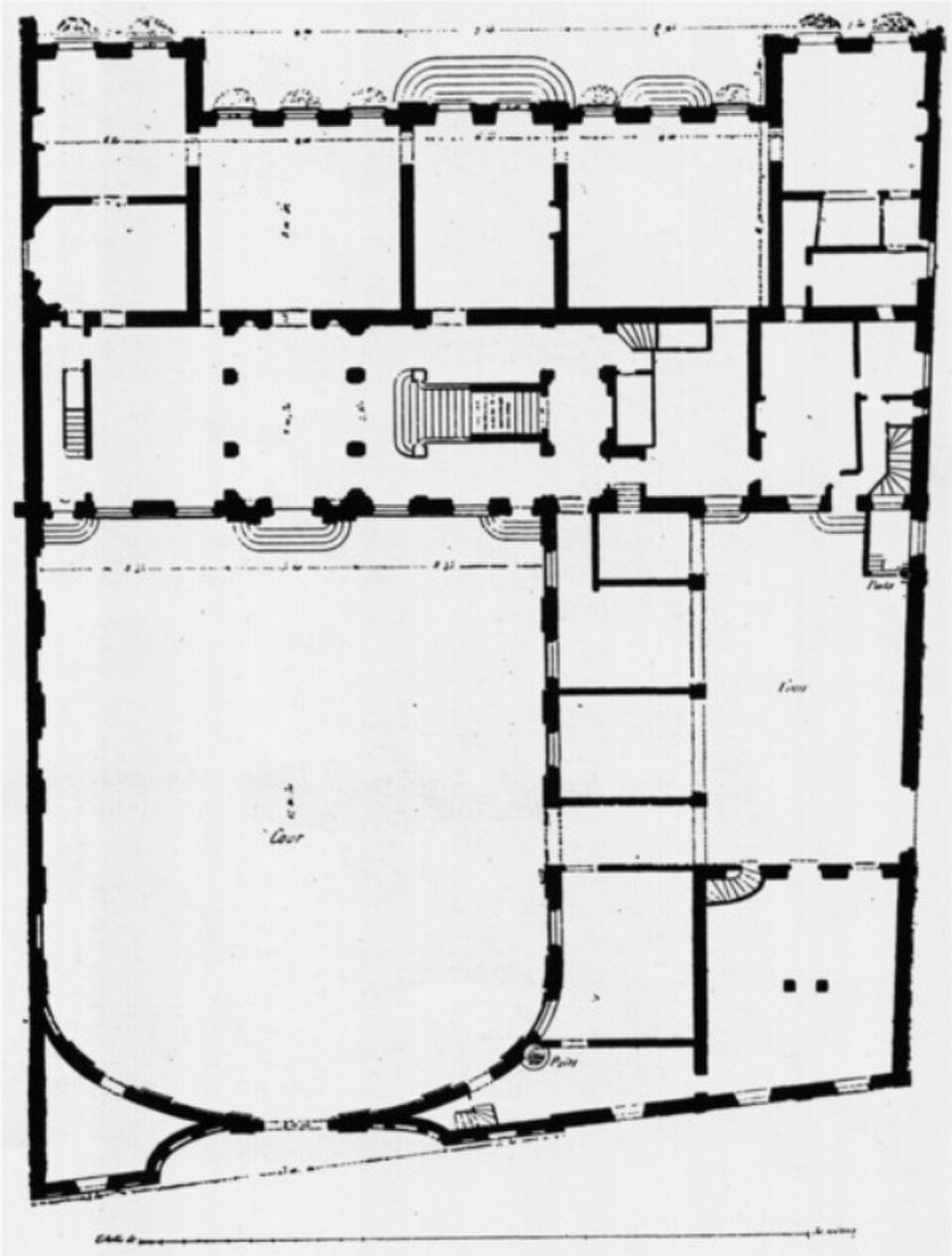
The Musee Picasso occupies the Hotel Sale, a seventeenth-century mansion in the Marais built in the 1650s for Pierre Aubert de Fontenay, a salt-tax collector whose unpopular trade gave the building its nickname, sale meaning salted. The state bought the building in 1964, restored it through the 1970s, and opened the museum in 1985, twelve years after Picasso's death.
The collection came from dation en paiement: French inheritance law lets an estate pay tax in artwork instead of cash, and Picasso's heirs settled his estate this way after his death in 1973, and again after the death of his widow Jacqueline in 1986, which is why the collection covers his entire career rather than one period a single private buyer might have favoured. The architect Roland Simounet led the mansion's conversion into a museum through the late 1970s and early 1980s, keeping the historic stonework and staircases largely intact rather than inserting a modern shell inside them.
Checked 2026-08-24 · Source
Around 5,000 works spanning Picasso's Blue and Rose periods, Cubism, Neoclassicism and his late, prolific final decade, plus his personal collection of Cezanne, Matisse, Degas, Rousseau and African and Oceanic masks that he kept for himself as working references rather than exhibited during his lifetime. The museum also holds his sculpture and ceramics in depth, a side of his output that smaller retrospective shows elsewhere rarely gather at this scale, alongside notebooks and photographs documenting his studio practice across the seven decades he worked in France.
Checked 2026-08-24 · Source
Ninety minutes covers the permanent collection across the building's several floors at a steady pace; add time for a temporary exhibition if one is running, since the museum regularly devotes an entire floor to a themed loan show alongside the permanent hang. Visitors chasing the whole career in one pass, from the Blue Period rooms up to the late canvases, tend to need closer to two hours once the sculpture and ceramics rooms are included.
Checked 2026-08-24 · Source
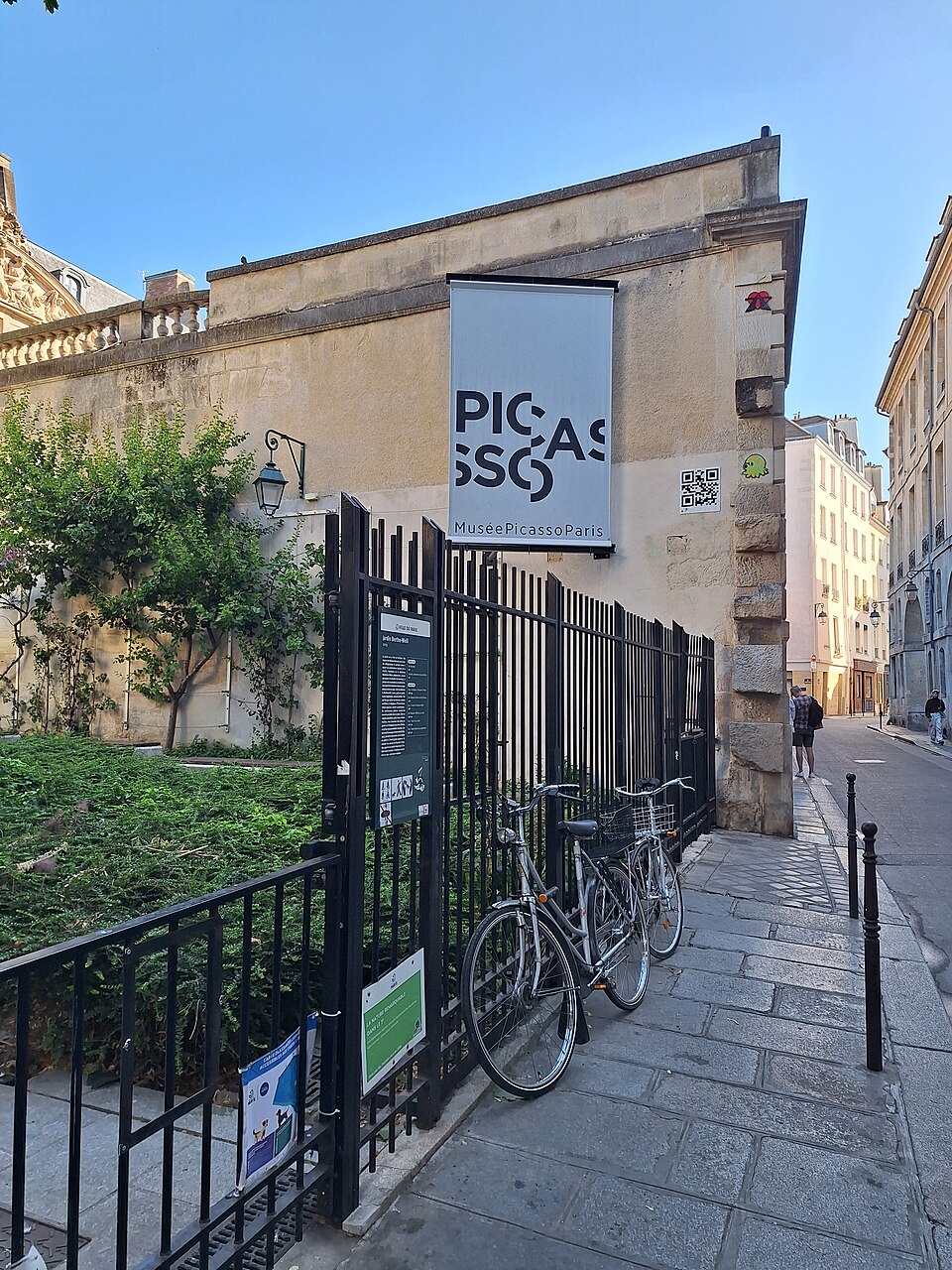
Open 09:30 to 18:00 Tuesday through Sunday, closed Monday, checked against the museum's own site on 24 August 2026. Weekday mornings are quieter than weekend afternoons, which draw families and groups visiting the Marais's shops and cafes at the same time, and the museum gets noticeably busier whenever a major temporary exhibition is running alongside the permanent collection.
Checked 2026-08-24 · Source
Full admission is 16 EUR per person, checked on the museum's own site on 24 August 2026. Reduced-rate categories such as under-26 EU residents and free entry for under-18s are standard at French national museums generally, though this museum's own current list of who qualifies was not individually verified during this check, so confirm eligibility online before assuming a discount applies.
Checked 2026-08-24 · Source
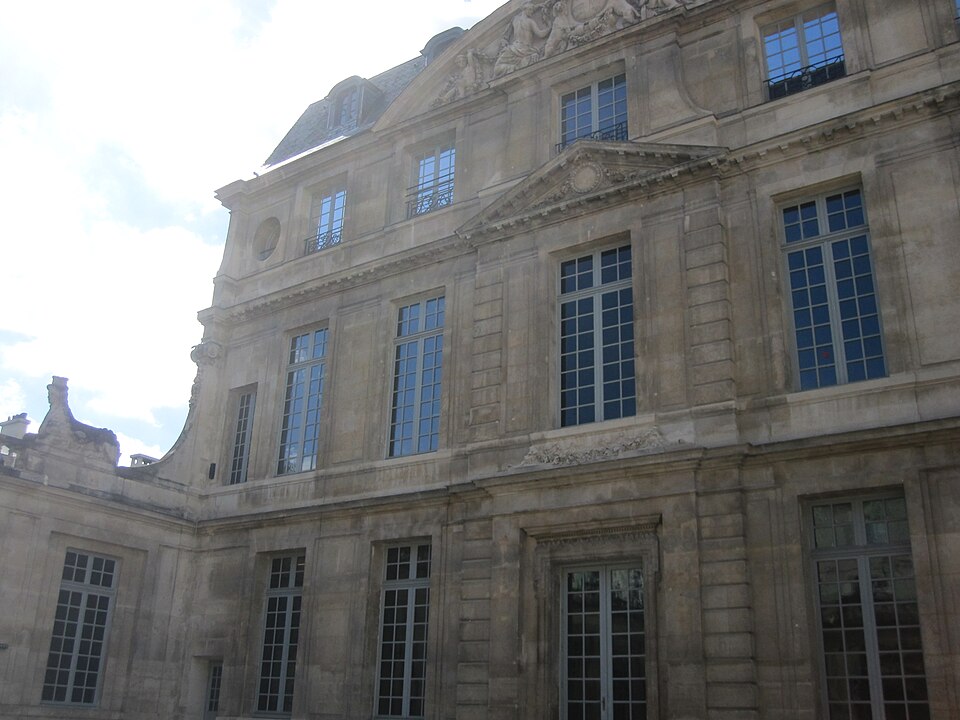
Saint-Sebastien-Froissart on line 8 and Chemin Vert on line 8 both sit a short walk from the Hotel Sale on Rue de Thorigny, in the middle of the Marais's narrow streets rather than on a main boulevard, so the last stretch is on foot regardless of which station is used. Saint-Paul on line 1 is a slightly longer walk but drops visitors at the southern edge of the Marais, useful when combining the museum with the nearby Place des Vosges.
Checked 2026-08-24 · Source
The Marais streets around the museum are narrow with no vehicle drop-off close to the entrance, so factor in a walk from the nearest station rather than expecting kerbside access. Temporary exhibitions sometimes occupy part of the permanent collection's usual space, which can shorten what is on view without warning on the website, so a repeat visitor should not assume the last visit's layout still holds.
Checked 2026-08-24 · Source

Photography without flash is allowed in the permanent collection; some loaned works in temporary exhibitions carry their own no-photography restriction set by the lender rather than the museum itself, so a blanket rule does not always apply floor to floor and it is worth checking the signage in each room rather than assuming consistency. The museum's own photography rule for the permanent collection has been consistently no-flash since it reopened after a five-year renovation in 2014, which also enlarged the exhibition space considerably from the museum's original 1985 footprint, giving the sculpture and ceramics rooms far more space than they had in the museum's first two decades, and adding a dedicated study centre for researchers on a separate floor not open to general visitors.
Checked 2026-08-24 · Source
It came from dation en paiement, France's inheritance-tax-in-artwork system, settled twice: after Picasso's death in 1973 and after his wife Jacqueline's death in 1986.
The Hotel Sale, a seventeenth-century mansion in the Marais built in the 1650s for a salt-tax collector.
Yes, including Cezanne, Matisse, Degas, Rousseau and African and Oceanic masks he kept for himself.
09:30 to 18:00, Tuesday through Sunday, closed Monday.
16 EUR per person for full admission.
Saint-Sebastien-Froissart and Chemin Vert, both on line 8.
In 1985, twelve years after Picasso's death, following the state's purchase and restoration of the Hotel Sale.
Loading the interactive map…
The interactive map could not be loaded.
Last updated:
Source: OpenStreetMap contributors, Wikidata ·