


1 min walk · Paris 3e Arrondissement
Jardin Anne-Frank
- High
- Nature site
Language · 1 published
Museum · Paris 3e Arrondissement, Paris
| Monday | Closed |
|---|---|
| Tuesday | 11:00 – 18:00 |
| Wednesday | 11:00 – 18:00 |
| Thursday | 11:00 – 18:00 |
| Friday | 11:00 – 18:00 |
| Saturday | 10:00 – 18:00 |
| Sunday | 10:00 – 18:00 |
Checked 2026-08-24 · Source
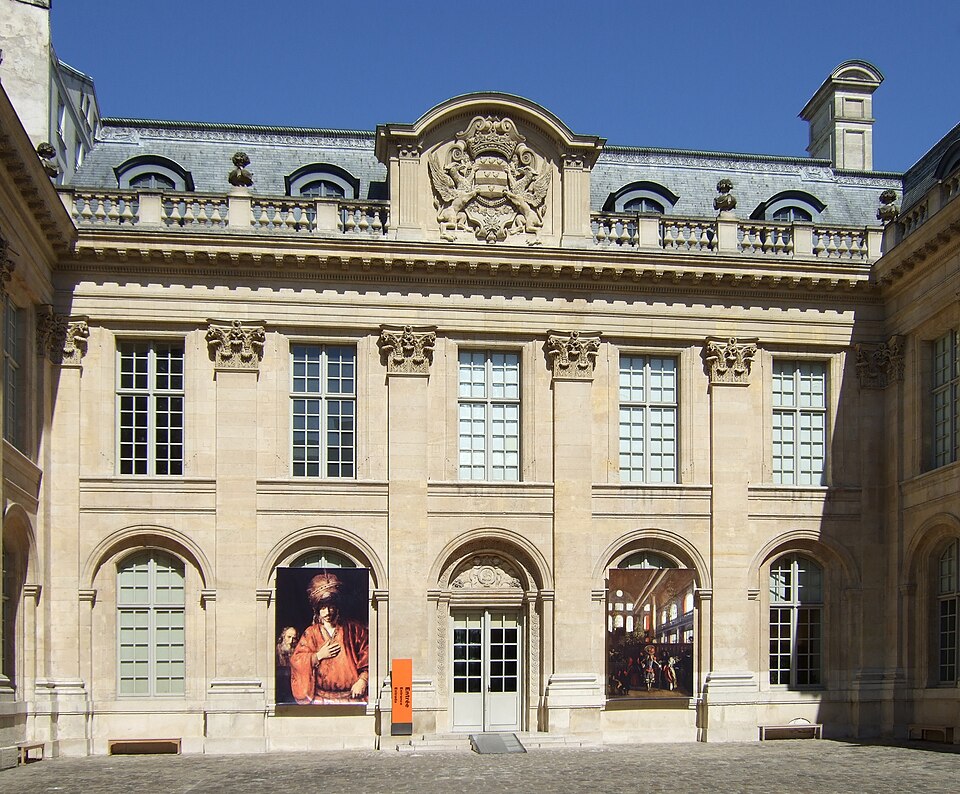
The Musee d'art et d'histoire du Judaisme, known as the MAHJ, is France's museum of Jewish art and history, opened in 1998 in the Hotel de Saint-Aignan, a 17th-century mansion in the Marais, 3rd arrondissement.
The collection traces Jewish life, religious practice and culture in France and Europe from the Middle Ages to the twentieth century, drawing partly on the earlier Musee d'art juif that operated in Montmartre from 1948 until its collection was folded into the new museum.
Checked 2026-08-24 · Source
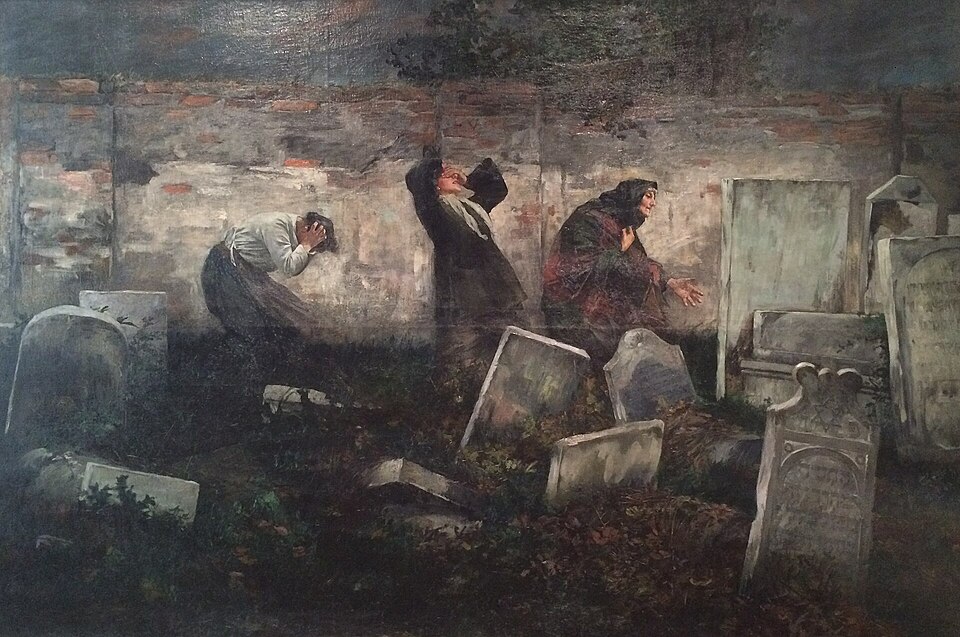
Ritual objects -- Torah scrolls, ark curtains, Hanukkah lamps and marriage contracts (ketubot) -- illustrate religious practice across different Jewish communities in Europe and North Africa.
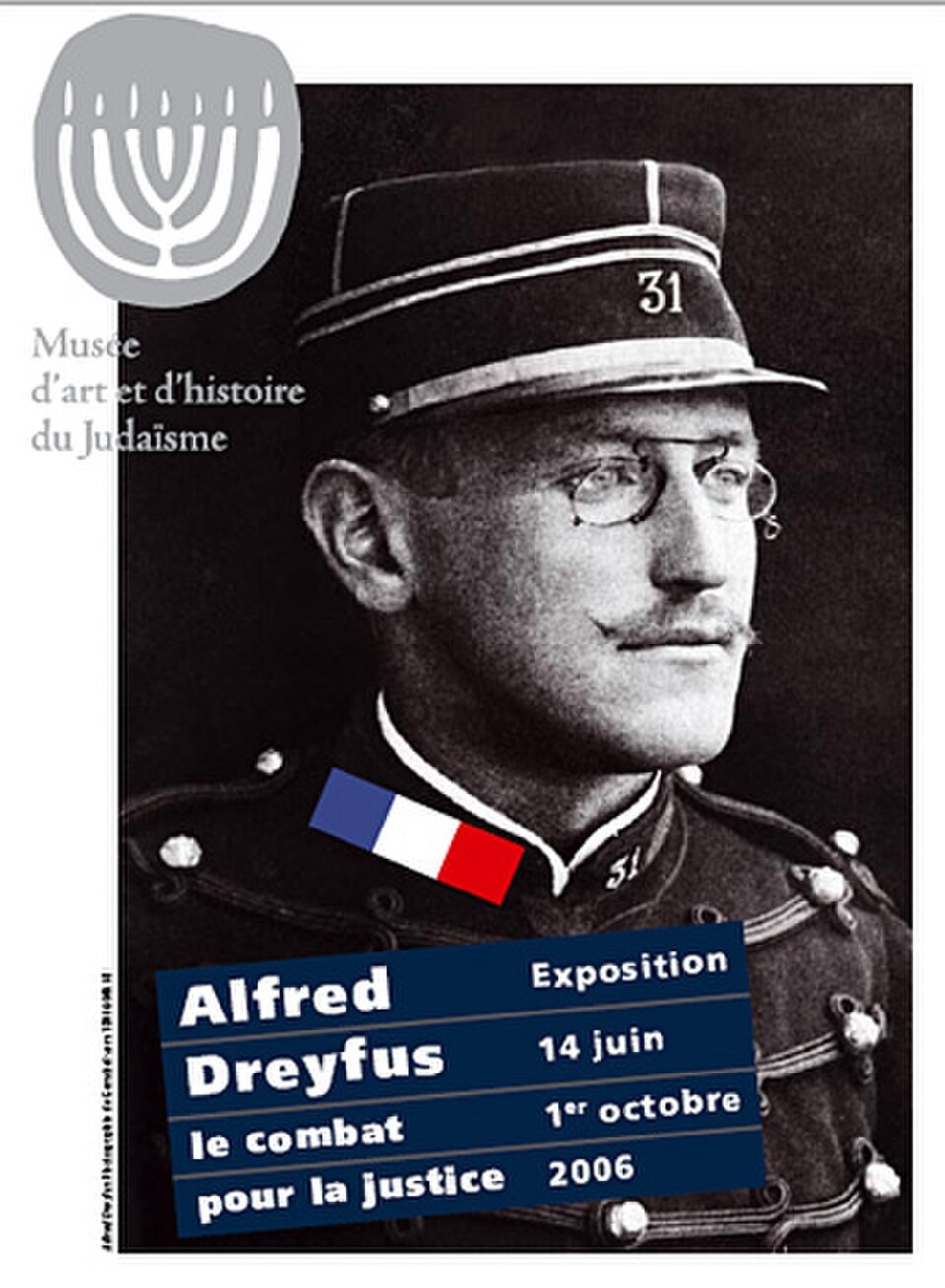
A section on the Dreyfus affair covers the wrongful conviction of army captain Alfred Dreyfus and its role in French political history. The museum also holds works by Jewish artists of the School of Paris, including pieces by Marc Chagall, and the mansion's own 17th-century courtyard and painted ceilings are part of the visit alongside the collection itself.
The Hotel de Saint-Aignan, built in the 1650s for the Duc de Saint-Aignan, later housed workshops and a Jewish school in the crowded Marais of the nineteenth and early twentieth centuries before falling into disrepair and being restored specifically to hold the new museum, so the building's own history runs alongside the subject of its collection.
Checked 2026-08-24 · Source
One and a half to two hours covers the permanent galleries at a steady pace; add extra time when a temporary exhibition is showing.
The Marais setting means the museum pairs easily with a longer walk through the district's other historic mansions and its concentration of small galleries, so a half day in the neighbourhood is a common way to build the visit.
A visitor focused only on the ritual-object galleries and the Dreyfus affair section, skipping the temporary exhibition space, can reasonably shorten the visit to about an hour.
Checked 2026-08-24 · Source
Weekday mornings are quietest. The museum closes on Mondays and on Jewish holidays, a schedule distinct from most Paris museums that close on Tuesdays, so checking the specific holiday calendar before a visit matters here more than elsewhere.
Not recorded: a full current list of holiday closures beyond the general rule stated on the museum's own site.
Checked 2026-08-24 · Source
A paid ticket covers the permanent collection, with a reduced rate for students and a further reduced or free rate for under-26 EU residents and under-18s, in line with common French museum practice; temporary exhibitions are usually covered by the same combined ticket.
The museum's own site carries the current rates and holds the reliable figure on the day of a visit.
Checked 2026-08-24 · Source

Metro Rambuteau, on Line 11, and Hotel de Ville, on Lines 1 and 11, both sit within a short walk through the Marais's narrow streets.
The Centre Pompidou is close enough to combine in the same outing, and the museum sits within easy reach of the Marais's other historic mansions turned museums, several of which -- the Musee Carnavalet among them -- are free permanent-collection city museums rather than paid national ones. The museum's entrance on rue du Temple is easy to miss among the district's other historic doorways -- the carved stone facade of the Hotel de Saint-Aignan is the marker to look for.
Checked 2026-08-24 · Source

Security screening at the entrance, standard for a Jewish institution in France given the security context of recent years, adds a few minutes at busy times and means bags are checked before entry.
Photography of certain ritual objects and loaned pieces is restricted where a lender has set that condition, and the rule is posted room by room rather than applied uniformly across the whole museum.
The narrow Marais streets around the entrance carry heavy foot traffic on weekend afternoons, so a visitor pressed for time is better served arriving shortly after opening than at midday.
Checked 2026-08-24 · Source

The mansion's 17th-century courtyard, with its carved stone arcades, is the building's most photographed corner and sits before the ticketed galleries begin.
Inside, photography without flash is generally permitted in the permanent galleries, though the room-by-room signage should be checked, since specific loaned objects or ritual items are sometimes exempted from that general rule.
The painted wooden ceiling in the mansion's main staircase, original to the 1650s building, is worth the extra minute it takes to look up on the way between floors.
Checked 2026-08-24 · Source
The Musee d'art et d'histoire du Judaisme, France's museum of Jewish art and history, opened in 1998 in the 17th-century Hotel de Saint-Aignan in the Marais.
Mondays, along with Jewish holidays through the year -- a different closure pattern from most Paris museums, which close on Tuesdays.
Yes, a section covers the wrongful conviction of army captain Alfred Dreyfus and its role in French political history.
Yes, bag checks and security screening are standard at the entrance and can add a few minutes at busy times.
Yes, the collection includes works by Jewish artists of the School of Paris, including pieces by Chagall.
Loading the interactive map…
The interactive map could not be loaded.
Last updated:
Source: OpenStreetMap contributors, Wikidata ·