The Musée des Arts et Métiers is Europe's oldest technology museum, founded in 1794 to collect and preserve the machines and instruments of French industry, and it has occupied a former medieval priory ever since.
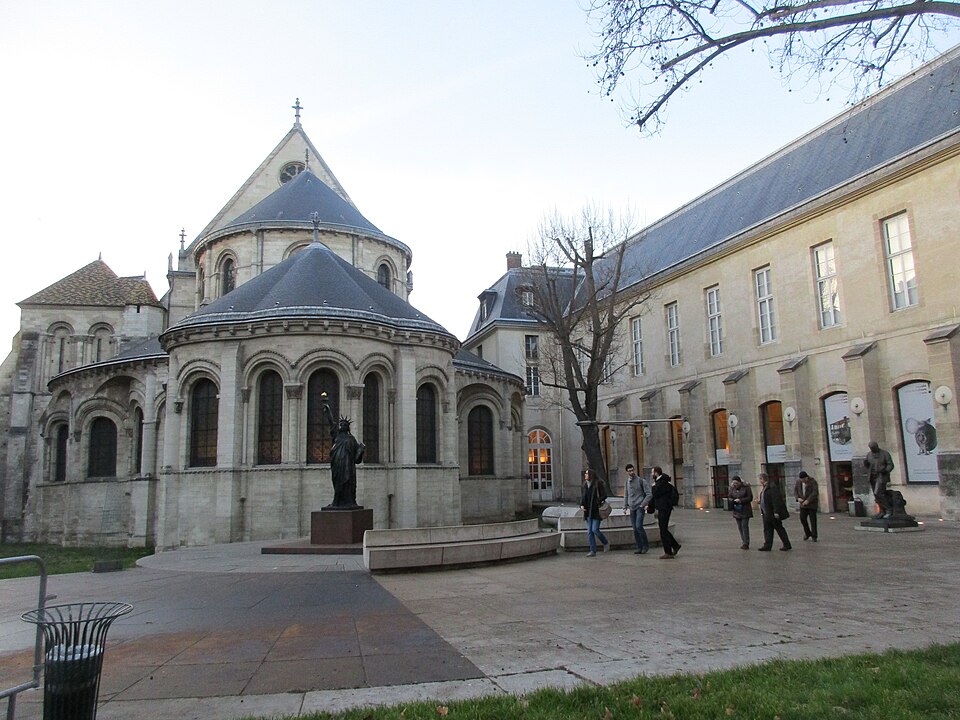
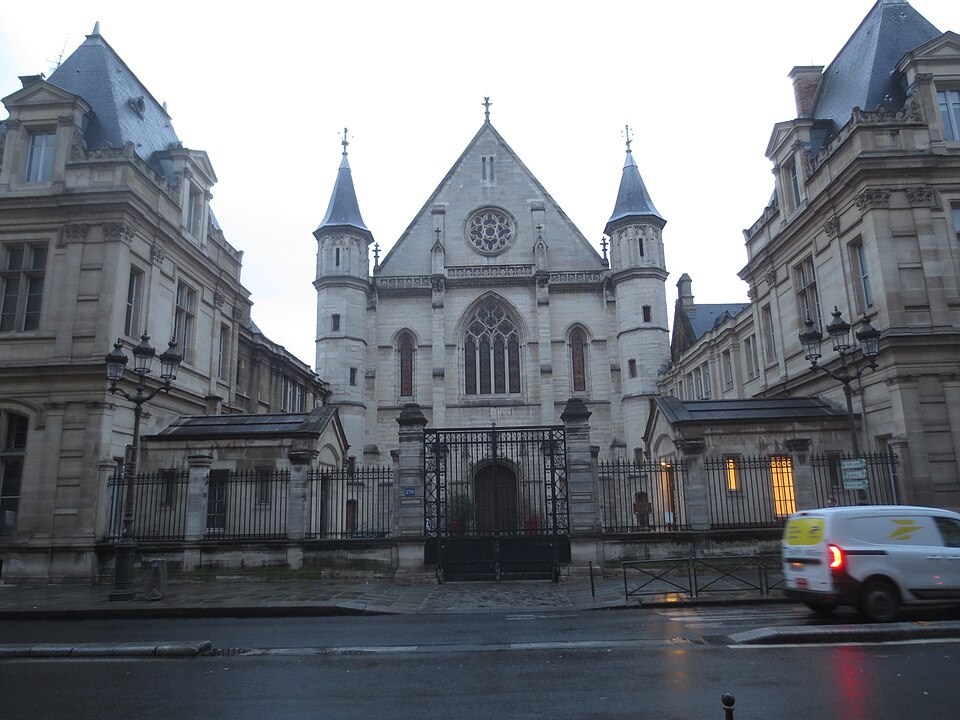
The Convention created the museum during the Revolution as a repository of scientific instruments, models and inventions for the instruction of craftsmen and engineers, one of a wave of institutions founded in that period to put knowledge in public rather than royal or clerical hands. It moved into the buildings of the former Priory of Saint-Martin-des-Champs, a medieval monastic complex, in 1799, and the priory's church and refectory remain part of the museum today.
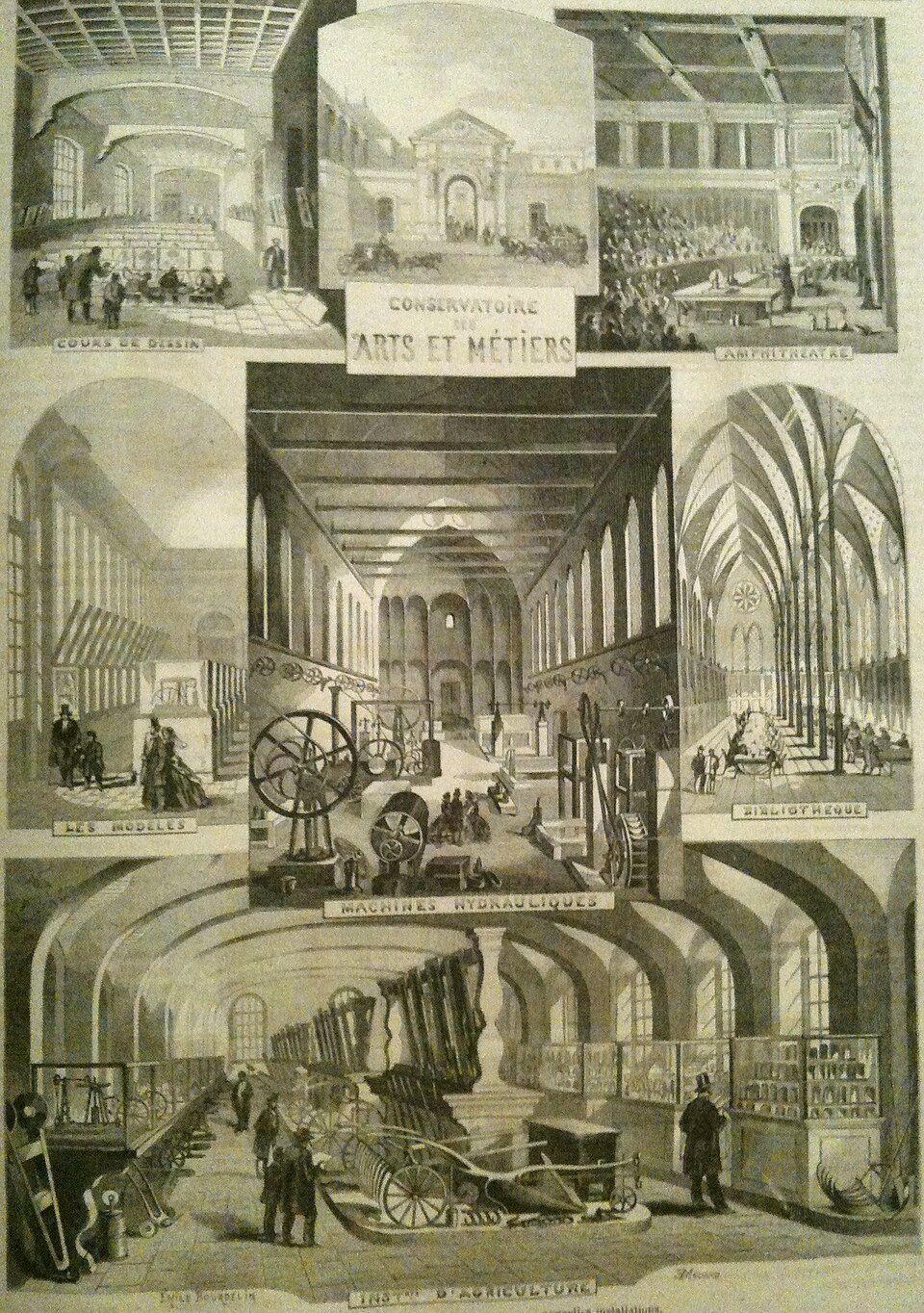
The collection grew through the 19th century into one of the largest holdings of scientific and industrial instruments in the world, spanning scientific instruments, materials, construction, communication, transport and energy across roughly 3,000 objects on display out of a much larger stored collection.
Seven thematic sections across scientific instruments, materials, construction, communication, transport and energy, housed partly in the medieval priory church.
The museum's best-known object is Foucault's original pendulum, still hung from the priory church's vault in a modern restaging of the 1851 experiment that first demonstrated the Earth's rotation to a public audience — the same experiment later restaged more famously at the Panthéon. The transport section holds a run of early cars, bicycles and Clément Ader's 1897 Avion III, one of the earliest attempts at powered flight.
The church itself, deconsecrated and repurposed, holds large-scale objects — aircraft, vehicles, industrial machinery — suspended and displayed inside a medieval nave that was never built to hold them, one of the more unusual exhibition spaces of any museum in the city.
Two hours for a reasonably thorough visit across the main sections; a full circuit of all seven takes closer to three.
The museum spans several buildings and floors around the priory, and the layout is not a single loop, so a visit benefits from deciding in advance which of the seven sections matter most rather than trying to see everything. The priory church, with the pendulum and the large transport objects, is the section most visitors prioritise if time is short.
The adjoining Métro station, Arts et Métiers, has a steampunk-styled platform decorated in copper panelling in tribute to the museum above it, which is worth the two minutes it takes to walk through on the way in or out.
Weekday afternoons, once the morning school groups — a frequent visitor here given the museum's teaching origins — have thinned out.
The museum draws a steadier, more specialist crowd than the marquee art museums nearby, and is rarely uncomfortably busy even in peak season. Its closing day and any seasonal hours are not published on the sources this page uses and are not reproduced here.
The priory church section is best seen with some natural light still coming through its windows, which favours a visit earlier in the afternoon over the last hour before closing.
The museum is ticketed, with the usual reduced rate for under-26 EU residents and free entry for various concession categories. The figure shown on this page is the one currently published.
It is covered by the Paris Museum Pass.
A separate small fee sometimes applies to see the pendulum experiment run live at scheduled times rather than simply seeing it hanging; whether that is running on a given day is worth checking on arrival.
292 Rue Saint-Martin, in the 3rd arrondissement on the edge of the Marais.
Arts et Métiers station, on Métro lines 3 and 11, sits directly outside and is itself decorated as a tribute to the museum above it — riveted copper panelling styled after a submarine interior. Réaumur-Sébastopol on lines 3 and 4 is a short walk away as an alternative.
The Centre Pompidou and the northern Marais are both within easy walking distance, making the museum a natural stop on a day covering that part of the Right Bank.
The museum spans several connected buildings on different levels, and the route between sections is not always obvious; picking up a map at the entrance saves doubling back.
The priory church holds large suspended objects — aircraft and vehicles — overhead, and the space is dimmer and quieter than the rest of the museum, which some visitors miss if they do not follow signage into it specifically.
Photography is generally permitted but flash and tripods are restricted in some galleries, particularly around fragile instruments and the pendulum installation.
Foucault's pendulum swinging inside the priory church's stone vault, shot from below with the ribbed ceiling in frame, is the single most distinctive image the museum offers and unlike anything else in Paris.
Clément Ader's Avion III, suspended overhead in the transport section, photographs best from directly underneath, where its bat-like wings read clearly against the gallery lighting.
The exterior priory buildings on Rue Saint-Martin, with their round tower and medieval stonework sitting incongruously among later Right Bank streets, are worth a shot before going in — the building itself is as much a historical object as anything inside it.
Is this the same pendulum as the one at the Panthéon?
No — it is the museum's own restaging of Foucault's 1851 experiment, hung inside the priory church, distinct from the replica pendulum at the Panthéon.
Why is the museum inside a medieval priory?
The museum moved into the buildings of the former Priory of Saint-Martin-des-Champs in 1799, and the priory's church and refectory remain part of the museum today.
What is the Métro station like?
Arts et Métiers station, on lines 3 and 11 directly outside, is decorated in riveted copper panelling styled after a submarine interior, as a tribute to the museum above it.
Is it covered by the Paris Museum Pass?
Yes.
How much of the museum can be seen in a short visit?
The priory church section, with Foucault's pendulum and the large transport objects, is the section most visitors prioritise if time only allows part of the seven thematic sections.
What is the museum's oldest claim to fame?
It was founded in 1794, making it Europe's oldest technology museum.
Nothing non-essential is set before you choose, in regions where consent is required. If you decline, ads still appear but they are non-personalised, and analytics is switched off entirely.