
.jpg)
.jpg)
.jpg)
.jpg)
.jpg)
3 min walk · Paris 8e Arrondissement
Théâtre Michel
- High
- Art and culture venue
Language · 1 published
Historic monument · Paris 8e Arrondissement, Paris

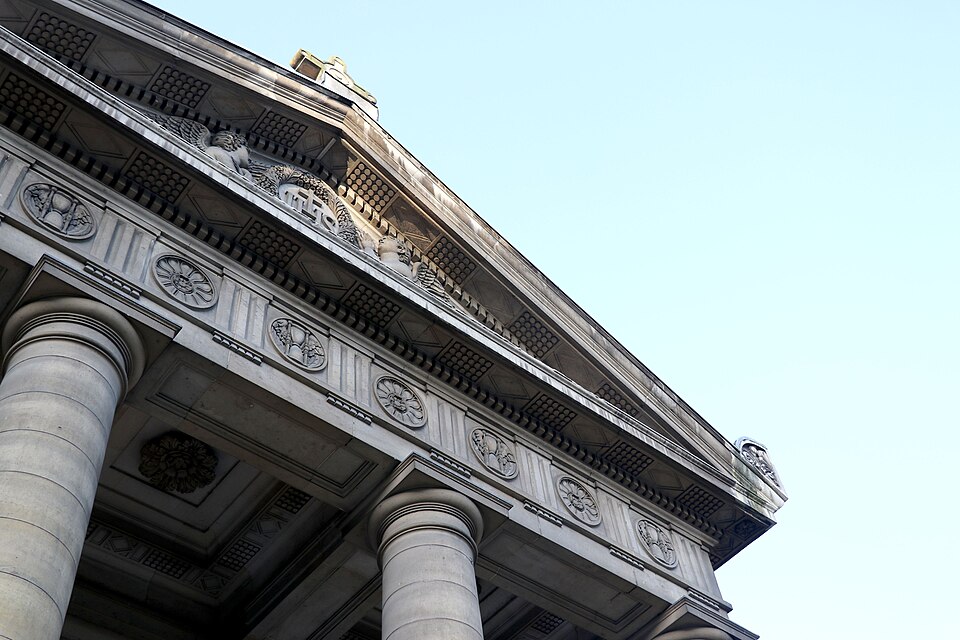
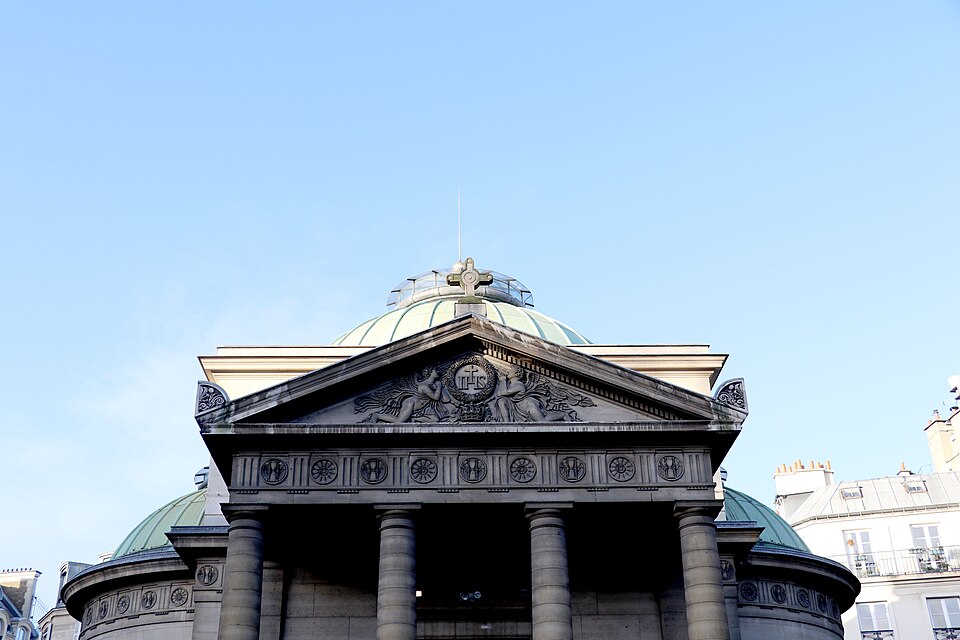
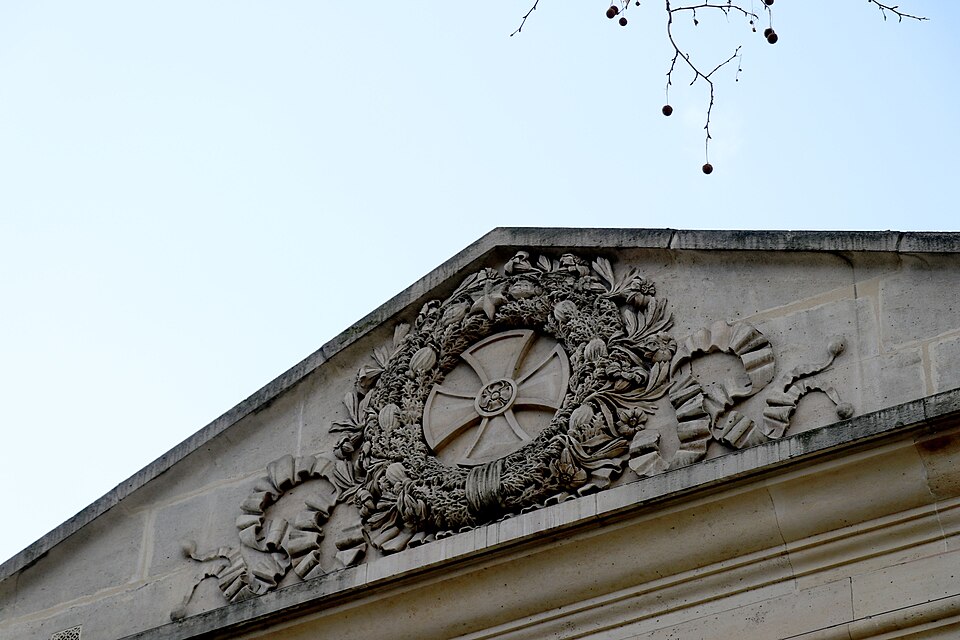
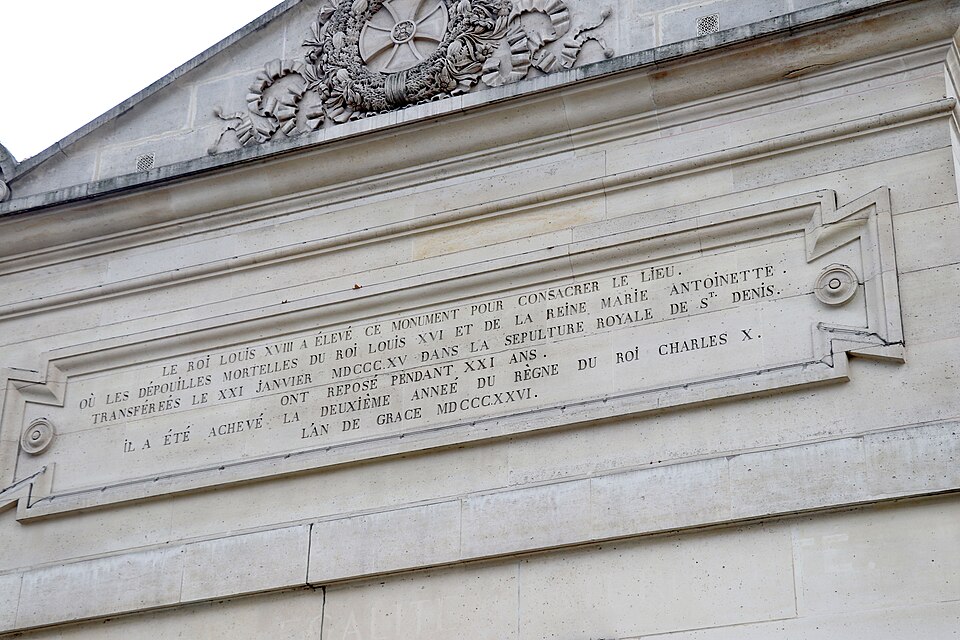
The Chapelle expiatoire is a neoclassical funerary chapel built between 1815 and 1826 on the site of the former Madeleine cemetery, where the guillotined bodies of Louis XVI and Marie Antoinette were buried in unmarked graves covered with quicklime in 1793, before their remains were exhumed and moved to the royal necropolis at the Basilica of Saint-Denis in January 1815.
Louis XVIII, the executed king's brother, commissioned it from the architect Pierre-Francois-Leonard Fontaine on the exact spot of the original burial, as an act of atonement for the execution rather than as a working parish church; the name itself, expiatoire, means built to expiate a wrong.
The same cemetery had also held roughly 3,000 other bodies from the Revolution's mass executions, including the Swiss Guards killed defending the Tuileries in 1792, none of whom are individually commemorated here. The chapel is managed today by the Centre des Monuments Nationaux, the same body that runs the Arc de Triomphe and the Conciergerie.
Checked 2026-08-24 · Source
A single domed chapel stands inside a walled garden, or square, entered through a colonnaded courtyard lined with cypress trees chosen for their funerary association. Inside, marble statues by Francois-Joseph Bosio show Louis XVI supported by an angel, and by Jean-Pierre Cortot show Marie-Antoinette kneeling before a personification of Religion. The crypt beneath marks the exact spot of the original mass grave with a black-and-white marble altar standing where the king's coffin was said to have lain. A commemorative Mass is held in the chapel each year around the anniversary of Louis XVI's execution in January.
Checked 2026-08-24 · Source
Thirty to forty minutes: the chapel and crypt are small, and much of the visit is spent in the walled garden around them rather than in a long interior circuit. Visitors who linger to read the inscriptions and study the two Bosio and Cortot statues in detail can extend that to closer to an hour, but there is no larger interior to fill more time than that.
Checked 2026-08-24 · Source
Opening hours are not recorded here; the operator's current schedule was not verified against its own site during this check, so confirm before a special trip rather than assuming it keeps the same hours as a typical city monument. Sites of this kind, run by the national monuments authority, have historically kept restricted, part-week hours rather than opening daily, so build in a fallback rather than treating it as a walk-up stop.
Checked 2026-08-24 · Source
Admission price is not recorded here; it was not verified against an operator source during this check, so treat any figure found elsewhere as unconfirmed until checked at the door or on the monument's own booking page. Small national monuments of this kind in Paris typically charge a modest entry fee well below the major museums, but that pattern is not a substitute for a verified price and is not repeated here as one.
Checked 2026-08-24 · Source
Saint-Augustin and Madeleine, both on line 8, sit a short walk away; the chapel is set back from Boulevard Haussmann behind railings, easy to miss from the street because the garden wall hides the dome until visitors reach the gate itself. Saint-Lazare, a major rail and metro hub, is also within easy walking distance, making the chapel a workable short stop for anyone passing through that station.
Checked 2026-08-24 · Source
Because it functions as a solemn monument rather than a mainstream tourist attraction, it draws far smaller crowds than the department stores immediately north on Boulevard Haussmann, and the quiet is part of the point rather than a sign anything is closed; visitors expecting a bustling sight may be surprised by how few other people are there. The surrounding walled garden, Square Louis XVI, is often treated by nearby office workers as a quiet lunch spot despite its origin as a mass grave, a contrast worth knowing before a visit, and one the chapel's own quiet, understated design does little to advertise to a casual passer-by walking along Boulevard Haussmann outside.
Checked 2026-08-24 · Source

The garden and colonnade are outdoors and photographable freely at any time the gate is open. Interior photography policy inside the chapel and crypt is not recorded here; confirm with staff on arrival rather than assuming the outdoor freedom carries indoors, since many small French monuments restrict photography of funerary interiors specifically.
Checked 2026-08-24 · Source
This was the site of the Madeleine cemetery, where the bodies of Louis XVI and Marie Antoinette were buried after their executions in 1793.
No. Louis XVIII had them exhumed and reburied at the Basilica of Saint-Denis in January 1815, before the chapel itself was built.
The architect Pierre-Francois-Leonard Fontaine, commissioned by Louis XVIII, between 1815 and 1826.
Marble statues of Louis XVI supported by an angel and Marie-Antoinette kneeling before Religion, and a crypt marking the original burial spot.
Thirty to forty minutes for the chapel, crypt and garden together.
Yes, roughly 3,000 other bodies from the Revolution, including the Swiss Guards killed defending the Tuileries in 1792, though none is individually commemorated in the chapel.
Loading the interactive map…
The interactive map could not be loaded.
Last updated:
Source: OpenStreetMap contributors, Wikidata ·