

01
1 hour
Classens Have
- High
- Nature site
- Copenhagen
Language · 11 published
Country guide
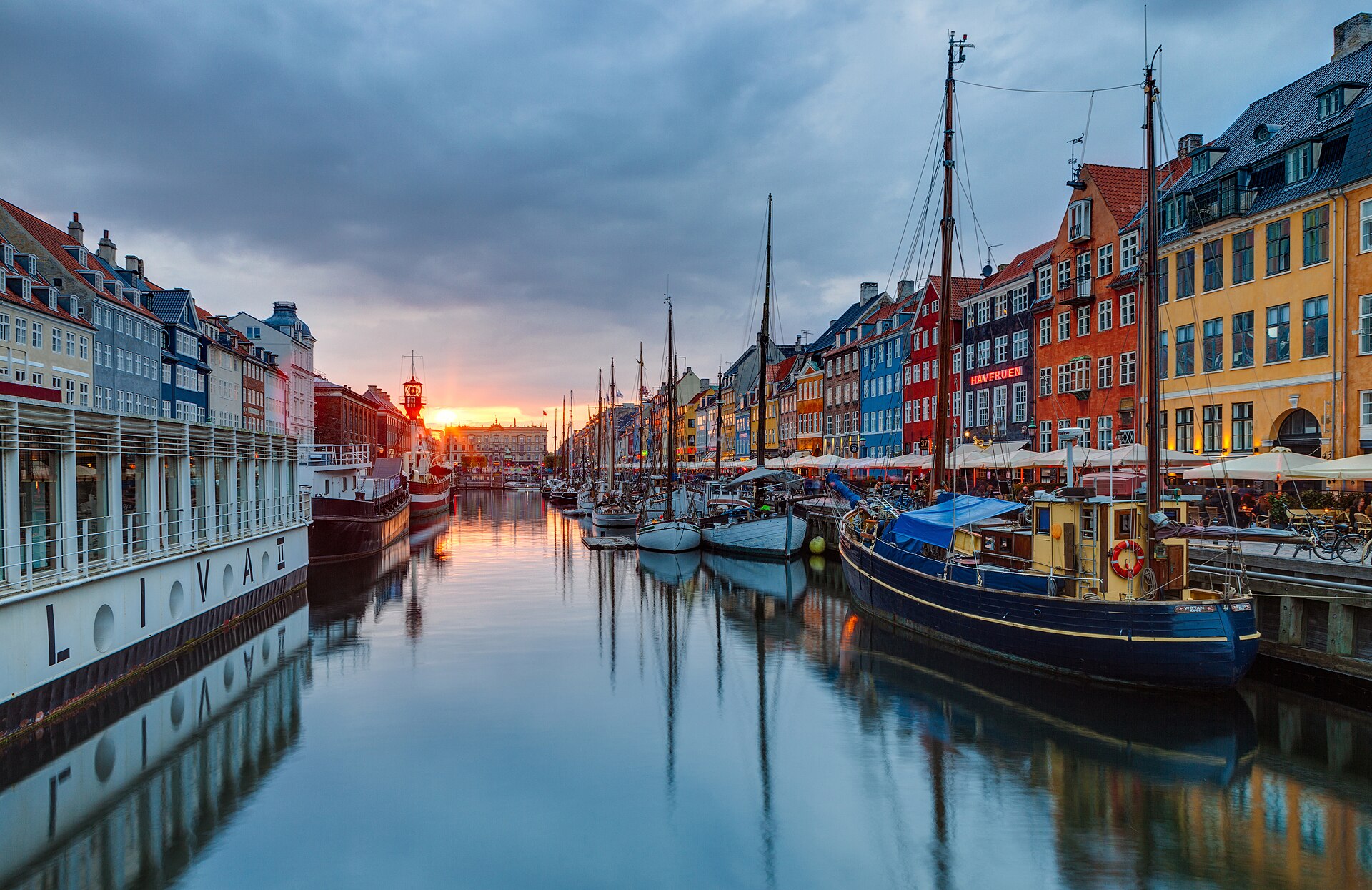
Denmark is the southernmost of the Scandinavian countries: the northern Jutland peninsula, which shares a short land border with Germany, plus an archipelago of 406 islands lying between the North Sea and the Baltic. Its population passed 6 million in May 2025, and roughly 40 per cent of that lives on Zealand alone — the largest island, and the one carrying Copenhagen. The land is flat and mostly arable, low, with sandy coasts, so a Danish route is measured in water crossings rather than in altitude. Beyond continental Denmark, the Kingdom also includes the Faroe Islands and Greenland.
Every city catalogued in this country so far, ranked by how much there is to see.
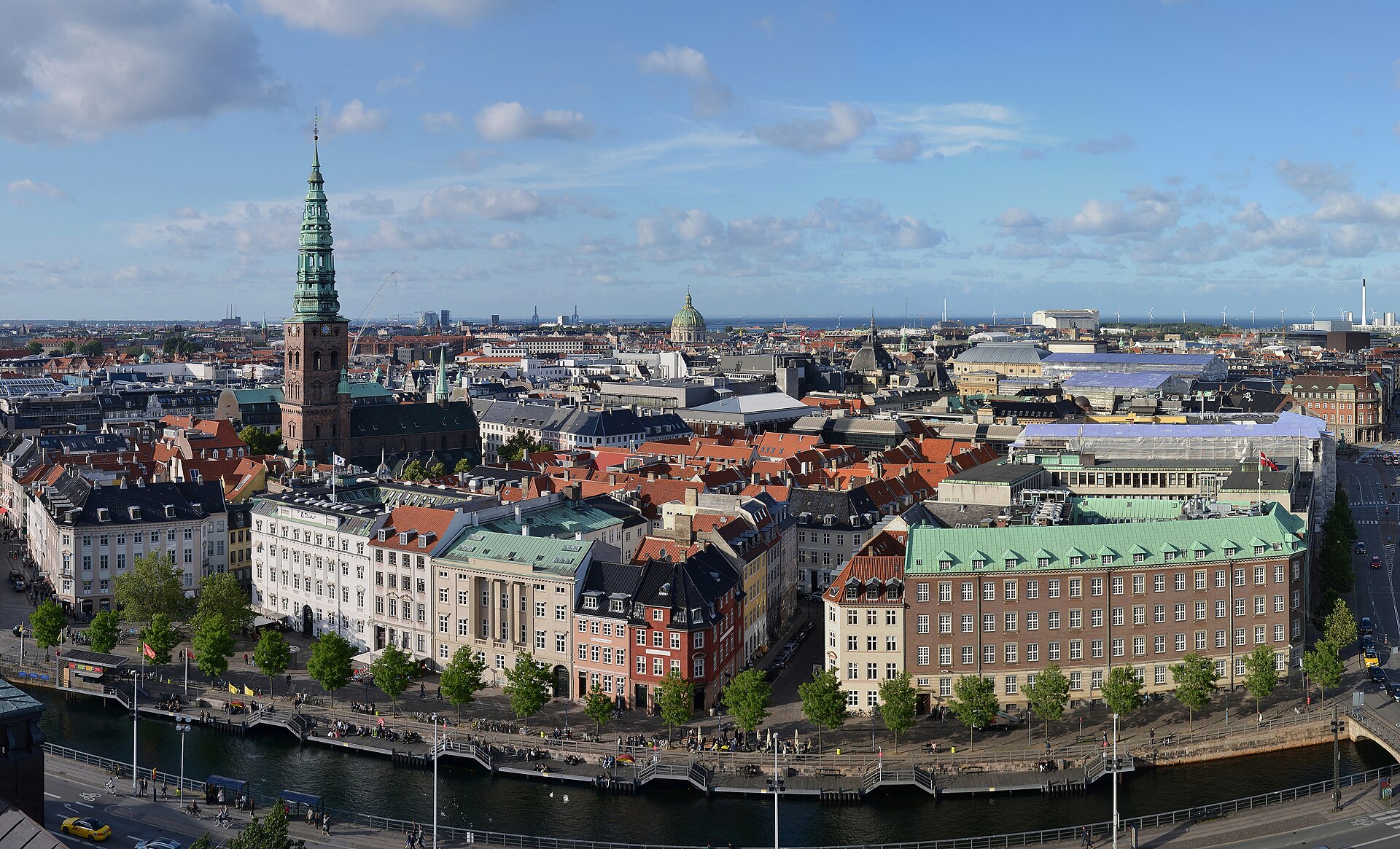
Photograph · Pudelek · CC BY-SA 4.0
Ranked by importance — sitelinks, pageviews and heritage status, not editor preference.
100 places match
Category
Typical visit duration
Source: OpenStreetMap contributors, Wikidata ·
Five to seven days allows three or four days in Copenhagen and time for one rail-linked extension such as Odense, Aarhus or North Zealand. Adding Jutland and several islands requires extra nights rather than longer day trips.
Denmark’s New to Denmark portal is the official short-stay visa reference. Check the passport-specific rule and Schengen conditions there, including which country is responsible for an application on a multi-country trip.
Copenhagen Airport has direct metro and rail connections. Intercity trains link Copenhagen, Odense, Aarhus and Aalborg, while Rejseplanen combines train, bus and ferry options even when fares remain operator-specific.
May through August provides Denmark’s longest days and the broadest seasonal opening pattern. Coastal weather can still change quickly, and island ferry frequency should be checked outside the main summer period.
Denmark prices goods in Danish kroner (DKK), not euros. Payment conditions are not recorded here; keep an alternative available for any terminal or small operator that does not accept the preferred card.
Use 112 for emergencies in Denmark. The supply is 230 V across Type C, E, F and K sockets, and mains tap water is recorded as safe.