


8 min walk
Kingkey 100
- Must see
- Historic monument
Language · 1 published
Museum · Shenzhen
| Monday | Closed |
|---|---|
| Tuesday | 10:00 – 18:00 |
| Wednesday | 10:00 – 18:00 |
| Thursday | 10:00 – 18:00 |
| Friday | 10:00 – 18:00 |
| Saturday | 10:00 – 18:00 |
| Sunday | 10:00 – 18:00 |
Parsed from OpenStreetMap opening hours on 2026-08-26.
The Shenzhen Museum of Ancient Art is a cultural institution dedicated to the preservation and exhibition of historical artifacts. Operated under the Shenzhen Museum system, it serves as a venue for ancient art collections and heritage displays. The museum contributes to the city's cultural infrastructure alongside contemporary institutions, offering visitors insight into Chinese artistic traditions and archaeological findings. Its establishment reflects Shenzhen's commitment to developing cultural destinations beyond its reputation as a technology and manufacturing hub.
Checked 2026-08-26
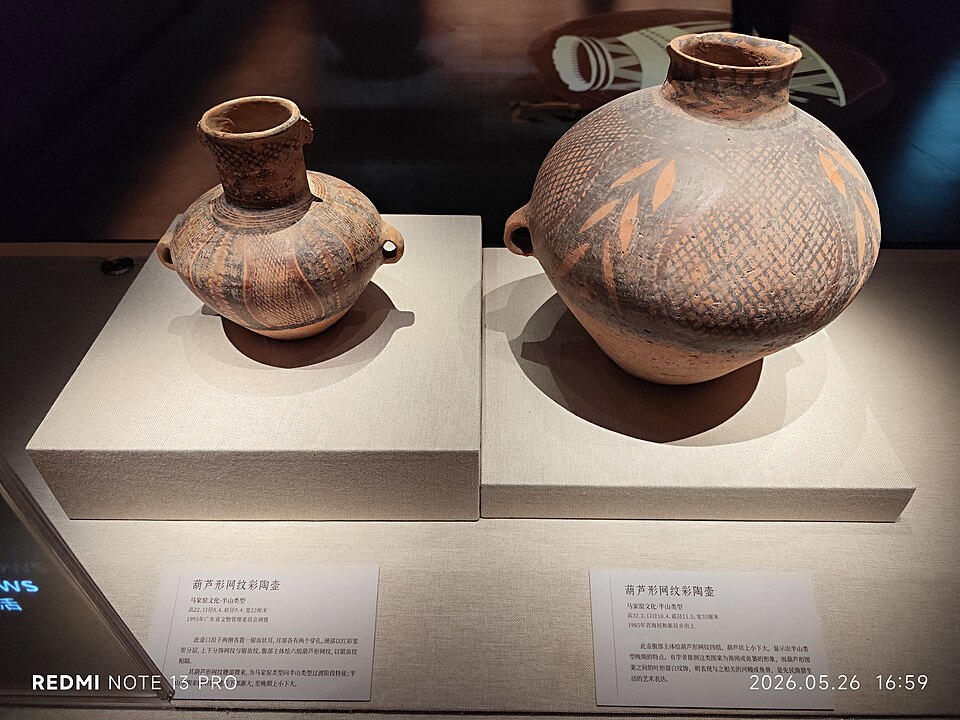
The museum houses collections of ancient Chinese art and cultural relics. Exhibitions typically feature ceramics, bronzes, jade carvings, paintings, calligraphy, and other historical objects spanning various dynastic periods. Thematic displays rotate according to curatorial programs and loan arrangements with other institutions. The presentation emphasizes artistic craftsmanship and historical context. Specific current exhibitions and collection highlights should be verified directly with the museum prior to visiting, as displayed materials change over time based on acquisition and rotation schedules.
Checked 2026-08-26
Visitors typically allocate two to three hours for a comprehensive visit to a museum of this scale and specialization. The duration depends on individual interest in ancient art, reading depth of exhibit labels, and whether guided tours or audio programs are utilized. Those with focused interests in particular mediums such as ceramics or jade may require less time, while enthusiasts seeking thorough engagement with all displayed materials might extend their stay. Planning for half a day allows comfortable pacing without rushing through galleries.
Checked 2026-08-26
Operator-confirmed hours are Not recorded pending review. Visitors should consult official Shenzhen Museum channels or the Shenzhen government tourism portal for current opening schedules before planning their trip. Seasonal considerations for Shenzhen include hot humid summers and mild winters; indoor climate-controlled environments make the museum suitable year-round. Weekday mornings may offer quieter experiences compared to weekends and public holidays when domestic visitor numbers increase significantly. Advance planning remains advisable regardless of season. Shenzhen Museum of Ancient Art also earns time in a shenzhen itinerary because A ranked shenzhen visitor place retained in the breadth-first top 100; production has no exact city POI pool match. Its value becomes clearer when the stop is compared with the surrounding streets and the other ranked places nearby.
Checked 2026-08-26
Operator-confirmed prices are Not recorded pending review. Admission policies for public museums in Shenzhen vary between free entry and ticketed special exhibitions. Visitors should verify current requirements through official Shenzhen Museum or municipal government sources. Identification may be required for entry. Some temporary exhibitions might implement separate ticketing even when general admission is complimentary. Group visits and educational programs may have distinct reservation requirements that should be confirmed in advance of arrival. A flexible visit lets travellers connect Shenzhen Museum of Ancient Art with the rest of the day without treating one room, viewpoint or photograph as the whole experience. The useful pace depends on personal interest and conditions on arrival.
Checked 2026-08-26
The museum is located within Shenzhen's urban area and accessible via the city's public transportation network. Metro lines and bus routes serve the general district, though visitors should consult current transit maps for precise routing to the specific location. Taxis and ride-hailing services operate throughout Shenzhen. The city's extensive metro system provides efficient connections from major districts including Luohu, Futian, and Nanshan. Walking from the nearest transit station may be required; wayfinding signage and digital maps assist navigation in the surrounding neighborhood.
Checked 2026-08-26
Museum environments require standard visitor conduct: no touching of exhibits, controlled voice levels, and photography restrictions in designated areas. Security screening may occur at entry. Bag size limitations sometimes apply. Crowding during peak periods affects viewing quality and comfort. Air conditioning operates at levels typical for artifact preservation, potentially feeling cool during summer months. Visitors should remain attentive to personal belongings in public spaces. Emergency exits and assembly points merit brief observation upon entry for preparedness purposes.
Checked 2026-08-26
Photography policies in Chinese museums typically prohibit flash usage to protect light-sensitive artifacts. Some institutions ban photography entirely or restrict it to permanent collection areas excluding loan exhibitions. Visitors should observe posted signage and staff instructions regarding camera and smartphone use. Tripods and professional equipment usually require advance permission. Respect for other visitors' viewing experience should guide photography behavior. When permitted, non-flash photography for personal documentation is generally acceptable; commercial or publication use requires separate authorization from museum administration.
Checked 2026-08-26
The Ancient Art venue operates as part of the Shenzhen Museum system but constitutes a distinct location with specialized focus on historical collections rather than comprehensive city history.
English provision varies by exhibition; major displays typically include bilingual labeling, though comprehensive English coverage is not guaranteed for all objects.
Reservation requirements change based on policies and capacity management; visitors should verify current procedures through official channels before visiting.
On-site dining provision is not confirmed; visitors may wish to identify nearby eating options in the surrounding district.
Modern Chinese museums generally incorporate accessibility features, though specific facility details should be confirmed directly with the institution.
Ticket flexibility policies depend on current operational rules; direct inquiry with official museum channels provides accurate guidance.
Loading the interactive map…
The interactive map could not be loaded.
Last updated:
Source: OpenStreetMap contributors ·