.jpg)
.jpg)
.jpg)
19 min walk
Parque da Água Branca
- Must see · Heritage site
- Nature site
Language · 1 published
Art and culture venue · São Paulo
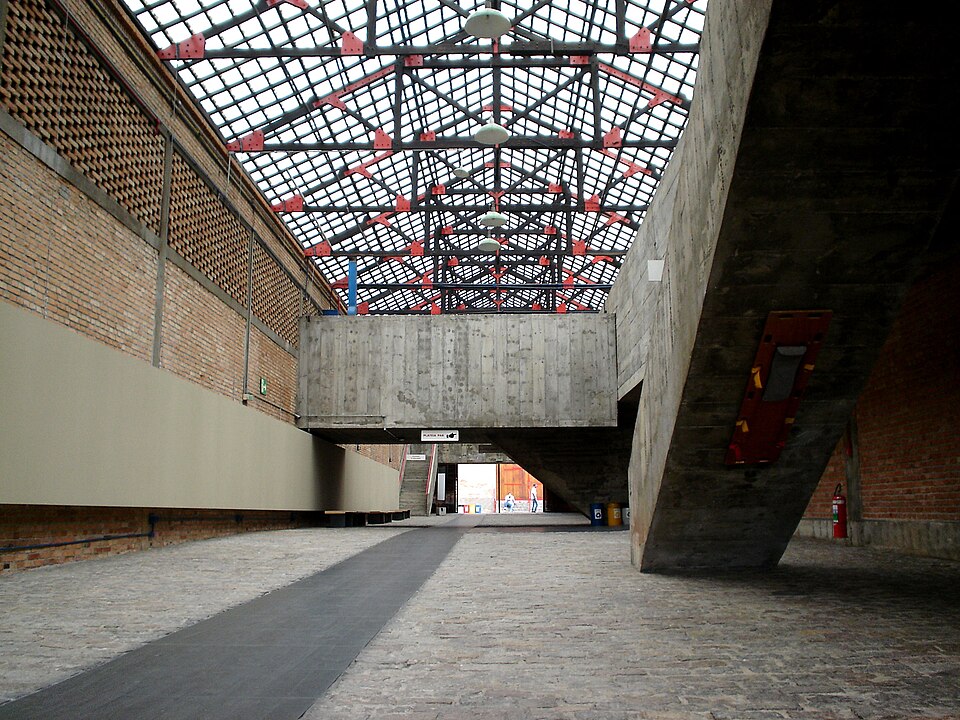
SESC Pompéia is a cultural and sports complex in São Paulo, Brazil, housed in a former industrial factory complex. The internationally significant adaptive-reuse project was designed by Italian-Brazilian architect Lina Bo Bardi and opened in the 1980s. It exemplifies her philosophy of preserving industrial heritage while creating democratic public spaces. The complex serves as a unit of SESC, a Brazilian nonprofit social service organization. It has become one of the most celebrated examples of 20th-century adaptive reuse in Latin America, attracting architecture enthusiasts from around the world.
Checked 2026-08-26
The complex contains cultural facilities including performance spaces, exhibition areas, and workshops. Sports amenities include swimming pools and gymnasium facilities. Lina Bo Bardi's distinctive architectural interventions include new concrete towers connected by aerial walkways, creating dramatic vertical circulation against the horizontal factory buildings. The design preserves original industrial structures while inserting bold modern elements. The facility hosts diverse programming spanning arts, education, recreation, and health activities typical of SESC institutions. Specific current programming and facility details should be verified directly with the venue.
Checked 2026-08-26
Visitors should allocate at least two to three hours for meaningful exploration of the architecture and any available activities. Architecture enthusiasts may wish to spend half a day examining Bo Bardi's design strategies, material choices, and spatial sequences. Those participating in cultural events, sports activities, or exhibitions should extend their visit accordingly. The complex rewards unhurried observation of how industrial heritage interacts with contemporary interventions. Visitors combining SESC Pompéia with other São Paulo destinations should plan flexible itineraries allowing for spontaneous engagement with available programming.
Checked 2026-08-26
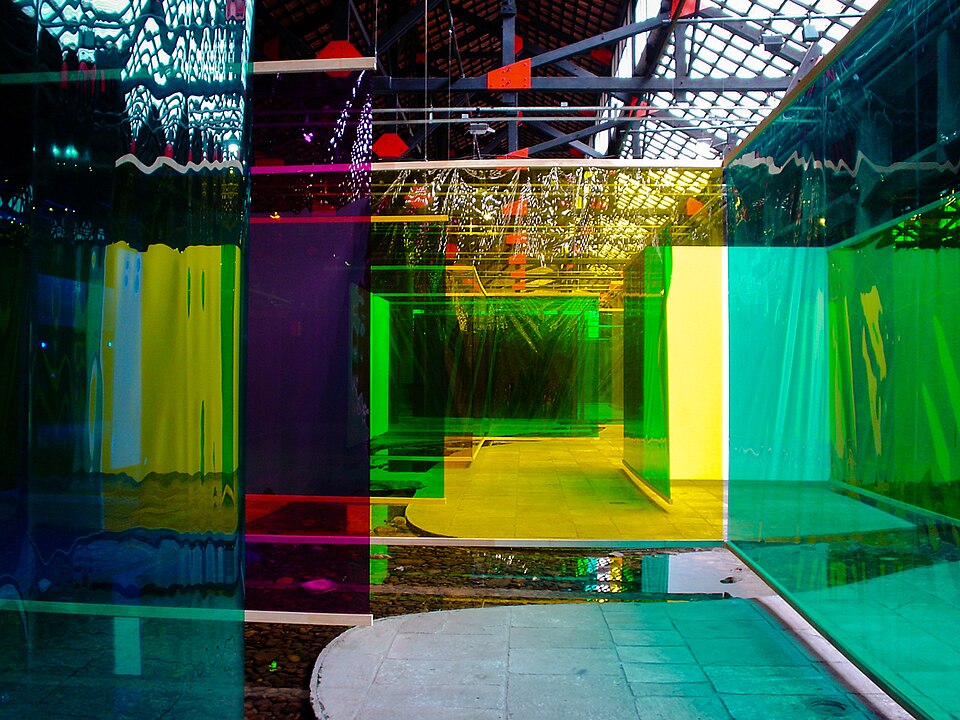
Operator-confirmed hours are Not recorded pending review. Visitors should consult the official SESC São Paulo website or contact SESC Pompéia directly before planning their visit. The complex likely operates with different schedules for cultural programming, sports facilities, and general public access. Seasonal variations in São Paulo's climate are moderate, though summer months can be warm and humid. Evening visits may offer opportunities to experience illuminated architecture and nighttime cultural programming. Advance verification of operating status is essential, particularly around Brazilian holidays when schedules commonly change.
Checked 2026-08-26
Operator-confirmed prices are Not recorded pending review. SESC facilities typically operate with varied access models: some activities require SESC membership or day passes, while certain cultural events may have separate ticketing or free admission. Sports facilities generally require specific access arrangements. Visitors should consult the official SESC São Paulo website for current pricing, membership requirements, and any documentation needed for entry. International visitors may face different access conditions than Brazilian residents. Advance preparation is advisable to avoid disappointment upon arrival. SESC Pompéia also earns time in a sao paulo itinerary because Lina Bo Bardi's internationally important adaptive-reuse cultural and sports complex; no exact production POI exists. Its value becomes clearer when the stop is compared with the surrounding streets and the other ranked places nearby.
Checked 2026-08-26
SESC Pompéia is located in the Pompéia neighborhood of São Paulo's western zone. The area is served by São Paulo's extensive bus network. The nearest metro stations require connecting bus transport. Visitors should consult current transit applications or the SPTrans website for precise routing from their departure points. Taxis and ride-sharing services provide alternative access. Traffic congestion in São Paulo can be severe, particularly during peak hours; travelers should allow generous time. The surrounding neighborhood offers urban streetscape typical of São Paulo's mixed residential-commercial districts.
Checked 2026-08-26
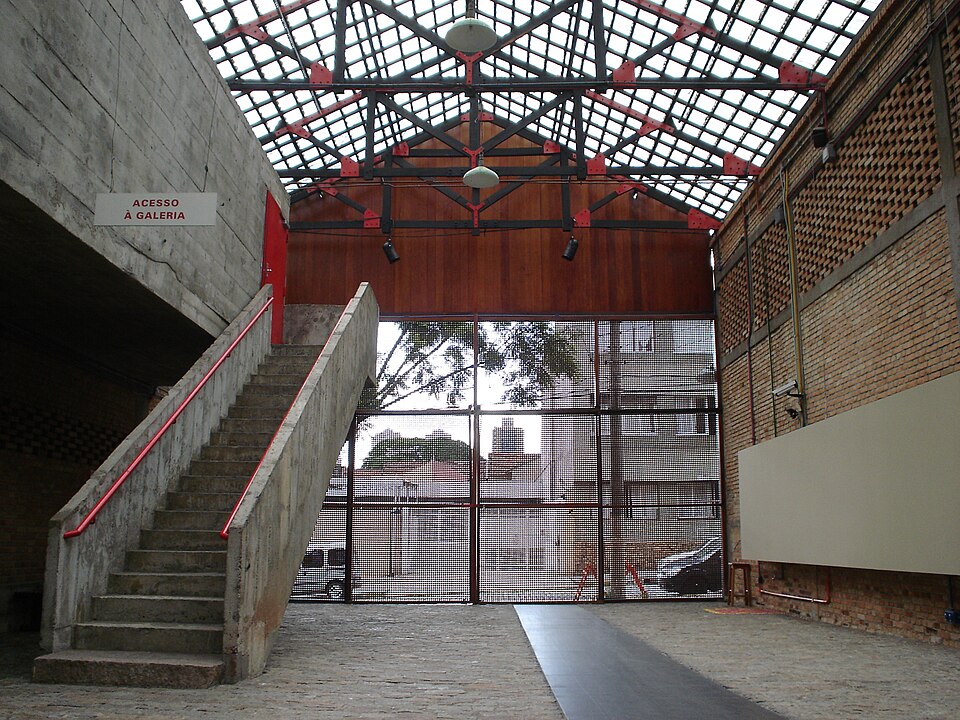
Visitors should exercise standard urban awareness appropriate to São Paulo. The surrounding Pompéia neighborhood requires normal precautions regarding personal belongings and nighttime navigation. The complex's industrial heritage features include uneven surfaces, changes in level, and areas with limited weather protection. The distinctive aerial walkways and elevated elements may present challenges for visitors with mobility limitations or vertigo. Swimming pool and sports facilities require appropriate attire and adherence to safety protocols. Visitors should verify current health and safety requirements before participating in any activities.
Checked 2026-08-26
The dramatic architectural composition of old factory buildings and Bo Bardi's concrete towers offers exceptional photographic opportunities. The contrast between weathered industrial materials and bold modern interventions creates compelling visual narratives. Aerial walkways and elevated perspectives provide unique vantage points. Interior photography should respect other visitors' privacy and any posted restrictions. Natural light conditions vary throughout the day, affecting how the concrete textures and spatial volumes photograph. Tripod use may require permission. Visitors should inquire about any commercial photography restrictions or special access arrangements for professional projects.
Checked 2026-08-26
Yes. Beyond its architectural significance, it functions as an active cultural and recreational center with programming accessible to diverse interests.
Access conditions vary by activity. Some cultural events may be open to the general public, while sports facilities typically require membership or day passes. Verify current policies directly with the venue.
The adaptive reuse of industrial structures presents inherent accessibility challenges. Visitors with specific mobility needs should contact the venue in advance to discuss current accommodations and accessible routes.
Information about regular guided tours is Not recorded. Visitors interested in architectural interpretation should inquire directly with SESC Pompéia about current educational programming or arrange independent study.
SESC Pompéia represents her mature adaptive-reuse work, distinct from her earlier modernist buildings like Casa de Vidro or MASP. It demonstrates her evolving approach to existing structures and public space.
Pool access typically requires SESC membership or specific day-pass arrangements. Verify current sports facility access policies, required attire, and any health documentation needed before visiting.
Loading the interactive map…
The interactive map could not be loaded.
Last updated:
Source: OpenStreetMap contributors ·