
.jpg)


3 min walk
Treasury Gardens
- Must see · Heritage site
- Nature site
Language · 11 published
Historic monument · Melbourne
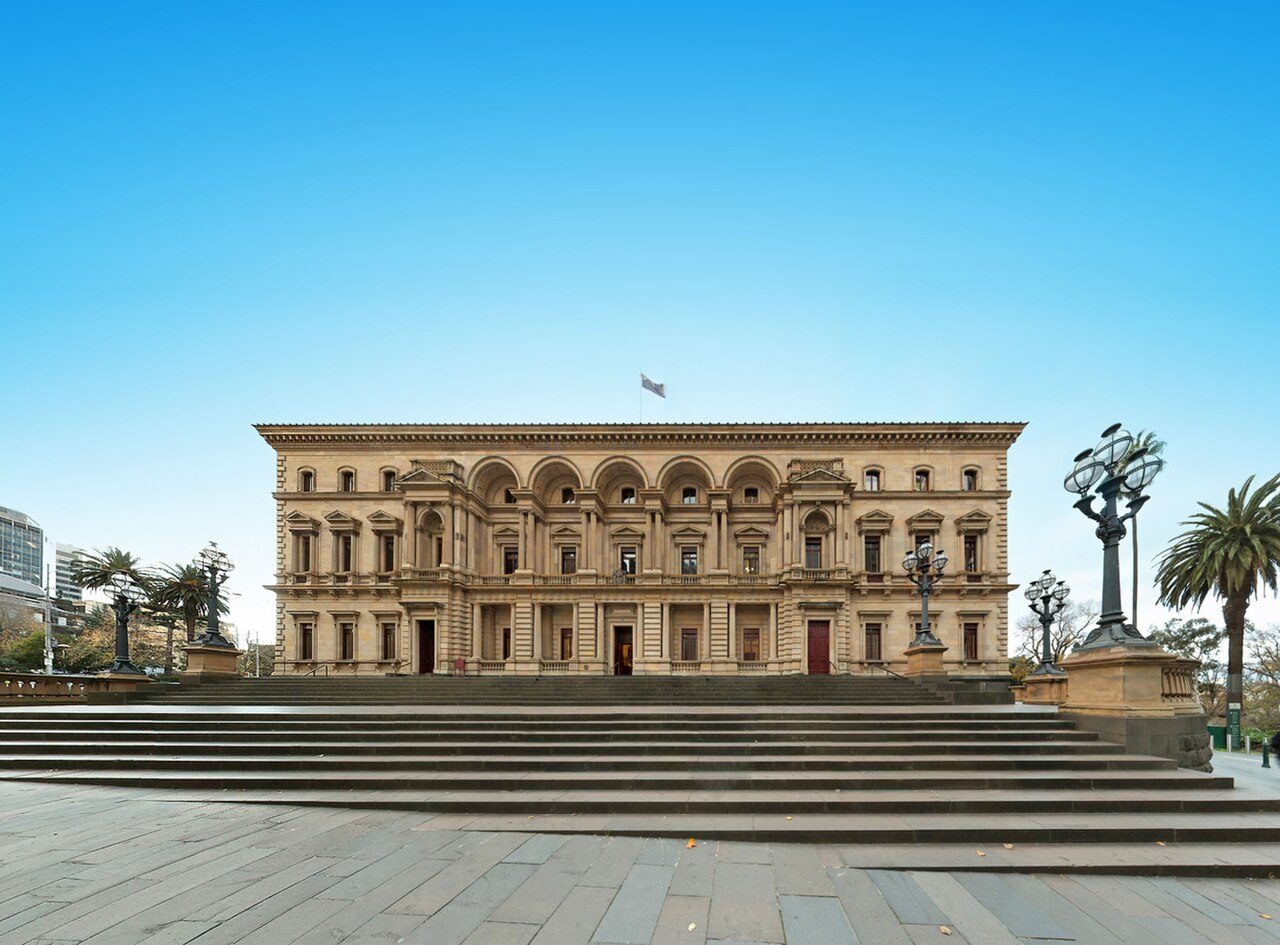
The Old Treasury Building is a significant heritage structure in Melbourne, Victoria. Constructed during the Victorian gold rush era, it stands as one of Australia's finest 19th-century public buildings. The building served as the state treasury and housed gold bullion from the Victorian goldfields. Its architectural prominence reflects Melbourne's historical wealth and colonial administrative importance. Today it functions as a museum and cultural venue, presenting exhibitions related to Victorian history and the building's own past. The structure occupies a prominent position near Parliament House in Melbourne's central city area.
Checked 2026-08-26
The Old Treasury Building contains exhibition spaces dedicated to Victorian history and the building's treasury functions. Visitors can explore the former gold vaults located in the basement, which once secured gold from the Victorian goldfields. The building preserves historical architectural features including ornate interiors and period fittings. Exhibition content addresses themes of colonial governance, economic development, and social history. The upper levels include spaces that reflect the building's original administrative purposes. Specific current exhibitions and their content should be verified through official channels prior to visiting, as displays may change periodically.
Checked 2026-08-26

A visit to the Old Treasury Building typically requires between one and two hours, depending on individual interest in historical exhibitions and architectural features. Visitors with strong interest in Victorian colonial history or heritage architecture may prefer extended time to examine displays thoroughly. The basement vaults warrant particular attention for their historical significance. Those with limited time can view principal spaces more quickly. Self-guided pacing allows flexibility according to personal schedules. Visitors should assess their own priorities regarding depth of engagement with historical content when planning time allocation.
Checked 2026-08-26
Operator-confirmed hours are Not recorded pending review. Visitors should consult official sources before planning attendance. The building's interior spaces may offer relative comfort during Melbourne's variable weather conditions, though seasonal considerations apply to any central city walking itinerary. Weekday visits may experience different conditions compared to weekends. Public holiday schedules require verification. Melbourne's climate features warm summers and cool winters; appropriate clothing for outdoor approaches should be considered regardless of season. Checking current operational status remains essential due to potential temporary changes.
Checked 2026-08-26
Operator-confirmed prices are Not recorded pending review. The Old Treasury Building may operate with free entry or may charge admission for certain exhibitions or areas. Visitors should verify current ticketing arrangements through official channels before attending. Any special exhibition fees, concession eligibility, or family rates require direct confirmation. Group booking policies, if available, should be established in advance. Payment methods accepted on site are not documented here. Visitors should carry appropriate payment options and confirm whether advance booking is recommended or required for their intended visit date.
Checked 2026-08-26

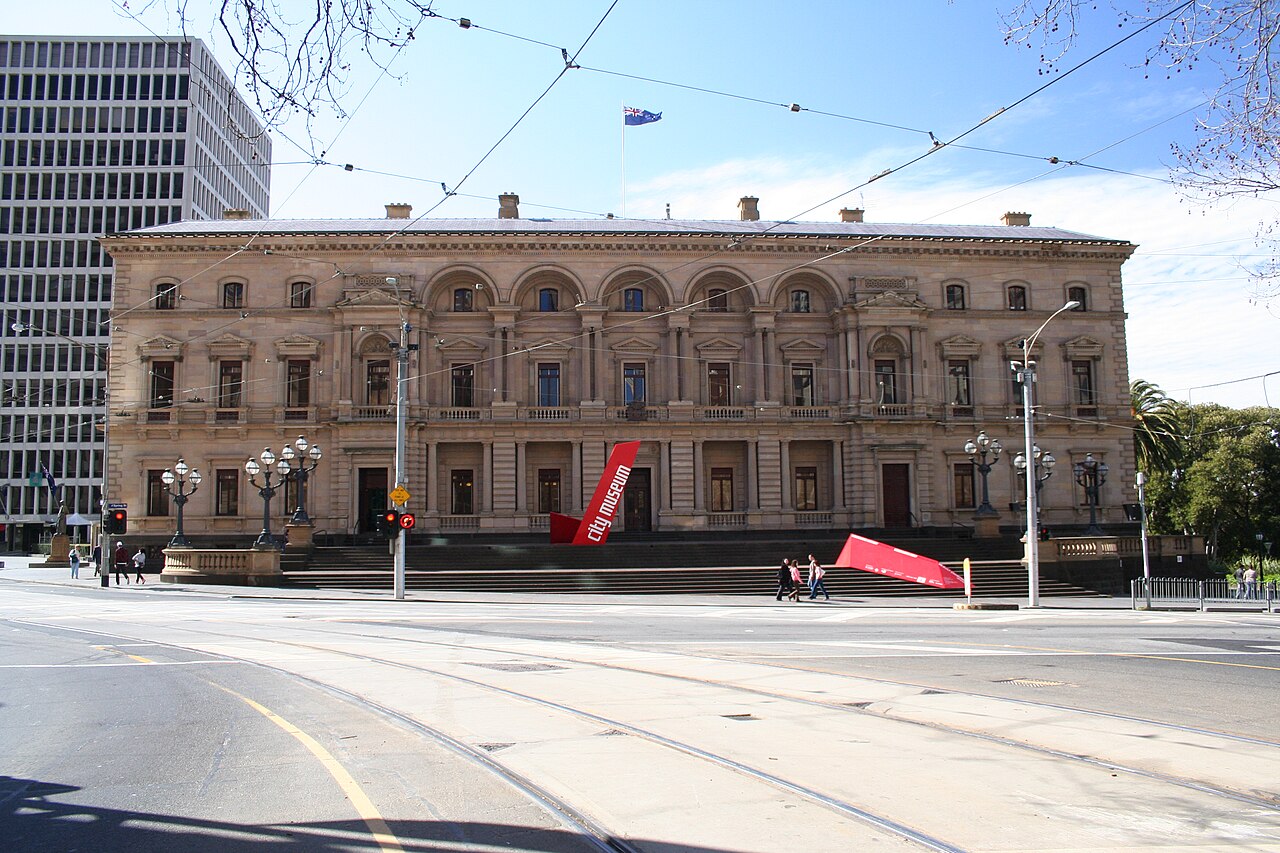
The Old Treasury Building occupies a central Melbourne location near the intersection of Spring Street and Macarthur Street, in proximity to Parliament House and the central business district. The site is accessible via Melbourne's tram network, with multiple routes serving the surrounding area. Parliament railway station on the City Loop provides nearby train access. Walking from Federation Square or Flinders Street Station is feasible for able visitors. Street parking in the central city is limited and typically metered. Visitors should consult current public transport timetables and any service disruptions before travel.
Checked 2026-08-26
Heritage buildings present accessibility considerations; the Old Treasury Building's historic construction may include stairs, narrow passages, or uneven surfaces not designed for modern accessibility standards. Visitors with mobility requirements should verify current access provisions. Basement vault areas may present particular challenges. The central city location involves street traffic and pedestrian congestion during business hours and events. Personal belongings require standard urban vigilance. Photography policies may restrict certain areas or uses. Children require supervision in historic environments. Emergency procedures and exit locations should be noted upon entry. Temporary exhibition closures or space restrictions may affect available areas.
Checked 2026-08-26

Photography policies at the Old Treasury Building are not recorded in available sources and require direct verification. Heritage institutions commonly impose restrictions on flash photography, tripod use, or filming to protect exhibits and building fabric. Some exhibition areas may prohibit photography entirely. Commercial or promotional photography typically requires advance permission. Visitors should observe posted signage and staff instructions regarding permissible photography. Respect for other visitors' experience and exhibition integrity should guide personal photography decisions. Social media sharing of any permitted images should consider appropriate attribution and any venue-specific requirements that may apply.
Checked 2026-08-26
Current operational status is not recorded. Visitors must verify opening arrangements through official sources before attending.
Operator-confirmed prices are Not recorded pending review. Fee structures require direct verification through official channels.
Trams serve the surrounding central city area, and Parliament railway station on the City Loop provides nearby train access.
The basement vaults are a noted historical feature, though specific current access requires verification at time of visit.
Heritage construction may present accessibility challenges. Visitors with mobility requirements should verify current access provisions directly.
Typically one to two hours, varying by individual interest in historical exhibitions and architectural features.
Loading the interactive map…
The interactive map could not be loaded.

Last updated:
Source: OpenStreetMap contributors, Wikidata ·