


.jpg)
.jpg)
.jpg)

36 min walk
Old Melbourne Gaol
- Must see · Heritage site
- Historic monument
Language · 1 published
Family attraction · Melbourne
Melbourne Zoological Gardens

| Monday | 09:00 – 17:00 |
|---|---|
| Tuesday | 09:00 – 17:00 |
| Wednesday | 09:00 – 17:00 |
| Thursday | 09:00 – 17:00 |
| Friday | 09:00 – 17:00 |
| Saturday | 09:00 – 17:00 |
| Sunday | 09:00 – 17:00 |
Parsed from OpenStreetMap opening hours on 2026-08-26.
Melbourne Zoo is a zoological park situated in the city of Melbourne, Victoria. Established in 1862, it holds distinction as Australia's oldest zoo and one of the world's oldest. The facility occupies extensive parkland within Royal Park, north of the central business district. It operates as a not-for-profit conservation organisation focused on wildlife preservation, education, and public engagement. The zoo participates in international breeding programs for threatened species and maintains diverse habitats representing ecosystems from across Australia and globally. Its heritage significance and ongoing conservation mission make it a notable cultural institution within Melbourne's visitor landscape.
Checked 2026-08-26
The zoo presents animal exhibits organised across bioclimatic zones including Australian bush, Asian rainforest, African savanna, and orangutan sanctuary. Notable inhabitants include native Australian wildlife such as kangaroos, koalas, and platypus alongside international species including elephants, tigers, gorillas, and butterflies in a dedicated enclosure. The Trail of the Elephants and Lion Gorge represent major exhibit investments. Interpretive signage, keeper presentations, and immersive habitat design constitute visitor experiences. Botanical collections complement animal displays. Dining outlets, picnic areas, and children's playgrounds support extended visits. Conservation messaging integrates throughout the visitor journey.
Checked 2026-08-26

Visitor duration varies substantially based on individual interests, physical capacity, and seasonal conditions. Comprehensive exploration encompassing all major exhibits, keeper talks, and rest periods typically requires a full day. Families with young children may progress more slowly due to playground engagement and reduced walking pace. Repeat visitors often focus on preferred sections rather than complete circuits. The expansive grounds necessitate considerable walking; comfortable footwear and realistic pacing improve experience quality. Visitors with limited mobility should consult accessibility provisions. Photography enthusiasts and those attending scheduled presentations should allocate additional time beyond casual touring estimates.
Checked 2026-08-26
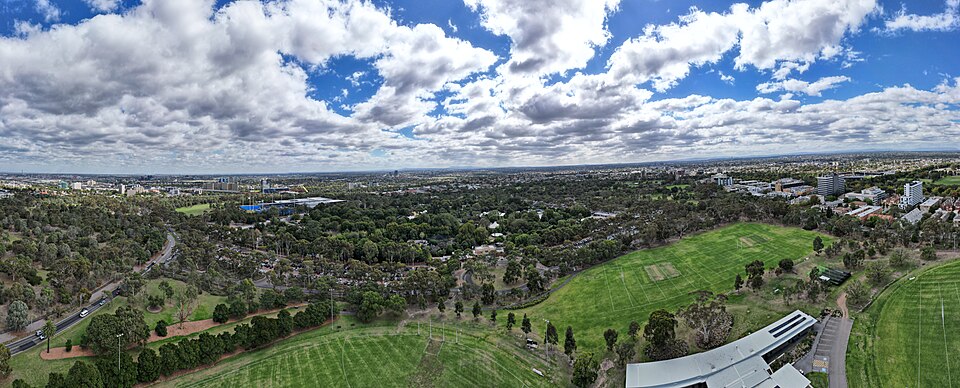
Seasonal considerations influence Melbourne Zoo visitation. Melbourne's temperate climate produces variable conditions across the year. Summer months bring warmer temperatures and school holiday crowds. Winter offers cooler conditions with reduced visitor numbers. Spring and autumn present moderate conditions potentially favourable for animal activity and visitor comfort. Rainfall occurs throughout the year; wet weather gear proves advisable. Animal visibility fluctuates with temperature and time of day. Operator-confirmed hours are Not recorded pending review. Visitors should consult official channels for current opening schedules, seasonal variations, and any temporary closures before planning their attendance.
Checked 2026-08-26
Melbourne Zoo operates as a ticketed attraction requiring paid admission for entry. Various ticket categories typically apply including adult, child, concession, and family combinations. Membership programs and reciprocal arrangements with other zoos may exist. Online advance purchase and on-site sales represent standard acquisition channels. Special event pricing, group rates, and educational program fees may supplement general admission. Operator-confirmed prices are Not recorded pending review. Visitors must verify current pricing structures, available concessions, and booking requirements through official zoo communications. Budgeting should incorporate ancillary costs including parking, food, beverages, and optional experiences not covered by base admission.
Checked 2026-08-26

Melbourne Zoo occupies Royal Park with primary access via Elliott Avenue, Parkville. Public transport connectivity includes tram routes servicing surrounding areas; walking connections from nearby stops apply. Train access involves stations requiring onward connection. Private vehicle access encounters parking provisions with associated fees and demand fluctuations. Cycling infrastructure includes shared paths through parklands. The zoo's location north of central Melbourne positions it within moderate distance of the CBD. Visitors should consult current public transport timetables and road conditions for journey planning. Accessibility requirements merit advance verification regarding transport modes and on-site mobility provisions.
Checked 2026-08-26

Visitor vigilance should address several practical considerations. Melbourne's variable weather necessitates layered clothing and sun protection regardless of season. The extensive grounds involve substantial walking on mixed surfaces; appropriate footwear reduces fatigue and injury risk. Animal welfare protocols prohibit feeding or disturbing inhabitants. Supervision of children remains essential near water features, elevated walkways, and animal barriers. Peak visitation periods generate congestion at popular exhibits and facilities. Wildlife encounters within the parkland setting may include native birds and insects. Hydration and rest breaks support visitor wellbeing during extended exploration. Personal belongings require securing against opportunistic loss.
Checked 2026-08-26

Photography for personal use is generally accommodated throughout Melbourne Zoo. Animal exhibits present variable conditions for image capture including distance, barrier interference, lighting contrasts between shaded habitats and open areas, and animal movement. Flash photography may disturb sensitive species; signage indicates restrictions. Commercial, promotional, or professional photography typically requires advance arrangement and possible permitting. Drone operation is prohibited. Visitors should respect other guests' viewing opportunities when positioning for photographs. Tripod and monopod use may encounter practical constraints in crowded conditions. Sharing images on social media should observe any posted guidelines regarding animal welfare messaging and accurate representation.
Checked 2026-08-26
The zoo provides family-oriented infrastructure including playgrounds, interactive elements, and diverse animal species appealing to children. Extensive walking requirements may challenge younger visitors; strollers are advisable. Facilities support family needs including changing amenities and food outlets.
Personal food and beverages are generally permitted for consumption in designated picnic areas. Commercial catering outlets operate on-site. Visitors should observe waste disposal requirements and restrictions regarding feeding animals. Alcohol policies should be verified with operator guidance.
The zoo maintains pathways and facilities designed for accessibility, though heritage terrain and expansive grounds present inherent challenges. Wheelchair and mobility scooter hire may be available. Specific accessibility requirements should be confirmed directly with the operator before visiting.
The zoo functions within a not-for-profit conservation framework, participating in threatened species breeding programs, habitat restoration, and public education. Visitor admission contributes partially to these activities. Specific program details are available through official conservation communications.
On-site ticket purchase is typically available subject to capacity management. Advance online booking may be recommended during peak periods or special events. Current purchase options and any booking requirements should be verified through official channels before visiting.
Outdoor animal exhibits and visitor areas remain exposed to Melbourne's variable conditions. Some animals may retreat from public view in temperature extremes. Indoor exhibits and sheltered spaces provide partial refuge. Closure decisions in severe conditions would be communicated through official channels.
Loading the interactive map…
The interactive map could not be loaded.


Last updated:
Source: OpenStreetMap contributors, Wikidata ·