South Australian Museum
The South Australian Museum is a major natural history and cultural institution in Adelaide. It occupies a prominent position on North Terrace in the cultural precinct.
- Must see
- Museum
Language · 11 published
City guide · Australia
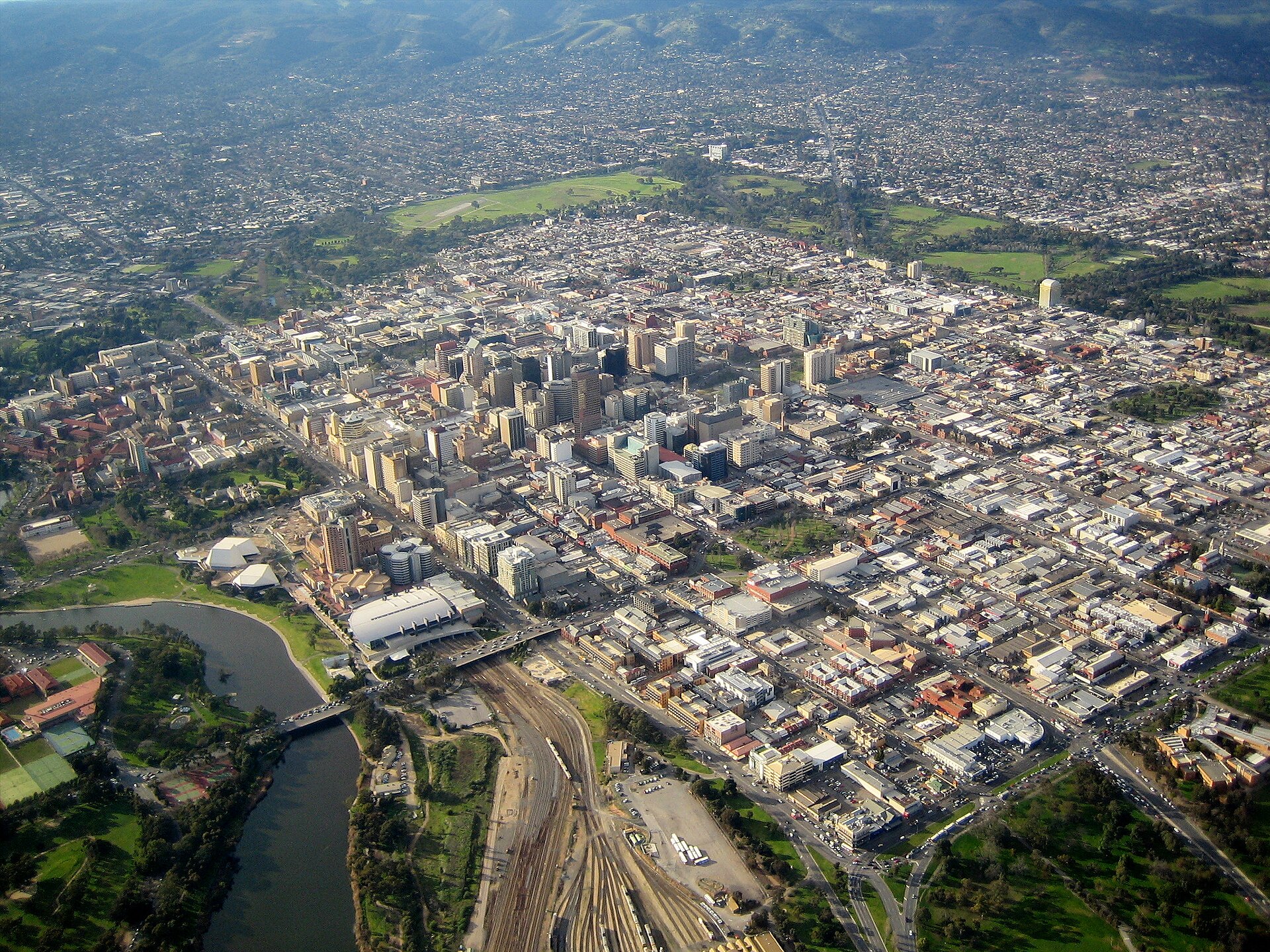
Adelaide's visitor core sits inside the Park Lands, with Central Market, Victoria Square, North Terrace and the river close enough to combine without repeated transport. North Adelaide lies beyond the river, while Glenelg is a coastal destination reached on its own corridor. The Adelaide Hills and wine districts are regional excursions, not extensions of a short museum day in the centre.
Set your days, your pace and the hours you actually want to be out. The planner works around closing days and travel time, and leaves room to eat.
Ranked by importance — sitelinks, pageviews and heritage status, not editor preference.
50 places match
Category
Typical visit duration
Interests
The South Australian Museum is a major natural history and cultural institution in Adelaide. It occupies a prominent position on North Terrace in the cultural precinct.
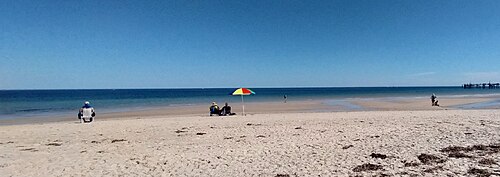
Glenelg Beach is Adelaide's best-known metropolitan beach precinct, centred on the sand, Glenelg Jetty, Moseley Square and the western end of Jetty Road.
Adelaide Oval is a major sports stadium located in the parklands district of Adelaide, South Australia. It serves as a venue for Australian rules football, cricket, and other events.
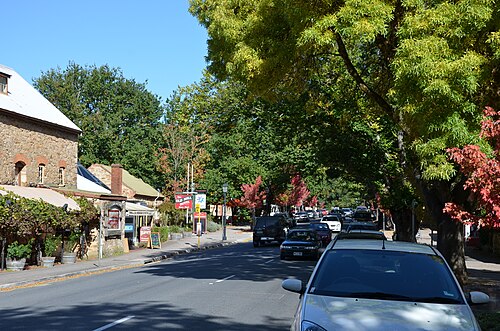
Hahndorf is a township in the Adelaide Hills region of South Australia, approximately 28 kilometres east of Adelaide's central business district. Established in 1839 by Prussian Lutheran immigrants, it holds distinction as Australia's oldest surviving German settlement.
Adelaide Zoo is a zoological garden in Adelaide, South Australia. Established in 1883, it is Australia's second oldest zoo and occupies land near the River Torrens.
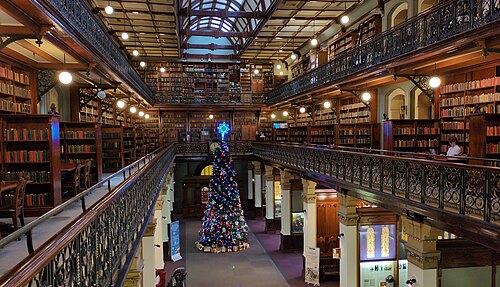
The Mortlock Wing is a heritage-listed reading room and exhibition space within the State Library of South Australia on North Terrace in Adelaide.
North Terrace is a premier boulevard in Adelaide, South Australia, forming the northern edge of the Adelaide city centre grid. It functions as a significant cultural precinct, hosting major state institutions along its length.
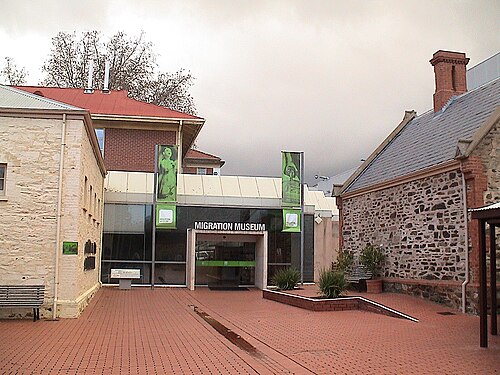
The Migration Museum in Adelaide is a cultural institution dedicated to documenting and sharing the stories of people who have migrated to South Australia. It explores themes of displacement, settlement, identity, and belonging through personal narratives and historical records.
MOD. at UniSA is a futuristic museum and gallery operated by the University of South Australia on its North Terrace campus in Adelaide.
The Adelaide Festival Centre is South Australia's principal performing arts venue and the heart of Adelaide's cultural precinct. Located on the banks of the River Torrens, it was Australia's first multi-purpose arts centre when established.
Adelaide Town Hall is a working civic and cultural landmark at 128 King William Street in central Adelaide. The operator states that the building is open to the public from 9:00 am to 5:00 pm Monday to Friday.
Tandanya National Aboriginal Cultural Institute stands as a dedicated Aboriginal cultural centre in Adelaide, South Australia. The institution serves as a gallery and performance space focused on promoting contemporary and traditional Aboriginal and Torres Strait Islander arts and culture.
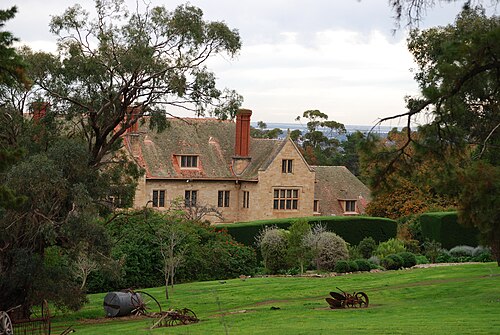
Carrick Hill is a historic house and garden estate located in Adelaide, South Australia.
Waite Arboretum is a botanical collection situated in Adelaide's southern suburbs, within the grounds of the University of Adelaide's Waite Campus at Urrbrae. The arboretum occupies land bequeathed through the Waite Agricultural Research Institute legacy.
Bay Discovery Centre is a cultural venue located in Adelaide, South Australia. The centre occupies a heritage building at Glenelg, the historic beachside suburb of Adelaide.
The South Australian Maritime Museum is a cultural institution in Adelaide dedicated to the maritime heritage of South Australia.
The National Railway Museum is a railway heritage museum located in the Adelaide metropolitan area of South Australia. It preserves and displays Australia's railway history through locomotives, carriages, and associated artefacts.
The South Australian Aviation Museum is a heritage aviation museum located within the Adelaide Park Lands. It preserves and displays aircraft and aviation artifacts significant to South Australia's aerospace history.
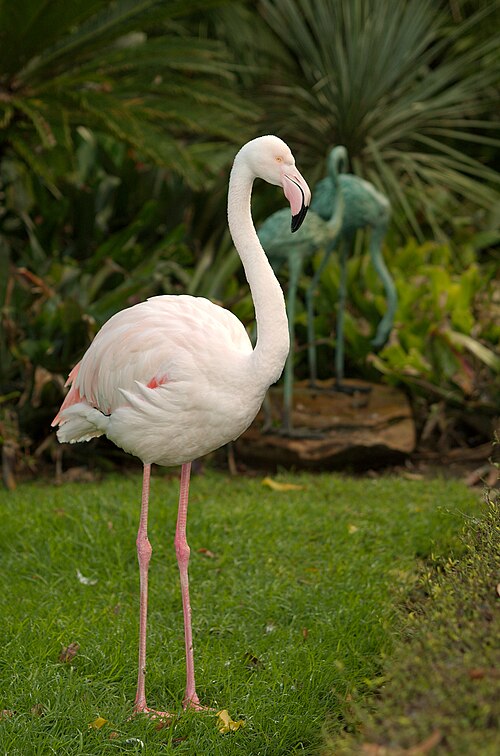
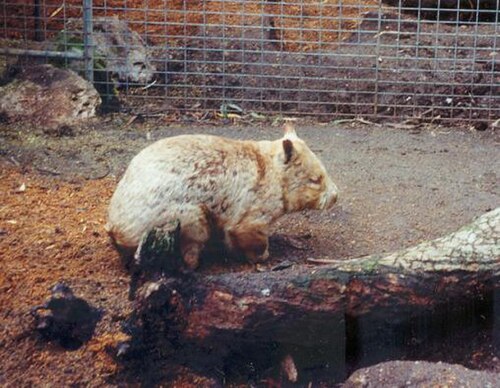
Gorge Wildlife Park is a wildlife attraction in the Adelaide region. The facility houses native Australian animals and some exotic species for visitor viewing and interaction.
Source: OpenStreetMap contributors, Wikidata ·
Build a central day along the line from Central Market through Victoria Square to North Terrace, adding the riverbank when museum time allows. North Adelaide can follow the river cluster, but Glenelg deserves a separate coastal block. Reserve a different day for the Adelaide Hills or a wine region so the outward and return journey does not consume the city programme.
Checked 2026-08-26
Walking covers the central market, civic and North Terrace sequence, while Adelaide Metro buses, trains and trams connect the centre with North Adelaide, Glenelg and other suburbs. Choose the stop serving the intended precinct before setting out, because a route that crosses the Park Lands may be less direct than it appears. Check Adelaide Metro notices and the return service for coastal or regional connections on the travel day.
Checked 2026-08-26
No official city-wide stay length is recorded. Allocate time first to Central Market, North Terrace and the river, then add Glenelg or North Adelaide as separate precincts. A Hills or wine-region excursion needs its own transport window.
Use North Terrace as the cultural spine and connect it to Victoria Square, Central Market and the riverbank. Visit Glenelg as a coastal outing rather than crossing back and forth between it and central museums.
Walk through the central grid and use Adelaide Metro's bus, train or tram network when crossing the Park Lands or travelling to the coast. Confirm the relevant route and service notice through the official transport source.
The market, civic centre, North Terrace and river can be covered in connected walks. North Adelaide, Glenelg and the outer park or hill destinations require a deliberate public-transport leg rather than a continuous pedestrian circuit.
Set aside separate travel blocks for Glenelg, the Adelaide Hills and any wine district. Check the last practical return connection before departure, especially when the day ends outside the metropolitan core.