.jpg)
2 min walk
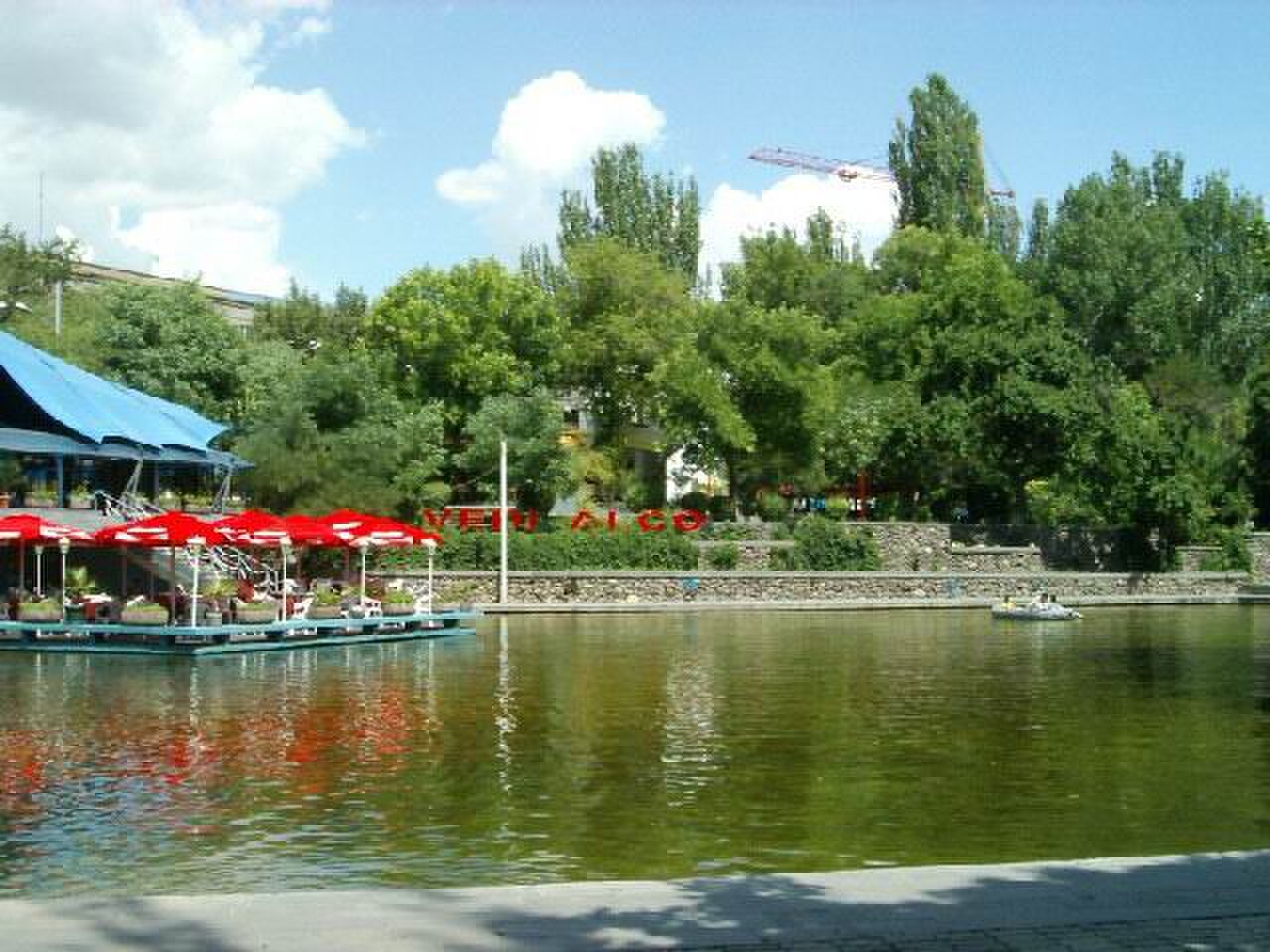
Circular Park
- High
- Nature site
Language · 11 published
Place of worship · Yerevan
Սուրբ Գրիգոր Լուսավորիչ եկեղեցի
Read from the OpenStreetMap access tags; anything not listed has no tag recorded.
Set the group type to family in the planner and the day window contracts to about three quarters of a solo day.
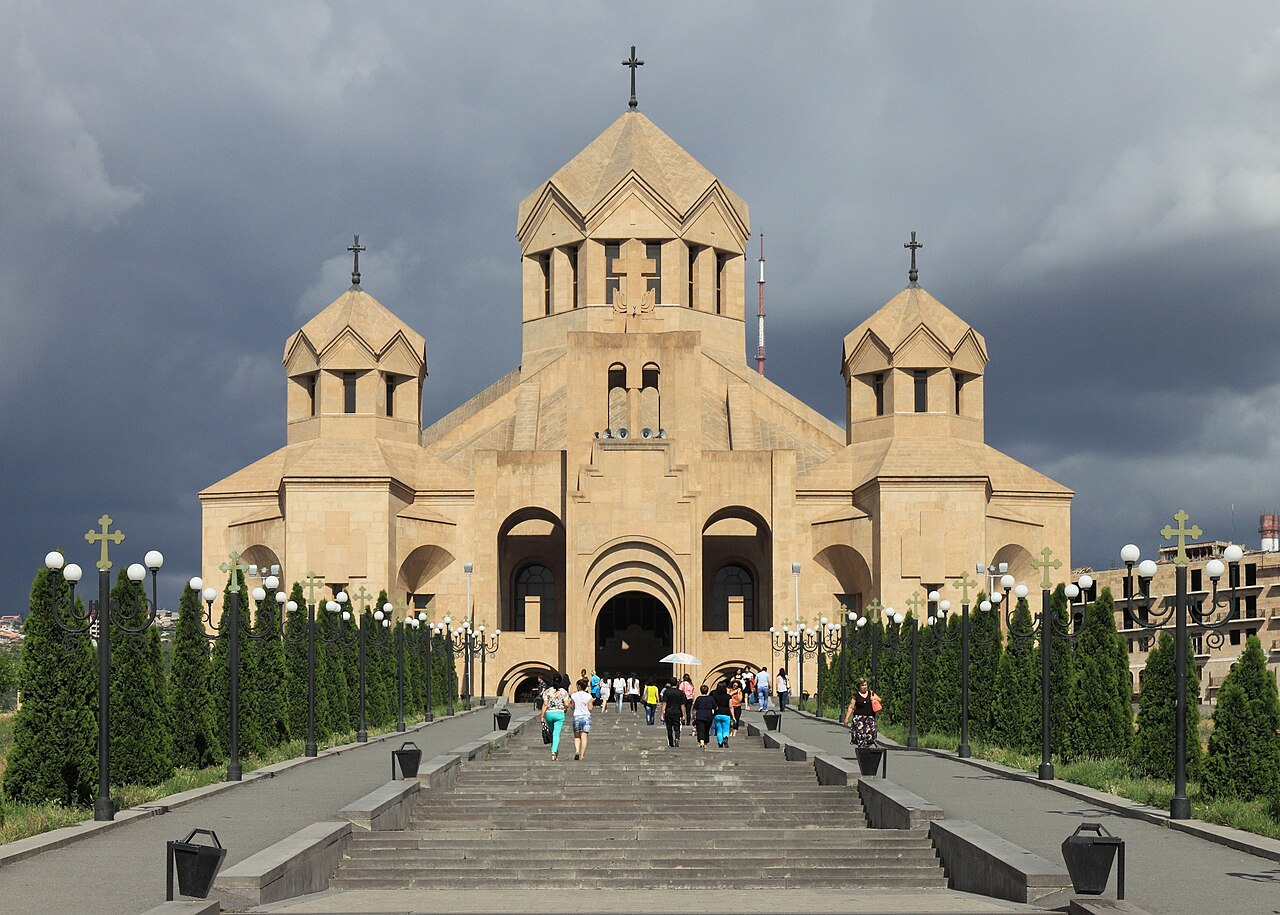
Saint Gregory the Illuminator Cathedral is the largest Armenian Apostolic cathedral in the world and an active place of worship in central Yerevan. Completed in 2001, it commemorates 1,700 years since Armenia adopted Christianity as its state religion. The cathedral’s prominent dome and pale stone create a strong urban landmark, while the surrounding complex provides space to appreciate the building from several angles. It represents modern Armenian ecclesiastical architecture connected to a much older national religious tradition. Saint Gregory the Illuminator Cathedral is the largest Armenian Apostolic cathedral in the world and the seat of the Diocese of Ararat. Completed in 2001, it commemorates the 1700th anniversary of Armenia's adoption of Christianity as a state religion. The cathedral complex occupies a prominent position in central Yerevan. Its construction was funded through donations from the Armenian diaspora, particularly from businessman Kirk Kerkorian. The building represents a significant symbol of national religious identity and post-Soviet spiritual revival in Armenia. Yes, respectful visitors of all backgrounds may generally enter, though active services take precedence and access to certain areas may be restricted during religious ceremonies.
Checked 2026-08-26 · Source
Inside, the cathedral centres on a large sanctuary beneath the main dome and includes several chapels and subsidiary structures. Religious services follow Armenian Apostolic traditions, and the interior functions as a living church rather than a museum display. Notice the scale of the congregational space, the dome and the ecclesiastical details that connect the contemporary building with Armenian church design. During worship, the rhythm of the service takes priority, so visitors should observe quietly and remain clear of devotional activity.
Checked 2026-08-26 · Source
Allow thirty to sixty minutes for the cathedral, including time to view the exterior, walk through the surrounding plaza and spend a short period inside. Add more time if you attend a service or want to study the architecture from different viewpoints. The open space around the building makes the visit feel less compressed than an interior-only stop. It fits well into a Kentron walking route linking central streets, other churches and the city’s principal cultural landmarks.
Checked 2026-08-26 · Source
Morning often offers a calmer opportunity for exterior viewing and quiet interior observation. Sundays and feast days can bring stronger congregational activity because the cathedral is an active church. Spring and autumn are comfortable for spending time in the plaza, while Yerevan’s hot summer sun makes shade and water valuable during an extended outdoor visit. Winter can make the stone plaza slippery. For photography, late afternoon and twilight bring changing light across the dome and pale exterior walls.
Checked 2026-08-26 · Source
The cathedral is a religious destination rather than a ticketed museum, so visitors come primarily for worship, architecture and quiet reflection. Donations may form part of the church experience. If a ceremony is underway, the congregation’s needs take precedence over sightseeing. A respectful visit does not require a long schedule: the exterior, plaza and interior can be experienced in under an hour. Combine it with nearby central Yerevan sights for a fuller day rather than treating it as an isolated excursion.
Checked 2026-08-26 · Source
The cathedral stands in central Yerevan’s Kentron district and is easy to use as a visual navigation landmark because of its size and distinctive dome. Metro stations, buses and marshrutka minibuses serve the central area, while taxis and ride-hailing services operate across the capital. Walking from Republic Square or other central attractions is practical for visitors staying in the centre. The surrounding plaza provides a clear arrival point before you enter or circle the building for exterior views.
Checked 2026-08-26 · Source
Dress modestly, covering shoulders and knees, and keep your voice low inside. Services, processions and other congregational activity can restrict movement or photography without warning. The plaza has limited shade in summer, while winter weather can make paving slippery. Large religious observances draw crowds and may reduce the space available for individual viewing. Remember that this is a working cathedral: avoid interrupting prayers, keep away from ceremonial areas and let worshippers move through the building undisturbed.
Checked 2026-08-26 · Source
The cathedral’s dome, pale stone exterior and broad plaza provide the strongest photographic subjects. Walk around the complex to frame the full building, then try a lower viewpoint to emphasise the vertical scale. Late-day light and twilight give the exterior a warmer character. Inside, keep photography discreet and disable flash, particularly during services. A tripod can be useful in the open plaza when it does not obstruct people. Distant elevated viewpoints can place the cathedral within Yerevan’s wider cityscape.
Checked 2026-08-26 · Source
Respectful visitors of different backgrounds can experience the cathedral, provided that worship, clergy instructions and the quiet atmosphere of the active church are respected.
Wear modest clothing that covers the shoulders and knees, and maintain quiet, respectful behaviour inside the cathedral.
Thirty to sixty minutes is enough for the exterior, plaza and a brief interior visit; attending worship requires additional time.
The cathedral functions as an active Armenian Apostolic church, so religious services form part of its regular life and visitors must follow congregational customs.
Completed in 2001, it commemorates 1,700 years since Armenia adopted Christianity as its state religion and expresses modern Armenian religious identity.
This cathedral is a contemporary building completed in 2001, while older Armenian churches preserve medieval or earlier architectural heritage; both belong to the Armenian Apostolic tradition.
Loading the interactive map…
The interactive map could not be loaded.


Last updated:
Source: OpenStreetMap contributors, Wikidata ·