.jpg)


1 min walk
Millennium Park
- Must see
- Nature site
Language · 1 published
Art and culture venue · Chicago
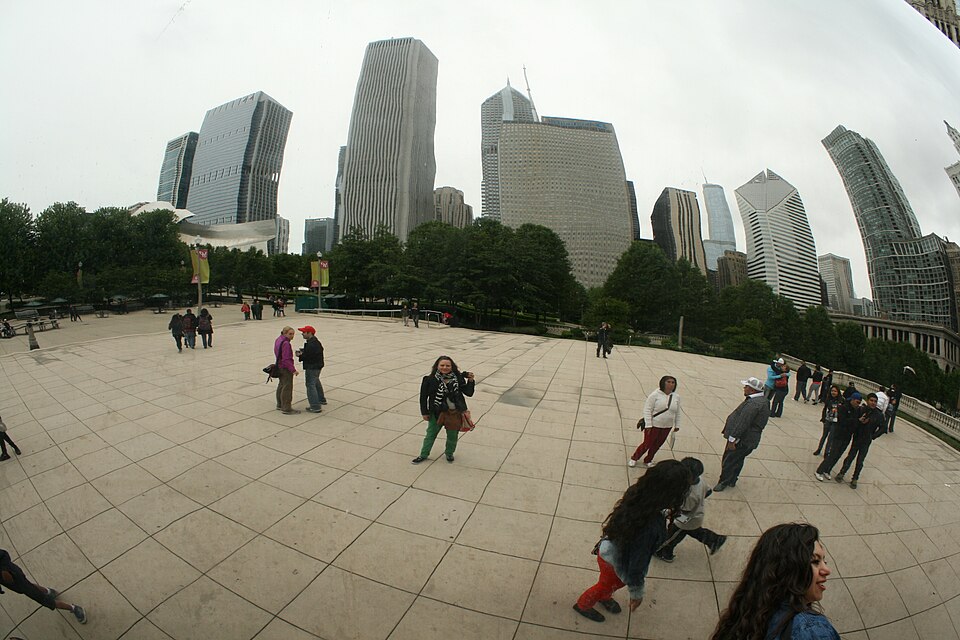
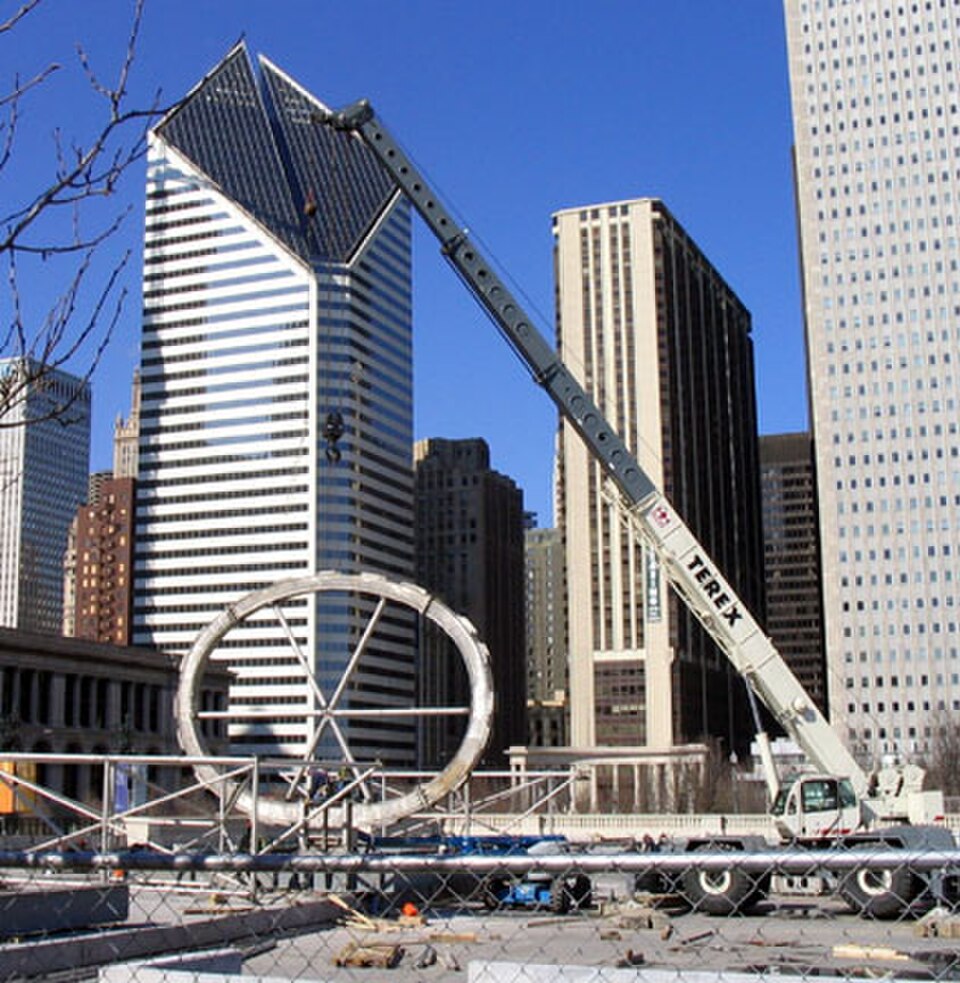
Cloud Gate is a public sculpture by British artist Anish Kapoor, installed in Millennium Park in Chicago. The stainless steel artwork, completed in 2006, features a highly polished surface that reflects and distorts the surrounding skyline and visitors who approach it. Its distinctive bean-like shape has made it one of the most recognizable landmarks in Chicago. The sculpture measures approximately 33 by 66 by 42 feet and weighs 110 tons. It sits upon an elliptical plaza with a surrounding granite wall that visitors can use for seating.
Checked 2026-08-26
Cloud Gate is a solid sculpture with no interior accessible to the public. Its seamless, curved underside creates a concave chamber known as the omphalos, where visitors can walk beneath and experience distorted reflections from multiple angles. The sculpture's surface consists of 168 stainless steel plates welded together and polished to remove visible seams. The reflective quality creates an ever-changing visual experience depending on light conditions, viewer position, and surrounding activity. The omphalos area provides a unique perspective of the sky and reflected architecture above.
Checked 2026-08-26
Most visitors spend approximately 15 to 30 minutes at Cloud Gate, though duration varies considerably based on crowd levels and personal interest. Photography enthusiasts and those seeking optimal selfie conditions may stay longer, particularly during periods of favorable lighting. The experience is entirely self-directed without guided tours or timed entry. Visitors typically combine their stop at Cloud Gate with exploration of broader Millennium Park, which contains additional attractions, gardens, and performance spaces. Early morning or late evening visits may offer more contemplative experiences with fewer visitors present.
Checked 2026-08-26
Cloud Gate is an outdoor sculpture accessible year-round during park hours, though specific operator-confirmed hours are Not recorded pending review. The sculpture presents different qualities across seasons: summer brings dense crowds and vibrant reflections of greenery; autumn offers colorful surrounding foliage; winter may present the artwork against snow with possible ice considerations on surfaces; spring provides generally mild conditions. Sunrise and sunset create particularly dramatic reflective effects on the polished surface. Visitors should anticipate significantly larger crowds during weekends, holiday periods, and summer tourist season.
Checked 2026-08-26

Cloud Gate is free to visit as a public artwork within Millennium Park. No admission fee is required for viewing or photographing the sculpture. Specific operator-confirmed prices for any potential guided experiences or associated programs are Not recorded pending review. Visitors should be aware that while the sculpture itself imposes no cost, expenses may arise from transportation to the site, parking in downtown Chicago, food and beverage purchases, or adjacent paid attractions. Millennium Park hosts free concerts and events during summer months at the nearby Jay Pritzker Pavilion.
Checked 2026-08-26
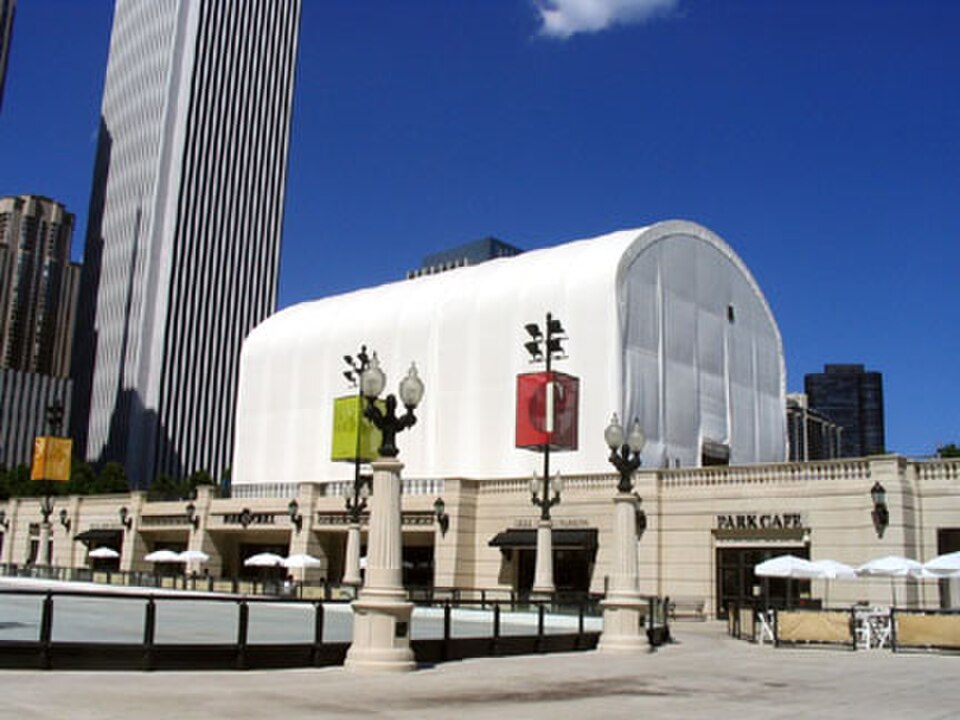
Cloud Gate occupies the AT&T Plaza in Millennium Park, located in Chicago's Loop community area along Michigan Avenue. The park sits between Randolph Street to the north, Monroe Street to the south, Michigan Avenue to the west, and Columbus Drive to the east. Multiple Chicago Transit Authority bus routes serve the area, and several elevated train lines converge at nearby stations including Washington/Wabash and Monroe. Visitors arriving by car should research parking options in advance, as downtown parking rates vary considerably. The location is walkable from numerous downtown hotels and attractions.
Checked 2026-08-26
The polished surface becomes slippery when wet, requiring caution during and after precipitation. Summer crowds can become extremely dense, particularly at midday, potentially creating uncomfortable conditions and extended waits for photographs. The reflective steel intensifies sun exposure; visitors should consider sun protection. Winter visitors should exercise care regarding possible ice formation. The sculpture's popularity makes it a persistent target for pickpockets and distraction theft; visitors should secure belongings. Surrounding plaza surfaces may present tripping hazards. The artwork undergoes periodic cleaning and maintenance, during which access may be partially restricted without advance notice.
Checked 2026-08-26
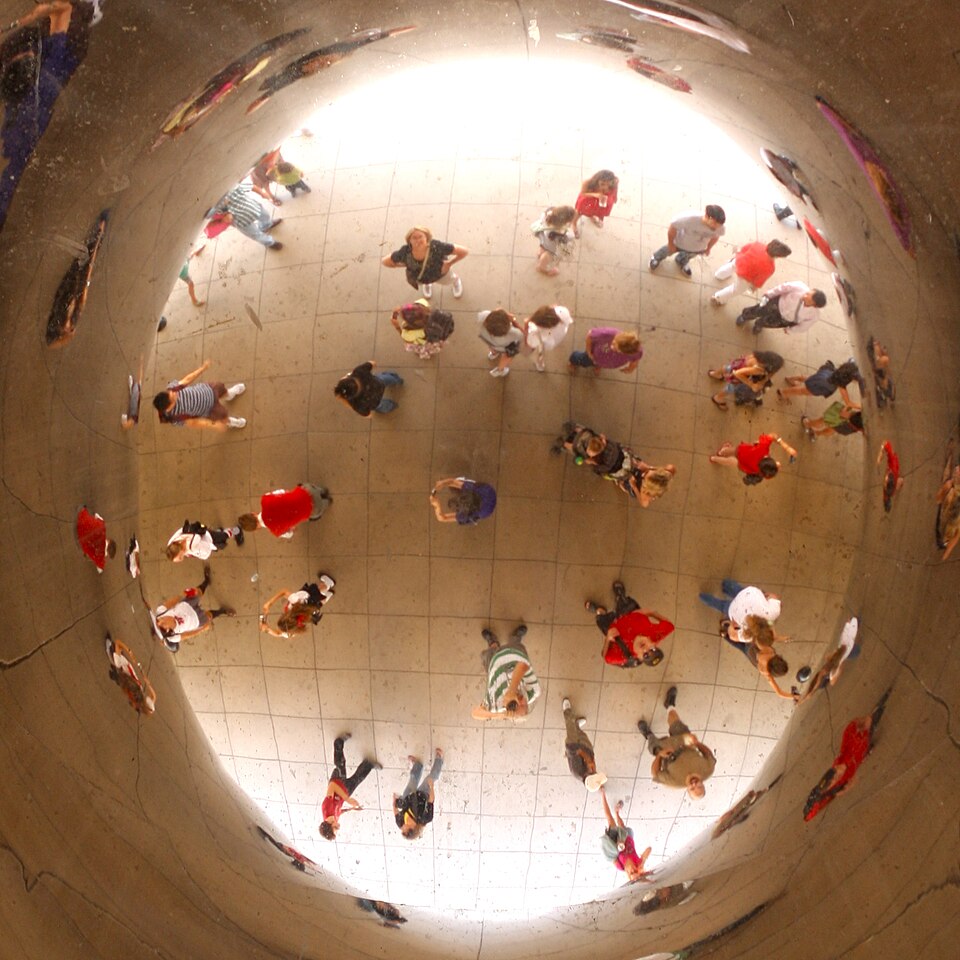
Cloud Gate is among the most photographed attractions in Chicago, with its reflective surface enabling creative composition opportunities. The sculpture's curvature produces distinctive distorted self-portraits and skyline reflections. Wide-angle lenses accommodate the full structure and surrounding context. Morning light typically yields clearer skyline reflections with less direct glare. Night photography captures illuminated surrounding buildings reflected in the surface. Visitors should remain patient and courteous when crowds gather at optimal vantage points. Tripod use may attract security attention in the park. The underside omphalos offers unique framing possibilities looking upward toward the converging reflective surfaces.
Checked 2026-08-26
No, Cloud Gate is free to visit as a public artwork in Millennium Park.
No, the sculpture is solid stainless steel. Visitors can walk beneath its curved underside in the omphalos area.
Early morning and late evening typically offer favorable light, clearer reflections, and reduced crowds, though conditions vary.
Yes, it remains outdoors year-round, though visitors should exercise caution regarding slippery surfaces and possible ice formation.
Multiple CTA bus routes and elevated train lines serve nearby stations including Washington/Wabash and Monroe in downtown Chicago.
Specific operator-confirmed tour availability is Not recorded pending review. The experience is typically self-directed.
Loading the interactive map…
The interactive map could not be loaded.
Last updated:
Source: OpenStreetMap contributors, Wikidata ·