

,_November_1975.jpg)
.jpg)

.JPG)
25 min walk
Holy Cross Chapel
- Notable
- Place of worship
Language · 1 published
Nature site · Boston
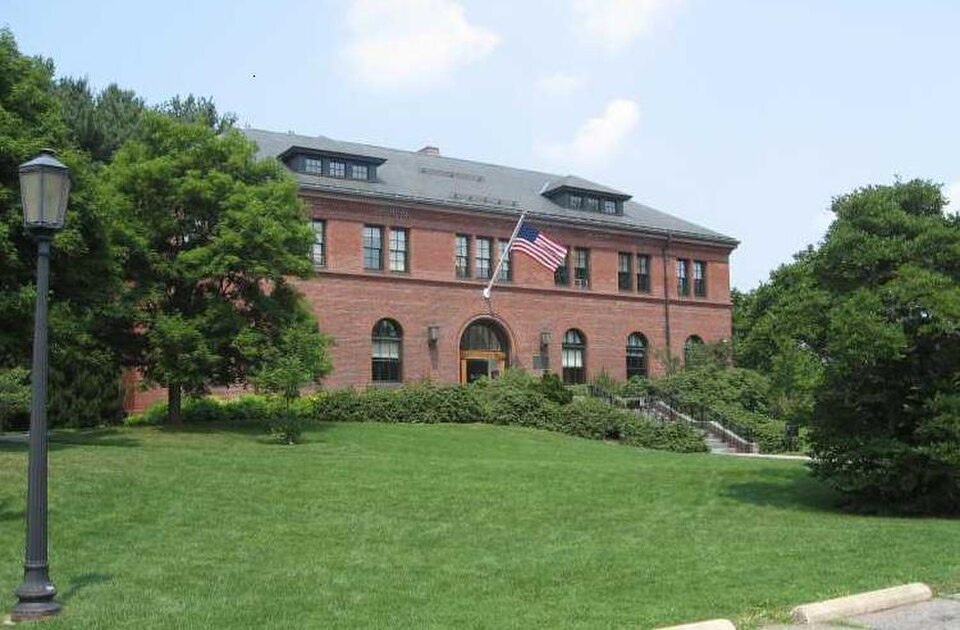
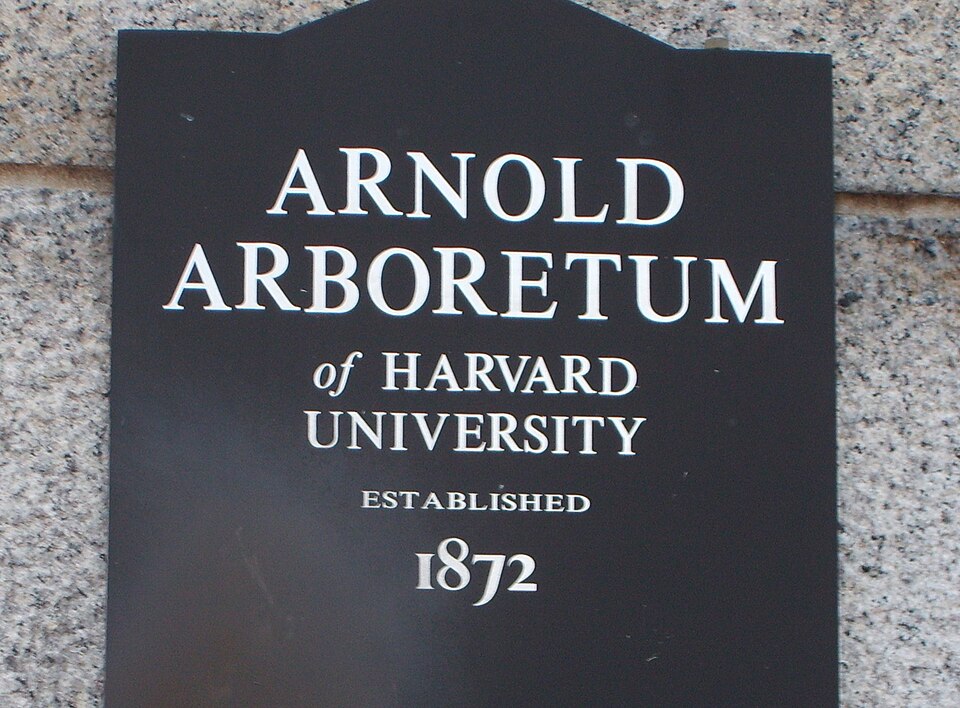
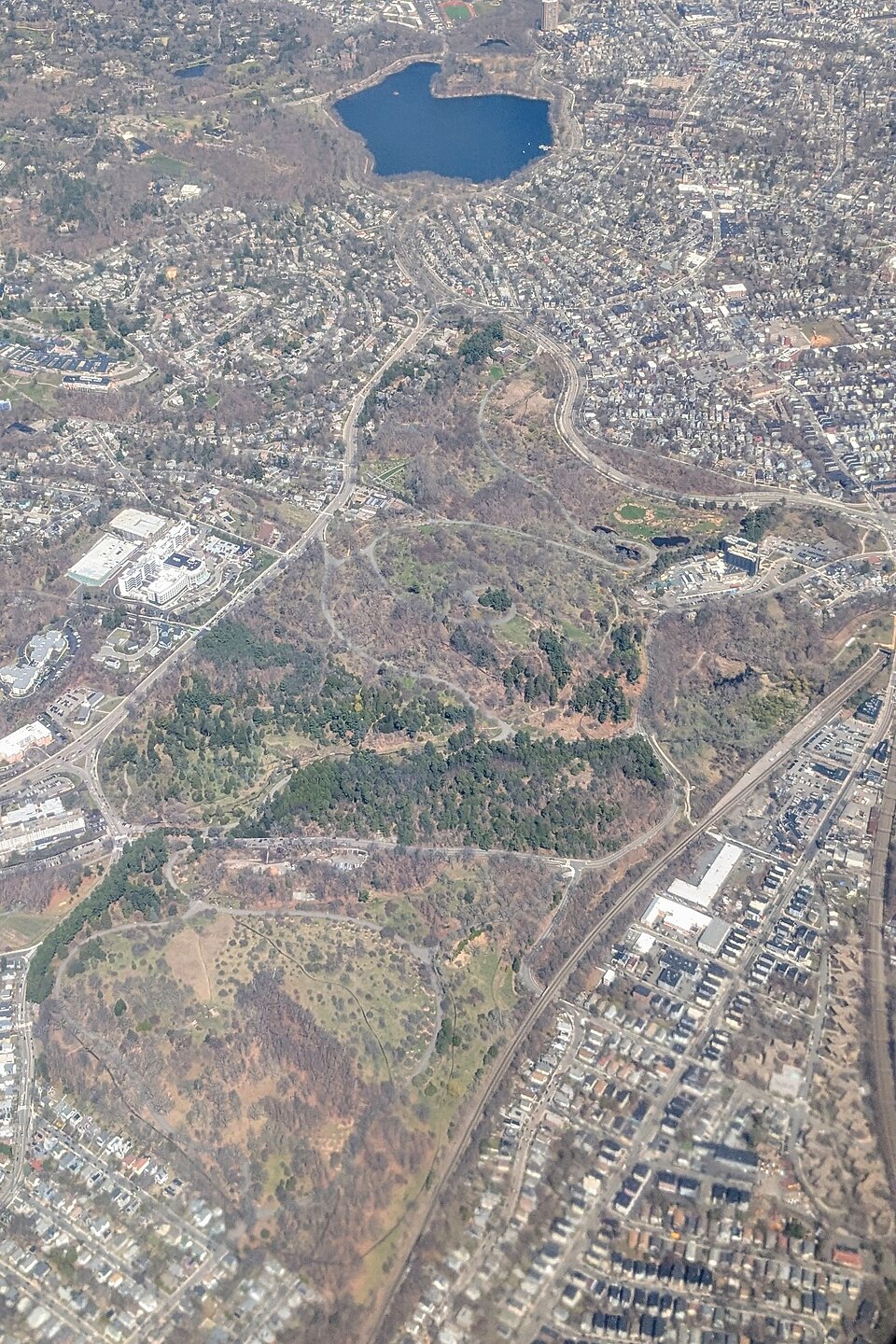
Arnold Arboretum is a botanical research institution and public park in Boston, Massachusetts. Established in 1872, it serves as Harvard University's living collection of woody plants. The arboretum occupies a significant portion of the Emerald Necklace park system designed by Frederick Law Olmsted. It functions simultaneously as a scientific research facility, educational resource, and freely accessible landscape for public enjoyment. The property is managed by Harvard University in partnership with the City of Boston under a unique arrangement dating to its founding. Arnold Arboretum also earns time in a boston itinerary because Harvard's globally important botanical collection and landscape; exact identity match. Its value becomes clearer when the stop is compared with the surrounding streets and the other ranked places nearby.
Checked 2026-08-26
The arboretum contains a comprehensive collection of temperate woody plants from around the world. Its living collections are organized by taxonomic group and geographic origin, featuring extensive holdings of maples, oaks, conifers, lilacs, and azaleas. Notable landscape features include meadow areas, hillside topography, and curated plant groupings. The Weld Hill Research Building supports scientific study. Seasonal displays include spring flowering trees and shrubs, summer greenery, autumn foliage coloration, and winter bark and branch structure. Herbarium specimens and historical records supplement the living collections.
Checked 2026-08-26
Visitor duration varies considerably by interest and season. Casual walkers traversing main paths may spend one to two hours. Those engaging with specific plant collections, participating in guided experiences, or pursuing photography typically allocate half a day. Researchers and dedicated horticultural enthusiasts may visit repeatedly across seasons to observe phenological changes. The expansive grounds reward return visits as different collections reach peak interest throughout the growing season. Winter visits offer distinct atmospheric and botanical experiences despite reduced activity. No prescribed route or mandatory checkpoints govern visitor movement.
Checked 2026-08-26

The arboretum operates as an outdoor landscape accessible during daylight hours throughout the year. Specific seasonal conditions affect visitor experience: spring brings flowering displays, summer offers full foliar development, autumn provides color change, and winter reveals structural plant forms. Weather conditions influence path accessibility and comfort. Operator-confirmed hours are Not recorded pending review. Visitors should verify current access conditions before traveling, as special circumstances or maintenance activities may affect availability. Dawn and dusk periods offer particular atmospheric qualities for observation and photography.
Checked 2026-08-26
The Arnold Arboretum has historically operated as a free public institution without admission charges for general landscape access. Certain programs, tours, or special events may involve separate arrangements. Operator-confirmed prices are Not recorded pending review. Visitors should consult official sources for any current fee structures or donation requests. The institutional mission emphasizes public access to botanical collections and landscape experience. Harvard University sponsorship supports core operations. Voluntary contributions or membership programs may exist to supplement institutional funding, though specific details require verification through current official communications.
Checked 2026-08-26
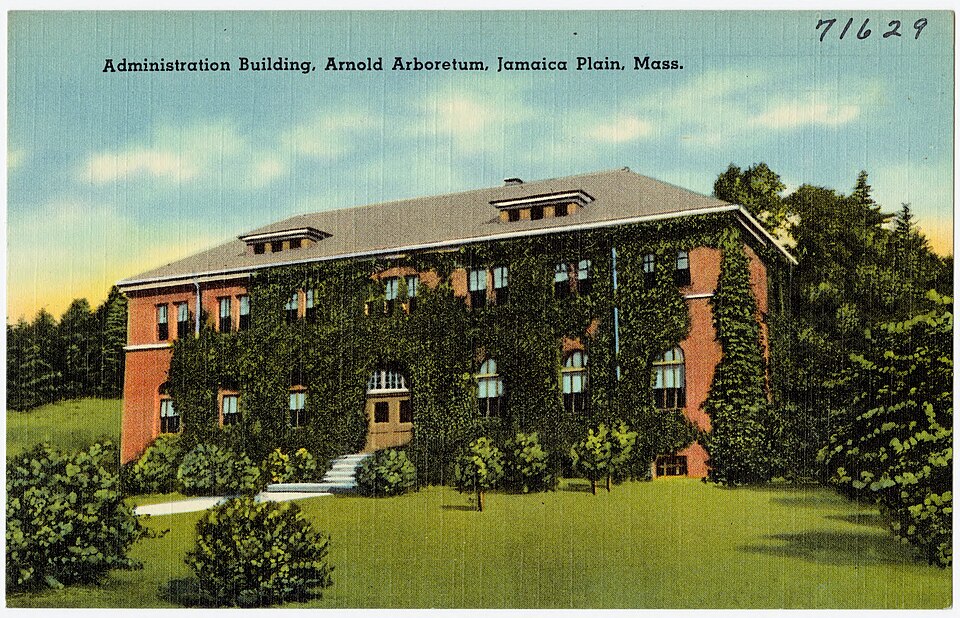
The arboretum is located in the Jamaica Plain and Roslindale neighborhoods of Boston. Public transit access includes MBTA bus routes serving adjacent streets. The Forest Hills Orange Line station provides nearby rail connection with walking transfer. Automobile access involves navigating Boston street networks with limited on-site parking availability. Bicycle access is feasible via surrounding streets and paths. The Emerald Necklace park system connects to broader pedestrian and bicycle networks. Visitors should plan transportation considering Boston traffic patterns and parking constraints, particularly during peak visitation periods and favorable weather conditions.
Checked 2026-08-26
Visitors should observe standard precautions for urban park environments. Path surfaces vary and may become slippery in wet or icy conditions. Tick awareness is prudent in vegetated New England landscapes during appropriate seasons. The arboretum is an active research facility; visitors should respect plant collections, avoid removing specimens, and remain on designated paths in sensitive areas. No food service or retail amenities are available on-site. Weather exposure is significant given the open landscape character. Cellular service may be inconsistent in portions of the grounds. Emergency assistance requires awareness of location within the expansive property.
Checked 2026-08-26
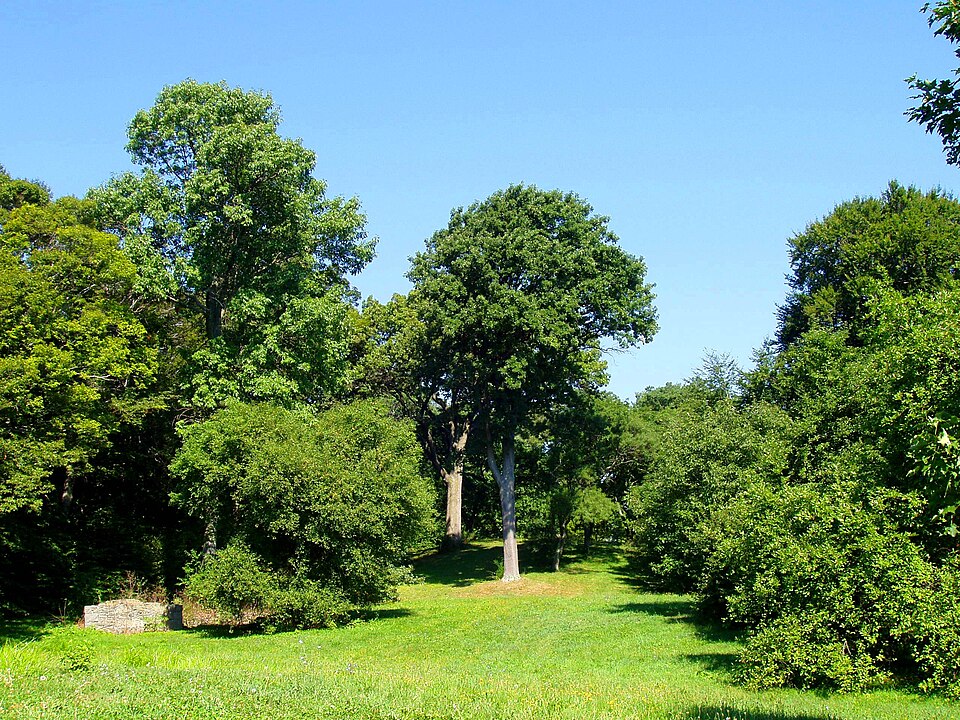
The landscape and botanical subjects offer substantial photographic interest across seasons. Morning and evening light quality enhances visual possibilities. Spring flowering and autumn coloration periods attract particular photographic attention. Tripod use and commercial photography may be subject to institutional policies requiring advance clarification. Drone operation would require explicit authorization given institutional and urban airspace considerations. The open landscape permits flexible vantage points, though specific research areas may carry access restrictions. Visitors should exercise judgment regarding pedestrian thoroughfares and maintain awareness of changing light conditions in wooded sections.
Checked 2026-08-26
Yes, the Arnold Arboretum is administered by Harvard University as a department of the Harvard Museum of Natural History, operating in partnership with the City of Boston.
Not recorded pending review. Visitors should consult current official policies regarding animal access.
Collection of plant material by visitors is prohibited as the arboretum functions as a scientific research collection with documented specimens.
Not recorded pending review. Visitors should plan accordingly and verify current amenity availability through official sources.
The arboretum has historically offered educational programming and tours, though specific current schedules and availability are Not recorded pending review.
Path conditions and terrain vary across the landscape. Specific accessibility information is Not recorded pending review; visitors should consult official sources for current guidance.
Loading the interactive map…
The interactive map could not be loaded.
Last updated:
Source: OpenStreetMap contributors, Wikidata ·