
.jpg)
.jpg)
.jpg)
.jpg)
.jpg)
14 min walk
David Livingstone Centre
- Must see · Heritage site
- Museum
Language · 1 published
Historic monument · Glasgow

Bothwell Castle stands as a substantial medieval ruin on the banks of the River Clyde. The castle represents one of Scotland's most significant surviving fortifications from the thirteenth century, originally built by the Moray family and later becoming associated with the Black Douglases. Its strategic position controlled a major crossing point on the river. The structure demonstrates the evolution of military architecture across several centuries of construction and modification. Historic Environment Scotland manages the site as a scheduled monument, preserving its archaeological and architectural importance for public understanding and appreciation of Scotland's feudal heritage.
Checked 2026-08-26
Visitors encounter extensive stone ruins including the great donjon or keep, which remains particularly impressive in its scale and construction quality. The castle's defensive features include substantial curtain walls and the remains of towers that once formed part of its fortification system. Interior spaces reveal the layout of medieval domestic and military arrangements, with visible foundations and wall lines indicating former chambers and service areas. The riverside setting adds natural context to the defensive positioning. Interpretive materials help visitors comprehend the site's historical significance without requiring speculative reconstruction of missing architectural elements.
Checked 2026-08-26

A thorough visit to Bothwell Castle typically requires between sixty and ninety minutes for most visitors interested in exploring the ruins comprehensively. Those with particular enthusiasm for medieval military architecture or Scottish history may extend their stay to two hours for detailed examination of construction techniques and historical features. The relatively compact nature of the accessible ruins permits meaningful engagement without excessive time commitment. Families with younger visitors often complete a satisfying circuit more quickly, while photographers and sketch artists frequently linger longer to capture the interplay of stonework and riverside vegetation across changing light conditions.
Checked 2026-08-26
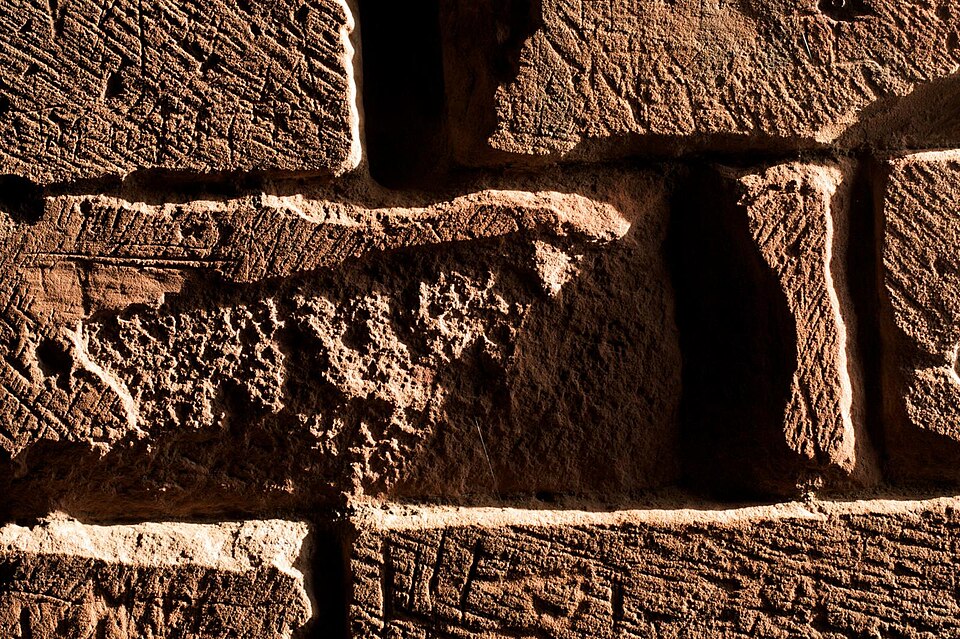
The castle's appeal varies across seasons, with spring and summer offering more favourable conditions for exploring exposed outdoor ruins. Winter visits present atmospheric conditions but require appropriate weather protection due to limited shelter within the monument. Operator-confirmed hours are Not recorded pending review; visitors must verify current opening arrangements through official Historic Environment Scotland channels before travelling. Seasonal daylight variations significantly affect afternoon visits during autumn and winter months. The riverside location can experience localised weather patterns distinct from central Glasgow, suggesting consultation of specific forecasts rather than general city conditions when planning excursions.
Checked 2026-08-26
Historic Environment Scotland manages access to this scheduled monument. Operator-confirmed prices are Not recorded pending review; prospective visitors should consult official sources for current admission costs and any applicable concession arrangements. Membership schemes operated by Historic Environment Scotland may provide entry benefits for frequent heritage visitors across multiple sites. Group visit arrangements typically require advance booking through established procedures. The site's scheduling as an ancient monument under national legislation establishes certain access parameters that differ from conventional commercial visitor attractions, potentially affecting available facilities and visitor services compared to privately operated heritage destinations.
Checked 2026-08-26
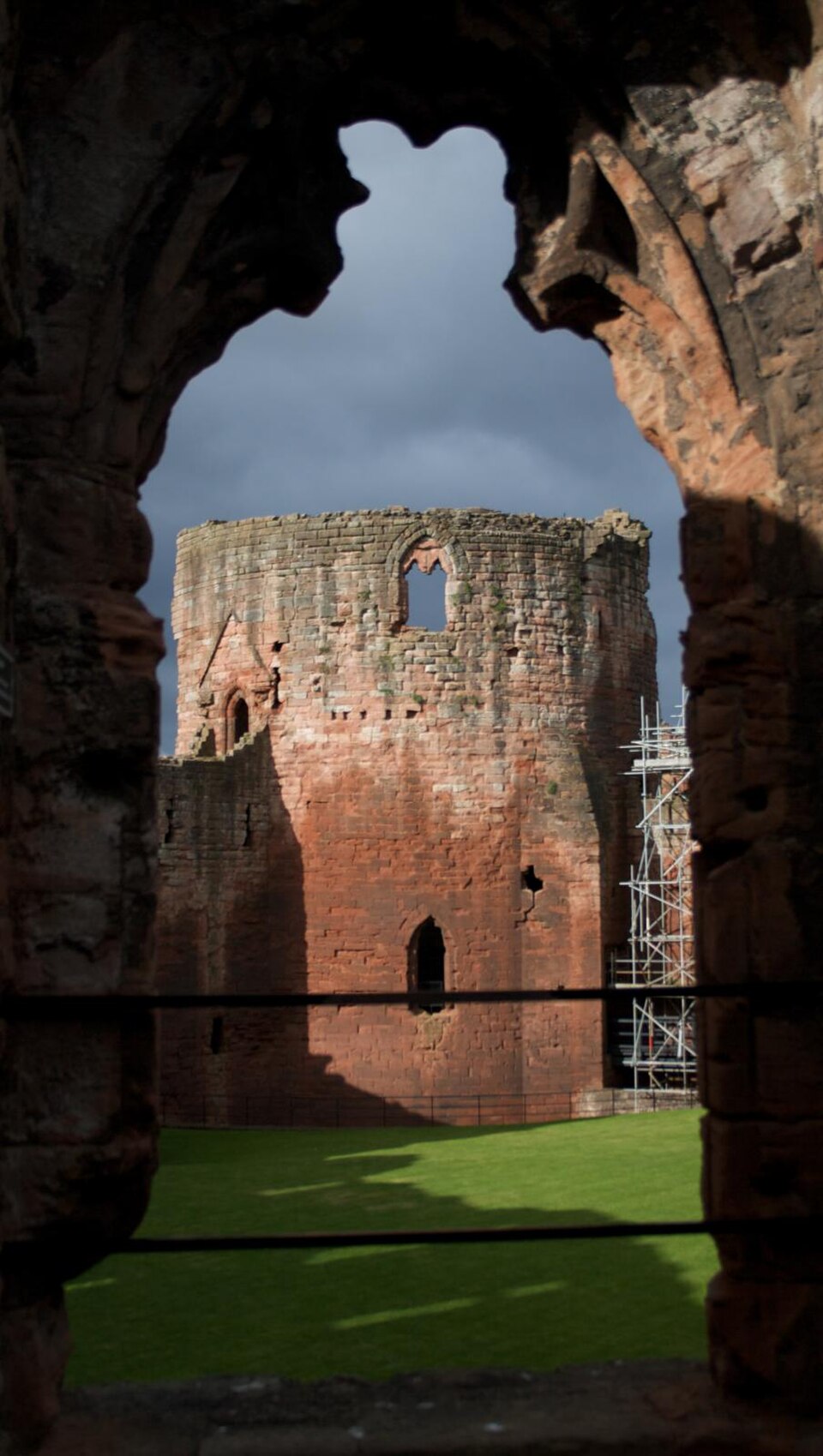
Bothwell Castle occupies a position southeast of Glasgow's city centre, near the town of Uddingston in South Lanarkshire. The site lies within reasonable reach of Glasgow's public transport network, with train services to nearby stations followed by walking connections. Road access connects via the M74 motorway corridor and local road networks. Visitors without private vehicles should investigate current bus and rail service patterns, as these undergo periodic modification. The final approach to the castle involves paths that may present challenges for mobility-impaired visitors. Cycling routes along the Clyde valley offer alternative access for active travellers from Glasgow's eastern suburbs.
Checked 2026-08-26

The ruinous condition of Bothwell Castle presents inherent physical hazards requiring visitor vigilance. Uneven surfaces, exposed drops between structural levels, and deteriorating stonework demand appropriate footwear and careful movement throughout the site. Weather exposure is complete, with no interior weatherproof spaces available for shelter during precipitation. The riverside location may contribute to slippery conditions following rainfall. Limited modern facilities reflect the monument's scheduled status and preservation priorities. Parents must supervise children closely given the unprotected heights and unstable masonry present. Information regarding current access restrictions or conservation-related closures should be confirmed immediately before visiting through official communication channels.
Checked 2026-08-26
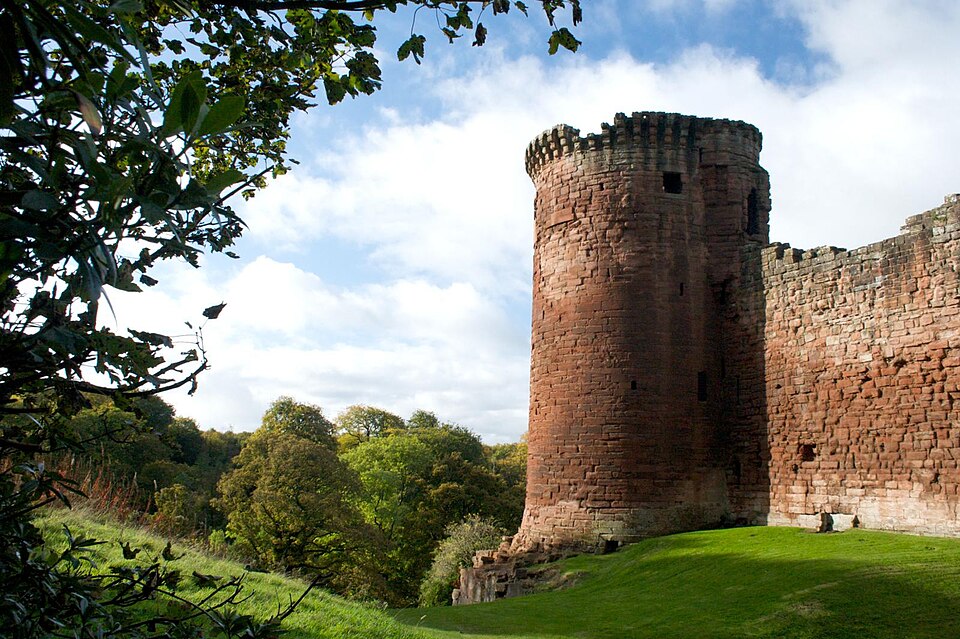
The castle's substantial surviving walls and riverside setting provide varied photographic opportunities across different conditions. The donjon offers strong vertical compositional elements, while the relationship between ruins and mature vegetation creates textural contrasts. Morning and evening light produces dramatic effects on the weathered stone surfaces. The Clyde backdrop enables landscape-format compositions incorporating water and sky elements. Seasonal variations in surrounding foliage significantly alter the visual context. Drone operation would require appropriate permissions given the site's protected status and proximity to inhabited areas. Tripod use for serious photography should respect other visitors' movement and safety requirements within the confined ruin spaces.
Checked 2026-08-26
No, the castle exists as a substantial ruin with significant medieval remains including the great donjon and curtain walls, but much of the original structure has been lost over centuries.
Winter visits are possible but require weather-appropriate clothing as the site offers no interior shelter, and daylight hours are significantly reduced compared to summer months.
Not recorded; visitors should not assume modern visitor facilities are available given the site's scheduled ancient monument status and preservation-focused management approach.
Yes, the site is reachable via train to nearby stations with walking connections, though specific service details should be verified through current transport operator information.
Children may visit but require close supervision due to unprotected heights, uneven surfaces, and deteriorating stonework throughout the ruinous structure.
Not recorded; the site's management as a scheduled ancient monument suggests limited modern visitor infrastructure compared to commercial heritage attractions.
Loading the interactive map…
The interactive map could not be loaded.
Last updated:
Source: OpenStreetMap contributors, Wikidata ·