


.jpg)
.jpg)
.jpg)
6 min walk
Blackford Hill
- Must see
- Viewpoint
Language · 1 published
Historic monument · Edinburgh
Royal Observatory, Edinburgh
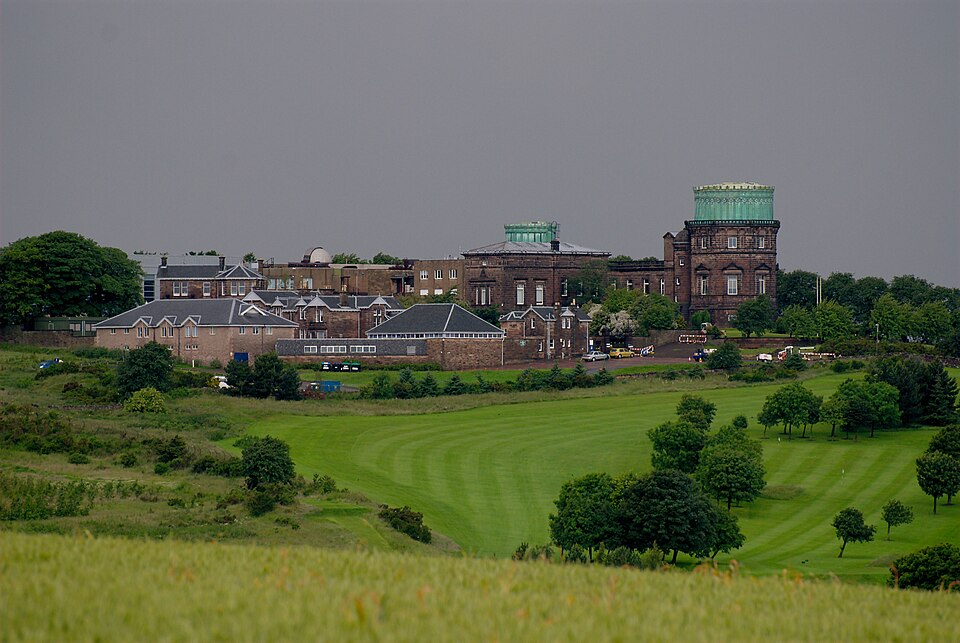
The Royal Observatory, Edinburgh is an astronomical research institution situated on Blackford Hill in the Scottish capital. Established in its present location in 1896, it serves as a working scientific facility rather than a conventional tourist attraction. The site houses research-grade telescopes and supports astronomical science. Visitors should understand that operational scientific priorities govern access. The observatory holds historical significance in British astronomy, though its primary function remains contemporary research rather than public entertainment. The hilltop position offers elevated views across Edinburgh.
Checked 2026-08-26
The observatory contains professional astronomical equipment including research telescopes housed within protective domes. The James Gregory Telescope operates as a working instrument. Scientific offices and laboratories support ongoing research programmes. Public visitor facilities appear limited compared to dedicated science museums. The physical plant reflects late-Victorian scientific architecture adapted for modern use. Any exhibition materials or interpretive displays would serve secondary educational purposes rather than constituting the primary institutional mission. Visitors should not expect comprehensive museum-style presentations. A flexible visit lets travellers connect Royal Observatory with the rest of the day without treating one room, viewpoint or photograph as the whole experience. The useful pace depends on personal interest and conditions on arrival.
Checked 2026-08-26

Duration of visit depends substantially upon available programming and individual interest in astronomical science. Without scheduled public events, meaningful interior access may prove impossible. Casual visitors examining exterior architecture from public areas might spend thirty minutes. Those attending specific advertised activities could require two to three hours including travel to the hilltop location. Prospective visitors must verify whether any public programme coincides with their travel dates. Unannounced arrivals risk disappointment given the research-priority operational model. Royal Observatory also earns time in a edinburgh itinerary because Exact production identity way/55751608 is assigned through pois.city_place_id; stored production name and coordinates were copied without approximation. Its value becomes clearer when the stop is compared with the surrounding streets and the other ranked places nearby.
Checked 2026-08-26
Optimal visiting depends entirely upon confirmed public access opportunities, which appear intermittent rather than continuous. The research mission limits regular public opening. Dark evening hours would theoretically benefit astronomical observation programmes, though such events are not guaranteed. Weather conditions in Edinburgh frequently include cloud cover that would compromise any sky-viewing activities. Operator-confirmed hours are Not recorded pending review. Prospective visitors should consult current official communications rather than relying upon general seasonal expectations. Advance verification remains essential.
Checked 2026-08-26
Admission arrangements appear variable and event-dependent. As a research facility rather than standard visitor attraction, conventional ticketing structures may not apply. Some scientific institutions operate free public evenings or charge nominal fees for special programmes. Commercial tourism passes probably do not include this site. Operator-confirmed prices are Not recorded pending review. Visitors should not budget for certain costs without direct confirmation. Any payment would likely support specific educational activities rather than general site maintenance, reflecting the non-commercial institutional character.
Checked 2026-08-26
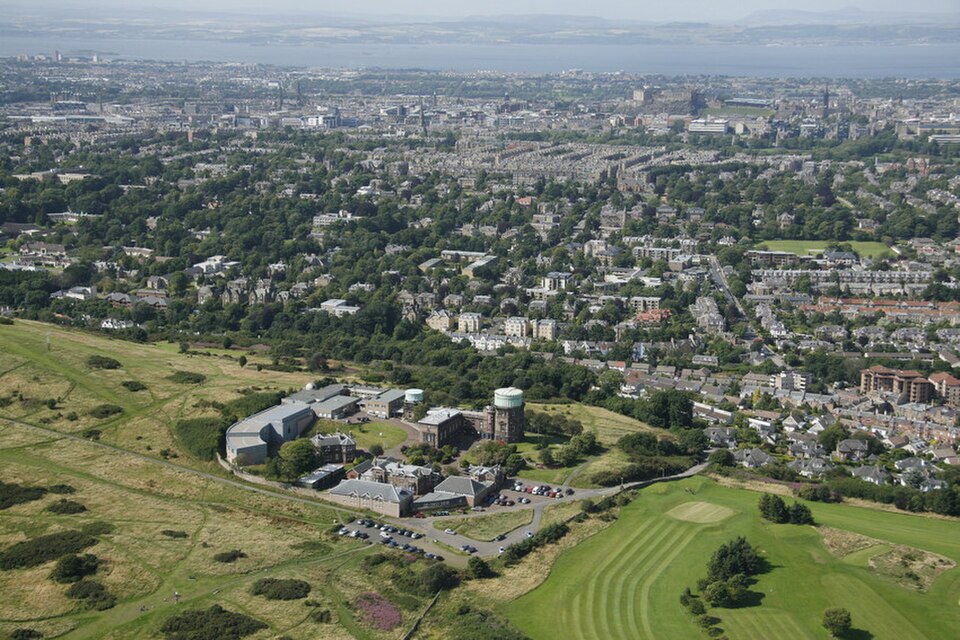
The observatory occupies Blackford Hill south of Edinburgh city centre. Public transport serves the general area with subsequent walking required up the hill. The terrain presents moderate incline. Private vehicles may access limited parking though availability constraints apply. Cycling remains possible though demanding. The location sits approximately two kilometres south of the Old Town, requiring deliberate journey planning. Visitors should consult current transport schedules and hill access routes. Evening events would necessitate return transport arrangements in darkness, requiring additional logistical consideration.
Checked 2026-08-26
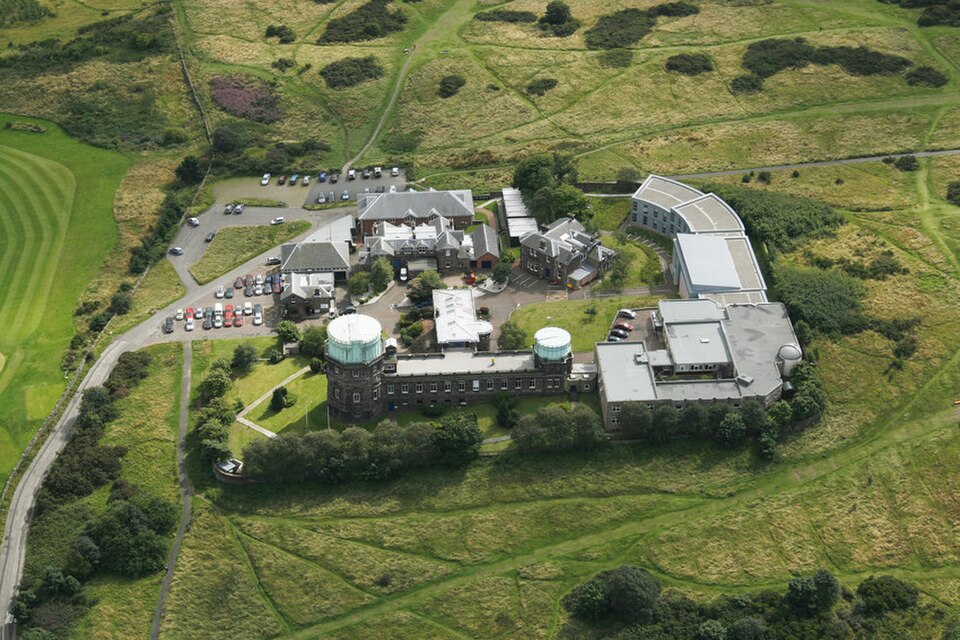
Visitors must respect active research operations and restricted zones. Scientific equipment demands protection from interference. Weather conditions change rapidly on exposed hilltops with wind and precipitation possible regardless of valley conditions. Pathways may prove uneven or poorly lit after dark. Mobile telephone coverage might vary. The isolated evening location requires personal security awareness. No commercial services operate on site. Visitors should carry necessary supplies including weather-appropriate clothing. Unaccompanied minors require appropriate supervision given the scientific environment and terrain hazards.
Checked 2026-08-26

Exterior photography of the distinctive observatory domes against Edinburgh's skyline presents obvious appeal. However, scientific facilities frequently impose restrictions upon imaging of operational equipment and research spaces. Interior photography likely requires explicit permission. Night photography of sky views would depend upon programme participation and weather conditions. Tripod use may obstruct pathways or raise security concerns. Visitors should seek clarification before extensive photographic activity. The hilltop vantage offers legitimate alternative subjects including city panoramas and natural landscape features regardless of observatory access limitations.
Checked 2026-08-26
Not recorded. The research priority suggests unannounced visits risk refusal. Advance verification through official channels appears prudent.
Not recorded. The scientific character suggests minimal commercial visitor amenities. Prospective visitors should not assume standard tourism infrastructure.
Not recorded. Educational outreach may occur though age-appropriate programming requires specific confirmation rather than assumption.
Not recorded. Research telescope access involves complex scheduling and safety protocols. Public viewing opportunities require explicit verification.
Not recorded. The hilltop location and historic construction present probable physical barriers. Specific accessibility confirmation is essential.
Not recorded. Any public programming would be occasional rather than continuous. Official communications should be consulted for current offerings.
Loading the interactive map…
The interactive map could not be loaded.
Last updated:
Source: OpenStreetMap contributors, Wikidata ·