

.jpg)
.jpg)
1 min walk
Museum of Childhood
- Must see
- Museum
Language · 1 published
Historic monument · Edinburgh
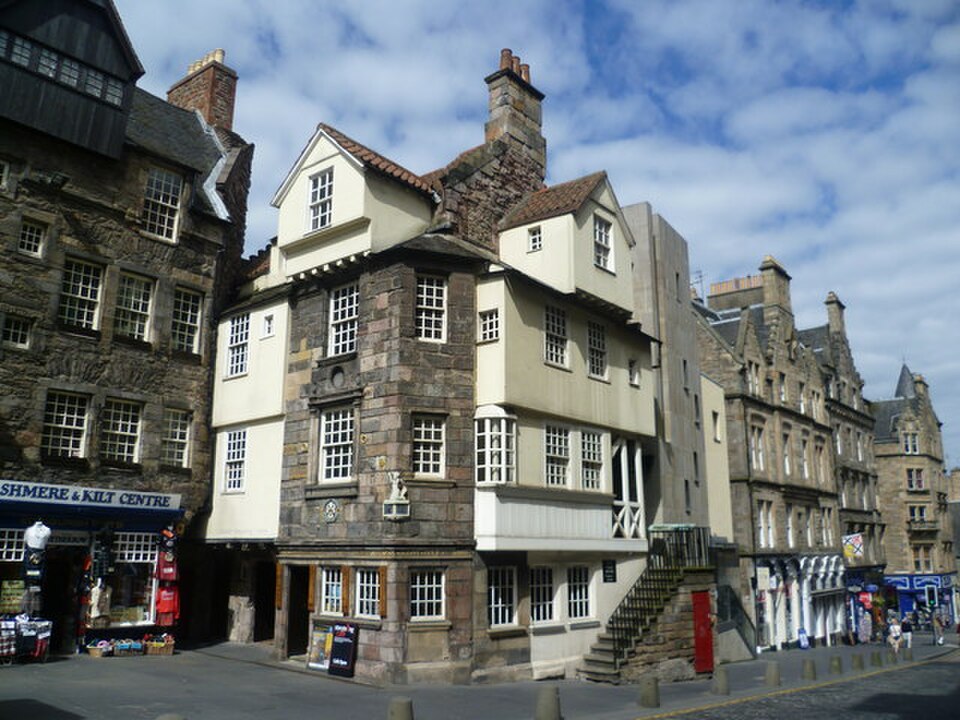
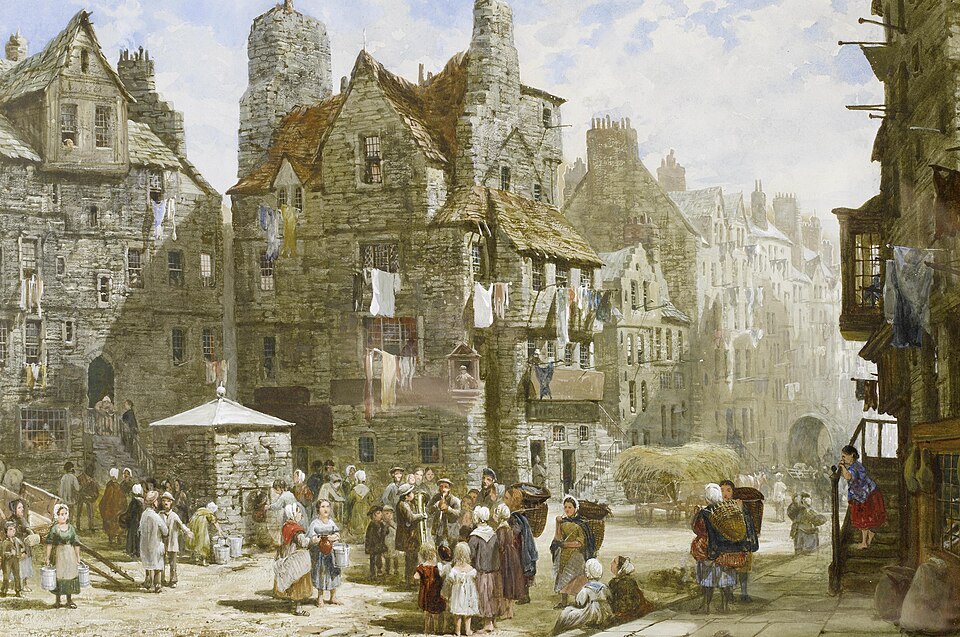
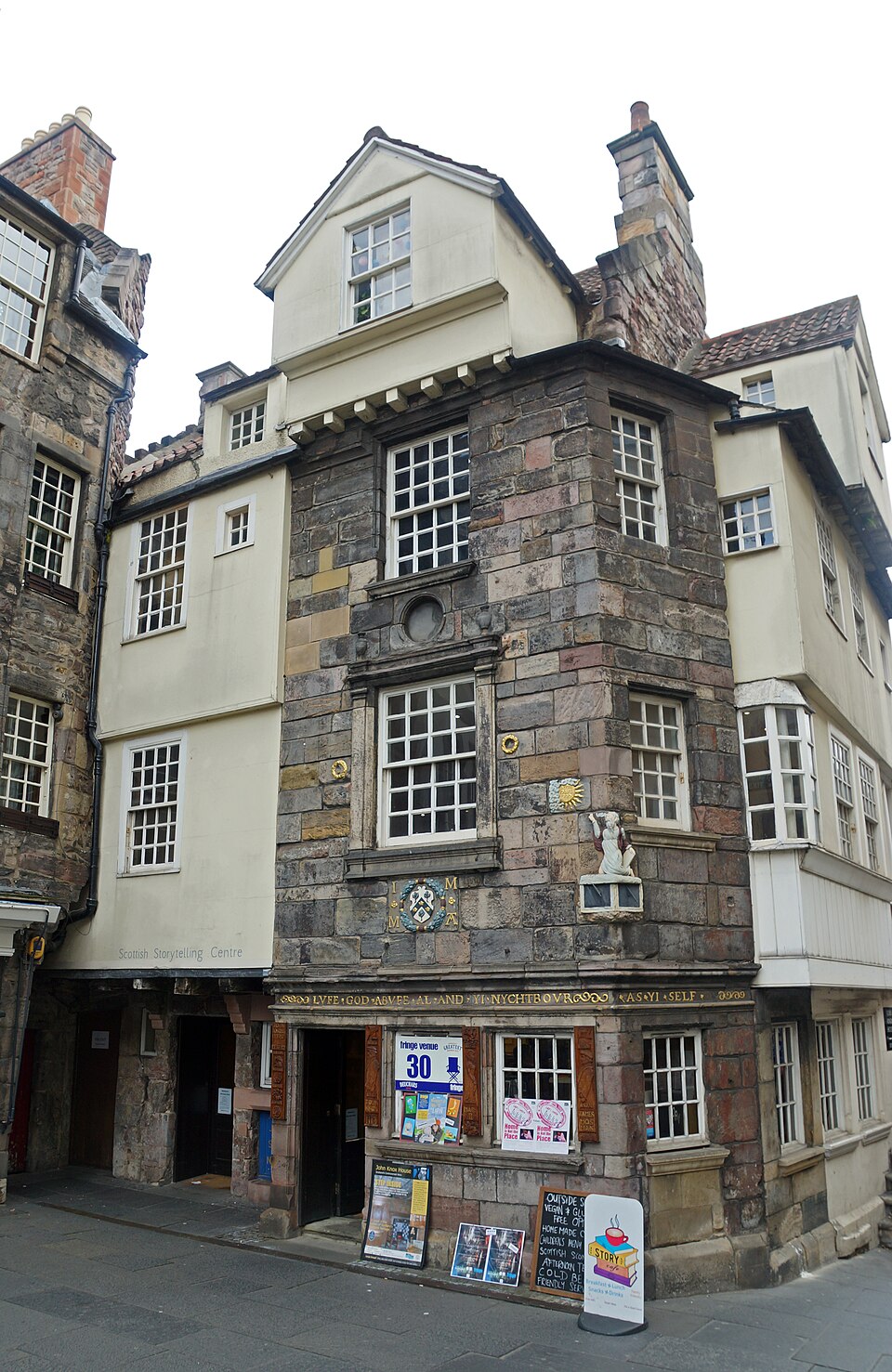
John Knox House is a historic building on Edinburgh's Royal Mile, traditionally associated with the Scottish Protestant reformer John Knox, though he likely never actually lived there. The house dates from the sixteenth century and stands as one of the oldest surviving original buildings on the High Street. It features distinctive projecting timber galleries and painted ceilings that reflect its wealthy merchant origins. The structure now operates as a heritage attraction presenting stories of Knox and other Reformations figures.
Checked 2026-08-26
The interior contains period rooms with reconstructed furnishings and decorative features including painted ceilings from the original construction. Exhibitions explore the lives of John Knox and his predecessor James Mossman, a goldsmith and royalist. Display panels and artefacts examine Scotland's religious Reformation period. Visitors can examine architectural details including the timber framing and external galleries. The house contains interpretation about printing and publishing history connected to the site. Audio visual elements supplement the physical displays throughout the rooms. A flexible visit lets travellers connect John Knox House with the rest of the day without treating one room, viewpoint or photograph as the whole experience. The useful pace depends on personal interest and conditions on arrival.
Checked 2026-08-26
A complete visit typically requires between forty-five minutes and one hour depending on individual reading pace and interest in historical detail. The building's compact footprint means circulation through rooms follows a set route. Visitors with strong interest in Reformation history or Scottish heritage may wish to allocate additional time for reading exhibition panels thoroughly. The experience suits inclusion within a broader Royal Mile walking itinerary rather than as a standalone half-day destination. Combined visits with nearby attractions are common.
Checked 2026-08-26
Operator-confirmed hours are Not recorded pending review. Visitors should consult official sources before planning. Edinburgh receives substantial tourist traffic during summer months and festival periods in August, when the Royal Mile becomes particularly crowded. Winter months offer quieter conditions though daylight hours shorten. Morning visits typically encounter fewer visitors than afternoons. Weather conditions rarely affect interior visiting since the attraction is fully enclosed. The Royal Mile location means surrounding streets remain active throughout standard business hours regardless of season.
Checked 2026-08-26
Operator-confirmed prices are Not recorded pending review. Visitors should verify current admission costs through official channels before arrival. The attraction may participate in combined ticketing schemes with other Edinburgh heritage sites though specific arrangements remain unconfirmed. Group rates and concessions for seniors or students may apply but require direct confirmation. Payment methods accepted at entry are not documented. Advance booking availability and any time-slot entry systems should be checked with operators. Free entry periods are not recorded. John Knox House also earns time in a edinburgh itinerary because Exact production identity way/293890858 is assigned through pois.city_place_id; stored production name and coordinates were copied without approximation. Its value becomes clearer when the stop is compared with the surrounding streets and the other ranked places nearby.
Checked 2026-08-26
John Knox House stands on the High Street section of Edinburgh's Royal Mile, approximately midway between Edinburgh Castle and Holyrood Palace. The location is pedestrian-priority with limited vehicle access. Waverley railway station lies roughly ten minutes walk north. Multiple Lothian bus routes serve North Bridge and South Bridge with walking connections. Tram services stop at St Andrew Square with onward walking required. No dedicated parking exists at the property. Taxis can access nearby on adjoining streets. The Royal Mile itself is cobbled in sections.
Checked 2026-08-26
The historic building contains original timber floors and staircases that may present challenges for visitors with mobility limitations. Ceiling heights and doorways reflect sixteenth-century construction standards. The set visitor route offers limited alternatives for those unable to manage stairs. Crowding can occur in narrow passages during peak visiting times. The Royal Mile location means surrounding pavements are frequently congested with pedestrians, street performers, and tour groups. Weather protection is limited while queueing outside. Interior lighting is deliberately subdued to protect historic materials.
Checked 2026-08-26
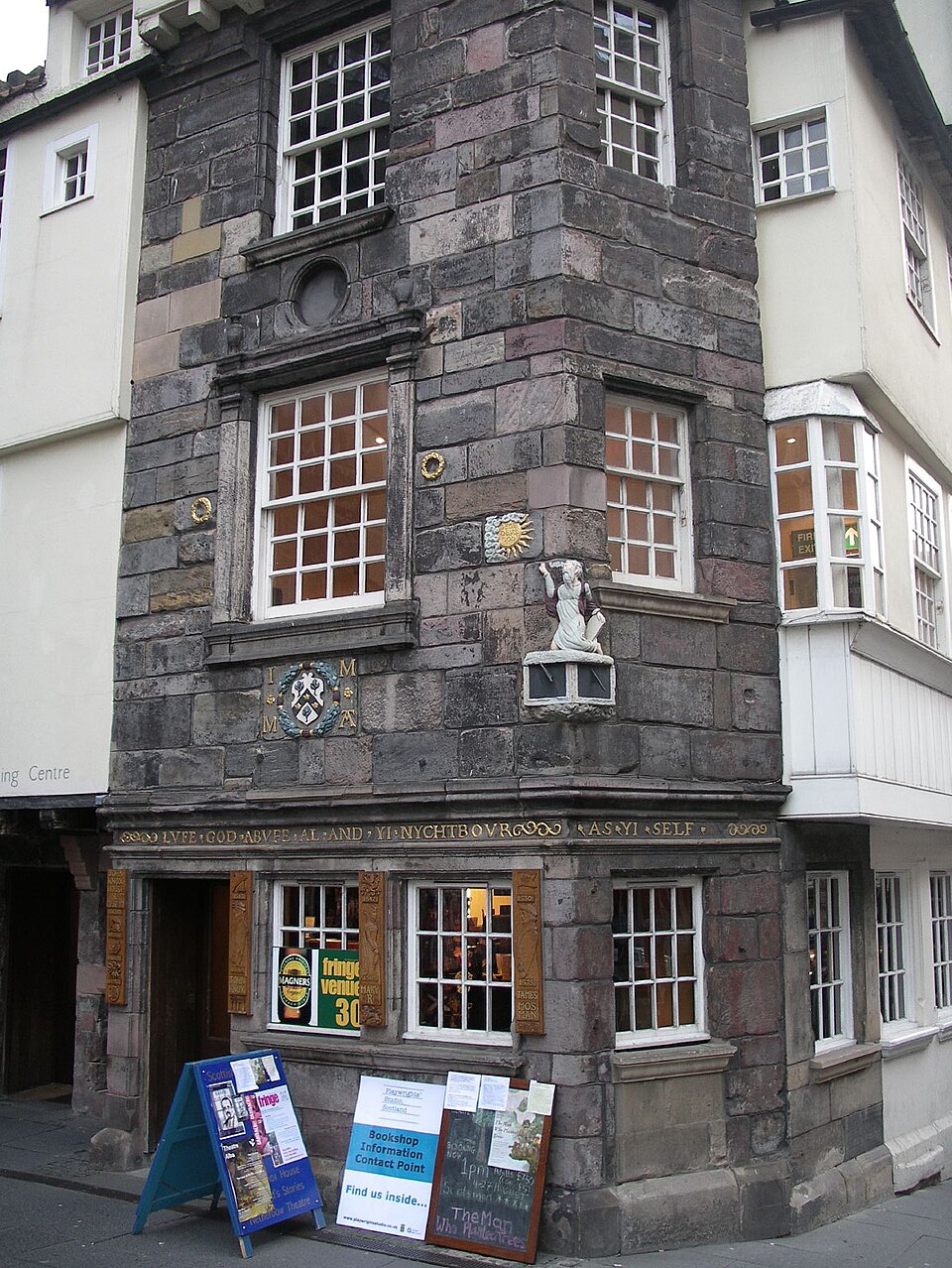
Photography policies inside John Knox House are not formally documented in available sources. Visitors should observe posted signage or enquire at admission regarding current regulations. Flash photography is commonly restricted in historic interiors to prevent damage to light-sensitive materials including painted ceilings and textiles. Tripods and professional equipment typically require advance permission in heritage properties. The distinctive timber galleries and painted ceilings offer strong photographic subjects if permitted. Exterior photography from the Royal Mile presents no restrictions though pedestrian traffic complicates composition.
Checked 2026-08-26
Historical evidence suggests John Knox probably did not reside in this building despite the traditional association. The house is more reliably connected to James Mossman, a goldsmith and royalist.
The house dates from the sixteenth century, making it one of the oldest surviving original structures on Edinburgh's High Street.
The historic construction with original timber staircases and narrow passages presents significant accessibility challenges. Visitors with mobility concerns should contact operators directly for current access information.
Online booking availability is not recorded. Visitors should check official sources for current ticketing options and any advance purchase requirements.
The house presents interpretation about John Knox, James Mossman, and broader religious transformation in sixteenth-century Scotland through exhibition panels and period room settings.
Specific family facilities or children's programming are not documented. The compact historic interiors and interpretive focus suits visitors with established interest in history.
Loading the interactive map…
The interactive map could not be loaded.
Last updated:
Source: OpenStreetMap contributors, Wikidata ·