


2 min walk · Yunusemre
Attar Hoca Mosque
- Notable
- Place of worship
Language · 1 published
Place of worship · Yunusemre, Manisa
Hacı Yahya Camii
Read from the OpenStreetMap access tags; anything not listed has no tag recorded.
Set the group type to family in the planner and the day window contracts to about three quarters of a solo day.
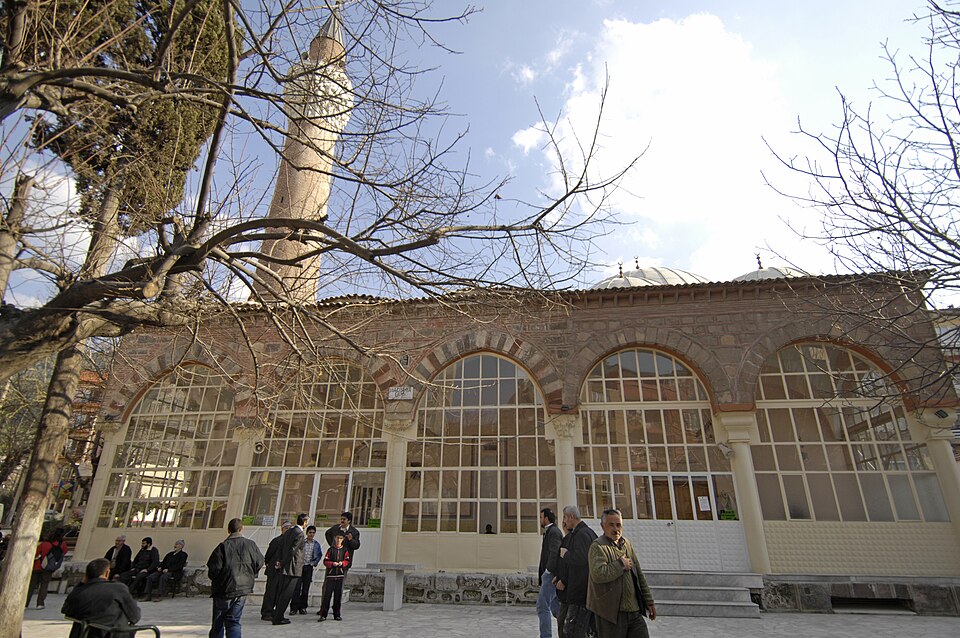
The Hacı Yahya Camii was built in 1474 by Hacı Mehmet, son of Hacı Yahya. It is also known as the İki Lüleli Camii — the two-spouted mosque, after its fountain.
It is a neighbourhood mosque rather than a monument, in the Topçu Asım quarter of Yunusemre, on the plain side of Manisa away from the historic cluster on the slope.
The date puts it in the same year as the Çeşnigir Camii, in the generation of fifteenth-century foundations that came between the Saruhanoğulları period and the great Ottoman complexes of the sixteenth century.
Checked 2026-08-23 · Source
Very little is published about this building, and this page does not fill the gap with guesswork.
The cultural-inventory record gives the builder, the date of 1474, the alternative name and the neighbourhood, and stops there. No inscription, no plan, no materials, no minaret description and no restoration history are recorded in the sources this page uses.
What is recorded from the map data is one practical fact: step-free access here is limited rather than absent, which is more than can be said for many buildings of its age.
For a visitor the useful frame is the sequence. Manisa's surviving mosques run from the Ulu Camii of 1366 through the Hacı Yahya and the Çeşnigir of 1474 and the İvaz Paşa of 1484 to the Sultan Mosque of 1522 and the Muradiye of 1583–86.
Checked 2026-08-23 · Source
Fifteen minutes, and only if you are already in Yunusemre.
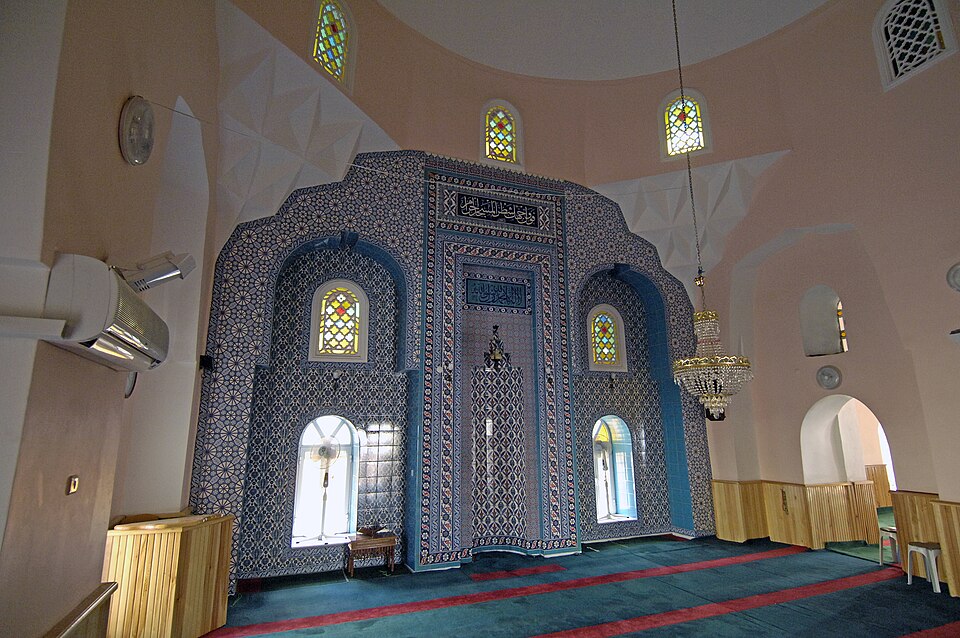
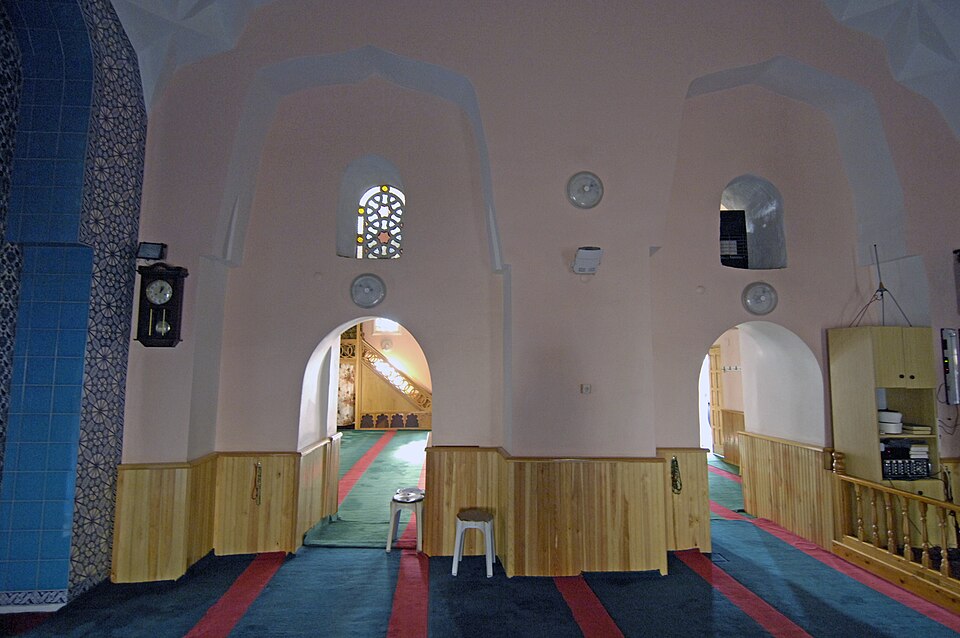
There is one hall and no complex around it. Nothing is displayed, nothing is labelled, and there is no one to explain anything.
This is not a mosque to cross Manisa for. It earns a page because it is one of the city's fifteenth-century survivals, not because it rewards a journey.
Checked 2026-08-23
Mid-morning or mid-afternoon, outside the five daily prayers, and not at noon on a Friday.
Yunusemre is the flat half of Manisa, which makes a summer afternoon here hotter than the same hour on the slope. Spring and autumn are the comfortable seasons.
Nothing about this mosque is seasonal and no festival attaches to it. In the last week of March the city's attention is entirely on the Sultan Mosque and the Mesir festival across town.
Checked 2026-08-23
Free. It is a working mosque, and admission to a working mosque in Turkey costs nothing.
There is no ticket desk, no guide, no shop and nothing inside that is separately charged for.
The only paid admission among Manisa's historic buildings is the Manisa Museum, in the imaret of the Muradiye complex on the other side of the city.
Checked 2026-08-23
In the Topçu Asım neighbourhood of Yunusemre, the newer half of Manisa on the Gediz plain.
It is outside the historic cluster and does not fold into a Şehzadeler walk. A town bus along the main streets or a short taxi from the centre is the practical approach; there is no stop named for the mosque.
Reaching Manisa: four trains a day from İzmir Basmane take about 90 minutes, local buses cover the 40 km in about 35 minutes, and İzmir Adnan Menderes airport is roughly 65 km away.
Checked 2026-08-23 · Source
Shoulders and knees covered for everyone, a headscarf for women — usually lent at the door — and shoes off at the threshold.
The hall closes to visitors during the five daily prayers, and those times move through the year. Friday around noon is the slot to avoid entirely.
This is a working neighbourhood mosque with no visitor arrangements at all. If the door is locked outside prayer times there is nobody to ask and no office to call. Turning up is the only way to find out, which is a reason to fold it into another errand rather than to make it the point of a trip.
Step-free access is recorded as limited rather than full.
Manisa sees few foreign visitors and carries no scam economy around its buildings.
Checked 2026-08-23
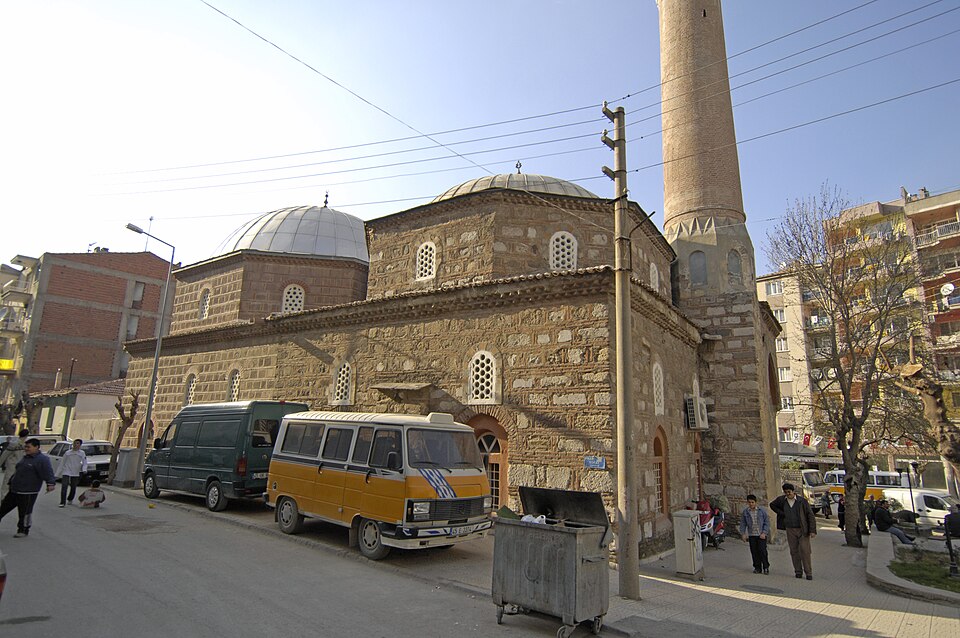
The fountain is the subject. İki Lüleli — two spouts — is the name the neighbourhood uses, and the fountain that earned it is the one feature this mosque is identified by.
Beyond that it is a plain fifteenth-century hall in a residential street, and it photographs like one. Raking light early or late does more for the masonry than the middle of the day.
Inside, photography is not restricted, but the courtesy of every working mosque holds: not during prayer, and not pointed at people praying.
No photography restriction is recorded for the building.
Checked 2026-08-23 · Source
In 1474, by Hacı Mehmet, son of Hacı Yahya. That is the same year as the Çeşnigir Camii across the city.
İki Lüleli means two-spouted, after the mosque's fountain. The name is used locally alongside Hacı Yahya Camii.
The hall and the fountain. No inscription, plan, materials or restoration history is recorded in the sources this page uses, so none is described here.
In the Topçu Asım neighbourhood of Yunusemre, on the plain side of Manisa rather than in the historic cluster on the slope.
No. Fifteen minutes if you are already in Yunusemre. It earns its page as one of the city's fifteenth-century survivals rather than as a destination.
Step-free access is recorded as limited rather than full. Nothing more detailed is published on the sources this page uses.
Loading the interactive map…
The interactive map could not be loaded.
Last updated:
Source: OpenStreetMap contributors, Wikidata ·