
_%E0%B8%A7%E0%B8%B1%E0%B8%94%E0%B8%9B%E0%B8%97%E0%B8%B8%E0%B8%A1%E0%B8%A7%E0%B8%99%E0%B8%B2%E0%B8%A3%E0%B8%B2%E0%B8%A1%E0%B8%A3%E0%B8%B2%E0%B8%8A%E0%B8%A7%E0%B8%A3%E0%B8%A7%E0%B8%B4%E0%B8%AB%E0%B8%B2%E0%B8%A3_%E0%B9%80%E0%B8%82%E0%B8%95%E0%B8%9B%E0%B8%97%E0%B8%B8%E0%B8%A1%E0%B8%A7%E0%B8%B1%E0%B8%99_%E0%B8%81%E0%B8%A3%E0%B8%B8%E0%B8%87%E0%B9%80%E0%B8%97%E0%B8%9E%E0%B8%A1%E0%B8%AB%E0%B8%B2%E0%B8%99%E0%B8%84%E0%B8%A3_(10).jpg)
_%E0%B8%A7%E0%B8%B1%E0%B8%94%E0%B8%9B%E0%B8%97%E0%B8%B8%E0%B8%A1%E0%B8%A7%E0%B8%99%E0%B8%B2%E0%B8%A3%E0%B8%B2%E0%B8%A1%E0%B8%A3%E0%B8%B2%E0%B8%8A%E0%B8%A7%E0%B8%A3%E0%B8%A7%E0%B8%B4%E0%B8%AB%E0%B8%B2%E0%B8%A3_%E0%B9%80%E0%B8%82%E0%B8%95%E0%B8%9B%E0%B8%97%E0%B8%B8%E0%B8%A1%E0%B8%A7%E0%B8%B1%E0%B8%99_%E0%B8%81%E0%B8%A3%E0%B8%B8%E0%B8%87%E0%B9%80%E0%B8%97%E0%B8%9E%E0%B8%A1%E0%B8%AB%E0%B8%B2%E0%B8%99%E0%B8%84%E0%B8%A3_(30).jpg)
_%E0%B8%A7%E0%B8%B1%E0%B8%94%E0%B8%9B%E0%B8%97%E0%B8%B8%E0%B8%A1%E0%B8%A7%E0%B8%99%E0%B8%B2%E0%B8%A3%E0%B8%B2%E0%B8%A1%E0%B8%A3%E0%B8%B2%E0%B8%8A%E0%B8%A7%E0%B8%A3%E0%B8%A7%E0%B8%B4%E0%B8%AB%E0%B8%B2%E0%B8%A3_%E0%B9%80%E0%B8%82%E0%B8%95%E0%B8%9B%E0%B8%97%E0%B8%B8%E0%B8%A1%E0%B8%A7%E0%B8%B1%E0%B8%99_%E0%B8%81%E0%B8%A3%E0%B8%B8%E0%B8%87%E0%B9%80%E0%B8%97%E0%B8%9E%E0%B8%A1%E0%B8%AB%E0%B8%B2%E0%B8%99%E0%B8%84%E0%B8%A3_(31).jpg)
_%E0%B8%A7%E0%B8%B1%E0%B8%94%E0%B8%9B%E0%B8%97%E0%B8%B8%E0%B8%A1%E0%B8%A7%E0%B8%99%E0%B8%B2%E0%B8%A3%E0%B8%B2%E0%B8%A1%E0%B8%A3%E0%B8%B2%E0%B8%8A%E0%B8%A7%E0%B8%A3%E0%B8%A7%E0%B8%B4%E0%B8%AB%E0%B8%B2%E0%B8%A3_%E0%B9%80%E0%B8%82%E0%B8%95%E0%B8%9B%E0%B8%97%E0%B8%B8%E0%B8%A1%E0%B8%A7%E0%B8%B1%E0%B8%99_%E0%B8%81%E0%B8%A3%E0%B8%B8%E0%B8%87%E0%B9%80%E0%B8%97%E0%B8%9E%E0%B8%A1%E0%B8%AB%E0%B8%B2%E0%B8%99%E0%B8%84%E0%B8%A3_(33).jpg)
_%E0%B8%A7%E0%B8%B1%E0%B8%94%E0%B8%9B%E0%B8%97%E0%B8%B8%E0%B8%A1%E0%B8%A7%E0%B8%99%E0%B8%B2%E0%B8%A3%E0%B8%B2%E0%B8%A1%E0%B8%A3%E0%B8%B2%E0%B8%8A%E0%B8%A7%E0%B8%A3%E0%B8%A7%E0%B8%B4%E0%B8%AB%E0%B8%B2%E0%B8%A3_%E0%B9%80%E0%B8%82%E0%B8%95%E0%B8%9B%E0%B8%97%E0%B8%B8%E0%B8%A1%E0%B8%A7%E0%B8%B1%E0%B8%99_%E0%B8%81%E0%B8%A3%E0%B8%B8%E0%B8%87%E0%B9%80%E0%B8%97%E0%B8%9E%E0%B8%A1%E0%B8%AB%E0%B8%B2%E0%B8%99%E0%B8%84%E0%B8%A3_(34).jpg)
3 min walk · เขตปทุมวัน
Siam Paragon
- High
- Market
Language · 1 published
Place of worship · เขตปทุมวัน, Bangkok
วัดปทุมวนารามราชวรวิหาร
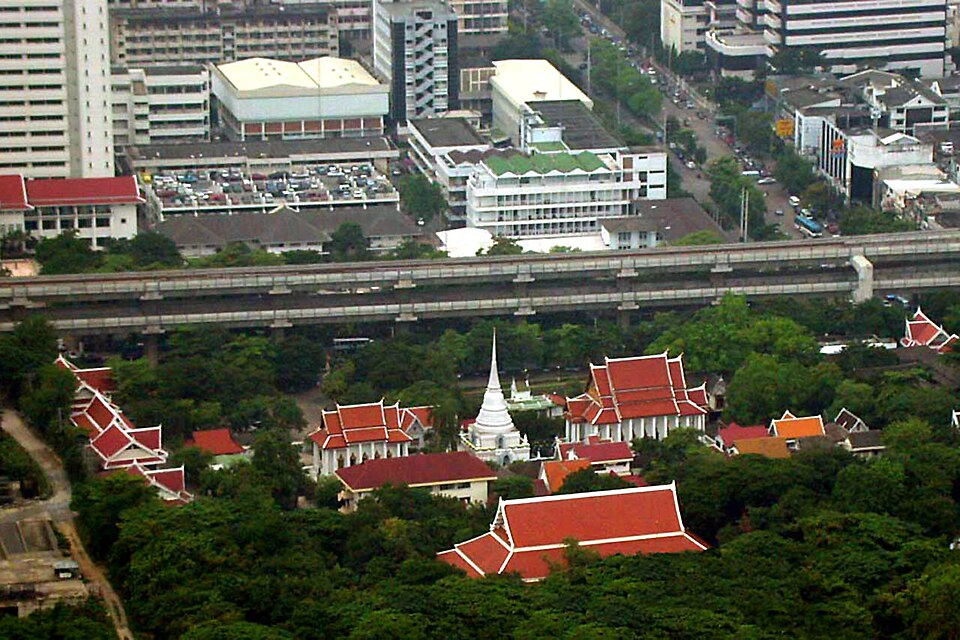
Wat Pathum Wanaram is a royal temple standing in its own belt of old trees between Siam Paragon and CentralWorld, in the middle of Bangkok's densest shopping district. King Mongkut, Rama IV, founded it in 1857 beside his Sa Pathum Palace when this ground was still rice field and lotus pond, and it belongs to the Thammayut order as a third-class royal temple; Thai sources date the building work to 1861 and the consecration, delayed by a death in the royal family, to December 1910. Two things separate it from the city's better-known temples. It holds Lao Buddha images carried to Bangkok in the nineteenth century and royal ashes of the House of Mahidol, and on 19 May 2010 six people were shot dead inside its walls during the crackdown at Ratchaprasong, in a temple that had been declared a safe zone. It remains an active monastery and a registered ancient monument, not a museum.
Checked 2026-08-25 · Source
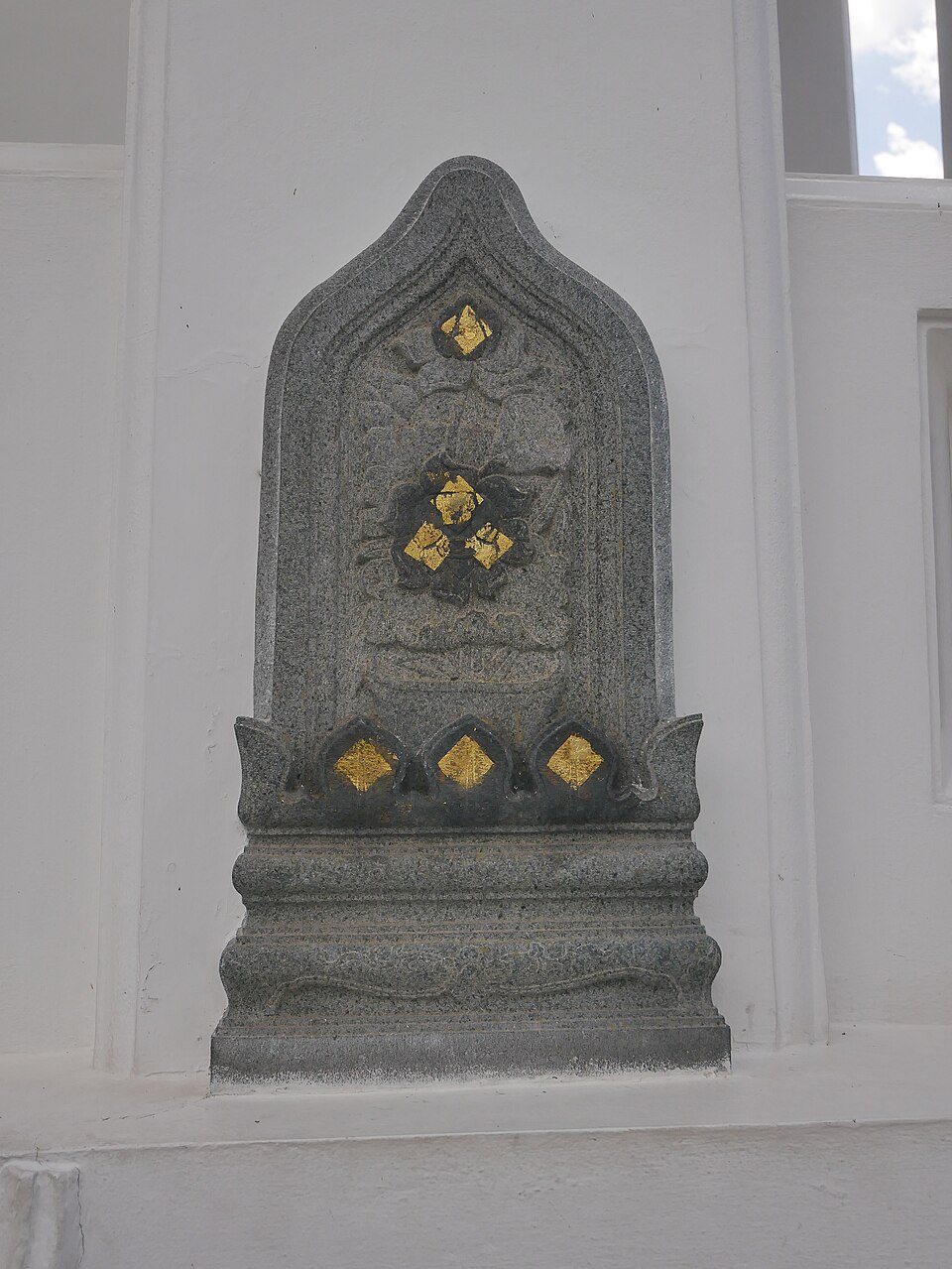
The compound holds a bell-shaped chedi at its centre with the ordination hall and the vihara on either side, and the important images are Lao rather than Siamese. Phra Sai and Phra Soem, both in the Vientiane style of the sixteenth century, stand in the vihara, and Phra Sayan, a seated image brought from Mahachai in Laos, is in the ordination hall. Behind them the House of Mahidol memorial holds the ashes of members of the royal family, among them Princess Srinagarindra, the Princess Mother, and King Ananda Mahidol; a sala on the grounds was rebuilt from the Princess Mother's crematorium and carries lacquered work representing Mount Meru. The rest of the enclosure is the part visitors remember: dense mature trees, monks' quarters and gravel paths, with the mall walls rising directly behind the roofline.
Checked 2026-08-25 · Source
Forty minutes is the figure recorded here, and the temple rewards spending them slowly rather than circling once. Ten minutes cover the vihara and its Lao images, ten the ordination hall, ten the memorial and the sala, and the last ten are the reason to come at all: sitting under the trees while the traffic on Rama I Road stays audible but no longer visible. Visitors on a tight schedule between the two malls can do the essentials in twenty minutes. Anyone attending a chanting session should allow an hour and expect to stay seated for its duration.
Checked 2026-08-25
Early morning is the temple at its best, before the shopping district wakes and while the tree canopy still holds the night's cool. Merit-making traffic is heaviest on Buddhist holy days and around the Thai New Year, when the compound fills with families rather than tourists and the queue for the images is long but moves. Late afternoon is the second-best hour, though this is also when the surrounding pavements are at their worst. On 19 May the temple can be a place of commemoration for the 2010 deaths, and visitors who arrive that day should expect gatherings and behave as guests at a memorial rather than as sightseers. No operator-published opening hours could be confirmed, so an early visit also hedges against an unexpected closure.
Checked 2026-08-25
No admission charge and no opening hours are recorded for Wat Pathum Wanaram, because no operator page could be read. The temple has no working website: the domain watpathumwanaram.com resolves to a registrar parking page rather than to the monastery, and the Thai and English encyclopaedia entries state no visiting hours. Thai royal temples of this class do not normally charge foreign visitors for entry to the grounds, but this page will not record a price or a timetable it could not source, and a donation box is not a ticket. Anyone who needs certainty about access on a particular day should ask at the temple office inside the gate.
Checked 2026-08-25
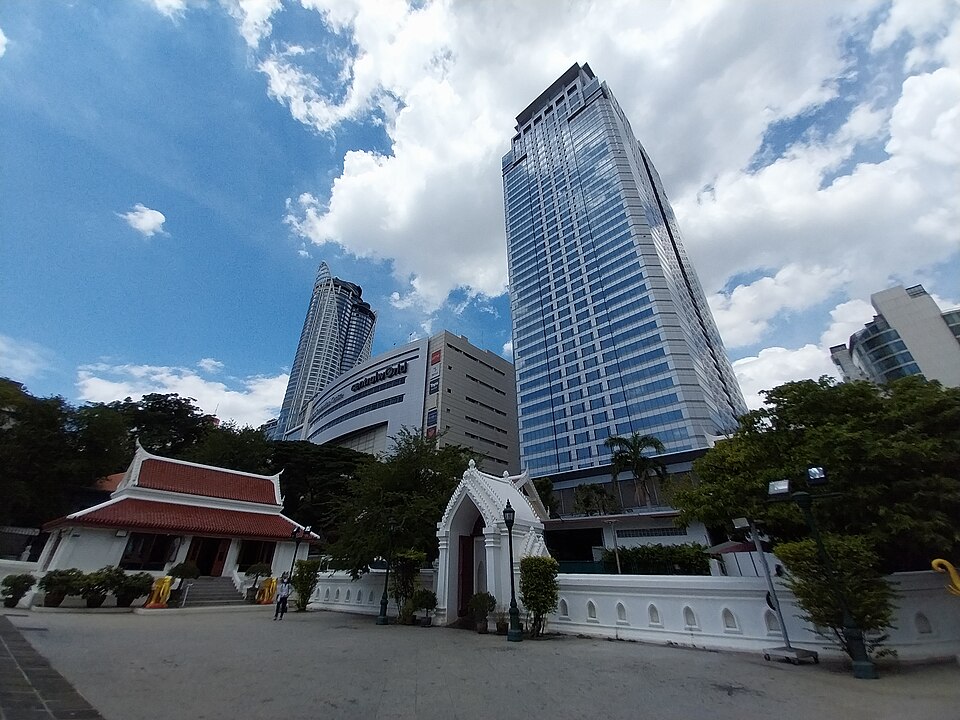
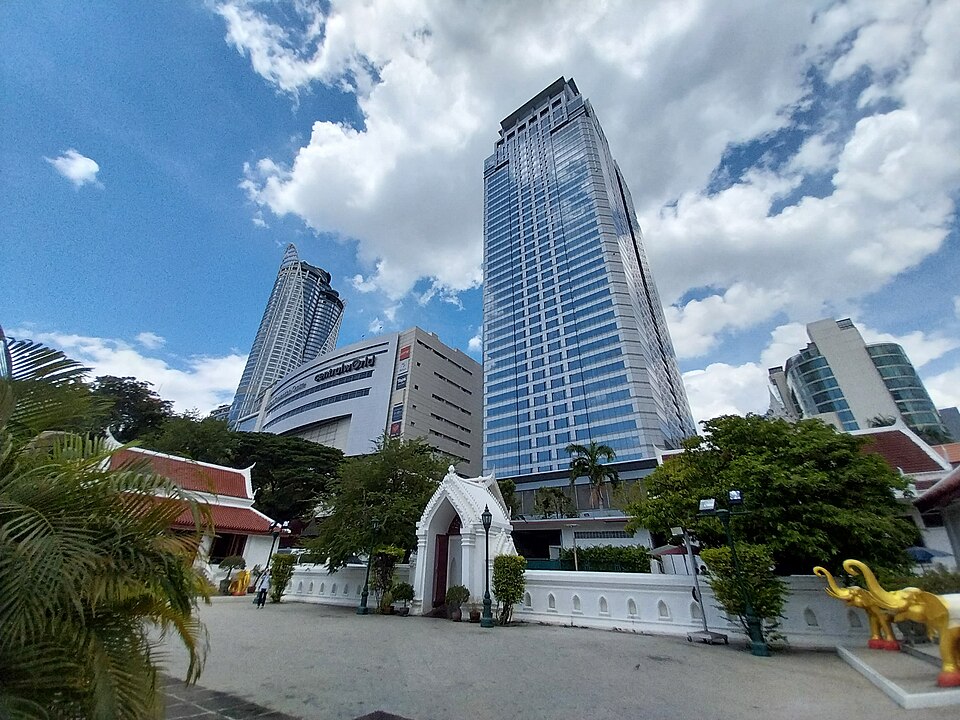
The temple is on Rama I Road in Pathum Wan, physically wedged between Siam Paragon and CentralWorld, and the skywalk is the way in. BTS Siam is the interchange of the Sukhumvit and Silom lines and sits directly over Siam Paragon; BTS Chit Lom is a similar distance from the other side. From either station, stay on the elevated walkway as far as the gap between the malls and descend at the temple wall, which is easy to walk past because the entrance is modest and set back from the road frontage. Arriving by car or taxi in this district is slow at almost any hour, and the mall car parks are not temple parking.
Checked 2026-08-25 · Source
This is a working monastery inside a shopping district, and the mismatch causes most of the problems. Shoulders and knees must be covered, shoes come off before entering the vihara and the ordination hall, and nobody should point their feet at a Buddha image or sit with their back to one. Women must not hand anything directly to a monk. The House of Mahidol memorial holds royal ashes and is treated as a place of mourning: visitors keep quiet there, do not pose in front of it, and follow any instruction from temple staff without argument. Remarks about the Thai monarchy are unwise anywhere in Thailand and particularly here. The 2010 shootings remain politically raw, so questions about them are not casual small talk. Practical traps are minor by comparison: the entrance is easy to miss from the skywalk, and afternoon downpours turn the unpaved paths under the trees to mud.
Checked 2026-08-25
The picture that only this temple can give is the contrast: gilded roof finials framed against the glass of Siam Paragon, best taken from the gravel inside the compound with a moderate telephoto that stacks the two planes together. Morning light comes over the low eastern buildings and reaches the chedi before the mall facades bounce it back, which is a short window worth being early for. Inside the halls, photograph the images only from a standing or kneeling position at the rear, never with flash, and stop entirely if a service is in progress or if a sign says so. Do not photograph monks without asking, do not photograph the House of Mahidol memorial or anyone praying at it, and keep tripods outside the halls.
Checked 2026-08-25
King Mongkut, Rama IV, founded it in 1857 next to his Sa Pathum Palace, when the area was rice field and lotus pond. It is a third-class royal temple of the Thammayut order; Thai sources put the building work at 1861 and the consecration at December 1910.
Phra Sai and Phra Soem, sixteenth-century images in the Vientiane style, stand in the vihara, and Phra Sayan, a seated image from Mahachai in Laos, is in the ordination hall. All three are Lao rather than Siamese work.
Neither is recorded. The temple has no working official website, and no operator page states hours or a price, so this page prints none. Ask at the temple office inside the gate if access on a particular day matters.
During the crackdown on the Red Shirt protest at Ratchaprasong, the temple grounds were used as a refuge and first-aid point. On 19 May 2010 six people were shot dead inside the compound; autopsy findings attributed the deaths to high-velocity gunfire from the direction of the elevated railway.
Covered shoulders and knees, and shoes that come off easily, since footwear is removed before entering the vihara and the ordination hall. This is an active monastery holding royal ashes, not a sightseeing courtyard.
The temple stands on Rama I Road between Siam Paragon and CentralWorld. Walk from BTS Siam or BTS Chit Lom along the skywalk and descend at the gap between the two malls; the entrance is modest and set back from the road.
Loading the interactive map…
The interactive map could not be loaded.
Last updated:
Source: OpenStreetMap contributors, Wikidata ·