
.JPG)
.JPG)
.JPG)
.JPG)
.JPG)
2 min walk · Stari Grad
Bista Nedeljka Košanina
- High
- Historic monument
Language · 1 published
Nature site · Градска општина Стари град, Belgrade
Ботаничка башта Јевремовац
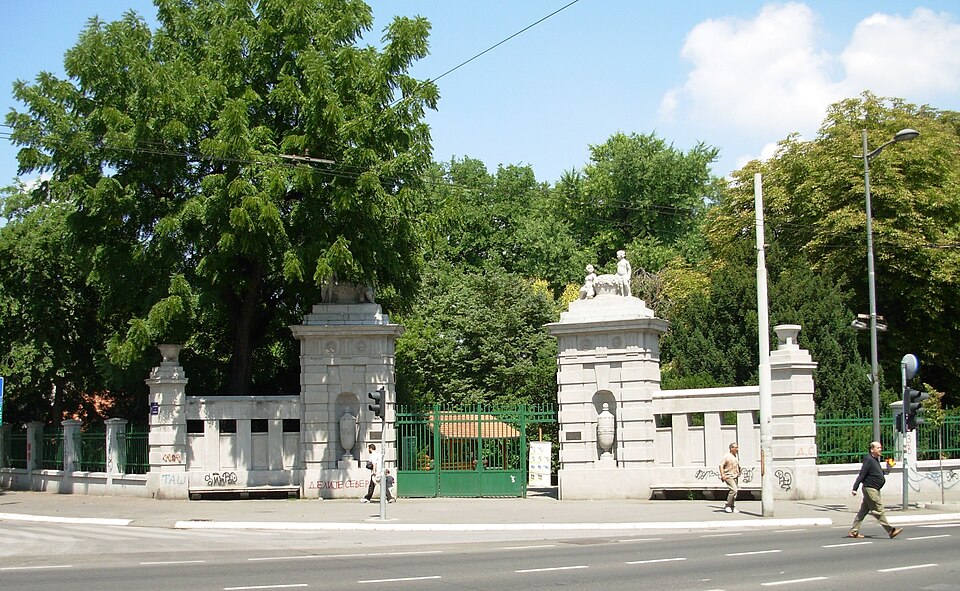
Jevremovac is a university botanic garden in the Stari Grad municipality of Belgrade, run by the University of Belgrade's School of Biology. It was founded in 1874 on the suggestion of the botanist Josif Pančić and opened to the public in 1880. The original site by the Danube flooded and was destroyed, so in 1889 King Milan Obrenović donated his own estate for a replacement garden, naming it "Jevremovac" after his grandfather Jevrem Obrenović.
The garden was declared a natural monument in 1995 and a cultural monument in 2007, recognising both its plant collection and its nineteenth-century layout and buildings. It remains a teaching and research collection attached to the university rather than a municipal park, and draws around 60,000 visitors a year.
Checked 2026-08-23 · Source
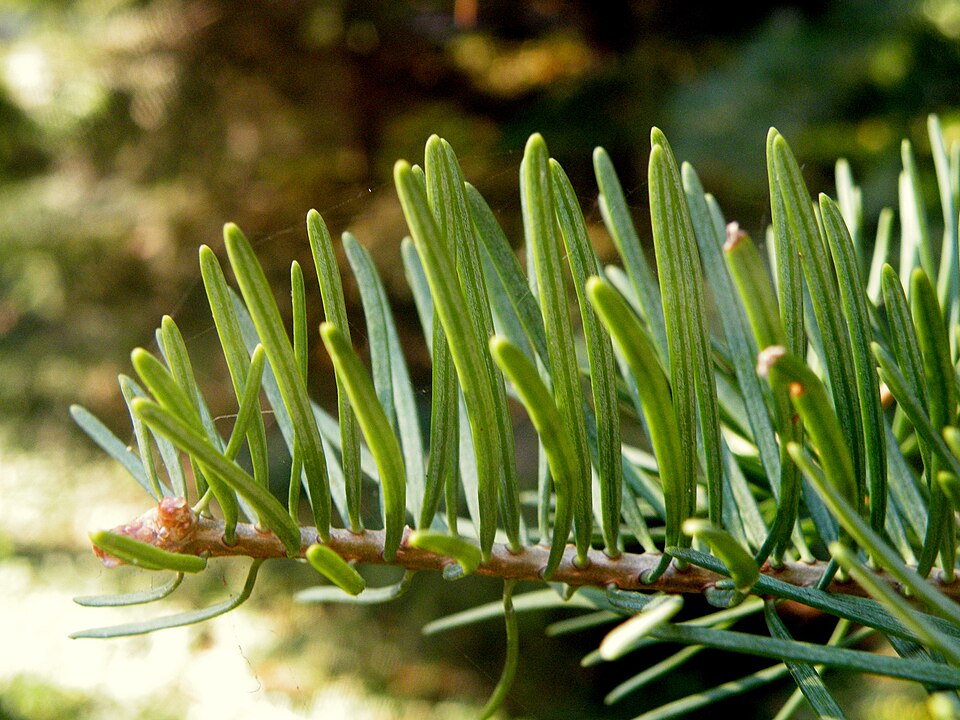
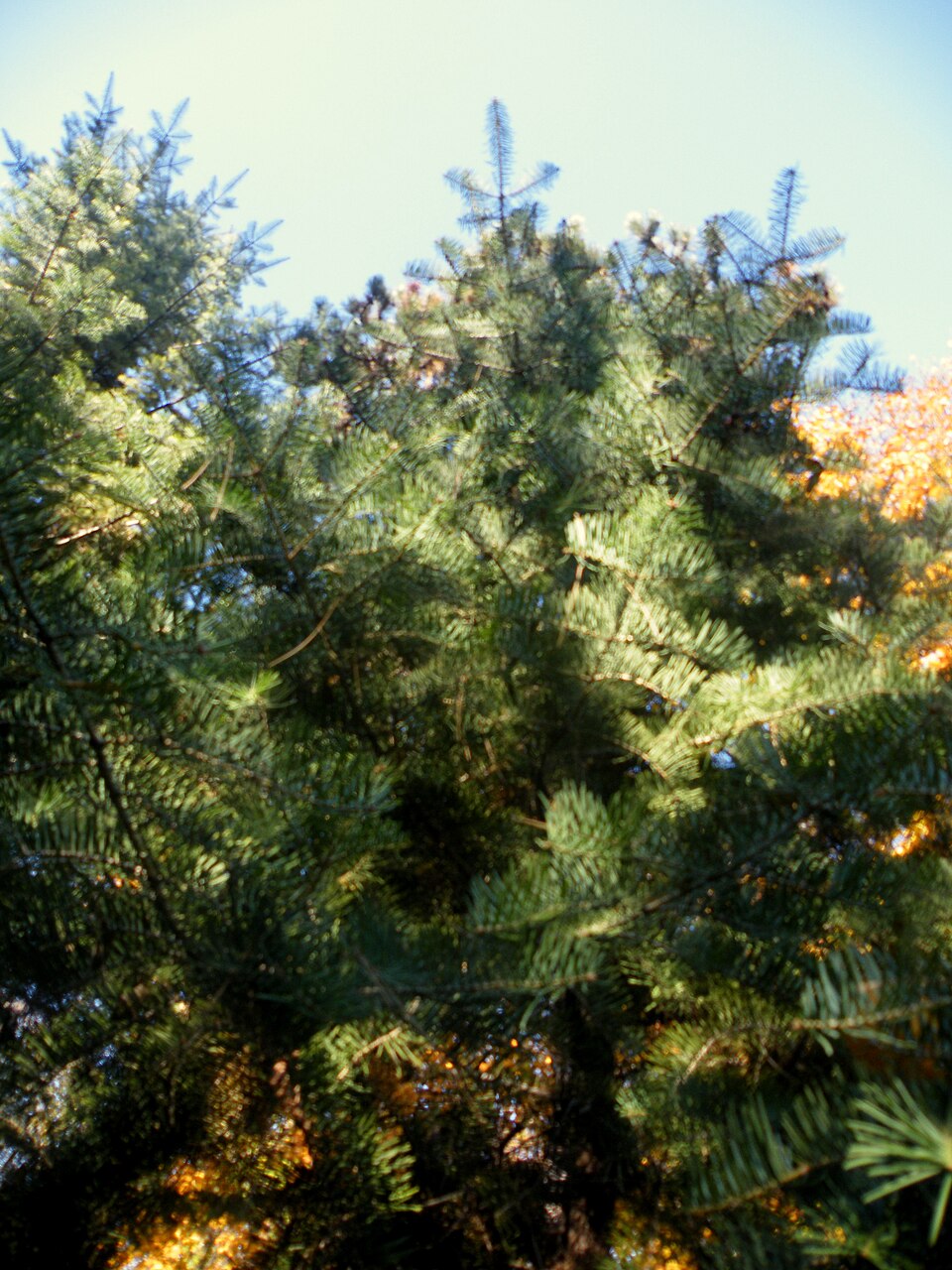
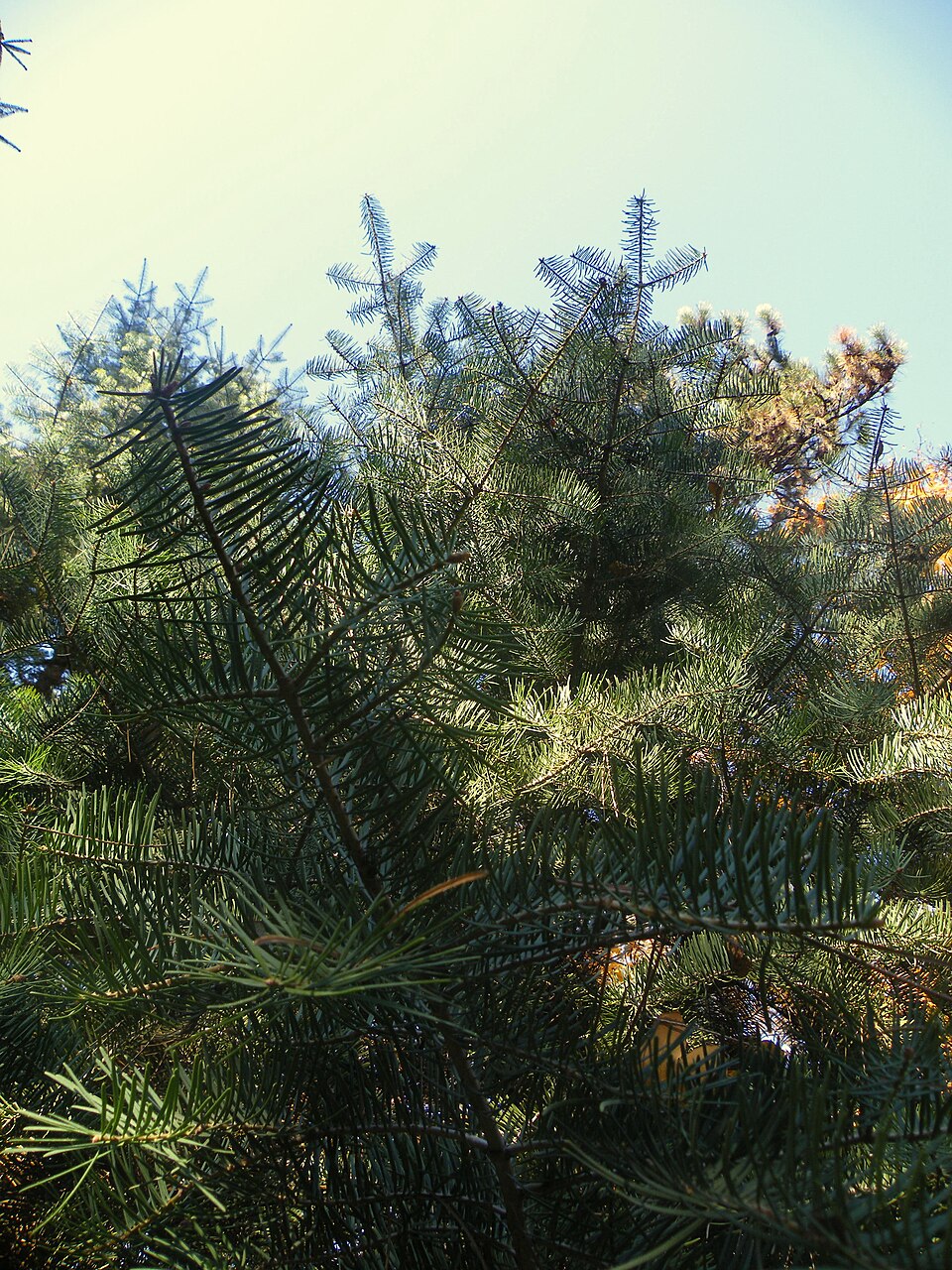
The arboretum covers 4.83 hectares and holds about 2,500 plant species, including more than 250 species of tree and shrub. A greenhouse built in 1892 covers 500 square metres and holds over 1,000 tropical and subtropical species, which is the part of the garden least affected by Belgrade's winter.
Among the individual specimens, a Quercus trojana oak around 150 years old has itself been declared a natural monument. The garden also carries a Japanese garden, opened in 2004, and a European garden, opened in 2006, laid out as distinct sections within the wider grounds; a section called the Pollinators' Oasis opened in 2023 and is planted specifically to support bees and other pollinating insects. Underground ice cellars from the property's royal period survive beneath the grounds.
Away from the living collection, the School of Biology's herbarium holds roughly 120,000 mounted sheets and more than 300,000 dried specimens in total, of which about 16,000 were collected by Pančić himself. The herbarium is a research resource rather than a public exhibit, but its scale is part of why the garden is significant beyond its grounds.
Checked 2026-08-23 · Source
An hour covers the arboretum's paths, the greenhouse, and the Japanese and European garden sections without rushing. Visitors specifically interested in the plant labelling and the older specimen trees, including the protected oak, should allow closer to ninety minutes. The garden is compact enough that it fits easily into an afternoon that also covers other Stari Grad sights, rather than needing a dedicated half day of its own.
Checked 2026-08-23
The garden publishes a fixed opening season rather than year-round hours: it is open to visitors from 1 May to 1 November, 09:00 to 19:00. Late spring, when the collection is in leaf and the Japanese and European gardens are flowering, is the strongest time to visit; outside that season the garden is effectively closed to the public regardless of the weather.
Checked 2026-08-23 · Source
Current admission prices are not published on the sources this page uses and are not reproduced here. The garden operates as a paid attraction during its May-to-November season rather than free open space, so visitors should confirm the fee at the gate.
Checked 2026-08-23
Jevremovac sits in Stari Grad, Belgrade's old town municipality, close to the university's other faculty buildings. Belgrade has no metro, so it is reached on foot from the old town or by tram or bus if coming from further out; the garden's central location makes it an easy add-on to a walk through the old town rather than a separate trip.
Checked 2026-08-23
The fixed May-to-November season is the main practical trap: turning up in winter finds the garden closed regardless of daylight or weather. Inside the season, the 1892 greenhouse is a working growing space and paths between the beds can be narrow, so large bags or bulky equipment are awkward to carry through it.
As a research and teaching collection, some beds and the herbarium building are working spaces for the School of Biology rather than public exhibits, and visitors should keep to the marked paths rather than stepping into planted beds, both out of respect for the collection and because some sections carry protected-specimen status.
Checked 2026-08-23
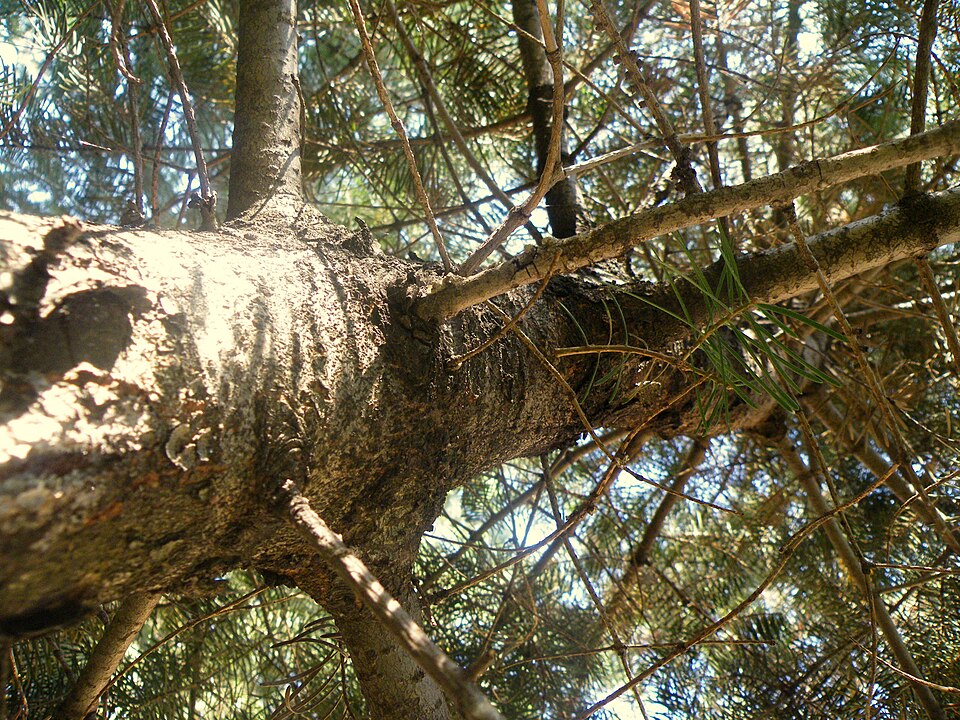
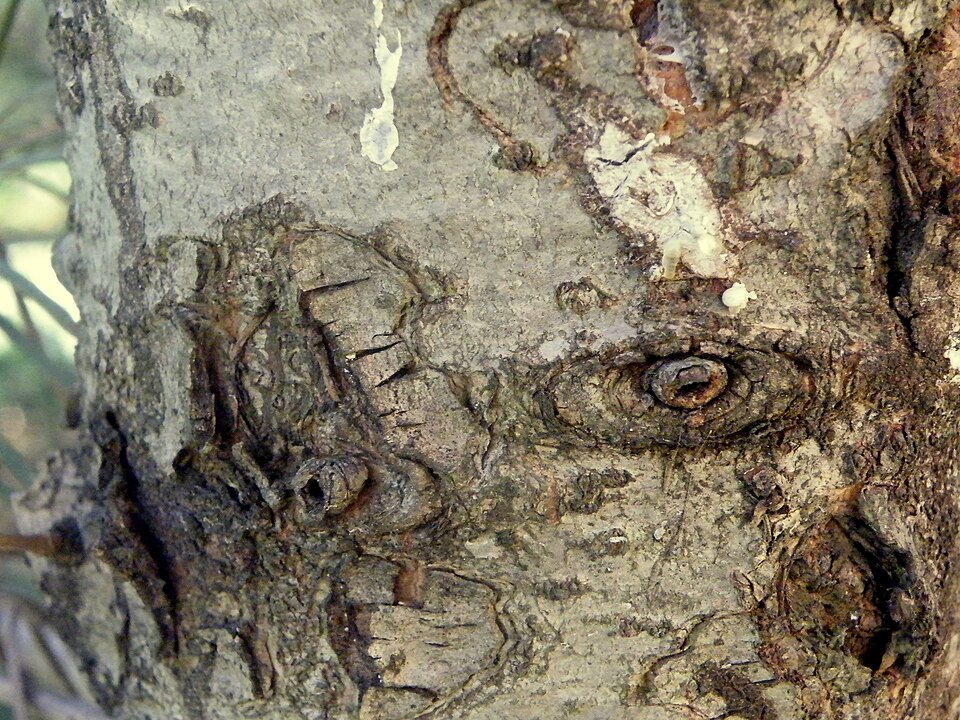
The Japanese garden and the 1892 greenhouse are the two most photogenic sections, the greenhouse especially in the flat light of an overcast day when its glass does not blow out highlights. The protected Quercus trojana oak is worth a wider shot that shows its full crown against the arboretum's other trees rather than a close detail of the bark alone.
Checked 2026-08-23
The garden was founded in 1874 on the suggestion of the botanist Josif Pančić and opened to the public in 1880. Its current site was donated by King Milan Obrenović in 1889 after the original location by the Danube flooded.
The arboretum holds about 2,500 plant species across 4.83 hectares, including more than 250 tree and shrub species, plus over 1,000 tropical and subtropical species in its 1892 greenhouse.
Jevremovac is open to visitors from 1 May to 1 November, 09:00 to 19:00. It does not operate as a year-round attraction.
Current admission prices are not published on the sources this page uses and are not reproduced here; the garden charges for entry during its open season rather than functioning as free public space.
The garden is administered by the University of Belgrade's School of Biology and functions as a teaching and research collection as well as a public garden.
A Quercus trojana oak roughly 150 years old has been individually declared a natural monument within the garden's grounds.
Loading the interactive map…
The interactive map could not be loaded.
Last updated:
Source: OpenStreetMap contributors, Wikidata ·