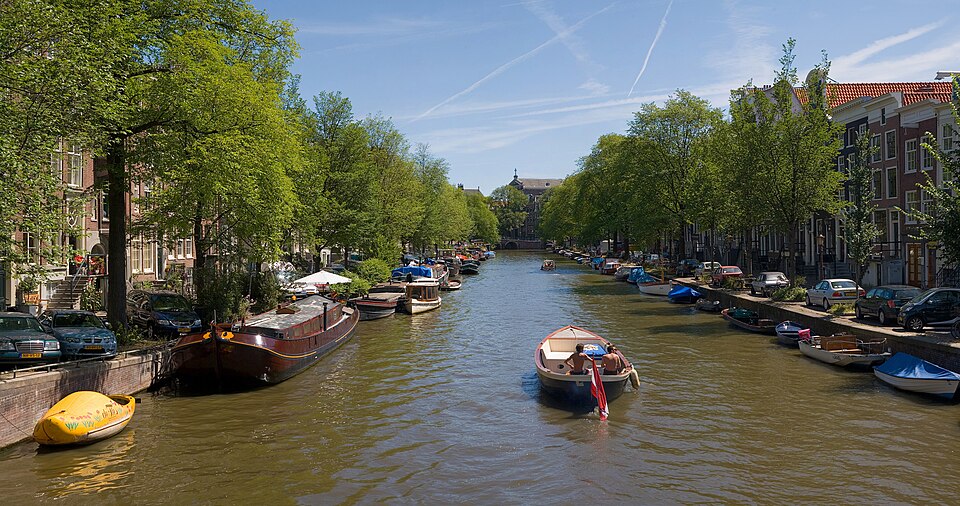
Grachtengordel
The Grachtengordel is not a building a visitor enters but a district a visitor walks through, and it is the largest single thing on Amsterdam's sightseeing list.
- Must see
- Historic monument
Language · 1 published
City guide · Netherlands
Amsterdam is the constitutional capital of the Netherlands, organised around a historic centre of canals, bridges and narrow streets. The seventeenth-century canal ring shapes the central visitor experience, while major museums cluster south around Museumplein and ferries connect Centraal Station with Amsterdam Noord. The city is compact but not confined to the old centre: Jordaan, De Pijp, Plantage, Westerpark, Oost and the redeveloped northern waterfront each work as distinct neighbourhood visits.
Ranked by importance — sitelinks, pageviews and heritage status, not editor preference.
100 places match
Category
Typical visit duration
Interests
The Grachtengordel is not a building a visitor enters but a district a visitor walks through, and it is the largest single thing on Amsterdam's sightseeing list.
The Royal Palace Amsterdam stands on the west side of Dam Square, opposite the National Monument and beside the Nieuwe Kerk. It was not built as a palace.
Amsterdam Central Station is the largest railway station in Amsterdam and a major national transport hub. The station building stands on the northern edge of the city centre, facing the IJ river.
The Stelling van Amsterdam is a historical defensive ring of fortifications surrounding the Dutch capital. Constructed between 1880 and 1920, it represents a unique water-based defence system.
De Wallen is the oldest and most historic neighbourhood of Amsterdam, located in the medieval centre. It encompasses the city's original harbour and canal network, with buildings dating back centuries.
The Magere Brug, or Skinny Bridge, is a historic drawbridge spanning the Amstel River in central Amsterdam. Its distinctive white-painted structure and traditional double-leaf bascule design make it one of the city's most recognisable river crossings.
The Munttoren is a historic tower in Amsterdam, situated at Muntplein where the Amstel river meets the Singel canal. It originally formed part of the Regulierspoort, one of the main gates in Amsterdam's medieval city wall.
The National Monument is a white stone memorial pillar located on Dam Square in central Amsterdam. Erected in 1956, it commemorates Dutch victims of World War II and subsequent conflicts.
Dam Square, known locally as the Dam, is the central square of Amsterdam, Netherlands. It lies in the historical center of the city, approximately 750 meters south of Central Station.
Fort Pampus is a sea fort located on the artificial island of Pampus in the IJmeer, east of Amsterdam.
The Waag is a historic building on Nieuwmarkt square in Amsterdam. It was originally constructed as a city gate, Sint Antoniespoort, in 1488 as part of the medieval defensive walls.
Beurs van Berlage is a historic building in Amsterdam, originally constructed as a commodity exchange. Designed by architect Hendrik Petrus Berlage and completed in 1903, it represents an important example of Dutch modern architecture.
The Zuiderkerk is a former Protestant church in Amsterdam, located in the Nieuwmarkt area near the historic city centre.
Montelbaanstoren is a historic tower in Amsterdam, Netherlands, located along the Oude Schans canal. Originally constructed in 1516 as part of the city's medieval fortifications, it served a defensive purpose in protecting Amsterdam.
The Homomonument is a memorial in Amsterdam dedicated to LGBTQ+ people who have faced persecution. Designed by Karin Daan, it was unveiled in 1987 and consists of three pink granite triangles forming a larger triangle.
The Oost-Indisch Huis is a historic building in Amsterdam associated with the Dutch East India Company, known locally as the VOC. Constructed during the Dutch Golden Age, it served as the company's headquarters and administrative centre.
The Schreierstoren is a medieval defensive tower in Amsterdam, Netherlands. It stands at the edge of the old city centre near the IJ waterfront.
Begijnhof is a historic courtyard in central Amsterdam, one of the oldest inner courts in the city. The site originated as a beguinage, a community for religious women who lived together without taking monastic vows.
Scheepvaarthuis is a historic building in Amsterdam, constructed as the headquarters for six shipping companies. Designed in the Amsterdam School architectural style, it represents an important era of Dutch maritime commerce.
Leidseplein is a prominent public square in Amsterdam, situated in the city centre within the Canal Ring area. The square serves as a major hub for nightlife, entertainment, and social gathering.
Oosterkerk is a historic church building in Amsterdam, Netherlands. The name translates from Dutch as East Church, indicating its location in the eastern part of the city.
Huis met de Hoofden, locally known as Het Huis met den Hoofden, is a historic canal house in Amsterdam.
The Hollandsche Manege is a historic riding school in Amsterdam, Netherlands. Established in the nineteenth century, it represents one of the oldest indoor riding facilities in the country.
Felix Meritis is a historic cultural building located in Amsterdam, Netherlands. The name translates from Latin as Happiness through Merit. The building has served various cultural and intellectual functions throughout its history.
The Amsterdam Dungeon is a theatrical tourist attraction in Amsterdam. It presents historical events through live actor performances, special effects, and themed scenes. The attraction belongs to the Dungeon brand operated by Merlin Entertainments, with sister sites in other cities.
The Muizenfort, or Mouse Fort, is a historic fortification structure located in Amsterdam. As part of the Dutch defensive waterline systems, it represents nineteenth-century military engineering.
Spui is a square in the centre of Amsterdam, Netherlands. It lies in the borough of Amsterdam-Centrum, near the Singel canal. The square functions as a public gathering space and hosts a weekly book market.
Python Bridge, known locally as Pythonbrug, is a pedestrian bridge in Amsterdam. The structure derives its name from its serpentine shape, resembling a python snake.
The West-Indisch Huis is a historic building in Amsterdam associated with the Dutch West India Company, a major chartered company of the seventeenth century.
Source: OpenStreetMap contributors, Wikidata ·
Start with Centrum around Dam Square and the medieval streets, then read the canal belt as widening arcs around it. Jordaan lies west of the Prinsengracht, while the Museum Quarter and De Pijp sit south of the central canals. Plantage and the eastern islands extend the cultural route eastward. Amsterdam Noord is across the IJ rather than across another canal and is reached from the Centraal Station waterfront. The municipality divides Amsterdam into seven districts plus the Weesp city area, but visitor neighbourhood names are usually more useful than administrative boundaries.
Checked 2026-08-26
Walk through the central canals and use GVB trams, metros, buses and ferries for longer links. GVB accepts contactless check-in and check-out through OVpay as well as its own visitor tickets. Cycling is part of daily transport, but unfamiliar riders should not treat busy cycle lanes as a sightseeing attraction; public transport is the calmer first choice. Ferries are particularly useful for Amsterdam Noord, while trams connect the centre with Museumplein and surrounding neighbourhoods. Always check in and out with the same card or device.
Checked 2026-08-26
A fixed stay length is not recorded. Organise time around Centrum and the canal ring, the Museum Quarter, then one or more outer neighbourhoods such as Noord, De Pijp or Oost.
Centrum and the canal ring form the main historic core. Jordaan lies to the west, Museumplein to the south, and Amsterdam Noord sits across the IJ from Centraal Station.
GVB supports OVpay. Check in when boarding or entering the system and check out at the end using the same contactless card, phone or watch.
No. Walking and GVB services cover the visitor city well. Cycling is practical for confident riders, but busy local cycle traffic makes it a poor default for an unfamiliar visitor.
Use the GVB ferries from the waterfront behind Centraal Station. Noord is across the IJ and should be planned as a separate neighbourhood cluster rather than part of a canal-ring walk.
Set your days, your pace and the hours you actually want to be out. The planner works around closing days and travel time, and leaves room to eat.