
.jpg)


01
1 hour
Teatro dell'Opera di Roma
Teatro dell'Opera
- Must see
- Art and culture venue
- Rome
Language · 11 published
Country guide

Italy holds 62 World Heritage Sites, more than any other country, spread across 301,340 km2 of land that runs from the Alps down into the middle of the Mediterranean. The distances between its cities are short and the differences between them are not: Venice has no roads, Naples sits under a volcano on a bay, Florence fits inside a walkable Renaissance grid, and Milan keeps its art indoors and works for a living. Rome is the capital and the obvious first trip; the argument is always about what comes second. Nearly 800 islands hang off the coast, and Sicily and Sardinia are each large enough to be a trip of their own.
Every city catalogued in this country so far, ranked by how much there is to see.

Photograph · Bert Kaufmann from Roermond, Netherlands · CC BY-SA 2.0

Photograph · Daniel Case · CC BY-SA 3.0

Photograph · Wikibusters · CC BY-SA 4.0

Photograph · Martin Falbisoner · CC BY-SA 4.0
Ranked by importance — sitelinks, pageviews and heritage status, not editor preference.
100 places match
Category
Typical visit duration
Teatro dell'Opera
Pietà
Colonna di Traiano
Lupa capitolina
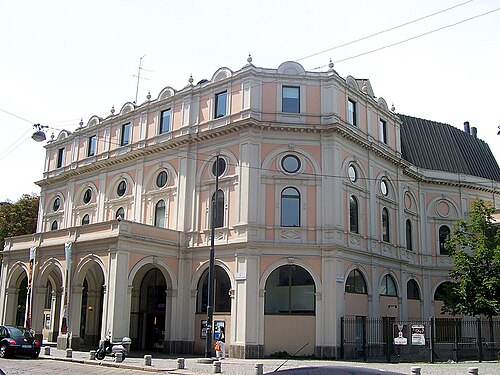
Teatro Dal Verme
Teatro Dal Verme is a historic theatre in Milan, Italy. The venue carries significant cultural heritage as a performing arts space in one of Italy's major cities.
Statua equestre di Marco Aurelio
Mosè
Cavalli di San Marco
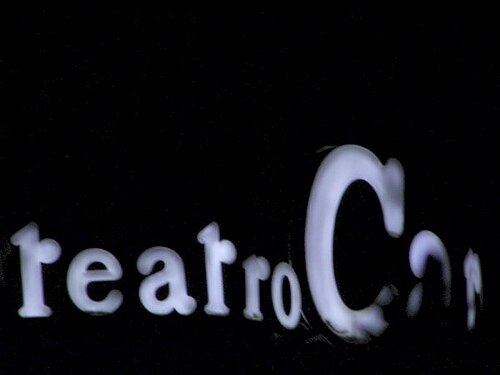
Teatro Carcano is a historic theatre in Milan, Italy, with origins dating to the nineteenth century. It stands as one of the city's established performing arts venues, contributing to Milan's rich cultural landscape.
Monumento ai Tetrarchi
Teatro Lirico Giorgio Gaber
Accademia di Francia a Roma
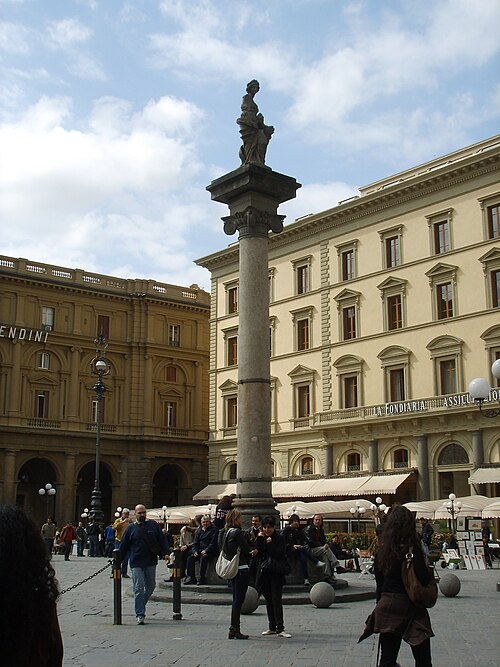
Colonna dell’Abbondanza
The Colonna dell'Abbondanza stands as a historic column in Florence, Italy. Its local name, Colonna dell'Abbondanza, identifies this monument within the urban fabric of the city.
Perseo
Il Ratto delle Sabine
Leoni
Piccolo Teatro Grassi
Colonna dell'Immacolata
Statua "parlante" Madama Lucrezia
Menelao e Patroclo
"Statua parlante" Abate Luigi
Statua equestre di Cosimo
Madonnina del Duomo di Milano
Fontana del Porcellino
Pignone
Monumento a Napoleone III
Statua a Cesare Beccaria
monumento a Giuseppe Garibaldi
Monumento a Indro Montanelli
Monumento a Francesco Hayez
Obelisco
San Giorgio di Donatello
Ercole uccide il centauro Nesso
Ercole e Caco
Piè di marmo
Disco Grande
Monumento a Giuseppe Giacosa
Monumento a Luciano Manara
Monumento a Giovanni Battista Piatti
Teatro dei Filodrammatici
Colonna di Santa Felicita
Napoleone come Marte Pacificatore
Neottolemo rapisce Polissena dalle braccia di Ecuba
Uomo di pietra
Gigi Proietti Globe Theatre Silvano Toti
Monumento a Giovanni delle Bande Nere
Monumento a Goethe
Magazzini del Sale
Mitreo delle Terme del Mitra
Generale Manfredo Fanti
Colonna della Giustizia
Istituto Svizzero
monumento a Bonaventura Cavalieri
Carlo Goldoni
Cola di Rienzo
Monumento a Gabrio Piola
Monumento a Giuseppe Sirtori
Monumento a san Giovanni Nepomuceno
monumento a Luigi Cagnola
Monumento a Pietro Verri
Monumento a San Francesco
Monumento equestre di Giorgio Castriota
Monumento a Tommaso Grossi
Ago, filo e nodo
Fontana di San Francesco
Piccolo Teatro Studio Melato
Novecento
L'Angelo della Città
Costantino Imperatore
Umberto Re d'Italia
Genio dello Sport
Italia Turrita
Source: OpenStreetMap contributors, Wikidata ·
Ten to fourteen days can combine Milan, Venice, Florence, and Rome by high-speed train. Give Venice more than a transfer night and Rome several separate sightseeing days; rural Tuscany needs different transport planning from the rail-linked cities.
Italy is in the Schengen Area, but visa and passport requirements vary by nationality and route. Use Italy's official visa portal to confirm the applicable rule before travel rather than relying on another Schengen trip.
High-speed trains connect Milan, Venice, Florence, and Rome, with regional rail and coaches serving smaller places. Drivers must check ZTL restrictions before entering historic centres because access controls are local and can generate fines.
April to June and September to October broadly suit the north-to-Rome rail route. Lagoon conditions in Venice, summer heat in Rome, and seasonal rural services in Tuscany should be checked independently.
Italy uses the euro (EUR). Carry a modest cash reserve for small purchases while using cards where accepted, and verify the euro amount at the terminal instead of accepting an unexamined conversion.
Italy routes emergency calls through 112. Travellers encounter a 230 V supply and Type C, F, or L receptacles. No tap-water assessment is recorded for Italy; obtain current local advice at the destination.