


2 min walk
Porta San Giorgio
- High
- Historic monument
Language · 1 published
Historic monument · Florence
Forte di Belvedere
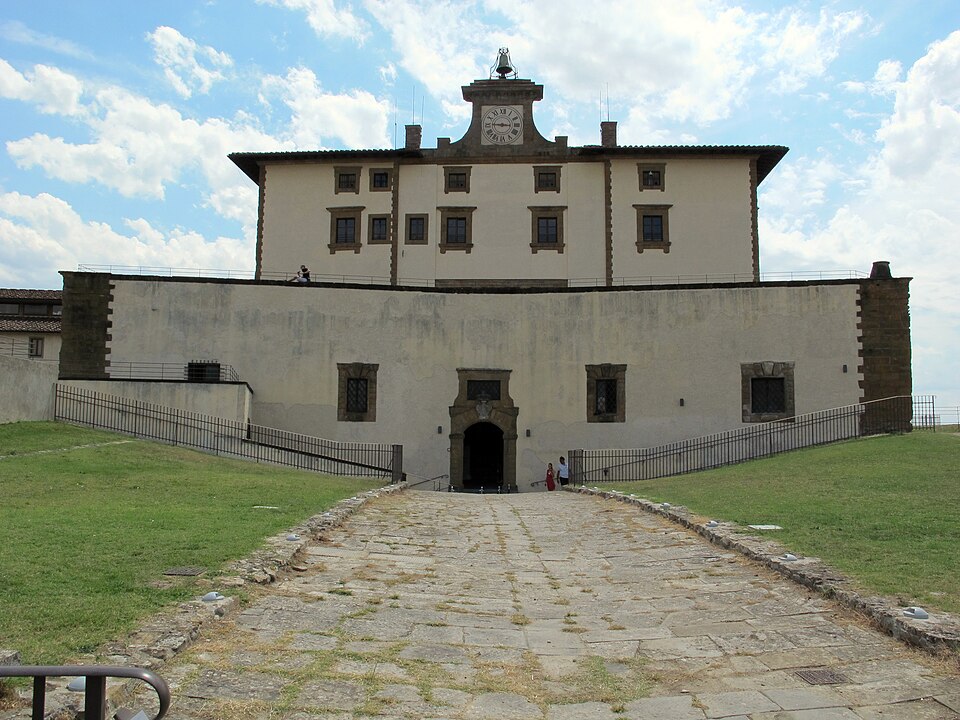
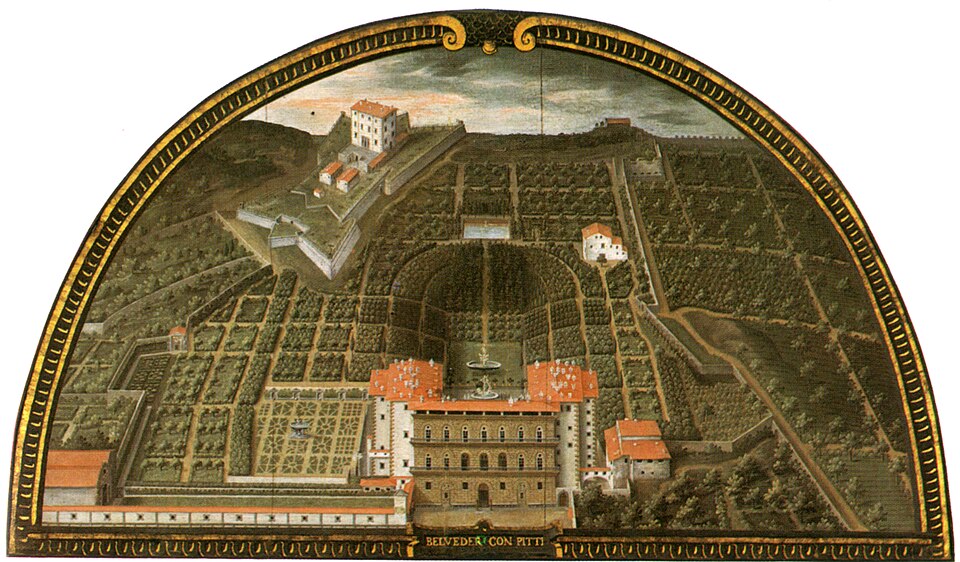
Forte di Belvedere is a historic fortress in Florence, Italy, constructed in the late sixteenth century under Grand Duke Ferdinando I de' Medici. The fortification was designed by architect Bernardo Buontalenti and completed around 1595. It stands on the highest point of the Boboli hill, overlooking the Arno River and the city center. The structure served both military defensive purposes and as a safe residence for the Medici family during political unrest. Its elevated position provided strategic surveillance over Florence and the surrounding territory.
Checked 2026-08-26
The fortress contains substantial bastions and ramparts characteristic of Renaissance military architecture. The central courtyard and surrounding walls demonstrate period construction techniques. The site encompasses open spaces suitable for exhibitions and cultural events. Interior areas include vaulted chambers and passages within the fortification walls. The building has historically accommodated art installations and temporary displays. Views from the upper terraces extend across Florence's historic center, including the Duomo and Palazzo Vecchio. The architectural ensemble represents a significant example of Medici patronage in military and residential design.
Checked 2026-08-26
A complete visit to Forte di Belvedere typically requires between sixty and ninety minutes for thorough exploration of the accessible areas. Visitors interested in architectural photography or extended viewing of the panoramas may wish to allocate additional time. The duration depends on whether temporary exhibitions or special installations are present during the visit. The perimeter walls and bastions involve walking on uneven historic surfaces with some inclines. Those with limited mobility should plan accordingly. The compact nature of the fortress allows efficient coverage of principal features without excessive time commitment.
Checked 2026-08-26
Operator-confirmed hours are Not recorded pending review. Visitors should consult official sources before planning their visit. The elevated position exposes the site to weather conditions including strong sun and wind. Morning visits may offer clearer atmospheric conditions for viewing the city. Summer afternoons can be particularly warm given limited shade in open areas. Spring and autumn generally provide comfortable temperatures for walking the exposed ramparts. Winter visits may encounter reduced accessibility depending on conditions. Seasonal variations in daylight affect photography and visibility of distant landmarks from the fortification.
Checked 2026-08-26

Operator-confirmed prices are Not recorded pending review. Admission policies may vary depending on exhibition programming and seasonal schedules. Some periods may feature free access during special events or cultural initiatives. Visitors should verify current entry requirements through official municipal or regional tourism channels. Group arrangements and educational visits may require advance reservation. Combination tickets with other Florence attractions are not confirmed in available sources. Payment methods and online booking availability should be confirmed directly. Reduced or complimentary entry categories for specific visitor groups are not documented in supplied materials.
Checked 2026-08-26

The fortress occupies a hilltop position south of the Arno River, accessible from the Boboli Gardens area or via Via San Leonardo and Costa San Giorgio. The approach involves uphill walking on paved surfaces with some steep sections. Public transportation connections require walking from nearest bus stops. The historic center location makes it reachable on foot from central Florence landmarks, though the ascent demands moderate physical effort. Taxis or ride services may approach closer to the entrance than regular traffic. Signage from surrounding streets directs visitors toward the fortification entrance.
Checked 2026-08-26
The historic fortification presents uneven walking surfaces including cobblestones, ramps, and steps without modern handrails in all locations. Exposed heights at wall edges require caution, particularly for children. Limited shelter exists during adverse weather. Summer heat exposure is significant in open courtyard areas. Some interior passages have restricted lighting. Visitors should wear appropriate footwear for historic terrain. The site may close or restrict access for private events or maintenance without extensive advance notice. Water fountains and restroom facilities availability should be confirmed. Mobile telephone reception may vary within thick fortification walls.
Checked 2026-08-26

The panoramic views from Forte di Belvedere offer exceptional opportunities for photographing Florence's skyline and surrounding hills. The southern orientation provides favorable light conditions during morning hours. The Arno River, Ponte Vecchio, Duomo, and Palazzo Vecchio are visible and identifiable from the ramparts. Wide-angle lenses accommodate the expansive vistas. The architectural textures of the bastions and walls suit detail photography. Tripod use policies are not specified in available sources and should be confirmed. Drone operation would require verification of current regulations. Interior spaces may present challenging light conditions requiring adjusted camera settings.
Checked 2026-08-26
The fortress is located on the same hill system but operates as a distinct site with separate access from the main Boboli Gardens complex.
Operator-confirmed prices are Not recorded pending review. Visitors should consult official sources for current admission policies.
The historic terrain includes steep approaches and uneven surfaces that present significant accessibility challenges. Specific accommodations are not documented.
Organized tour availability is not recorded in supplied sources. Visitors should inquire through official municipal channels for current programming.
This site combines military architecture with panoramic views, offering both historical interest and scenery unlike purely scenic overlooks such as Piazzale Michelangelo.
The structure served military and residential functions for centuries before conversion to public cultural use, though specific dates of public opening are not recorded.
Loading the interactive map…
The interactive map could not be loaded.
Last updated:
Source: OpenStreetMap contributors, Wikidata ·