Smart Self-Managed Tours

City guide · Iceland

Reykjavik

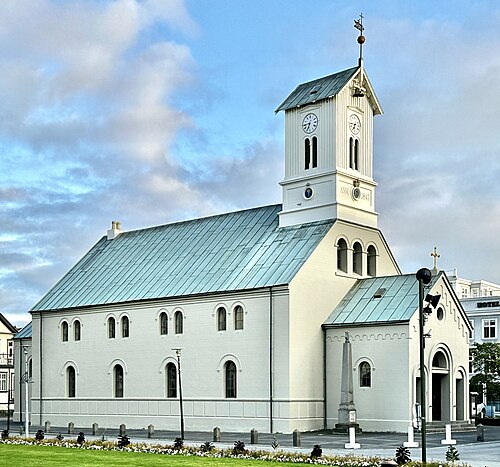
A photograph of Reykjavik
Photograph · Hedwig Storch · CC BY-SA 3.0

Reykjavík's old centre lies between Tjörnin and the harbour, with Hallgrímskirkja rising uphill to the east. Museums and waterfront architecture extend along the shore, while Laugardalur and outer neighbourhoods sit beyond the compact core. The Golden Circle, Reykjanes peninsula and south coast are regional routes outside Reykjavík itself. Weather and daylight can change how much of even a short urban route is practical.

Practical information

Language spoken
Icelandic
National practical orientation; regional and minority languages may also be used
Dialling code
+354
International calling code; local area and mobile prefixes still apply
Currency
Icelandic króna (ISK)
Use the official local currency; card acceptance varies by place
Emergency number
112
Use only for an emergency; tourist assistance may use a separate number
Plug type
Type C and F · 230 V
Check that chargers support the recorded voltage before using an adapter
Tap water
Safe from the mains
Cold mains water is the normal drinking supply

Turn this list into a plan

Set your days, your pace and the hours you actually want to be out. The planner works around closing days and travel time, and leaves room to eat.

Plan Reykjavik

Planning a visit

Suggested stay
Not recorded
Getting around
Walking and Strætó bus
  1. January: recurring difficult conditions
  2. February: recurring difficult conditions
  3. March: viable with meaningful trade-offs
  4. April: viable with meaningful trade-offs
  5. May: good time to visit
  6. June: best time to visit
  7. July: best time to visit
  8. August: best time to visit
  9. September: good time to visit — current month
  10. October: viable with meaningful trade-offs
  11. November: viable with meaningful trade-offs
  12. December: recurring difficult conditions
  • Best time
  • Good time
  • Viable with trade-offs
  • Difficult conditions

Sources

Top things to see

Ranked by importance — sitelinks, pageviews and heritage status, not editor preference.

  1. I8 Gallery
    09 1 hour

    I8 Gallery

    • Notable
    • Art and culture venue
  2. Tolli Tolli
    11 1 hour

    Tolli

    • Notable
    • Art and culture venue
  3. Ægir
    16 1 hour

    Ægir

    • Notable
    • Art and culture venue
  4. Andvarp
    20 1 hour

    Andvarp

    • Notable
    • Art and culture venue
  5. Án titils
    21 1 hour

    Án titils

    • Notable
    • Art and culture venue
  6. Art 67
    23 1 hour

    Art 67

    • Notable
    • Art and culture venue
  7. Austurbær
    26 1 hour

    Austurbær

    • Notable
    • Art and culture venue
  8. Bjargfesta
    30 1 hour

    Bjargfesta

    • Notable
    • Art and culture venue
  9. Bjartsýni
    32 1 hour

    Bjartsýni

    • Notable
    • Art and culture venue
  10. Björgun
    33 1 hour

    Björgun

    • Notable
    • Art and culture venue
  11. Dansleikur
    35 1 hour

    Dansleikur

    • Notable
    • Art and culture venue
  12. Dýrkun
    36 1 hour

    Dýrkun

    • Notable
    • Art and culture venue
  13. Fiskhöllin
    40 1 hour

    Fiskhöllin

    • Notable
    • Art and culture venue
  14. Fjöruverk
    41 1 hour

    Fjöruverk

    • Notable
    • Art and culture venue
  15. Flæði
    42 1 hour

    Flæði

    • Notable
    • Art and culture venue
  16. Fyssa
    46 1 hour

    Fyssa

    • Notable
    • Art and culture venue

Source: OpenStreetMap contributors, Wikidata ·

How the city is laid out

Walk the old centre, Tjörnin and the harbour as one compact circuit, allowing for the climb toward Hallgrímskirkja. Place Laugardalur or an outer museum in a second block reached by bus. Do not count a Golden Circle, Reykjanes or south-coast tour as spare time around Reykjavík: each leaves the urban area and is vulnerable to road and weather conditions.

Checked 2026-08-26

Getting around

Central Reykjavík is primarily explored on foot, with Strætó buses linking Laugardalur, outer districts and transfer points. The city has no urban rail network, so a missed bus can materially change an outer-neighbourhood plan. Consult Strætó's current timetable and ticket information before boarding. Regional tours and airport journeys are separate services and should not be inferred from the city-bus route map.

Checked 2026-08-26

Common questions

How many days should I spend in Reykjavik?

No official city-wide duration is recorded. Give the old centre, harbour and central museums priority, then add Laugardalur or an outer district. Regional Iceland routes require additional time beyond the Reykjavík visit.

How should I organise sightseeing in Reykjavik?

Make one walking circuit around Tjörnin, the old centre and harbour, with Hallgrímskirkja on the uphill side. Use a separate bus-led block for Laugardalur or an outer museum.

How do I get around Reykjavik?

Walk through central Reykjavík and use Strætó for districts beyond the core. Check the current bus timetable and ticket instructions directly, since there is no urban train alternative when a connection is missed.

Can I explore Reykjavik mainly on foot?

The old centre, harbour and major central landmarks form a manageable walk. Laugardalur and outer neighbourhoods are better reached by bus, especially when wind, rain, snow or limited daylight affects the route.

Which Reykjavik trips need separate planning?

The Golden Circle, Reykjanes peninsula and south coast are separate regional journeys. Check road conditions, daylight, pickup arrangements and the return plan rather than attaching one to a central sightseeing schedule.