The Palais de Justice is the historic seat of the French judiciary on the Ile de la Cite, built on the site of the medieval Palais de la Cite, the residence of the Capetian kings from the 10th century until Charles V moved the royal household to the Louvre and the Marais in the 14th century.
A fire in 1776 destroyed much of the old royal palace, and the buildings were rebuilt as courts; a second fire, set during the suppression of the Paris Commune in May 1871, gutted large parts of the complex again, and most of what stands today dates from the Second Empire and Third Republic rebuilding that followed.
It houses the Cour de cassation, France's highest court for civil and criminal matters, and the Cour d'appel de Paris. In 2018 the bulk of ordinary Paris trial courts moved out to a new courthouse at Porte de Clichy designed by Renzo Piano, leaving the historic Palais mainly to the appellate and supreme courts.
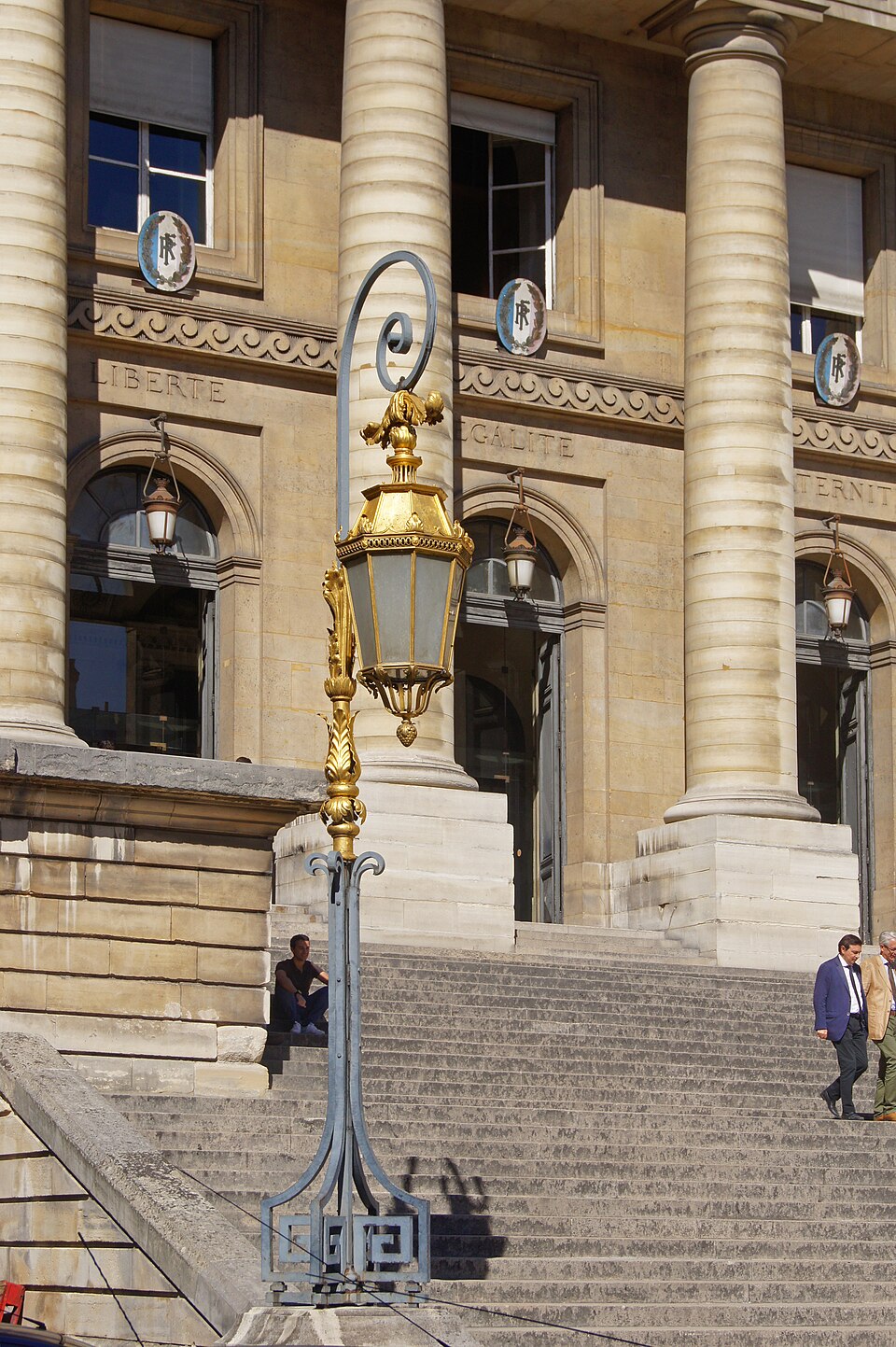
The Salle des Pas Perdus, the great hall rebuilt after the 1871 fire, is the building's public heart — a vast vaulted space lawyers and litigants have crossed for over a century waiting for a case to be called.
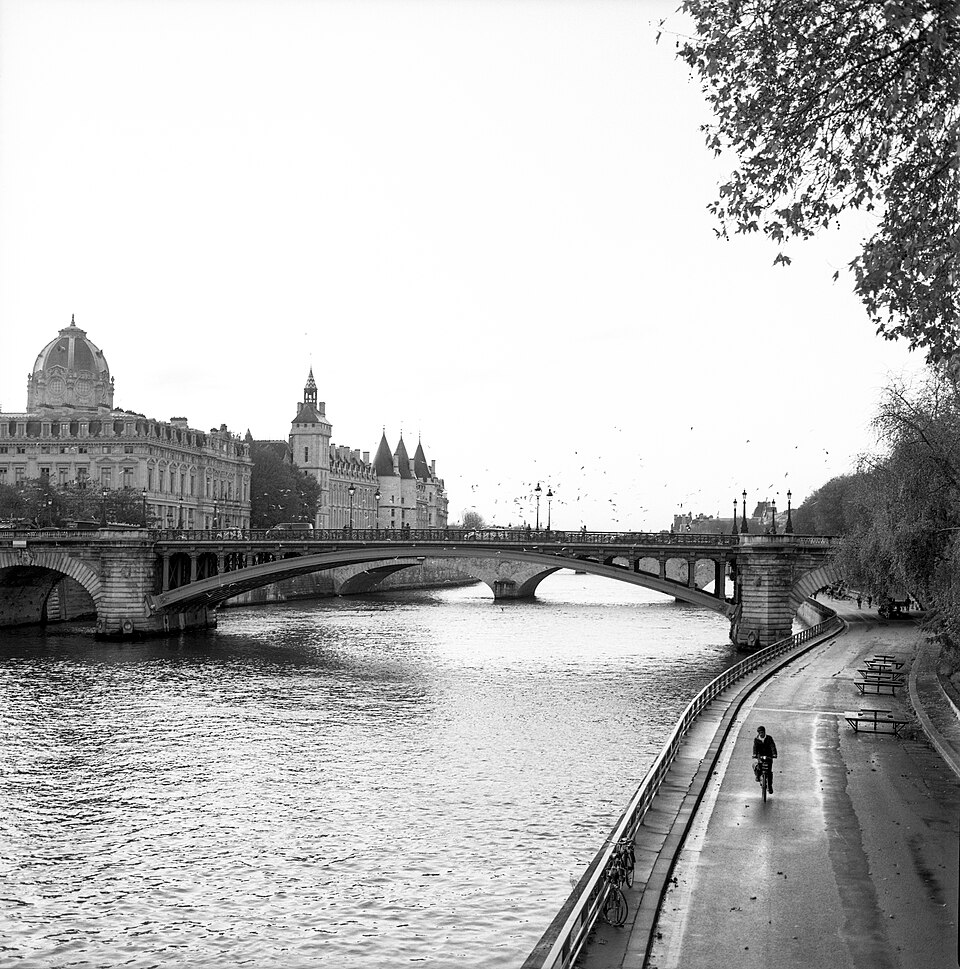
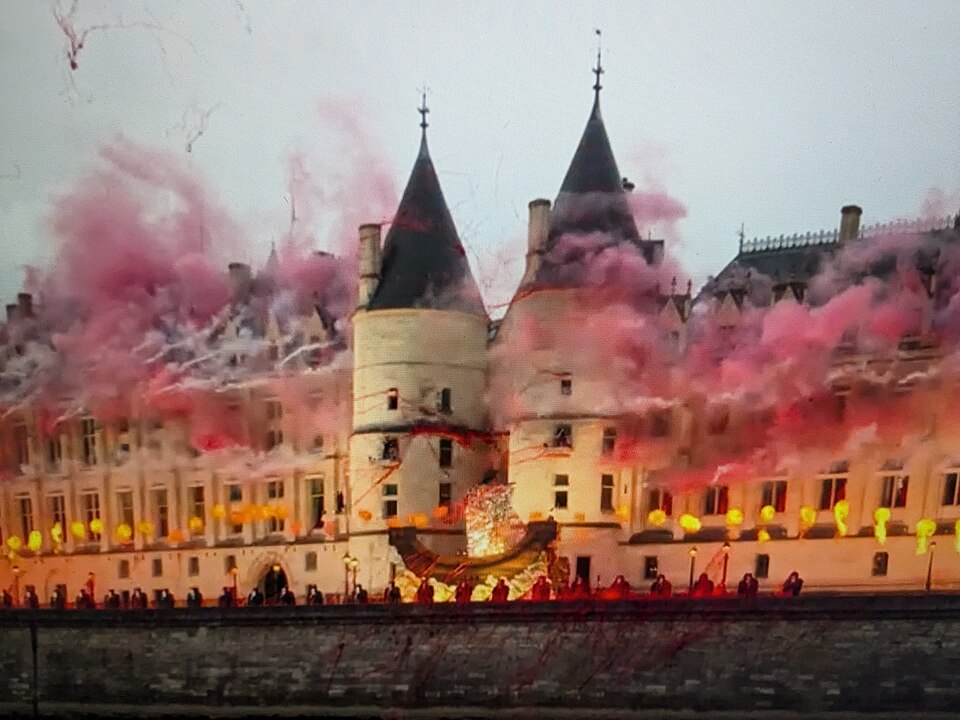
The same walled complex also holds the Conciergerie, the former royal prison where Marie Antoinette was held before her execution, and Sainte-Chapelle, Louis IX's 13th-century palace chapel — both run as separate museums by the Centre des monuments nationaux, with their own entrances and their own tickets, and neither is covered by this page.
The working courtrooms themselves are not a museum circuit: access depends on whether a hearing is in session and open to the public, which is the normal rule for French courts rather than a tourist arrangement.
There is no general tourist visit to time here the way there is for a museum. Entering to sit in on a public hearing, once past security, is realistically an hour or more depending on the case.
Visitors who only want the exterior and the Salle des Pas Perdus, when it is accessible, can see both in twenty to thirty minutes. The Conciergerie and Sainte-Chapelle, next door in the same complex, are each a separate hour-plus visit on their own tickets.
French courts sit on business days and are closed on weekends and French public holidays, but the exact public visiting hours for the Palais de Justice itself are not recorded on the sources this page uses — confirm at the entrance on Boulevard du Palais.
A courtroom open to public hearings will be busiest around the morning and afternoon session starts; a courtroom hearing a case under judicial secrecy will simply be closed, and that is decided case by case rather than published in advance.
No entry ticket for the courthouse itself. The public can enter to observe an open hearing after security screening, generally at no charge, which is a different arrangement from the Conciergerie and Sainte-Chapelle inside the same walled complex, both of which are separately ticketed museums.
Current admission prices for those two are set and published by the Centre des monuments nationaux, not by the Palais itself, and are not reproduced on this page.
Cite on Metro line 4 is the closest station, on the Ile de la Cite itself. Saint-Michel on the RER B and C and Chatelet on multiple lines are both a short walk across a bridge.
The main public entrance for the judicial part of the complex is on Boulevard du Palais; the Conciergerie and Sainte-Chapelle each have their own separate entrances on the same street.
Airport-style security screening applies at the public entrance, and bags are checked; this is a working court, not a museum, and the rules follow from that. Photography and recording are generally not permitted inside working courtrooms — courts set this per session rather than posting a single blanket policy.
Silence is expected in the Salle des Pas Perdus and anywhere hearings are underway. The three institutions sharing the walled complex — the judicial Palais, the Conciergerie and Sainte-Chapelle — have separate entrances, and arriving at the wrong one with a ticket for another is a common mix-up.
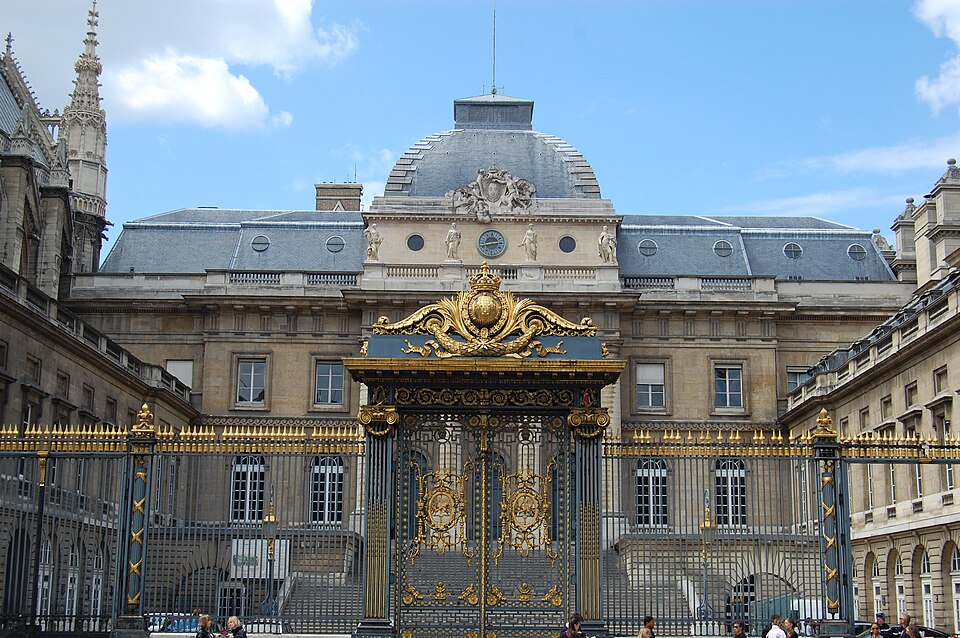
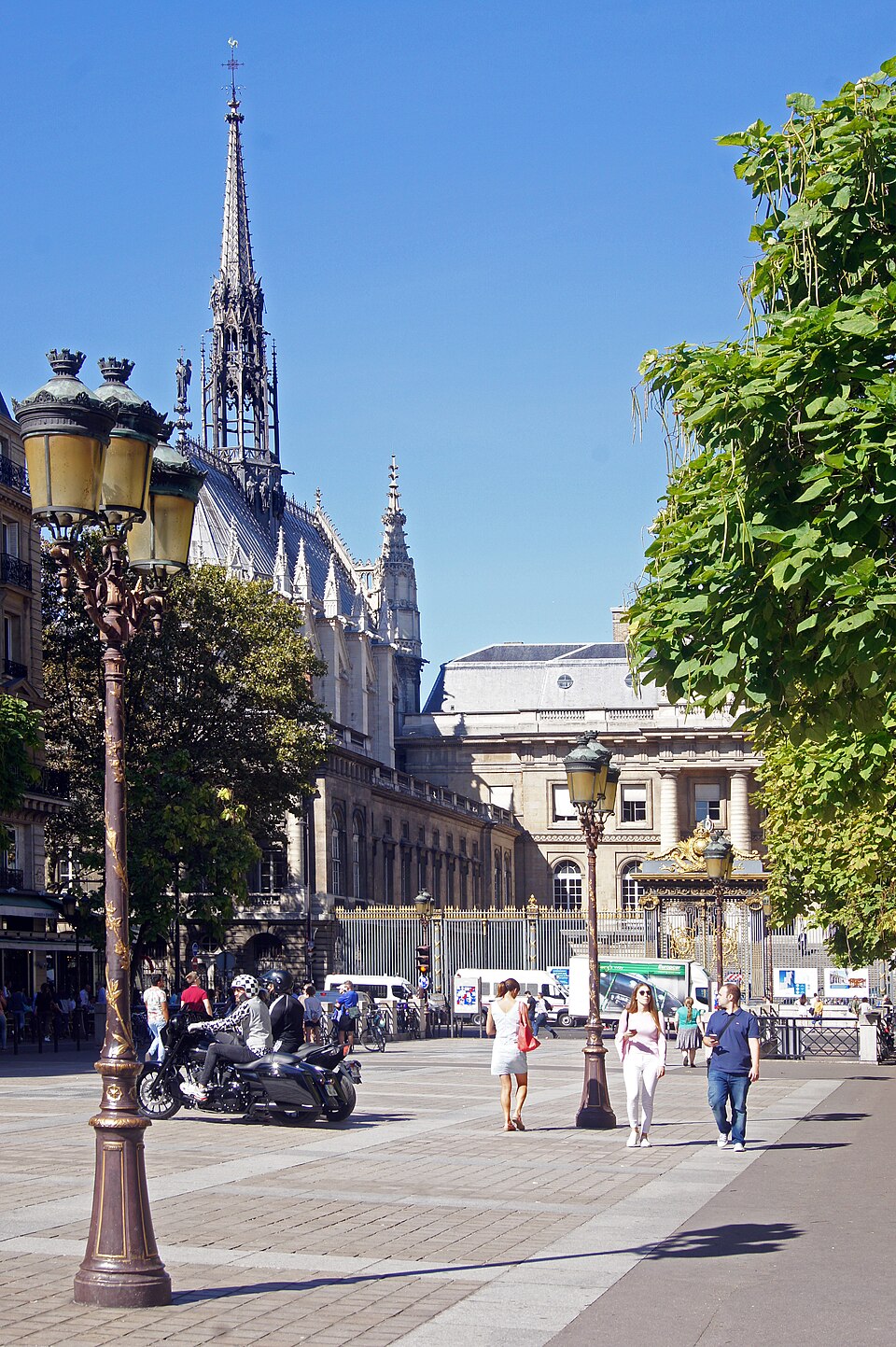
The exterior facade on Boulevard du Palais, with its gilded wrought-iron gates, is freely photographed from the street. Photography inside working courtrooms is generally restricted and is not something the building publishes a single policy for — it is set hearing by hearing.
The Cour de Mai, the palace's historic entrance courtyard, gives a wide symmetrical view of the main facade and is the most photographed angle of the building.
Parts of it are, for public hearings, subject to security screening and the case being heard. It is a working courthouse, not a museum with fixed visiting hours.
What is the difference between the Palais, the Conciergerie and Sainte-Chapelle?
All three share the same walled complex on the Ile de la Cite. The Palais is the working judicial building; the Conciergerie and Sainte-Chapelle are separate ticketed museums with their own entrances.
Do I need a ticket to enter the courthouse?
No ticket for the judicial part itself — entry to observe a public hearing is generally free after security screening. The Conciergerie and Sainte-Chapelle each require their own paid ticket.
What happened to the medieval royal palace on this site?
It was the residence of the Capetian kings from the 10th century until Charles V moved the court elsewhere in the 14th century; fires in 1776 and 1871 destroyed most of what remained, and the current buildings are largely 19th-century rebuilds.
Which courts sit here today?
The Cour de cassation, France's highest court for civil and criminal matters, and the Cour d'appel de Paris. Most ordinary Paris trial courts moved to a new courthouse at Porte de Clichy in 2018.
Can I take photographs inside?
Not generally inside working courtrooms; the exterior and the Cour de Mai courtyard can be freely photographed from the street.
Nothing non-essential is set before you choose, in regions where consent is required. If you decline, ads still appear but they are non-personalised, and analytics is switched off entirely.

_June_2010.jpg)
.jpg)


