The Hotel Matignon is the official residence and working office of the French Prime Minister, on the Rue de Varenne in the 7th arrondissement, and it is not open to the public in any ordinary sense — this is a functioning seat of government, not a museum.
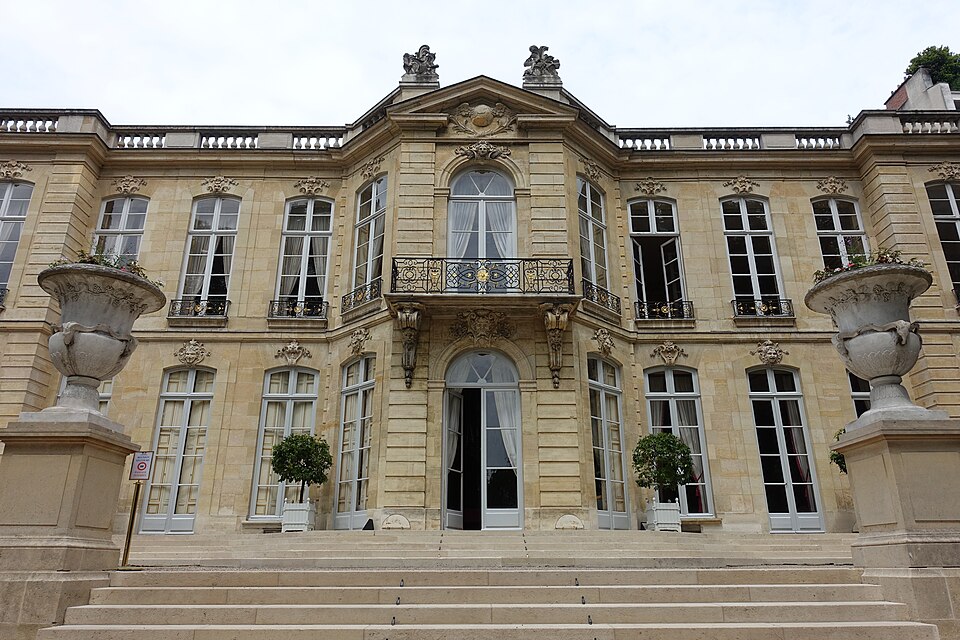
It was built in 1721-1722 for Jacques III de Chalon, Prince de Tingry, by the architect Jean Courtonne, and takes its current name from a later owner, Jacques de Matignon. The French state has used it as the Prime Minister's residence since 1935, under the Third Republic, and it has kept that role through every constitutional change since.
Its garden, laid out behind the main building, is the largest private garden in Paris after that of the neighbouring Elysee Palace.
The building functions as both the Prime Minister's private residence and the seat of the cabinet's administrative offices, so its interior is a working government building rather than a display of period rooms — there is no exhibition circuit here in the way there is at a former royal residence turned museum.
The garden behind the hotel, roughly three hectares, is landscaped in the English style and is the building's best-known feature after its facade, though like the interior it is not accessible to casual visitors.
The state rooms shown on the rare open days include 18th-century salons that retain their original panelling and decoration from the Prince de Tingry's time, alongside the working cabinet rooms added as the building took on its government role in the 20th century — the two layers, private aristocratic house and functioning ministry, sit side by side rather than one having replaced the other.
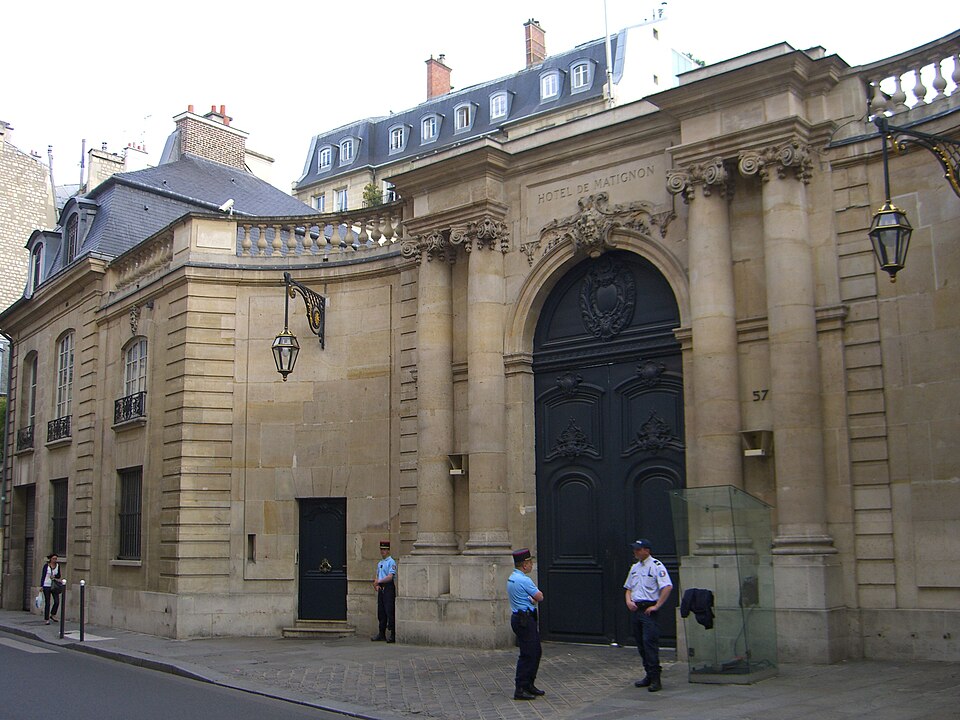
There is no self-guided visit to plan for, because the building is not open to the public outside the one annual exception below. Most visitors see only the street facade and gated entrance on the Rue de Varenne, which takes a few minutes.
On a Heritage Days visit itself, allow closer to an hour to move through the state rooms and part of the garden at the queue's pace, since these openings are typically guided and run in a scheduled group rather than as a self-paced wander.
The only opportunity to see the interior and garden is during the European Heritage Days (Journees europeennes du patrimoine), held annually on the third weekend of September, when a limited number of state buildings including the Hotel Matignon open by prior registration.
Places for that weekend are allocated by a ballot or registration process run by the government each year, and the exact procedure and dates change annually — confirm the current year's arrangements on the official Journees du patrimoine site well in advance, since demand for this particular building is high.
There is no ticket to buy at any time of year; the building is not a paid attraction. The only route inside is the free but registration-limited European Heritage Days opening described above, and there is no way to pay for priority access or a private tour outside that one annual window — the same rule applies to every visitor regardless of how the request is made.
Metro line 12 to Rue du Bac or Solferino, or line 13 to Varenne, are each a short walk from the Rue de Varenne facade. The building sits between the Musee Rodin and the Invalides, both of which are open to the public on an ordinary visit and pair naturally with a walk past the Matignon gate.
This is an active, guarded seat of government: expect a visible police and security presence at the gate, and do not expect access, photography inside the gate, or a tour desk at any time other than the registered Heritage Days opening.
Loitering or photographing the security posts closely is generally discouraged around any French government building; a photo of the gate and facade from the pavement is normal and unremarkable.
Demand for the Heritage Days slots at this particular address is consistently among the highest of any building in the programme, since it is one of the few working seats of government in Paris that opens at all — registering as soon as the year's process opens, rather than close to the weekend itself, matters more here than at less sought-after buildings on the same list.
The wrought-iron gate and the honour courtyard glimpsed through it, on the Rue de Varenne, is the only view available on an ordinary day and is best photographed from directly opposite the entrance.
Photography inside the building or garden is only possible during the registered Heritage Days opening, and even then is subject to the security rules in force that year.
Only during the European Heritage Days in September, by prior registration; it is the working residence of the Prime Minister and is not open to the public otherwise.
Who lives at the Hotel Matignon?
It has been the official residence and office of the French Prime Minister since 1935.
When was it built?
In 1721-1722, for Jacques III de Chalon, Prince de Tingry, by the architect Jean Courtonne.
Is there an entrance fee for Heritage Days?
No, the Heritage Days opening is free but access is limited and allocated by registration, not by simply arriving on the day.
How big is the garden?
Roughly three hectares, laid out in the English style — the largest private garden in Paris after the neighbouring Elysee Palace's.
What can I see without registering for Heritage Days?
Only the street facade and gated entrance courtyard on the Rue de Varenne; the interior and garden are not visible from the street.
Nothing non-essential is set before you choose, in regions where consent is required. If you decline, ads still appear but they are non-personalised, and analytics is switched off entirely.


.jpg)

.jpg)
.jpg)
.jpg)