

.jpg)
.jpeg)


4 min walk
Mercado de Abasto Tirso de Molina
- Must see
- Market
Language · 1 published
Market · Santiago
Vega Central

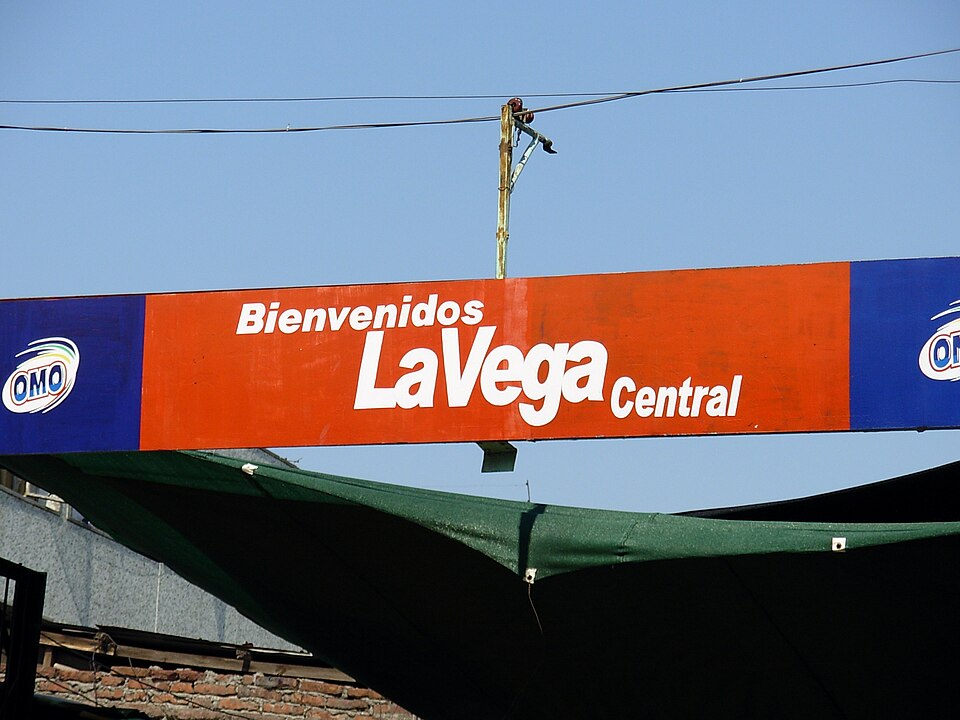
La Vega Central Market, locally named Mercado La Vega Central, stands as Santiago's principal wholesale and retail produce market. It functions as the backbone of everyday food distribution for Chile's capital, connecting rural agricultural supply with urban consumer demand. The market occupies a substantial built footprint in the city and represents one of the most significant hubs for Chilean ingredients. Its scale and operational intensity distinguish it from smaller neighbourhood markets elsewhere in Santiago. Visitors encounter a working commercial environment rather than a tourist-oriented attraction.
Checked 2026-08-26
The market interior contains dense arrangements of fruit and vegetable stalls displaying Chilean agricultural products. Vendors occupy assigned trading positions throughout the structure. The environment features high-volume commercial activity with bulk goods movement, packing operations, and cash transactions. Product variety reflects seasonal Chilean harvests including indigenous and introduced species. The atmosphere combines the sensory intensity of ripe produce, working logistics, and concentrated human commerce. Structural elements include roofing over trading floors, loading areas, and circulation passages between stall rows.
Checked 2026-08-26
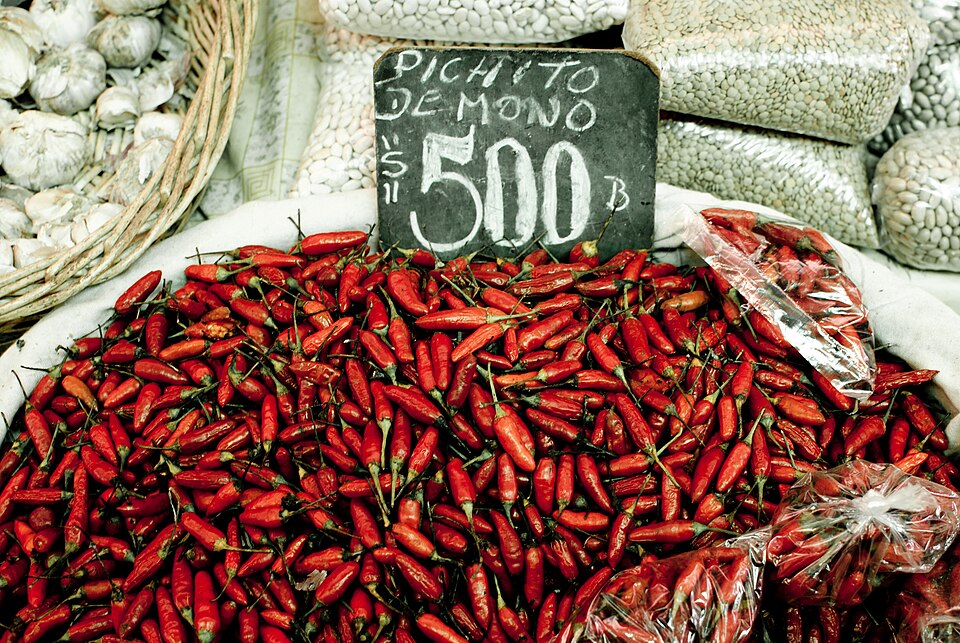
A purposeful walkthrough requires approximately forty-five to ninety minutes depending on thoroughness and crowd conditions. Extended visits suit those examining specific Chilean ingredients, observing vendor-customer negotiations, or photographing market scenes. The market's scale rewards unhurried exploration across multiple aisles. Visitors with strong interest in food systems or Latin American market culture may allocate two hours. Early morning timing coincides with peak commercial activity and fullest product display. Casual observers complete a representative circuit more quickly. La Vega Central Market also earns time in a santiago itinerary because The capital's vast produce market offers the strongest view of everyday food distribution and Chilean ingredients; no production match exists. Its value becomes clearer when the stop is compared with the surrounding streets and the other ranked places nearby.
Checked 2026-08-26

Operator-confirmed hours are Not recorded pending review. The market operates as a working commercial facility rather than a scheduled attraction, suggesting functionality aligns with conventional wholesale and retail trading patterns. Early morning arrival likely corresponds with peak activity, freshest produce availability, and maximum vendor presence. Seasonal agricultural cycles influence product prominence throughout the year. Weekday versus weekend patterns may differ based on wholesale buyer schedules and retail customer demand. Visitors should verify current operational status before travel. A flexible visit lets travellers connect La Vega Central Market with the rest of the day without treating one room, viewpoint or photograph as the whole experience. The useful pace depends on personal interest and conditions on arrival.
Checked 2026-08-26
Operator-confirmed prices are Not recorded pending review. The market functions as a public commercial venue without admission infrastructure. Visitors enter freely as potential customers among working traders. Individual purchases require direct vendor negotiation. No ticketing system or visitor entry fee structure is indicated by available sources. Photography permissions, if any formal policy exists, remain unconfirmed. Commercial photography or organised group access may involve arrangements not documented in supplied context. Visitors should observe whether other photographers operate without restriction.
Checked 2026-08-26

The market occupies a position within Santiago's urban fabric accessible through the city's public transportation network. Metro stations serve the general district though exact walking distances from specific exits are Not recorded. Bus corridors operate in surrounding streets. The location lies within established city infrastructure rather than peripheral or isolated placement. Visitors familiar with Santiago's central zone should find orientation straightforward. Taxi and rideshare services recognise the market as a significant destination. Pedestrian access enters from surrounding streets into the trading structure.
Checked 2026-08-26

The working market environment presents standard urban commercial hazards: wet floors from produce handling, vehicle movement in loading zones, and concentrated crowds during peak periods. Visitors should secure valuables against opportunistic theft in busy conditions. Rapid commercial negotiations and physical goods movement create dynamic spaces requiring situational awareness. Food handling standards vary across informal vendors. Language barriers may complicate transactions for non-Spanish speakers. The sensory intensity of noise, odour, and crowding exceeds conventional retail environments. Appropriate footwear and patience support comfortable navigation.
Checked 2026-08-26
The market offers strong visual material documenting Chilean food culture, vendor portraiture, and produce abundance. Lighting conditions vary between roofed interior sections and perimeter areas. Early morning provides active human subjects and full stalls. Candid photography of working vendors requires respectful distance and awareness of commercial sensitivity. Crowded aisles limit tripod or elaborate equipment deployment. Colour saturation from fruit and vegetable displays dominates visual composition. Visitors should assess whether individual vendors object to camera presence before close-up or identifiable portraits. Rapid movement demands responsive camera settings.
Checked 2026-08-26
The market functions as a normal working commercial environment with standard urban precautions applying. Visitors should exercise awareness of crowds, secure belongings, and navigate wet or congested areas carefully.
The market specialises in wholesale and retail produce including fruits and vegetables representing Chilean agricultural output. Specific product availability follows seasonal patterns.
Available sources do not confirm prepared food offerings. The market's primary identity centres on raw produce distribution rather than dining infrastructure.
Payment methods accepted by individual vendors are Not recorded. Traditional markets in Latin America frequently operate on cash basis; visitors should prepare accordingly.
Accessibility conditions including aisle widths, surface conditions, and facility provisions are Not recorded pending review of current infrastructure status.
La Vega Central focuses on produce distribution with stronger emphasis on everyday food systems, while Mercado Central carries different specialisation. Direct comparison depends on visitor interest in ingredients versus other market functions.
Loading the interactive map…
The interactive map could not be loaded.
Last updated:
Source: OpenStreetMap contributors, Wikidata ·