Smart Self-Managed Tours

City guide · Brazil

Rio de Janeiro

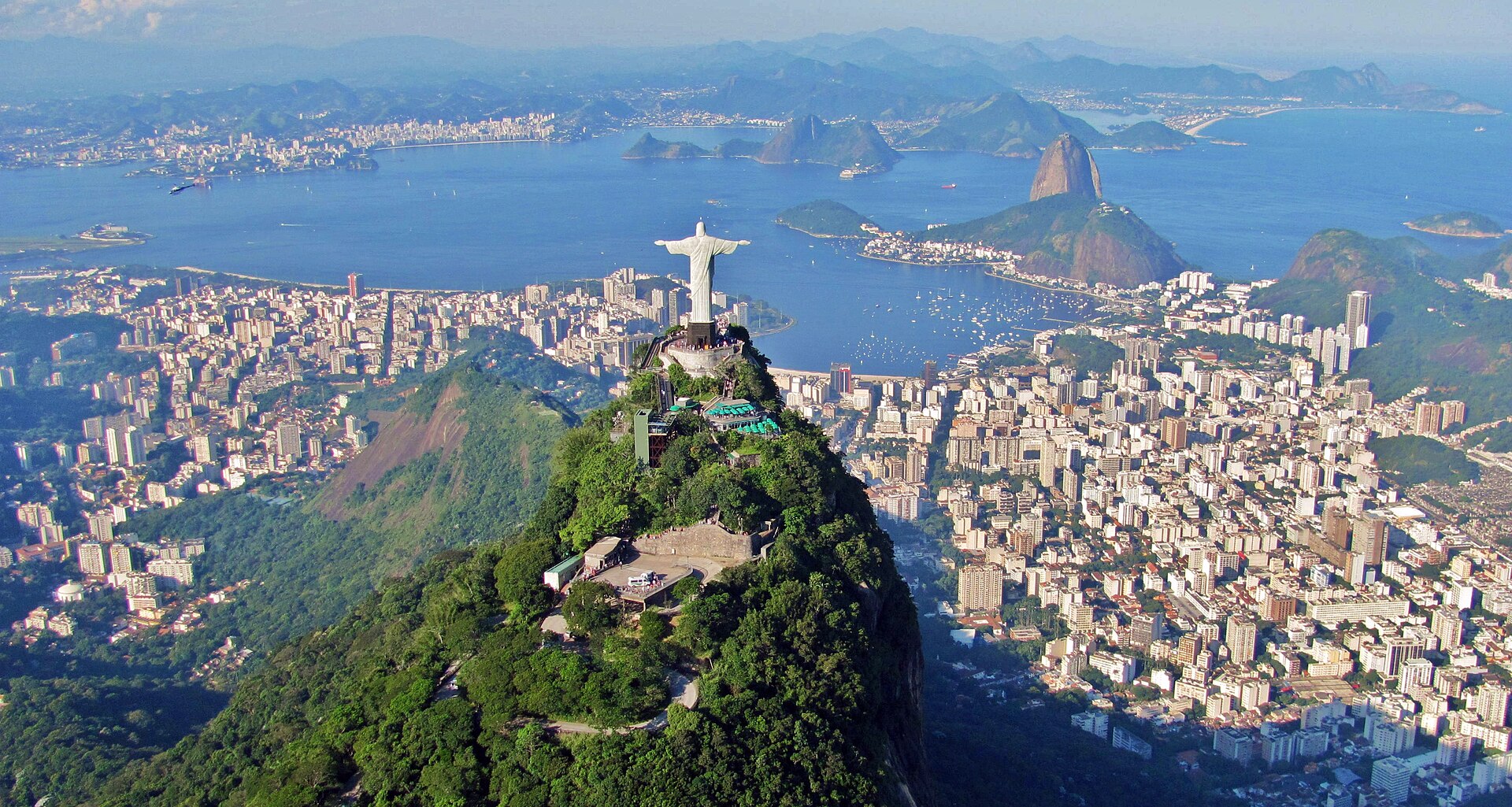
A photograph of Rio de Janeiro
Photograph · Rafael Rabello de Barros · CC BY-SA 3.0

Rio de Janeiro stretches between mountains, bays and the Atlantic, so its famous sights belong to distinct zones. Centro and the port hold historic and cultural institutions; Santa Teresa and Lapa rise beside them; Botafogo and Urca lead toward Sugarloaf; and Copacabana, Ipanema and Leblon form the southern beach corridor. Tijuca Forest and western beaches require separate journeys. Grouping each day by zone avoids repeated cross-city travel.

Practical information

Language spoken
Portuguese
National practical orientation; regional and minority languages may also be used
Dialling code
+55
International calling code; local area and mobile prefixes still apply
Currency
Brazilian real (BRL)
Use the official local currency; card acceptance varies by place
Emergency number
190 police · 192 ambulance · 193 fire
Use only for an emergency; tourist assistance may use a separate number
Plug type
Type N · 127 or 220 V by location
Check that chargers support the recorded voltage before using an adapter
Tap water
Not recorded
Voltage and water guidance must be checked for the destination
Planning a visit

Suggested stay
Not recorded
Getting around
Metro, VLT, bus, ferry and taxi
  1. January: no seasonality data recorded
  2. February: no seasonality data recorded
  3. March: no seasonality data recorded
  4. April: no seasonality data recorded
  5. May: no seasonality data recorded
  6. June: no seasonality data recorded
  7. July: no seasonality data recorded
  8. August: no seasonality data recorded — this month
  9. September: no seasonality data recorded
  10. October: no seasonality data recorded
  11. November: no seasonality data recorded
  12. December: no seasonality data recorded

Top things to see

Ranked by importance — sitelinks, pageviews and heritage status, not editor preference.

  1. Arariboia
    08 1 hour

    Arariboia

    • High
    • Art and culture venue
  2. Brasil
    12 1 hour

    Brasil

    • High
    • Art and culture venue
  3. Cosmo I
    13 1 hour

    Cosmo I

    • High
    • Art and culture venue
  4. Iansã
    17 1 hour

    Iansã

    • High
    • Art and culture venue
  5. Juventude
    18 1 hour

    Juventude

    • High
    • Art and culture venue
  6. O Passante
    19 1 hour

    O Passante

    • High
    • Art and culture venue
  7. Tartaruga
    24 1 hour

    Tartaruga

    • High
    • Art and culture venue
  8. A Nijinski
    28 1 hour

    A Nijinski

    • Notable
    • Art and culture venue
  9. Atleta
    29 1 hour

    Atleta

    • Notable
    • Art and culture venue
  10. Compressão
    34 1 hour

    Compressão

    • Notable
    • Art and culture venue
  11. Crepúsculo
    37 1 hour

    Crepúsculo

    • Notable
    • Art and culture venue
  12. Estrutura
    40 1 hour

    Estrutura

    • Notable
    • Art and culture venue
  13. Fidelidade
    42 1 hour

    Fidelidade

    • Notable
    • Art and culture venue
  14. Flora
    43 1 hour

    Flora

    • Notable
    • Art and culture venue
  15. Goleiro
    45 1 hour

    Goleiro

    • Notable
    • Art and culture venue
  16. Guardião
    46 1 hour

    Guardião

    • Notable
    • Art and culture venue
  17. Incerteza
    50 1 hour

    Incerteza

    • Notable
    • Art and culture venue

Source: OpenStreetMap contributors, Wikidata ·

All places in this city

How the city is laid out

Centro, Praça Mauá and the Olympic Boulevard form the main museum and historic cluster. Lapa and Santa Teresa sit nearby but involve hills and different transport. Urca and Botafogo make a natural Sugarloaf day, while Copacabana, Ipanema, Arpoador and Leblon form one coastal sequence. Corcovado and Tijuca Forest need dedicated connections. Barra, Recreio and Prainha are much farther west than the South Zone beaches.

Checked 2026-08-26

Getting around

Metro lines serve Centro and much of the South Zone, while VLT trams circulate through central and port areas. Buses, taxis, ferries and attraction-specific rail or van services complete the network. Hills, tunnels and water make straight-line distances misleading, so consult the official tourist map before combining districts. Use authorised access for Corcovado and other controlled attractions rather than assuming a normal city bus reaches the entrance.

Checked 2026-08-26

Common questions

How is Rio de Janeiro organised for sightseeing?

Centro, the South Zone beaches, Urca, Tijuca and western Rio are distinct travel zones

How many days should I spend in Rio de Janeiro?

No fixed stay length is recorded; add time according to the zones and major attractions selected.

What is the easiest way to get around Rio de Janeiro?

Metro and VLT cover useful corridors, with buses, ferries, taxis and attraction access completing journeys.

Which places need a separate trip from central Rio de Janeiro?

Copacabana, Ipanema, Arpoador and Leblon form a practical coastal sequence.

What is the most practical way to plan a day in Rio de Janeiro?

Barra and the western beaches are far from Centro and need a separate travel block.

Turn this list into a plan

Set your days, your pace and the hours you actually want to be out. The planner works around closing days and travel time, and leaves room to eat.

Plan Rio de Janeiro