Smart Self-Managed Tours

City guide · Armenia

Yerevan

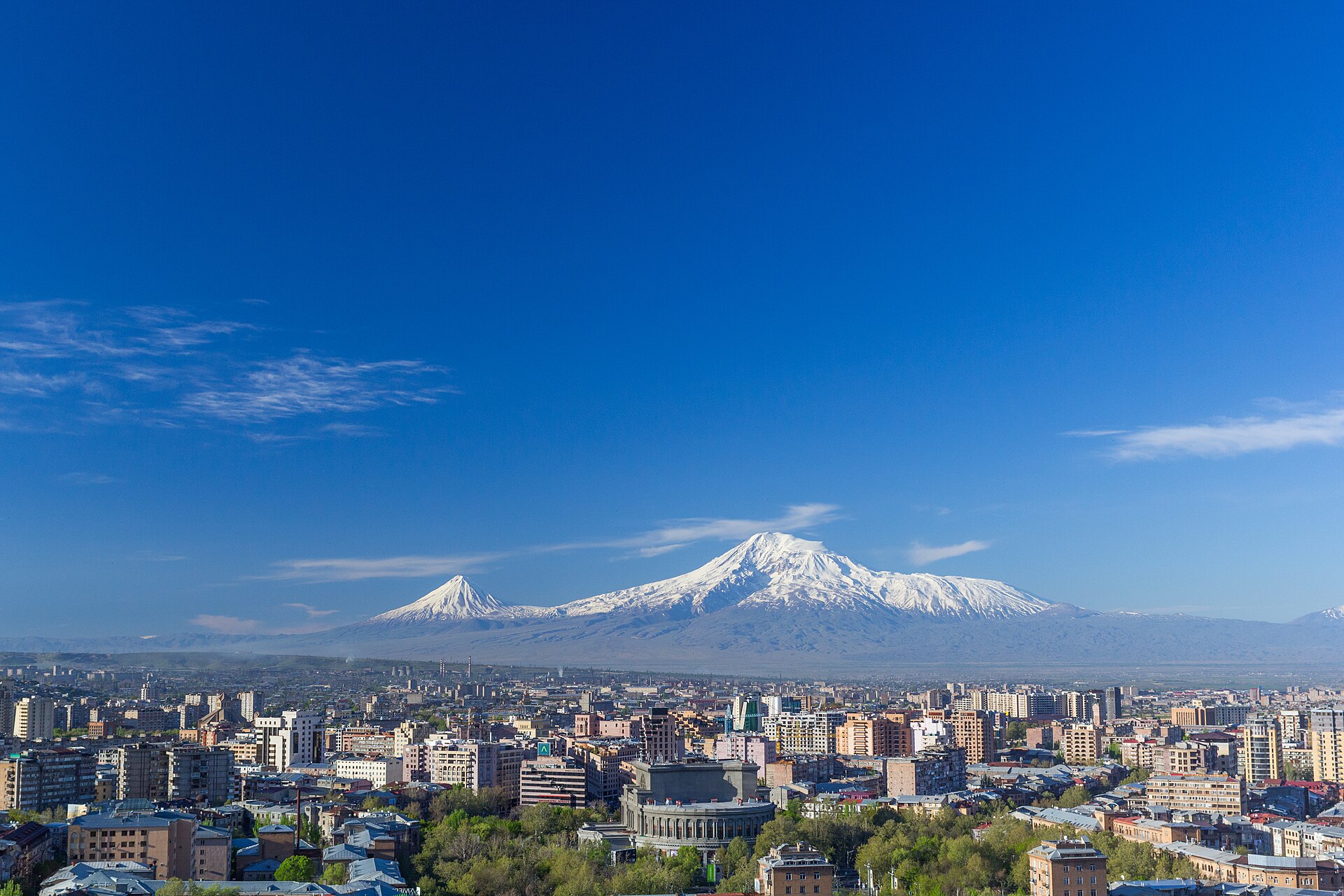
A photograph of Yerevan
Photograph · Սէրուժ Ուրիշեան (Serouj Ourishian) · CC BY 4.0

Yerevan has a compact central core organised around Republic Square, Northern Avenue, the Opera and the Cascade. Most central museums, restaurants and public spaces can be linked on foot, while Erebuni, Tsitsernakaberd and outer districts require transport. The city’s broad avenues and radial streets make the centre legible, but summer heat and the climb toward the Cascade can change walking plans.

Practical information

Language spoken
Armenian
National practical orientation; regional and minority languages may also be used
Dialling code
+374
International calling code; local area and mobile prefixes still apply
Currency
Armenian dram (AMD)
Use the official local currency; card acceptance varies by place
Emergency number
112 or 911
Use only for an emergency; tourist assistance may use a separate number
Plug type
Type C and F · 230 V
Check that chargers support the recorded voltage before using an adapter
Tap water
Not recorded
No verified nationwide visitor drinking-water statement was recorded
Turn this list into a plan

Set your days, your pace and the hours you actually want to be out. The planner works around closing days and travel time, and leaves room to eat.

Plan Yerevan

Planning a visit

Suggested stay
Not recorded
Getting around
Walk, bus, trolleybus, metro and taxi
  1. January: recurring difficult conditions
  2. February: recurring difficult conditions
  3. March: viable with meaningful trade-offs
  4. April: good time to visit
  5. May: best time to visit
  6. June: best time to visit
  7. July: viable with meaningful trade-offs
  8. August: viable with meaningful trade-offs — current month
  9. September: best time to visit
  10. October: good time to visit
  11. November: viable with meaningful trade-offs
  12. December: recurring difficult conditions
  • Best time
  • Good time
  • Viable with trade-offs
  • Difficult conditions

Sources

Top things to see

Ranked by importance — sitelinks, pageviews and heritage status, not editor preference.

Source: OpenStreetMap contributors, Wikidata ·

How the city is laid out

Republic Square anchors the southern part of the visitor centre. Northern Avenue leads toward Freedom Square and the Opera, with the Cascade continuing uphill beyond it. Kond lies west of the centre as one of Yerevan’s oldest districts, while Erebuni Fortress and Museum sit southeast. Treat Tsitsernakaberd and the Armenian Genocide Museum as a western cluster rather than a continuation of the central pedestrian route.

Checked 2026-08-26

Getting around

Walk across the central sightseeing area, then use buses, trolleybuses, metro or a licensed taxi for outer sites. The official visitor information says the city centre can be crossed on foot in about an hour and identifies a single metro line with ten stations. Check the current municipal transport site for ticket products and service updates before relying on a particular route.

Checked 2026-08-26

Common questions

How many days should I spend in Yerevan?

A fixed official stay length is not recorded. Cover the Republic Square–Opera–Cascade axis first, then add Erebuni, Tsitsernakaberd or excursions according to available time.

Is central Yerevan walkable?

Yes. The official visitor guide describes Yerevan as easy to explore on foot and says the city centre can be crossed in about an hour.

Does Yerevan have a metro?

Yes. The official visitor information records a single metro line with ten stations, supplemented by buses, minibuses and trolleybuses.

Which Yerevan sights need transport?

Erebuni and Tsitsernakaberd sit outside the tight central walking circuit. Use public transport or a licensed taxi instead of forcing both into the Republic Square–Cascade route.

How do I reach central Yerevan from the airport?

The official visitor guide lists airport shuttle services and taxis from Zvartnots. Confirm the current route and ticket details before arrival.