


_(14584081108).jpg)
41 min walk · Salihli
Bin Tepe
- Must see · Heritage site
- Historic monument
Language · 1 published
Historic monument · Salihli, Manisa
Alyattes'in Tümülüsü
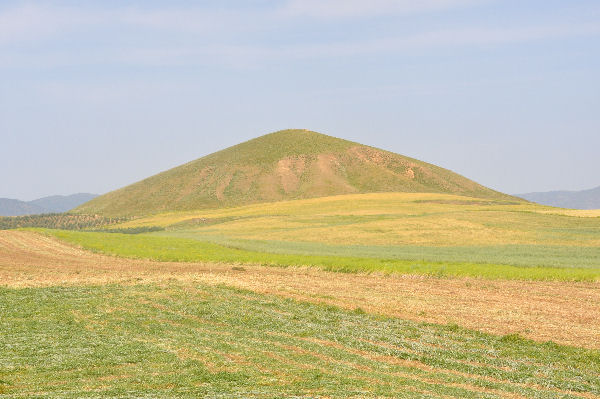
The Tumulus of Alyattes — Alyattes'in Tümülüsü on local maps — is the largest of the Bin Tepe mounds and one of the largest burial tumuli known anywhere, traditionally identified with the Lydian king Alyattes, father of Croesus, who died around 560 BCE. Herodotus described its construction directly in his Histories, and the mound he described still stands north of Sardis largely unchanged in outline.
It is inscribed on the UNESCO World Heritage List as part of "Sardis and the Lydian Tumuli of Bin Tepe", listed on 12 July 2025 under criterion (iii) as Türkiye's 22nd World Heritage property; the tumulus is a component of that listing rather than a separately named site.
Checked 2026-08-24 · Source
The mound measures roughly 355 metres across at its base and stands 63 to 69 metres high, figures that match the dimensions Herodotus gave closely enough that his account is treated as broadly reliable. Its estimated volume is around 785,000 cubic metres of piled earth and stone, a scale Herodotus attributed to the combined labour of tradesmen, artisans and prostitutes, whose contribution, according to an inscription on stone markers he says stood at the summit, was the largest of the three.
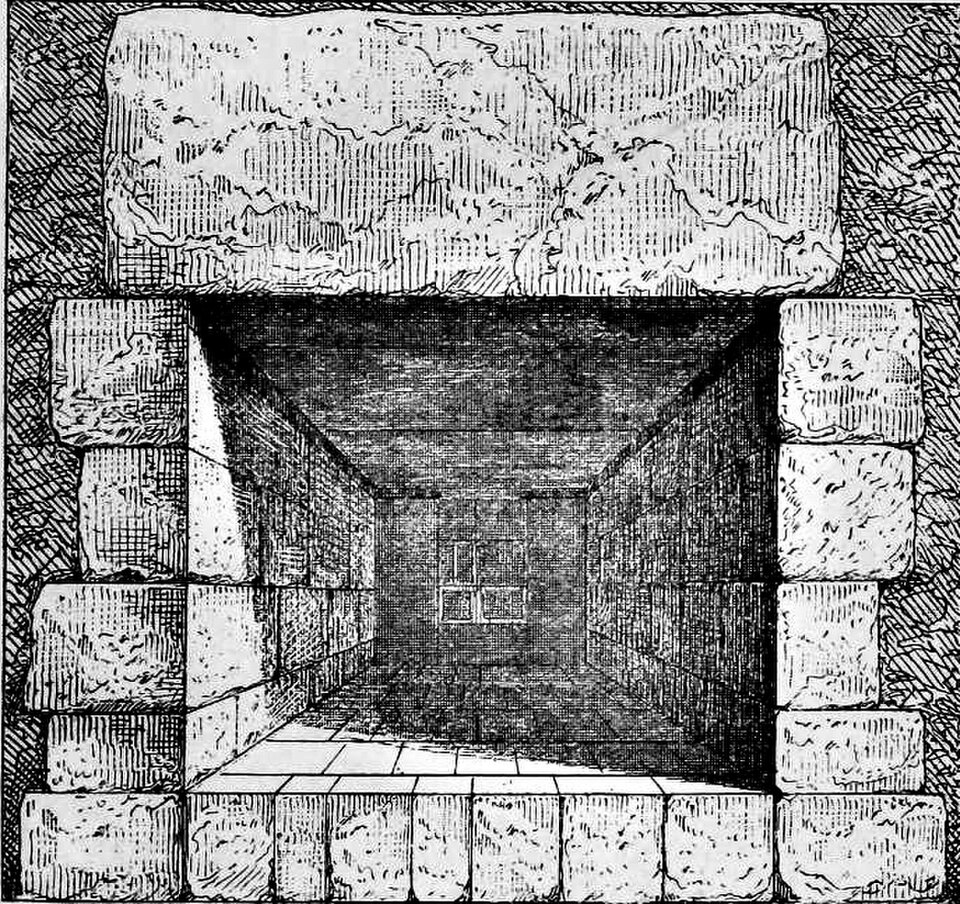
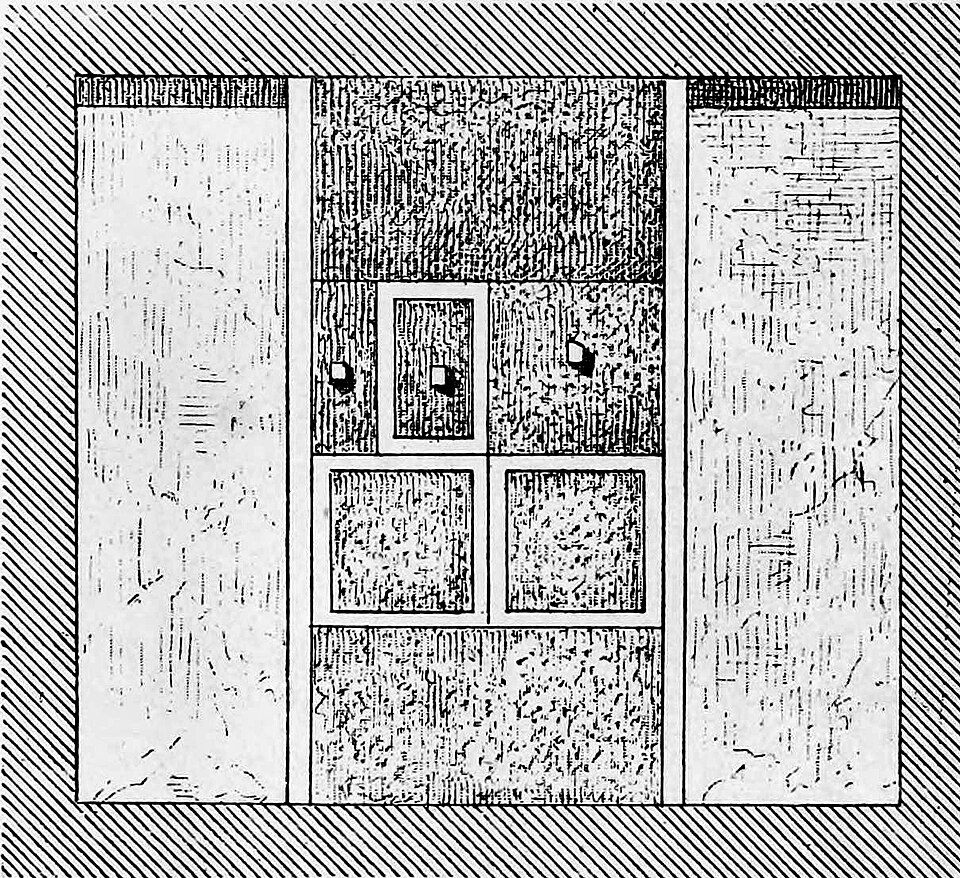
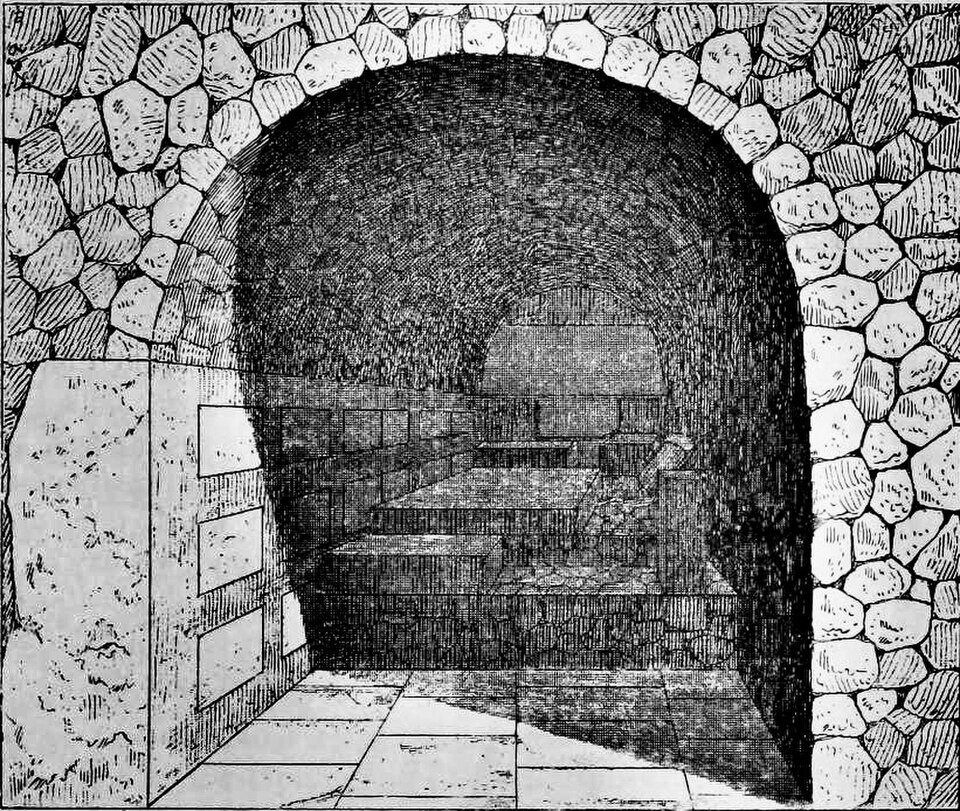
In 1853 the Prussian consul Ludwig Peter Spiegelthal drove a tunnel into the mound's south side and reached a burial chamber built from finely worked marble and limestone, its roof made of blocks weighing more than sixteen tons each and set off-centre from the mound's middle, apparently to mislead tomb robbers probing from directly above. The chamber had already been emptied; no burial goods or skeletal remains were recovered inside it.
Checked 2026-08-24 · Source
Twenty to thirty minutes covers a visit to the mound itself: walking its base, taking in its scale against the plain, and looking for the old tunnel entrance on the south side.
There is no interior route to walk through, since the burial chamber is not open to visitors, so the time spent here is about standing in front of and around the mound rather than moving through a structure.
Checked 2026-08-24
Late afternoon, when low sun rakes across the mound's slope and throws its true height into relief against the flat plain around it, is the best time to appreciate the scale that photographs and figures alone understate.
As with the rest of Bin Tepe, there is no shade anywhere near the mound, so a summer midday visit is best avoided.
Checked 2026-08-24
No entrance fee applies. The tumulus stands in open farmland like the rest of Bin Tepe, with no ticket booth, no fixed opening hours and no staff controlling access to the site's exterior.
This is a different arrangement from Sardis a few kilometres south, which is a paid, gated örenyeri with posted hours; nothing comparable exists here, and there is nowhere on site to buy a ticket, ask a question, or check current conditions before setting out.
Checked 2026-08-24
The mound sits within the Bin Tepe field, several kilometres north of Sart across the Gediz plain, reached by local farm tracks rather than a signed route; there is no public transport to it and no metro or rail service anywhere near it.
A car or a hired taxi covering the wider Bin Tepe area is the only practical way to reach it, and the mound is large enough to be a useful landmark for locating the rest of the necropolis around it. Most visitors reach it by driving out from Salihli or from Sardis itself, since the two sites share the same UNESCO listing but no shared entrance.
Checked 2026-08-24
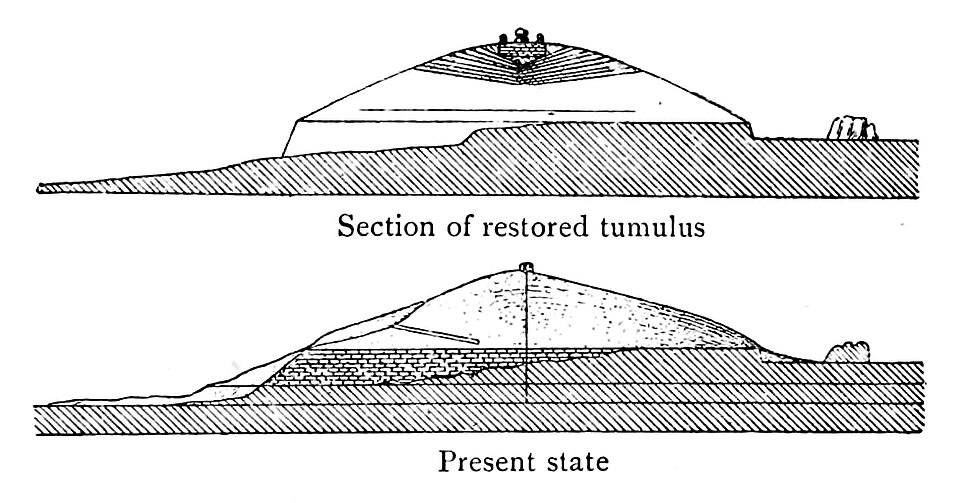
The burial chamber Spiegelthal reached in 1853 is not open for visitors to enter; the interior has been explored at different times by archaeologists but is not a walk-in attraction, so arriving expecting a tunnel tour leads to disappointment. What a visitor reaches is the exterior of the mound itself.
The slope is unpaved, grass over earth, and can be slick after rain; there is no barrier or marked path up it, so footing is the visitor's own judgment to make.
Checked 2026-08-24

Distance is what sells the scale here: a wide shot that includes a person, a car or another mound for comparison conveys the size far better than a close frame of grass-covered slope, which reads as an ordinary hill without that reference.
Low sun angles, early or late in the day, model the mound's curve against the flat surrounding plain in a way overhead midday light flattens out entirely.
Checked 2026-08-24
It measures roughly 355 metres across at its base and stands 63 to 69 metres high, with an estimated volume of about 785,000 cubic metres, making it one of the largest burial tumuli known anywhere.
Alyattes was a king of Lydia and the father of Croesus; he died around 560 BCE. The mound is the tumulus traditionally identified as his tomb, described directly by Herodotus in his Histories.
No. A tunnel dug in 1853 by the Prussian consul Ludwig Peter Spiegelthal reached an already-looted burial chamber, but that interior is not open for visitors to enter; what is accessible today is the exterior of the mound.
Yes, as a component of "Sardis and the Lydian Tumuli of Bin Tepe", inscribed on 12 July 2025 under criterion (iii) as Türkiye's 22nd World Heritage property; the tumulus is not separately listed.
Herodotus described it as built jointly by tradesmen, artisans and prostitutes, recording that an inscription on stone markers at the summit credited the prostitutes with the largest share of the work. His figures for the mound's dimensions are close to what modern measurement has confirmed.
No. The tumulus stands in open farmland with no ticket booth or staffed gate, unlike the fenced örenyeri at Sardis a few kilometres south.
Loading the interactive map…
The interactive map could not be loaded.
Last updated:
Source: OpenStreetMap contributors ·