
01
30 min
Sultan Mosque
The Sultan Mosque is the centrepiece of Manisa and the reason the city has a festival.
- Must see
- Historic monument
Language · 1 published
District guide · Manisa
Şehzadeler is the historic half of Manisa, on the lower slopes of Mount Spil. The Sultan Mosque, the Muradiye and the archaeological museum stand within a few hundred metres of each other here, and the bazaar streets run downhill from them. It is the district a visitor walks.
Ranked by importance — sitelinks, pageviews and heritage status, not editor preference.
10 places match
Category
Typical visit duration
The Sultan Mosque is the centrepiece of Manisa and the reason the city has a festival.
The Muradiye Külliyesi is the walled compound Sultan Murad III endowed in Manisa, and it is the reason three of the city's sights sit within a few steps of each other.
The Ulu Camii is the oldest important mosque in Manisa and the one that predates the Ottomans here.
Sandıkkale is the inner citadel of the Byzantine-era Manisa Kalesi, on the north slope of Spil Dağı immediately above Manisa city centre, in the Turgutalp neighbourhood.
The Hatuniye Camii was built in 1490–91 by Şehzade Şehinşah, a son of Bayezid II, in honour of his mother Hüsnüşah Hatun.
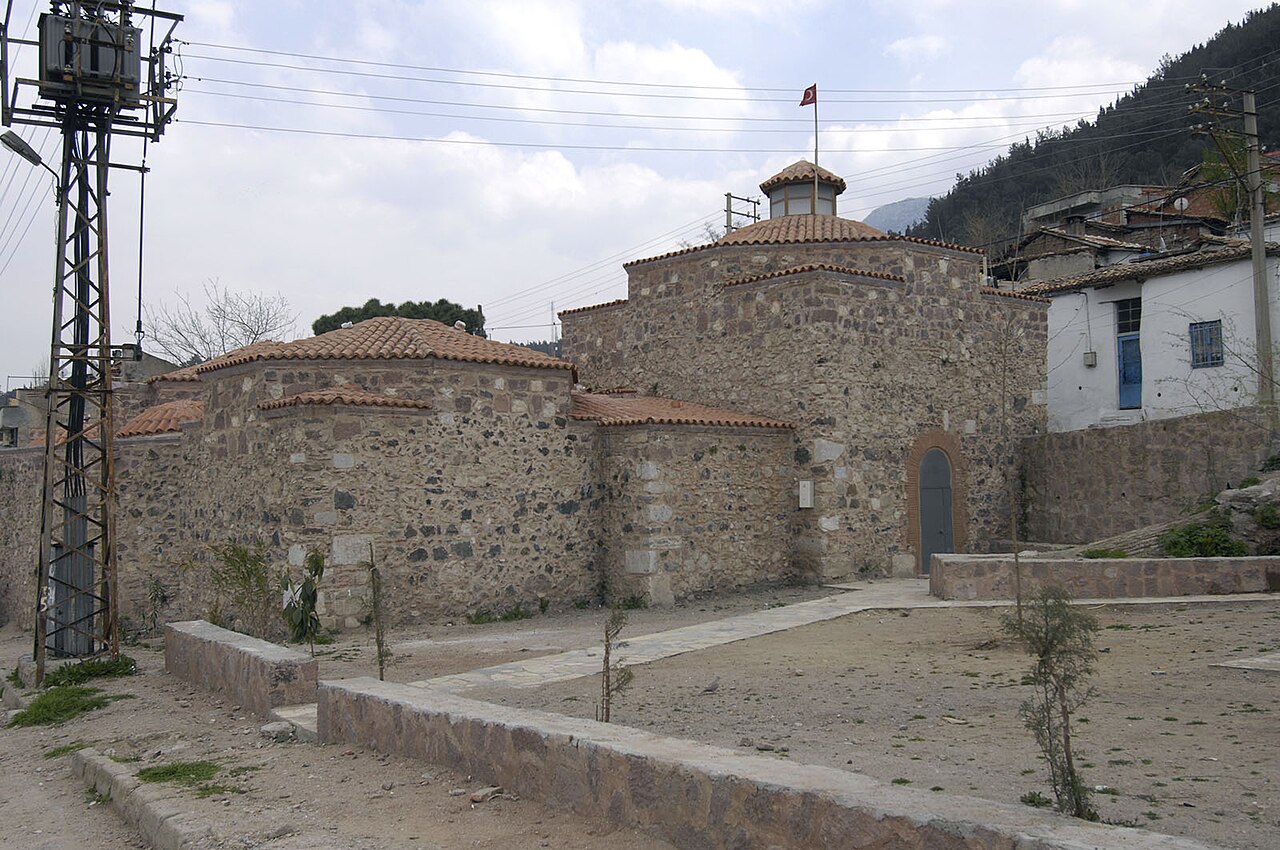
The Manisa Mevlevihane is a Mevlevi dervish lodge built in 1368-69 by İshak Çelebi, grandson of the Saruhanoğlu ruler Saruhan Bey, on a slope at the foot of Spil Mountain.
The tomb of Saruhan Bey is the oldest dated monument in Manisa's historic quarter, built in 1345 by his grandson İshak Çelebi.
The Hafsa Sultan Hospital Museum is the surviving hospital wing of the Sultan Camii complex, the külliye Ayşe Hafsa Sultan — wife of Selim I and mother of Süleyman the Magnificent — commissioned in Manisa in 1522, where she lived…
The Muradiye is the mosque Mimar Sinan designed for Manisa, built between 1583 and 1586 for Sultan Murad III. It replaced a smaller mosque begun on the site in 1571 and is the finest Ottoman building in the city.
Source: OpenStreetMap contributors, Wikidata ·