
_%E0%B8%A7%E0%B8%B1%E0%B8%94%E0%B8%A3%E0%B8%B2%E0%B8%8A%E0%B9%82%E0%B8%AD%E0%B8%A3%E0%B8%AA%E0%B8%B2%E0%B8%A3%E0%B8%B2%E0%B8%A1%E0%B8%A3%E0%B8%B2%E0%B8%8A%E0%B8%A7%E0%B8%A3%E0%B8%A7%E0%B8%B4%E0%B8%AB%E0%B8%B2%E0%B8%A3_%E0%B9%80%E0%B8%82%E0%B8%95%E0%B8%88%E0%B8%AD%E0%B8%A1%E0%B8%97%E0%B8%AD%E0%B8%87_%E0%B8%81%E0%B8%A3%E0%B8%B8%E0%B8%87%E0%B9%80%E0%B8%97%E0%B8%9E%E0%B8%A1%E0%B8%AB%E0%B8%B2%E0%B8%99%E0%B8%84%E0%B8%A3_(10).jpg)
_%E0%B8%A7%E0%B8%B1%E0%B8%94%E0%B8%A3%E0%B8%B2%E0%B8%8A%E0%B9%82%E0%B8%AD%E0%B8%A3%E0%B8%AA%E0%B8%B2%E0%B8%A3%E0%B8%B2%E0%B8%A1%E0%B8%A3%E0%B8%B2%E0%B8%8A%E0%B8%A7%E0%B8%A3%E0%B8%A7%E0%B8%B4%E0%B8%AB%E0%B8%B2%E0%B8%A3_%E0%B9%80%E0%B8%82%E0%B8%95%E0%B8%88%E0%B8%AD%E0%B8%A1%E0%B8%97%E0%B8%AD%E0%B8%87_%E0%B8%81%E0%B8%A3%E0%B8%B8%E0%B8%87%E0%B9%80%E0%B8%97%E0%B8%9E%E0%B8%A1%E0%B8%AB%E0%B8%B2%E0%B8%99%E0%B8%84%E0%B8%A3_(11).jpg)
_%E0%B8%A7%E0%B8%B1%E0%B8%94%E0%B8%A3%E0%B8%B2%E0%B8%8A%E0%B9%82%E0%B8%AD%E0%B8%A3%E0%B8%AA%E0%B8%B2%E0%B8%A3%E0%B8%B2%E0%B8%A1%E0%B8%A3%E0%B8%B2%E0%B8%8A%E0%B8%A7%E0%B8%A3%E0%B8%A7%E0%B8%B4%E0%B8%AB%E0%B8%B2%E0%B8%A3_%E0%B9%80%E0%B8%82%E0%B8%95%E0%B8%88%E0%B8%AD%E0%B8%A1%E0%B8%97%E0%B8%AD%E0%B8%87_%E0%B8%81%E0%B8%A3%E0%B8%B8%E0%B8%87%E0%B9%80%E0%B8%97%E0%B8%9E%E0%B8%A1%E0%B8%AB%E0%B8%B2%E0%B8%99%E0%B8%84%E0%B8%A3_(12).jpg)
_%E0%B8%A7%E0%B8%B1%E0%B8%94%E0%B8%A3%E0%B8%B2%E0%B8%8A%E0%B9%82%E0%B8%AD%E0%B8%A3%E0%B8%AA%E0%B8%B2%E0%B8%A3%E0%B8%B2%E0%B8%A1%E0%B8%A3%E0%B8%B2%E0%B8%8A%E0%B8%A7%E0%B8%A3%E0%B8%A7%E0%B8%B4%E0%B8%AB%E0%B8%B2%E0%B8%A3_%E0%B9%80%E0%B8%82%E0%B8%95%E0%B8%88%E0%B8%AD%E0%B8%A1%E0%B8%97%E0%B8%AD%E0%B8%87_%E0%B8%81%E0%B8%A3%E0%B8%B8%E0%B8%87%E0%B9%80%E0%B8%97%E0%B8%9E%E0%B8%A1%E0%B8%AB%E0%B8%B2%E0%B8%99%E0%B8%84%E0%B8%A3_(13).jpg)
_%E0%B8%A7%E0%B8%B1%E0%B8%94%E0%B8%A3%E0%B8%B2%E0%B8%8A%E0%B9%82%E0%B8%AD%E0%B8%A3%E0%B8%AA%E0%B8%B2%E0%B8%A3%E0%B8%B2%E0%B8%A1%E0%B8%A3%E0%B8%B2%E0%B8%8A%E0%B8%A7%E0%B8%A3%E0%B8%A7%E0%B8%B4%E0%B8%AB%E0%B8%B2%E0%B8%A3_%E0%B9%80%E0%B8%82%E0%B8%95%E0%B8%88%E0%B8%AD%E0%B8%A1%E0%B8%97%E0%B8%AD%E0%B8%87_%E0%B8%81%E0%B8%A3%E0%B8%B8%E0%B8%87%E0%B9%80%E0%B8%97%E0%B8%9E%E0%B8%A1%E0%B8%AB%E0%B8%B2%E0%B8%99%E0%B8%84%E0%B8%A3_(2).jpg)
9 min walk · เขตจอมทอง
Wat Bang Khun Thian Nok
- High · Heritage site
- Place of worship
Language · 1 published
Place of worship · เขตจอมทอง, Bangkok
วัดราชโอรสารามราชวรวิหาร
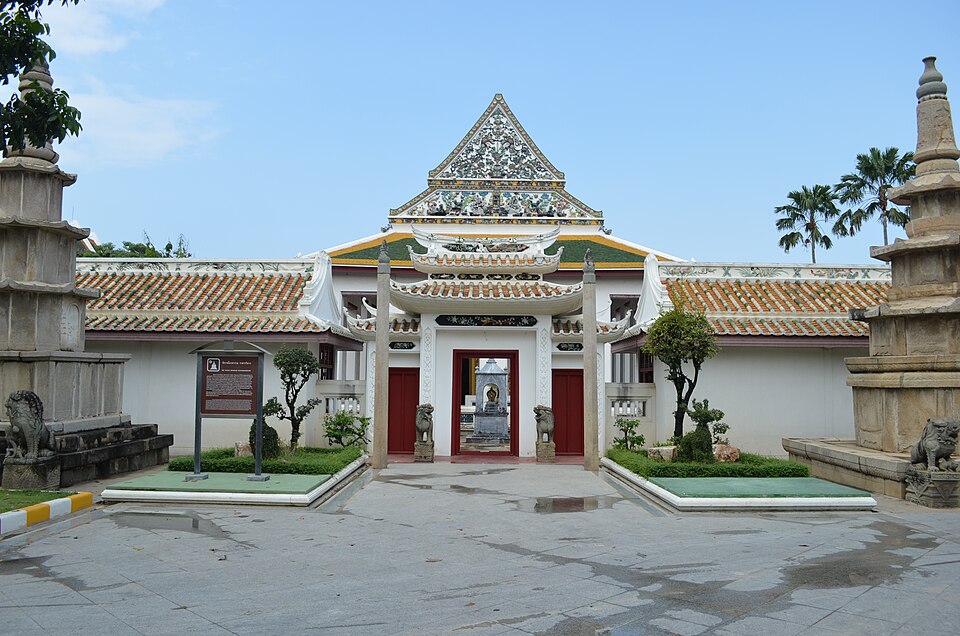
Wat Ratcha Orasaram Ratchaworawihan is the temple where Thai religious architecture changed direction. It began as Wat Chomthong, an Ayutthaya-period monastery in what is now Chom Thong district, and was rebuilt entirely by Prince Chetsadabodin — later King Rama III — after he halted there in 1820 on his way to meet an expected Burmese advance at the Three Pagodas Pass. King Rama II granted the rebuilt monastery the name Wat Ratcha Orasa, the royal son's temple, and it is recognised as the temple of Rama III's reign, ranked a first-class royal monastery of the ratchaworawihan grade. The rebuilding is the point: this is the first building in which Rama III applied the Chinese-influenced court taste later called phra ratcha niyom, and every temple he patronised afterwards descends from what was tried here.
Checked 2026-08-25 · Source
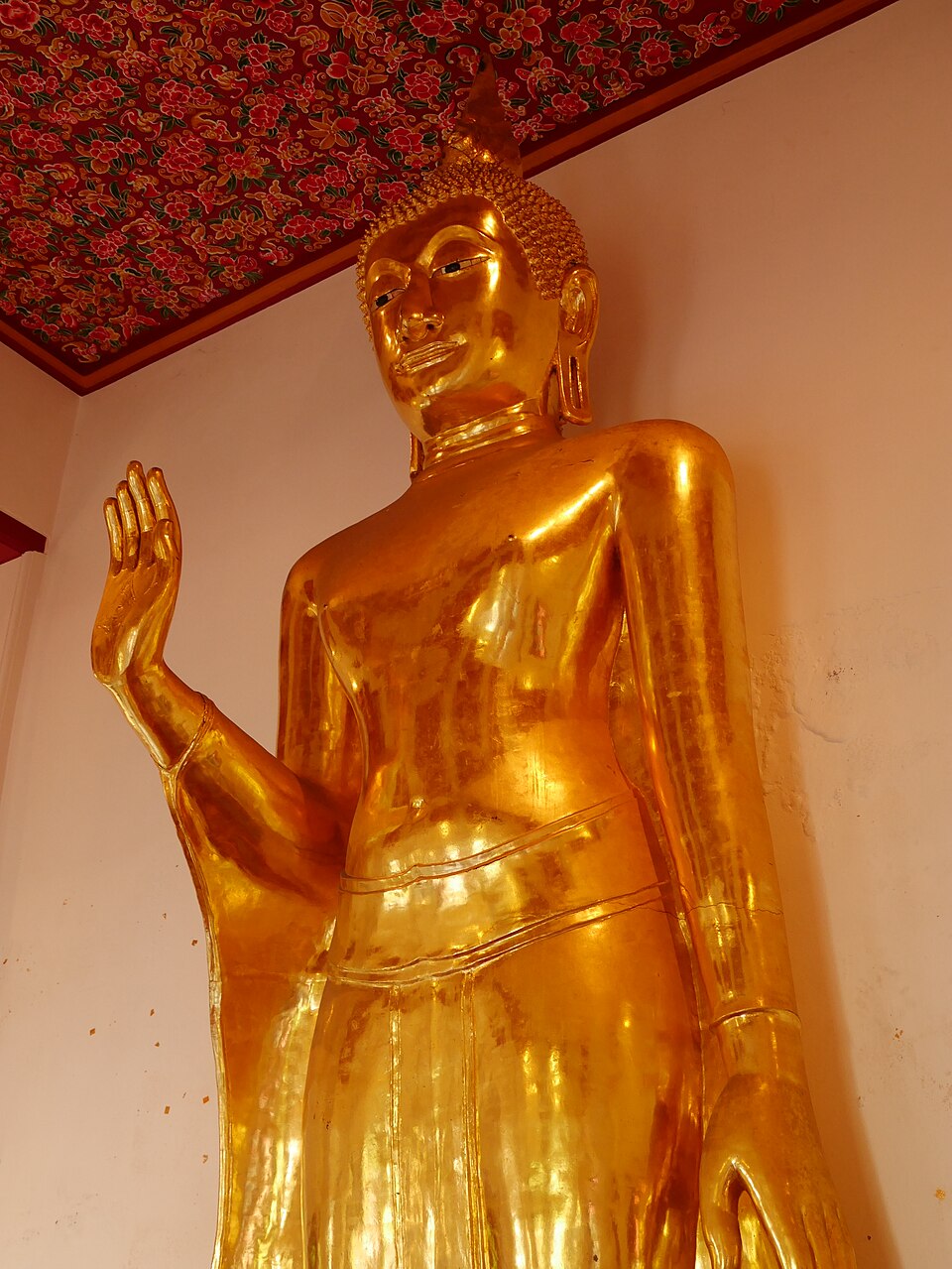
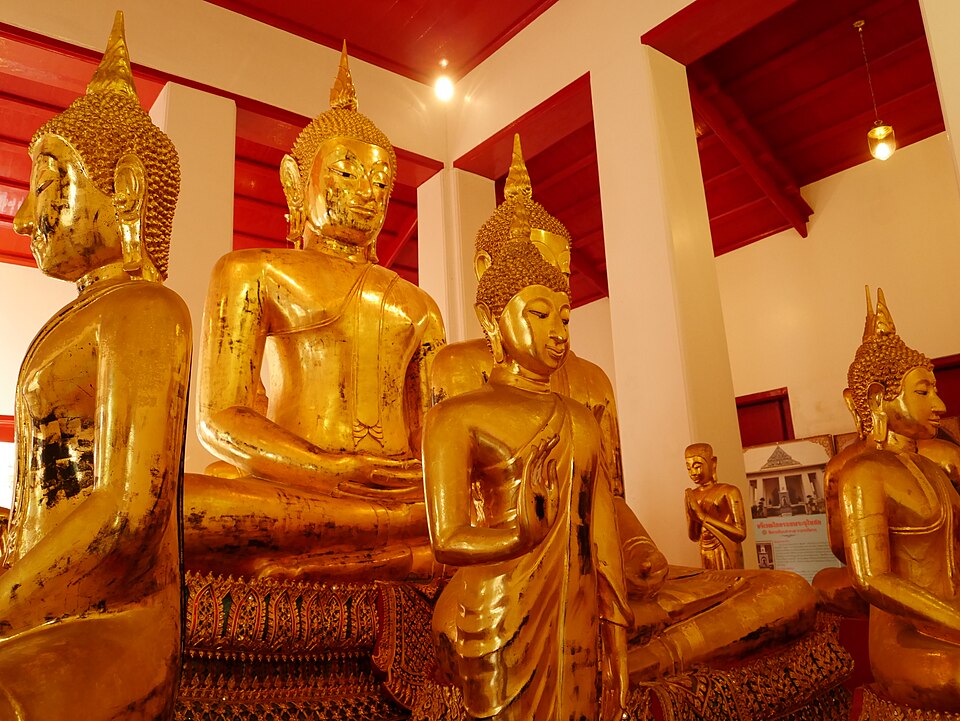
Look at the roofline of the ordination hall first, and notice what is missing. Wat Ratcha Orasaram has no chofa finials, no naga bargeboards and no gilded temple horns — the elements a visitor arriving from the Grand Palace will have been taught to expect. In their place are brick-and-stucco facades faced with Chinese ceramic tilework, and heavy square load-bearing columns with no tapered corners and no capitals. The murals inside abandon jataka narrative for Chinese auspicious objects arranged on tiered display shelves: porcelain vessels, flowers, fruit, butterflies, birds, emblems of longevity, filling the wall surfaces inside framed panels. The principal image, Phra Phuttha Anantakhunaʼamphon, is a hollow-cast bronze 3.10 metres wide and 4.50 metres high in the meditation posture, and the ashes of Rama III rest beneath its base. A second hall holds a reclining Buddha and is surrounded by 32 chedis of equal size; another holds a standing Buddha 6.25 metres tall in Ayutthaya style.
Checked 2026-08-25 · Source

Forty-five minutes is right for Wat Ratcha Orasaram. The compound is compact and the interest is concentrated: fifteen minutes in the ordination hall reading the Chinese mural panels, ten at the reclining Buddha hall and its ring of chedis, ten on the standing Buddha and the sermon hall, and the rest walking the grounds. Anyone who has come specifically for the architecture — the comparison between this roofline and a conventional Thai one — will want longer, because the point is made in details rather than in scale, and the details take a second pass. Set against the travel time from central Bangkok, this is a half-day out even though the visit itself is short.
Checked 2026-08-25
The murals decide the timing at Wat Ratcha Orasaram. They are the reason to come and they are painted on interior walls lit largely by what comes through the doorways, so the middle of the day — when the sun is high and the doorways are bright — reads better inside than early or late, which is the opposite of the advice for most Bangkok temples. Outside, mid-morning gives the tiled facades a raking light that shows the relief. Chom Thong is an outer district with little tourist traffic, so crowding is not a factor at any hour. ssmtour holds no operator-published opening hours for this temple; treat daylight as the safe assumption and avoid arriving near dusk.
Checked 2026-08-25
ssmtour records no admission for Wat Ratcha Orasaram. No operator-published price could be found: the monastery has no website recorded in OpenStreetMap, no official site was reachable on 25 August 2026, and the Thai Wikipedia article consulted for the temple's history carries no fee information. The admission is not stated here for that reason, and it is deliberately not filled in from a guidebook or a listing site. Royal monasteries in Bangkok differ in whether they charge foreign visitors at all, so the honest position is that this one's arrangement is unverified. Ask at the gate. If a donation box is presented rather than a ticket window, treat the amount as the visitor's own decision.
Checked 2026-08-25
Wat Ratcha Orasaram gives its address as 258 Soi Ekkachai 4, Ekkachai Road, Bang Kho sub-district, Chom Thong district, Bangkok 10150, and the compound fronts Khlong Bang Khun Thian. That places it in outer Thonburi, several kilometres south-west of the riverside temple circuit and well away from the routes most visitors to Bangkok use. There is no rapid-transit station at the gate. In practice the approach is a metered taxi or a ride-hailing car, and the sensible plan is to treat the temple as a destination in its own right rather than as a stop between two others. Traffic on Ekkachai Road is heavy at both rush hours, which can double the journey time from the city centre.
Checked 2026-08-25 · Source

The practical hazard at Wat Ratcha Orasaram is the journey rather than the site: an outer-district temple with no station means a return taxi has to be arranged or waited for, and a driver dropped off and released may be hard to replace at the gate. Inside, the murals are the fragile thing. They are painted plaster at arm's height in places, and touching them, leaning on the wall or setting a bag down against it is the damage that accumulates. Cover shoulders and knees and remove shoes before entering any hall. The temple is a working monastery in a residential neighbourhood rather than a visitor attraction with staff on hand, so expect no English signage, no ticket desk and no guide, and expect halls to be locked at times for reasons nobody will explain.
Checked 2026-08-25

Photograph the roofline at Wat Ratcha Orasaram before anything else, because the absence of chofa and naga is the picture — a plain gabled roof over a tiled Chinese facade, which is why the temple matters. Shoot it from the corner of the courtyard so that both the roof profile and the square columns are in frame. Interiors are dim and the murals are matte, so a steady hand and a raised ISO serve better than flash, which flattens the panels and is unwelcome in an active hall in any case. The ring of 32 chedis around the reclining Buddha hall lines up into a repeating pattern from a low angle. Ask before photographing monks, and do not photograph anyone in the middle of making an offering.
Checked 2026-08-25
It is recognised as the temple of King Rama III's reign. He rebuilt the older Wat Chomthong as a prince in 1820, King Rama II granted it the name Wat Ratcha Orasa — the royal son's temple — and Rama III's ashes rest beneath the base of the principal Buddha image.
It is the first temple in which Rama III applied the Chinese-influenced court style later known as phra ratcha niyom: no chofa finials or naga bargeboards, brick-and-stucco facades with Chinese ceramic tilework, plain square columns, and murals of Chinese auspicious objects instead of jataka scenes.
Phra Phuttha Anantakhunaʼamphon, a hollow-cast bronze image in the meditation posture measuring 3.10 metres wide and 4.50 metres high, installed in the ordination hall.
ssmtour records no admission. No operator-published price was reachable on 25 August 2026 — the monastery has no website recorded in OpenStreetMap — so the fee is not stated here rather than guessed.
The temple is at 258 Soi Ekkachai 4, Ekkachai Road, Bang Kho, Chom Thong, Bangkok 10150, fronting Khlong Bang Khun Thian. No rapid-transit station serves the gate, so a taxi or ride-hailing car is the practical approach.
About forty-five minutes on site. Allow considerably more for the round trip, since Chom Thong is an outer district away from the riverside temple circuit.
Loading the interactive map…
The interactive map could not be loaded.
Last updated:
Source: OpenStreetMap contributors, Wikidata ·