


.jpg)

4 min walk
Oktoberfest
- Must see
- Historic monument
Language · 1 published
Historic monument · Munich
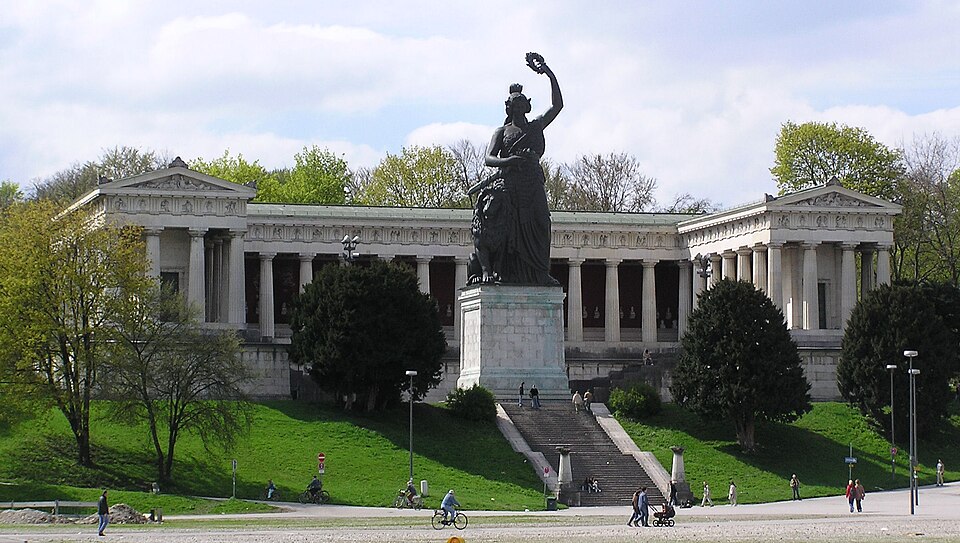
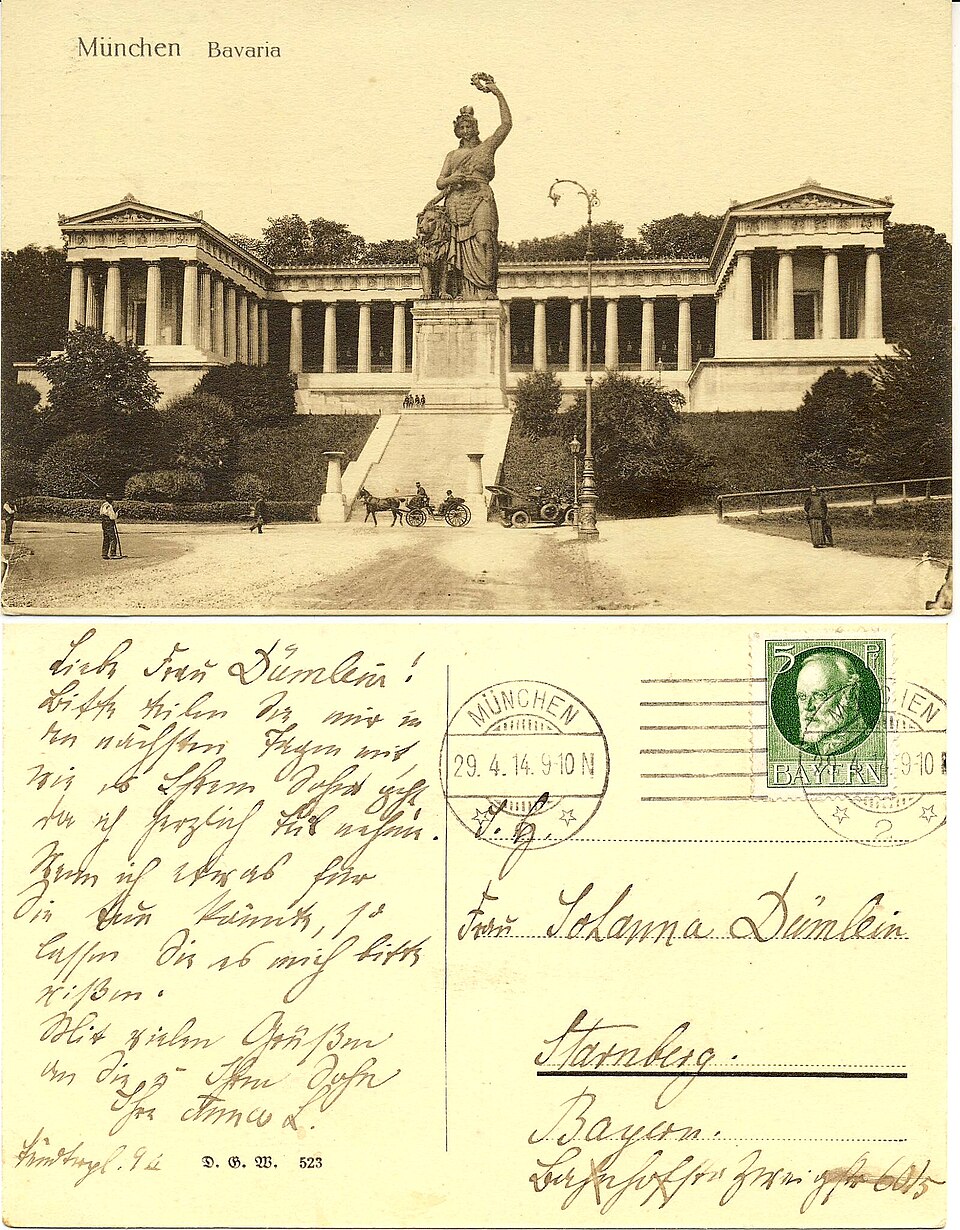
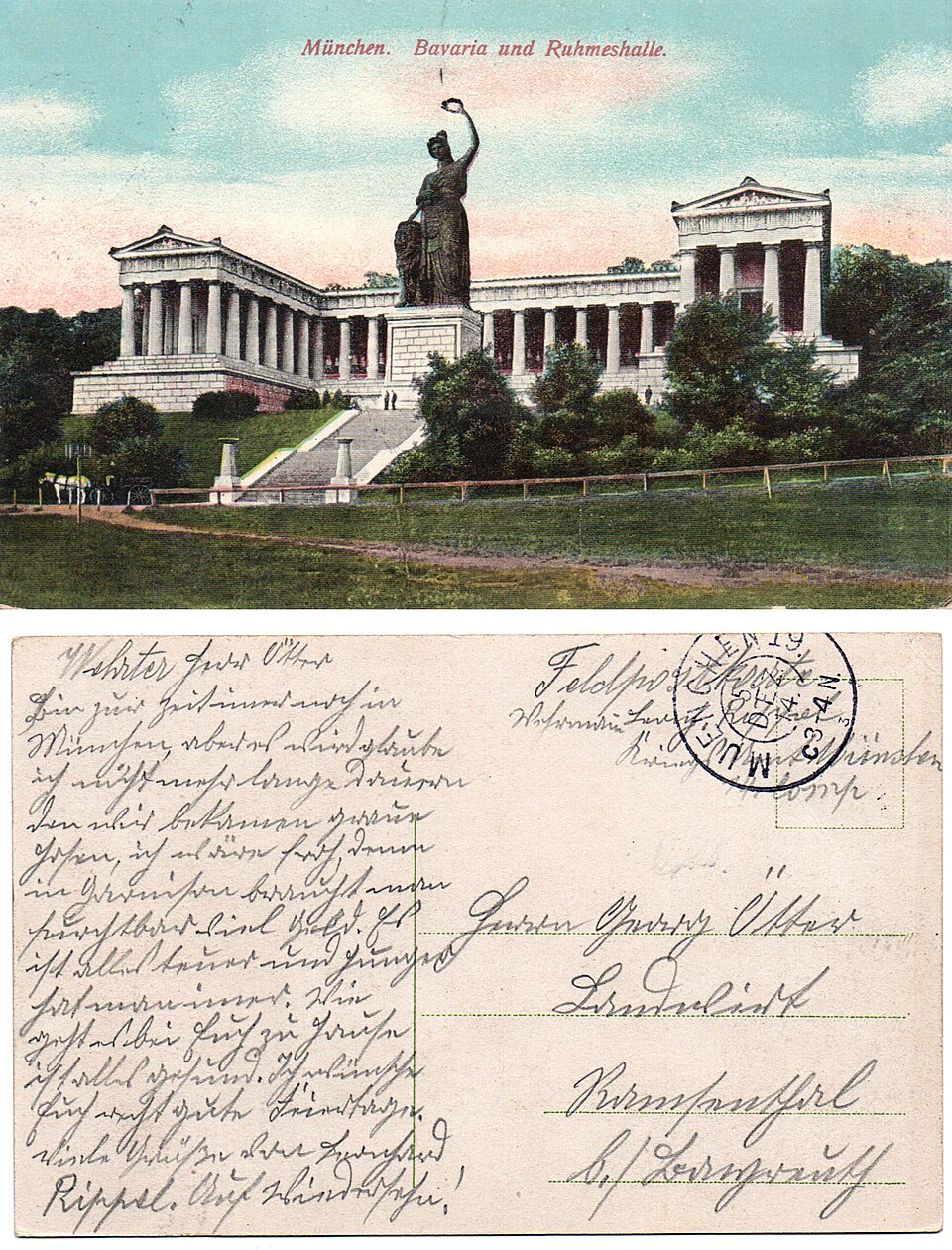
The Ruhmeshalle is a monumental Doric colonnade on the edge of Munich's Theresienwiese, the vast open space best known as the Oktoberfest grounds. Designed by Leo von Klenze and completed in the mid-19th century, it forms a sweeping curved structure with a central pavilion. The building was conceived as a hall of fame to honour distinguished Bavarians. It stands as one of the most significant examples of Bavarian neoclassical architecture, positioned deliberately to face the city and frame views toward the Bavaria statue that stands before it.
Checked 2026-08-26
The interior of the Ruhmeshalle contains busts commemorating notable figures from Bavarian history, including scientists, artists, statesmen, and other personalities deemed worthy of remembrance. The collection has grown over time as additional honorees were added. The open colonnade design means much of the space is exposed to the elements, with the structure functioning partly as a covered walkway. The central section provides a more enclosed area for contemplation of the memorial busts and the historical narratives they represent. Ruhmeshalle also earns time in a munich itinerary because Selected as a distinct visitor-facing POI and matched exactly to the production city pool. Its value becomes clearer when the stop is compared with the surrounding streets and the other ranked places nearby.
Checked 2026-08-26

A visit to the Ruhmeshalle typically requires between twenty and forty minutes for most visitors. This allows sufficient time to walk the length of the colonnade, examine the commemorative busts, appreciate the architectural proportions, and enjoy the views across Theresienwiese toward the Bavaria statue. Those with particular interest in Bavarian history or neoclassical architecture may wish to spend longer. The site connects naturally with visits to the adjacent Bavaria statue, and many visitors combine both into a single stop of approximately one hour.
Checked 2026-08-26
The Ruhmeshalle is an open structure without gates or doors, making it accessible at all hours as a public monument. However, operator-confirmed hours are Not recorded pending review. Visitors should note that the exposed colonnade offers minimal shelter from weather conditions. Early morning and late afternoon visits may provide softer light for photography and fewer crowds. The site becomes particularly busy during Oktoberfest and other events on Theresienwiese. Seasonal considerations apply, as winter visits can be cold and windy given the open architectural design.
Checked 2026-08-26
The Ruhmeshalle is a public monument without entry controls, and no admission fee is typically required to visit the colonnade and view the busts. However, operator-confirmed prices are Not recorded pending review. Visitors should be prepared for the possibility that special exhibitions or events might occasionally introduce charges, though this is not standard practice. No advance booking is necessary for casual visits. Those combining this with other Munich attractions should verify current arrangements, as policies may change without widespread notification.
Checked 2026-08-26
The Ruhmeshalle stands on Theresienwiese, accessible via U-Bahn lines U4 and U5 to the Theresienwiese station, which serves the Oktoberfest grounds. Several tram lines also serve the broader area. From the city centre, it is feasible to walk or cycle through the Ludwigsvorstadt district. The structure is visible from some distance due to its scale and the prominent Bavaria statue. Signage in the area generally directs visitors toward the major monuments. Accessibility for those with mobility limitations should be assessed on arrival due to the historical construction.
Checked 2026-08-26
Visitors should be aware that the Ruhmeshalle is an exposed structure offering limited protection from rain, strong sun, or wind. The stone surfaces may become slippery in wet conditions. The area around Theresienwiese experiences extremely heavy foot traffic during Oktoberfest, making visits during that period potentially overwhelming. Some busts or commemorative elements may be temporarily inaccessible due to maintenance or event infrastructure. The monument's open design means personal belongings are not secure from weather or opportunistic attention. Standard urban vigilance applies in this public space.
Checked 2026-08-26
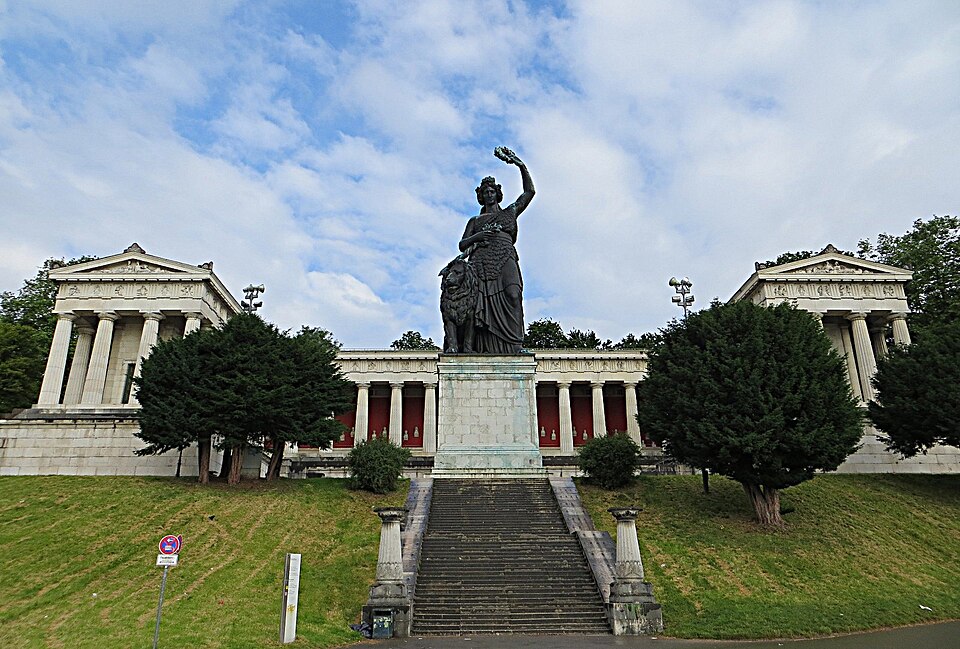
The Ruhmeshalle presents excellent opportunities for architectural photography, with its repeating Doric columns creating strong geometric compositions. The curve of the colonnade offers natural leading lines, while the Bavaria statue provides a compelling focal point in wider shots. Early morning and golden hour light enhance the stone textures dramatically. The open structure means tripods may be used without obstruction, though courtesy toward other visitors is essential. Interior shots of the busts may be challenging due to variable natural light. Drone operation would require verification of local regulations given the proximity to populated areas and events.
Checked 2026-08-26
No. The Ruhmeshalle is the curved colonnade hall, while the Bavaria statue is the large bronze female figure standing in front of it. They are companion monuments designed as an ensemble but are distinct structures.
The structure remains physically accessible, but the surrounding area becomes extremely crowded during Oktoberfest. Visitors seeking a tranquil experience should consider alternative times.
The busts commemorate individuals deemed significant to Bavarian history across various fields. The specific criteria for selection and the complete list of honorees are not recorded in the supplied context.
Guided tour availability is not recorded in the supplied context. The monument is generally experienced as a self-directed visit.
Dedicated facilities at the monument itself are not recorded in the supplied context. Visitors should plan accordingly, particularly during events when temporary infrastructure may appear.
Night-time illumination specifics are not recorded in the supplied context. The open structure and public setting suggest some ambient light from surrounding areas would be present.
Loading the interactive map…
The interactive map could not be loaded.
Last updated:
Source: OpenStreetMap contributors, Wikidata ·