


1 min walk
Munich Residence
- Must see · Heritage site
- Historic monument
Language · 1 published
Historic monument · Munich
Cuvilliés-Theater
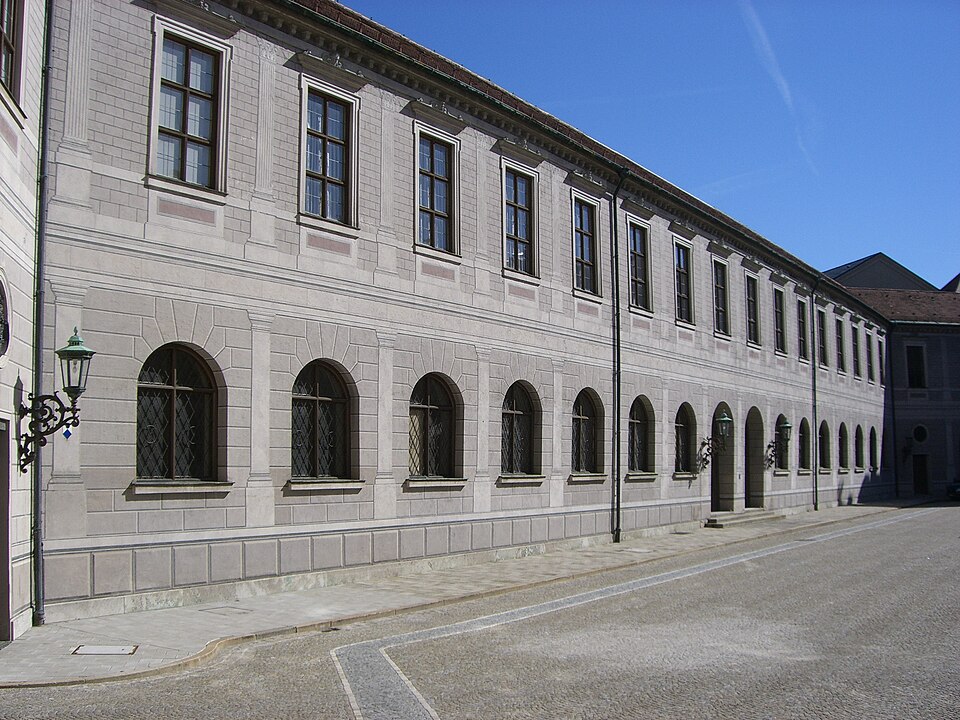
Cuvilliés Theatre is a historic rococo theatre in Munich, Germany. It was originally built in the mid-eighteenth century and is named after its architect, François de Cuvilliés. The theatre served as a court theatre for the Bavarian royal family and is considered one of the most significant surviving examples of rococo theatre architecture in Europe. It was severely damaged during World War II but was subsequently reconstructed. The theatre is now part of the Munich Residenz complex and continues to host performances, preserving its function as a working theatre alongside its status as a heritage monument.
Checked 2026-08-26
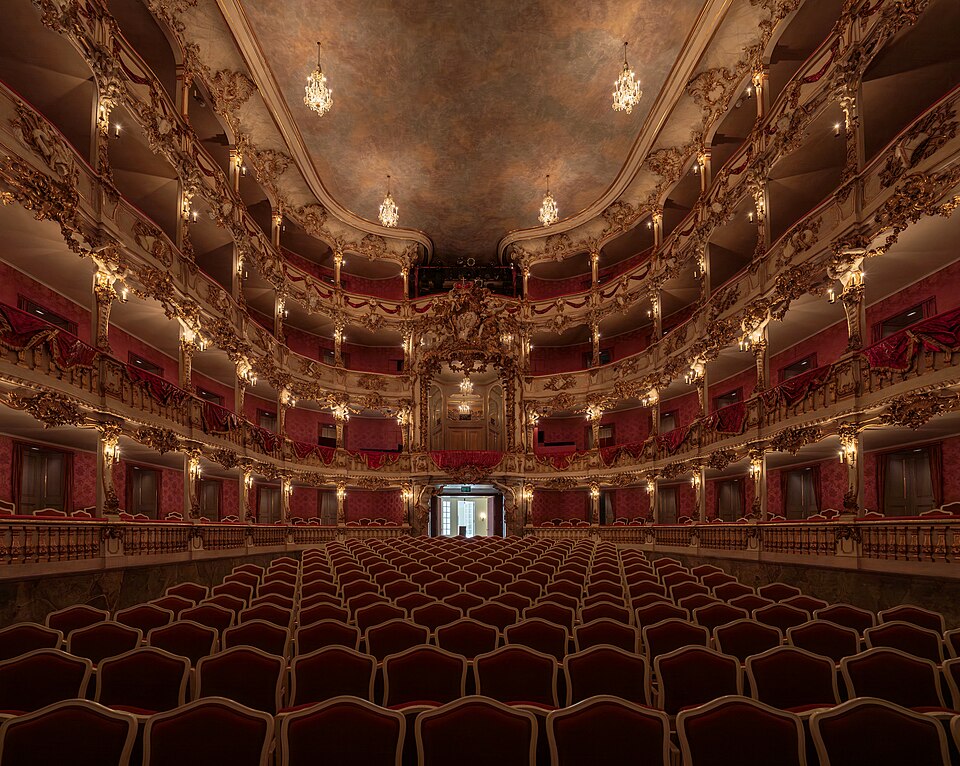
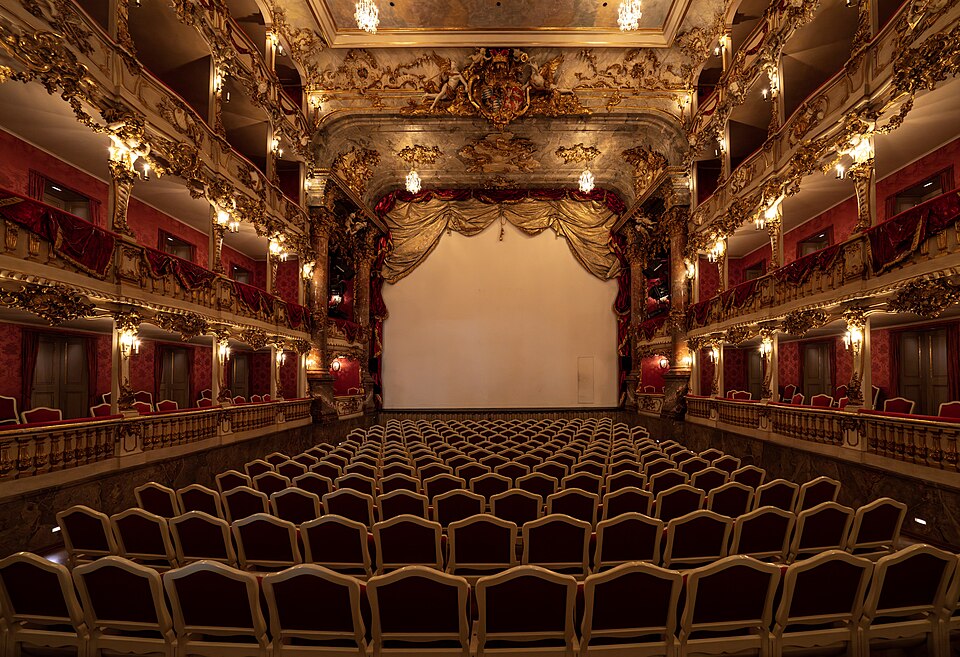
The interior of Cuvilliés Theatre is celebrated for its elaborate rococo decoration, featuring gilded stucco work, painted ceilings, and ornate box seating arranged in multiple tiers. The auditorium retains its intimate scale and hierarchical seating structure typical of court theatres, with the royal box positioned prominently. The decorative programme includes mythological and allegorical themes consistent with eighteenth-century theatrical conventions. The reconstructed elements faithfully reproduce the original design based on surviving documentation and fragments. The theatre contains period-appropriate furnishings and fixtures that support its ongoing use for opera, concerts, and other performances.
Checked 2026-08-26

A visit to Cuvilliés Theatre typically requires between thirty minutes and one hour for viewing the auditorium and appreciating the architectural details. Visitors attending a performance should allow additional time for seating and the duration of the event itself. Those exploring the theatre as part of a broader visit to the Munich Residenz complex may integrate it into a half-day or full-day itinerary encompassing multiple palace rooms and museums. The compact nature of the auditorium means that even brief visits can be rewarding for those primarily interested in architectural heritage.
Checked 2026-08-26
Operator-confirmed hours are Not recorded pending review. Visitors should consult official sources before planning their trip. The theatre may be visited during daytime opening hours when performances are not scheduled, though these hours are subject to change. Evening visits are naturally tied to performance schedules, which vary throughout the year. Munich experiences peak tourism during summer months and the Oktoberfest period, potentially affecting crowding at major attractions. The interior lighting conditions for appreciating the gilded decoration may vary depending on time of day and whether natural or artificial illumination is employed.
Checked 2026-08-26
Operator-confirmed prices are Not recorded pending review. Visitors should verify current admission fees through official channels. Separate ticketing may apply for daytime visits versus performance attendance. Combination tickets with other Munich Residenz attractions may be available. Performance tickets are typically sold through the Bavarian State Opera or other presenting organisations, with pricing tiers reflecting seating location. Discounts for students, seniors, or other categories may be offered but require confirmation from official sources. Advance booking is advisable for performances given the theatre's limited capacity and high demand for sought-after dates.
Checked 2026-08-26
Cuvilliés Theatre is located within the Munich Residenz in the city centre, accessible by public transportation. The nearest U-Bahn stations include Odeonsplatz and Marienplatz, both served by multiple lines. Tram and bus services also operate in the vicinity. The central location makes walking feasible from many downtown hotels and attractions. The Residenz complex entrance is on Max-Joseph-Platz. Visitors should allow time to navigate the palace complex to reach the theatre specifically, as it is one component of a large architectural ensemble. Signage within the complex provides directional guidance.
Checked 2026-08-26

The theatre's historic interior requires respectful behaviour; touching decorative elements is prohibited. Photography restrictions may apply, particularly during performances. The auditorium has steep tiered seating with limited accessibility for mobility-impaired visitors. Acoustic announcements may be in German. Performance schedules can affect daytime visiting access without advance notice. The intimate scale means that late arrivals to performances may not be admitted until intervals. Visitors should verify whether their visit coincides with performance preparations, which may restrict access to certain areas. Cloakroom facilities and bag size restrictions may apply.
Checked 2026-08-26

Photography policies at Cuvilliés Theatre are not explicitly detailed in available sources. Visitors should assume that flash photography is prohibited to protect sensitive historic finishes and to avoid disturbing performances. Tripods and professional equipment likely require special permission. During performances, photography and recording are almost certainly forbidden. Daytime visitors may be permitted to take photographs for personal use, but this should be confirmed on arrival. The gilded surfaces and theatrical lighting create challenging exposure conditions; camera settings should be adjusted accordingly. Respect for other visitors and any ongoing performances must take priority.
Checked 2026-08-26
Daytime visits are possible when performances are not scheduled, though specific hours must be confirmed with official sources.
Advance booking is advisable, particularly for performances, due to limited capacity; daytime visit arrangements should be verified officially.
The historic tiered seating presents accessibility challenges; visitors with mobility requirements should contact the venue directly for current provisions.
English-language offerings are not recorded; visitors should inquire directly about tour availability and language options.
These are distinct venues; Cuvilliés Theatre is the historic rococo court theatre within the Residenz, while the National Theatre is a separate nineteenth-century opera house.
The theatre was severely damaged but subsequently reconstructed based on surviving documentation and fragments, preserving its original design character.
Loading the interactive map…
The interactive map could not be loaded.
Last updated:
Source: OpenStreetMap contributors, Wikidata ·