


1 min walk · Paris 9e Arrondissement
Jardin Pauline-García-Viardot
- High
- Nature site
Language · 1 published
Museum · Paris 9e Arrondissement, Paris
Musée de la Vie Romantique
Read from the OpenStreetMap access tags; anything not listed has no tag recorded.
Set the group type to family in the planner and the day window contracts to about three quarters of a solo day.
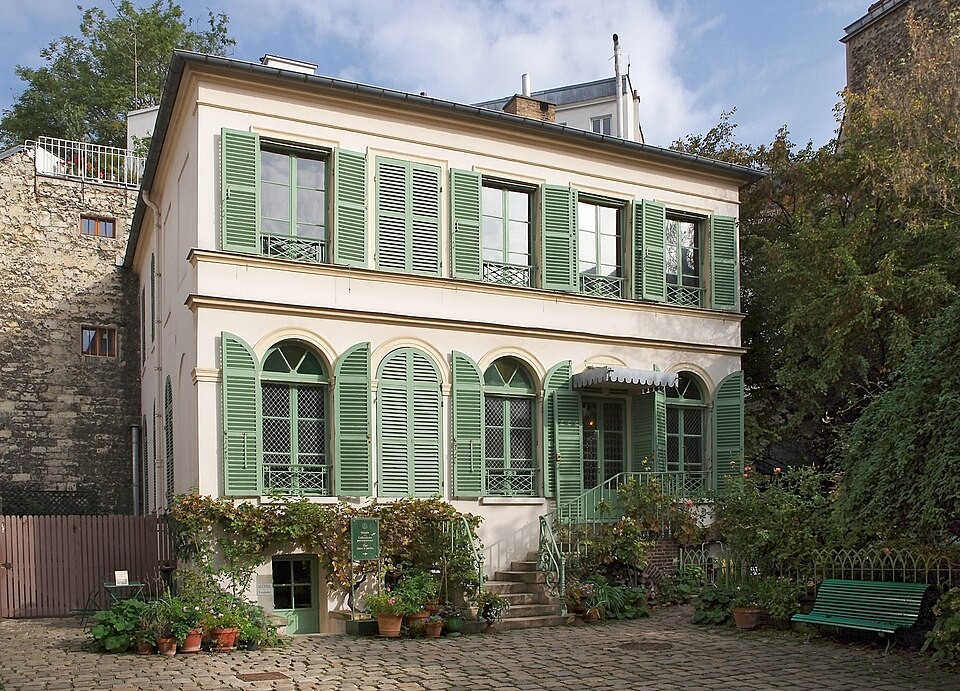
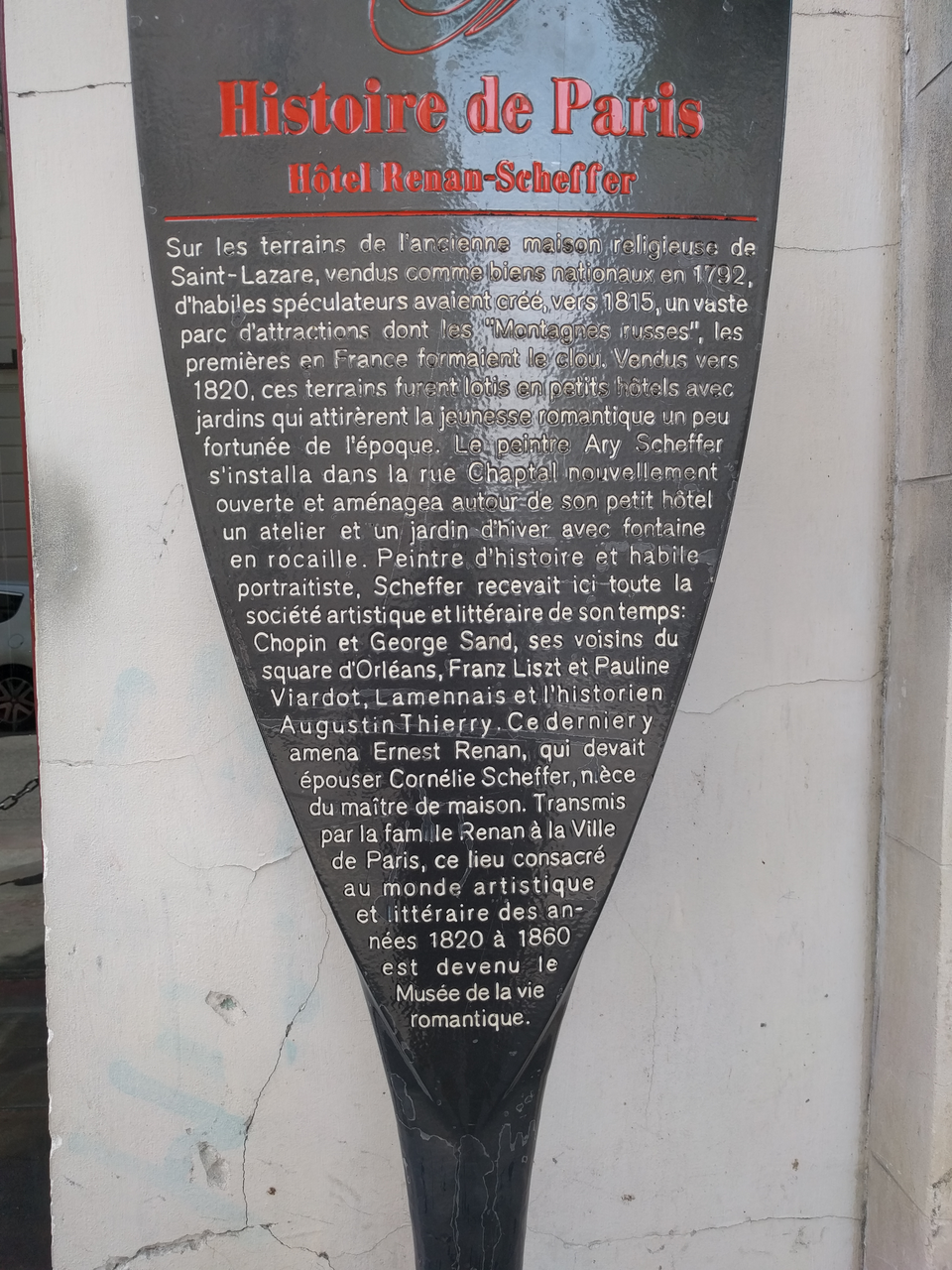
The Musée de la Vie romantique occupies the house and studio of the painter Ary Scheffer, in a district that was the address of Romantic-era Paris rather than a stop added to it later.
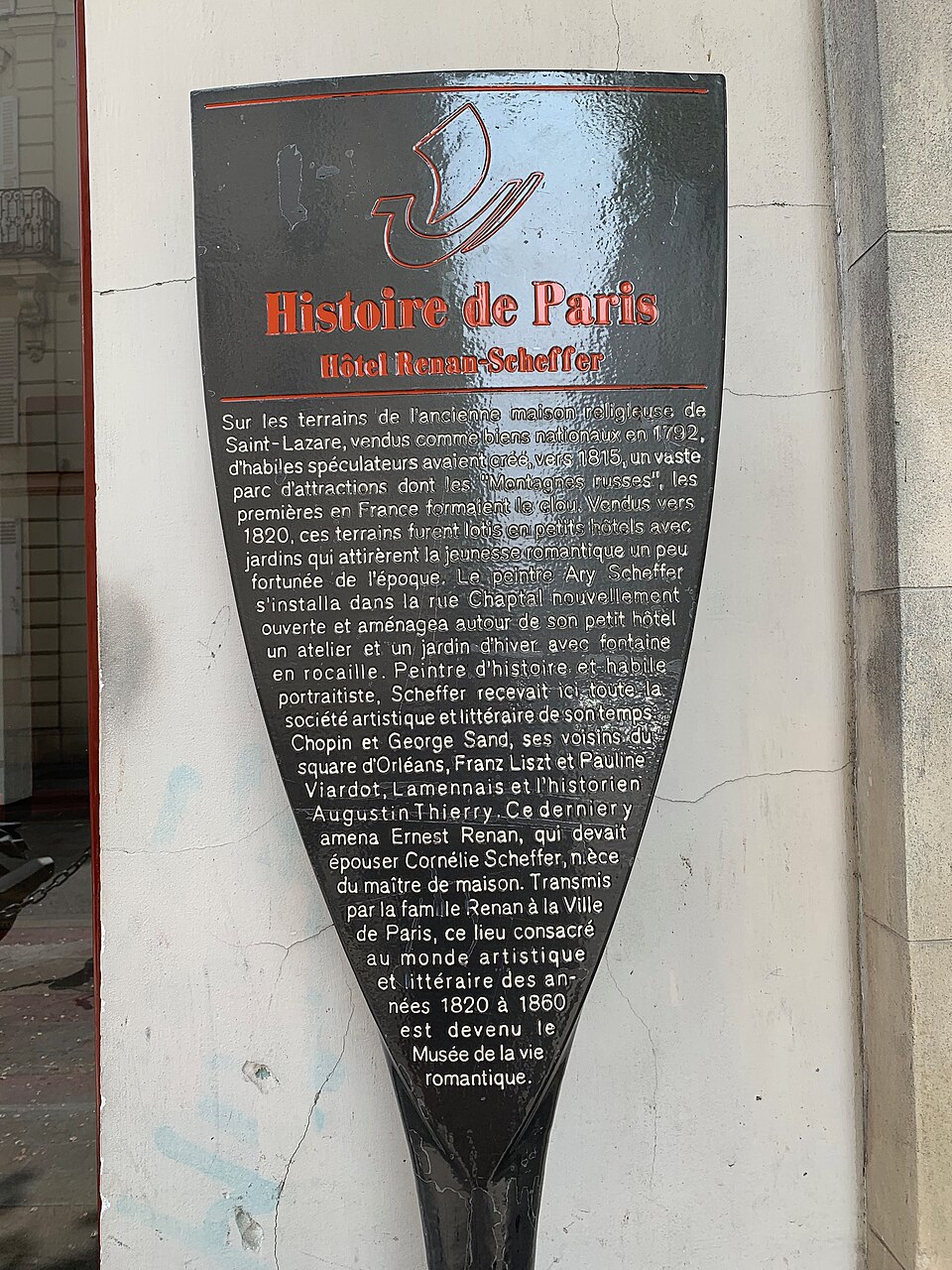
Scheffer, a Dutch-French painter, built the house in the 1830s in what was then called Nouvelle Athènes, a 9th-arrondissement neighbourhood that drew painters, writers and musicians through the July Monarchy years. The museum, opened by the City of Paris, keeps his studio much as it stood and uses the rest of the house to display the period around him.
It is one of the smaller houses in the Paris Musées network, and its scale is part of the point: a domestic building from the era it covers, rather than a purpose-built exhibition hall.
Checked 2026-08-24 · Source
Ary Scheffer's studio and a collection built around the writer George Sand, whose portraits, jewellery and personal objects form the museum's best-known holdings.
Sand was a central figure of the Nouvelle Athènes salon culture the museum documents, and her circle — which included Frédéric Chopin, Eugène Delacroix and Franz Liszt — is represented through portraits and memorabilia alongside Scheffer's own paintings and preserved studio. A cobbled courtyard garden with a tea room sits between the two wings of the house, a quieter counterpart to the exhibition rooms.
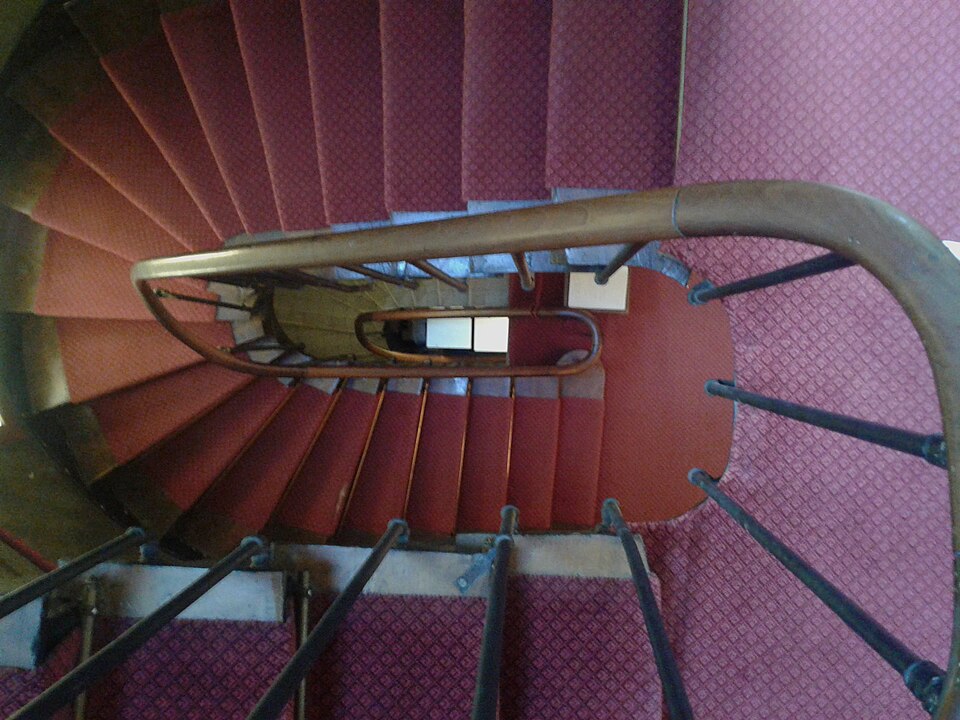
Scheffer's studio keeps its tall north-facing windows, the light artists of the period favoured for painting, and several of his own canvases hang where they were made rather than in a separate gallery wing. The rooms are arranged as they would have been lived in, small and connected, rather than opened up into the larger halls a bigger museum would use for the same collection.
Checked 2026-08-24 · Source

Forty-five minutes to an hour for the permanent collection; longer with a coffee in the courtyard garden, which many visitors treat as part of the visit rather than an afterthought.
The house is small enough that a rushed visit does not save much time over an unhurried one — the rooms are few, and the garden, when the weather allows sitting in it, is often what extends a stay past the collection itself.
Checked 2026-08-24 · Source
A weekday afternoon, when the museum and its courtyard are quietest and the nearby Pigalle and Montmartre crowds have not spilled into this quieter side street.
The garden and tea room are the more weather-dependent part of the visit — worth timing to a dry, mild day if sitting outside is part of the plan — while the collection itself is unaffected by season.
Checked 2026-08-24 · Source
The permanent collection is free, in line with the City of Paris's Paris Musées network, which drops charges for its own permanent holdings. Temporary exhibitions are ticketed separately.
Current rates for a temporary show, when one is running, are not published on the sources this page uses and are not reproduced here.
Checked 2026-08-24 · Source
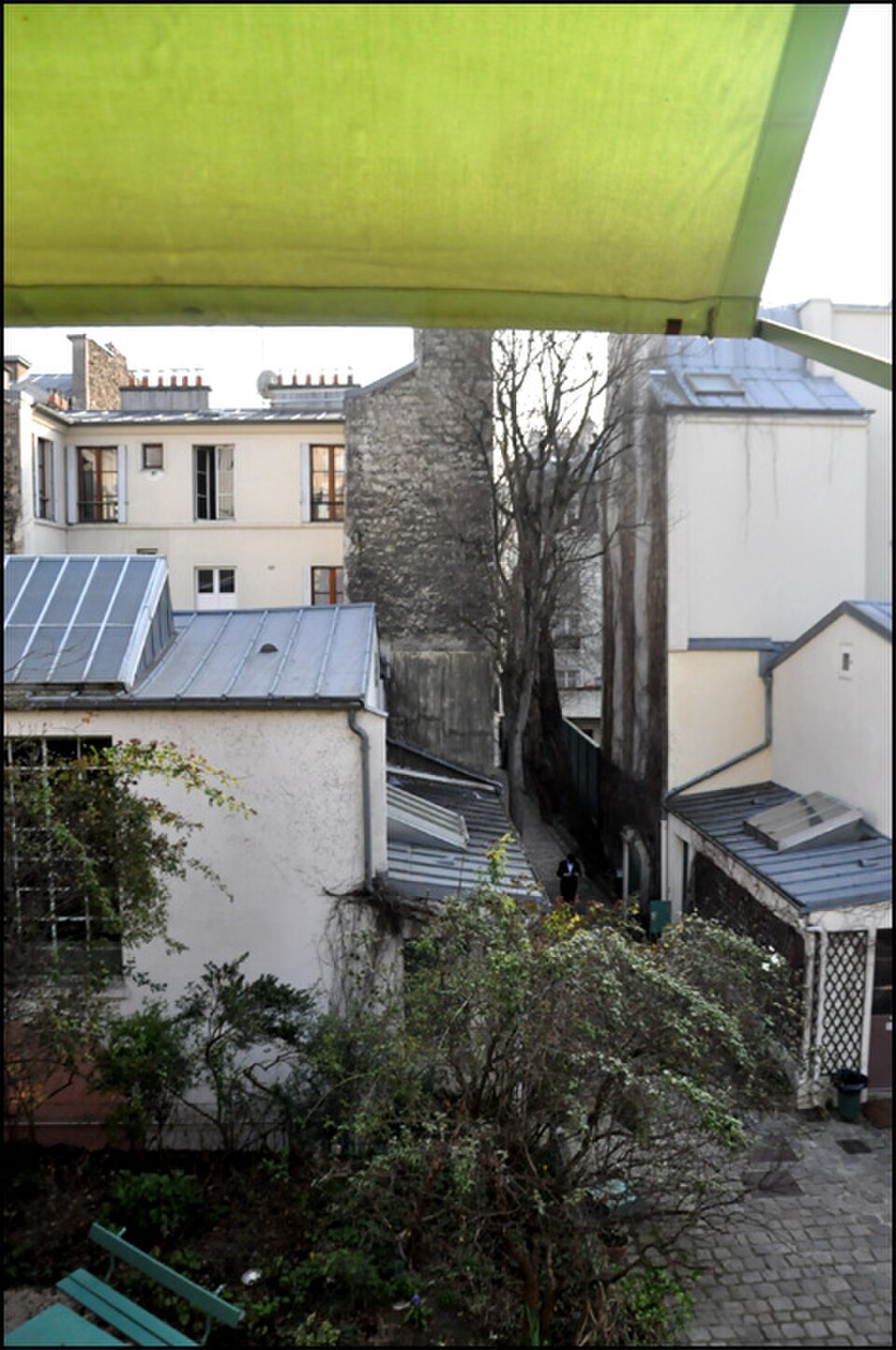
Rue Chaptal, in the Nouvelle Athènes part of the 9th arrondissement, between Pigalle and Saint-Georges.
Saint-Georges and Blanche, both on Métro line 12 and line 2 respectively, sit within a short walk of the entrance, and Pigalle, on lines 2 and 12, is a few minutes further south along the same set of streets.
Checked 2026-08-24 · Source
The museum is easy to miss — it sits down a quiet courtyard entrance off Rue Chaptal rather than facing the street directly, and a visitor walking past the entrance gate without knowing to look for it can miss it entirely.
Rooms are small and the collection is not laid out for large groups; a tour bus's worth of visitors at once would crowd it more than the space is built for, though that is rarely an issue in practice given how few visitors seek it out compared with the district's larger museums.
Checked 2026-08-24 · Source
The cobbled courtyard garden, with its ivy-covered walls and the tea-room tables set among the plantings, is the museum's most photographed corner and the one that reads least like a conventional museum shot.
Inside, Scheffer's preserved studio — tall windows, painting equipment left in place — photographs well in the natural light the room was built to catch, without needing flash. The small scale of the rooms means a wide-angle lens captures more of a scene in one frame than standing back and zooming in would allow.
Checked 2026-08-24 · Source
The permanent collection is free, as part of the City of Paris's Paris Musées network. Temporary exhibitions are ticketed separately.
The painter Ary Scheffer, who built it in the 1830s in the Nouvelle Athènes district and used it as his home and studio.
The writer was a central figure in the Nouvelle Athènes salon culture the museum documents, and the collection includes her portraits, jewellery and personal objects.
Forty-five minutes to an hour for the collection itself; longer if time is spent in the courtyard garden's tea room.
Down a courtyard off Rue Chaptal in the 9th arrondissement — it does not front directly onto the street, which makes it easy to walk past without noticing.
Loading the interactive map…
The interactive map could not be loaded.
Last updated:
Source: OpenStreetMap contributors, Wikidata ·