


2 min walk · Paris 16e Arrondissement
Église Notre-Dame-de-Grâce-de-Passy
- High
- Place of worship
Language · 1 published
Museum · Paris 16e Arrondissement, Paris
| Monday | 10:00 – 18:00 |
|---|---|
| Tuesday | 10:00 – 18:00 |
| Wednesday | 10:00 – 18:00 |
| Thursday | 10:00 – 18:00 |
| Friday | 10:00 – 18:00 |
| Saturday | 10:00 – 18:00 |
| Sunday | Closed |
Checked 2026-08-24 · Source
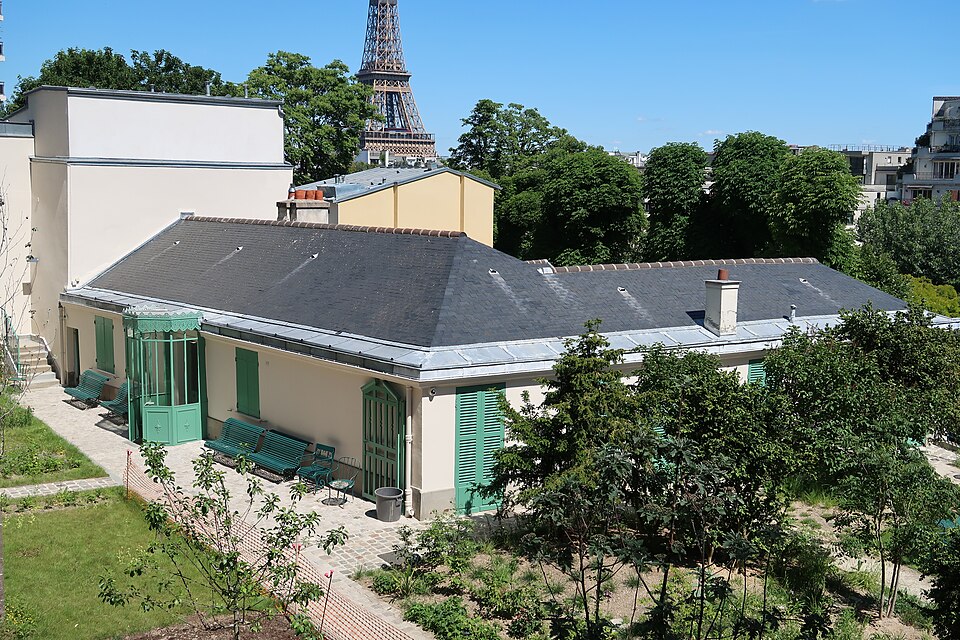
Maison de Balzac is the house where the novelist Honore de Balzac lived from 1840 to 1847, on rue Raynouard in what was then the village of Passy and is now the 16th arrondissement of Paris.
He wrote a large part of La Comedie humaine here, including revisions to Le Pere Goriot and the drafting of Illusions perdues and Splendeurs et miseres des courtisanes. The building is one of the few Balzac residences in Paris that survives, and it has been a municipal museum since 1949, run today by Paris Musees, the network of the city's own museums.
Checked 2026-08-24 · Source
The rooms open to the public include Balzac's study, kept close to how it looked when he worked there, with his writing table, his coffee pot -- he drank it in large quantities through the night to keep writing -- and a cast of his hand.
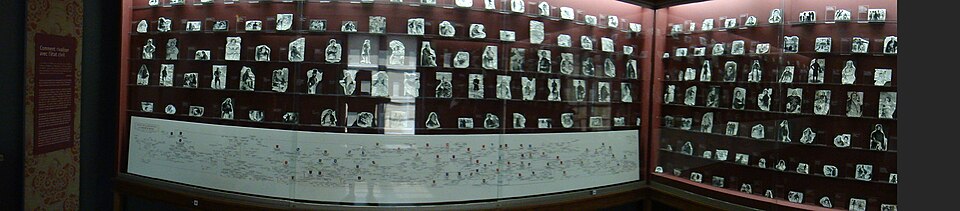
A genealogical tree of characters from La Comedie humaine, drawn up by the collector Vicomte de Spoelberch de Lovenjoul, covers a wall and maps how recurring characters connect across the nearly hundred novels and stories of the cycle. The museum also holds manuscripts, proof sheets covered in Balzac's handwritten corrections, portraits, and first editions, and the basement rooms carry temporary exhibitions on Balzac and his period.
A dedicated room reconstructs the layout of Balzac's printing business, which failed in the 1820s and left him with debts he was still working off when he took the Passy lease under the assumed name of his housekeeper's relative, Monsieur de Breugnol, precisely to keep the address off his creditors' records.
Checked 2026-08-24 · Source

Allow 45 minutes to an hour for the permanent rooms; add 30 minutes when a temporary exhibition is running.
The house is modest in scale -- it was a garden-level apartment Balzac rented partly because it let him leave by a lower door onto rue Berton when creditors came to the front -- so the visit is short and does not need to be paired with another Passy sight to fill a morning, though the Musee du vin de Paris sits a few minutes away in the same former quarry cellars.
Checked 2026-08-24 · Source
Weekday mornings are quietest; the house is a specialist stop rather than a mass attraction, so it rarely queues.
It closes on Mondays and on 1 January, 1 May and 25 December, in line with the other Paris Musees sites. The garden terrace behind the house, overlooking the slope down to rue Berton, is at its best on a clear afternoon, since it has no cover.
Checked 2026-08-24 · Source
The permanent collection is free, as at all Paris Musees sites; a paid ticket applies only to a temporary exhibition, when one is running.
Tickets for an exhibition, when charged, are bought at the desk or in advance on the Paris Musees website. Not recorded: a current exhibition schedule beyond the general rule of free permanent access.
Checked 2026-08-24 · Source
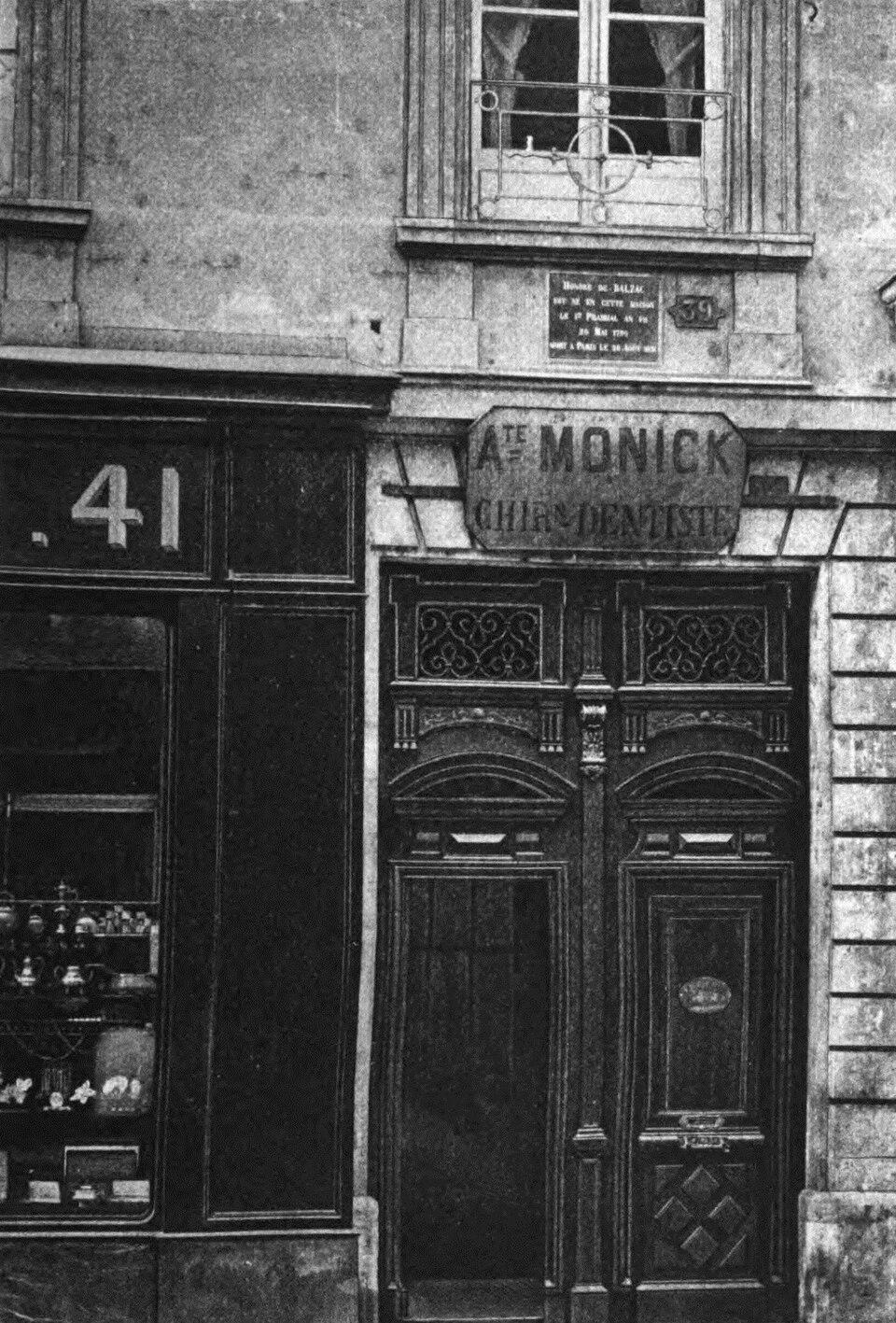
The house sits on rue Raynouard, a short walk down from Passy or La Muette on Metro Line 9, or from Passy on the RER C.
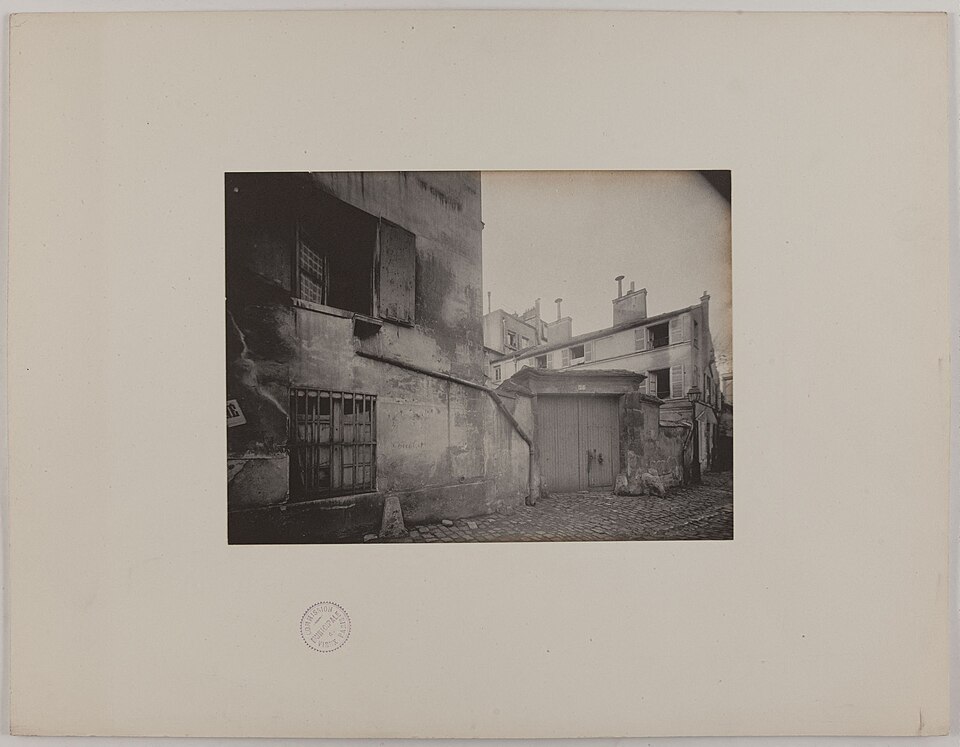
Rue Berton, the narrow cobbled lane behind the museum that follows the old line of the Paris city wall, is the more atmospheric approach and the one Balzac used to slip away from creditors; it connects down to the avenue de New York along the Seine.
Passy itself was a separate village outside Paris until it was annexed into the city in 1860, which is part of why the streets here run at angles to the grid found elsewhere in the Haussmann-era city, and why the walk down from the metro involves a noticeable slope toward the river.
Checked 2026-08-24 · Source
The museum is small and the rooms are not laid out to absorb a crowd, so a school group ahead can slow a visit noticeably; there is no separate fast lane.
The entrance is at garden level down a short flight of steps from rue Raynouard, which is not step-free. Photography without flash is allowed in the permanent rooms; a loaned exhibition sometimes restricts photography entirely, and signage at the entrance states the rule for the day.
Checked 2026-08-24 · Source

The genealogical wall of Comedie humaine characters and Balzac's cluttered study table are the two rooms visitors photograph most.
The garden terrace, with its view down toward the Seine through the trees on the Passy hillside, photographs best in the low light of late afternoon. Flash is not allowed near the manuscripts and first editions, which fade under repeated bright light.
Checked 2026-08-24 · Source
Yes. The permanent collection is free, like every Paris Musees site; only a temporary exhibition, when one is running, charges a ticket.
From 1840 to 1847, renting it partly under a false name to stay ahead of creditors chasing his printing-business debts.
He revised Le Pere Goriot and drafted parts of Illusions perdues and Splendeurs et miseres des courtisanes, working through the night on coffee.
Not recorded on the museum's own site in a form specific enough to state a step-free route with confidence; the entrance is down steps from street level.
A lower exit Balzac used to leave unseen onto rue Berton, the lane behind the house, when a creditor arrived at the rue Raynouard entrance.
The Musee du vin de Paris, in old quarry cellars a few minutes away in Passy, is the closest paired stop.
Loading the interactive map…
The interactive map could not be loaded.
Last updated:
Source: OpenStreetMap contributors, Wikidata ·