.jpg)
.jpg)
.jpg)
.jpg)
.jpg)
.jpg)
4 min walk · เขตสาทร
Khlong Chong Nonsi Public Park
- High
- Nature site
Language · 1 published
Museum · เขตสาทร, Bangkok
บ้าน ม.ร.ว.คึกฤทธิ์ ปราโมช

M.R. Kukrit Pramoj's house is a compound of five old central-Thai wooden houses assembled on a private plot at 19 Soi Phra Pinit, a side lane of Soi Suan Phlu in Sathon, and kept as it stood when its owner died in 1995. Kukrit Pramoj was a great-grandson of King Rama II, an Oxford-educated journalist who founded the newspaper Siam Rath, the author of Four Reigns and Red Bamboo, a khon dancer who founded a troupe at Thammasat University, and prime minister of Thailand from 14 March 1975 to 20 April 1976. The Association of Siamese Architects gave the house its conservation award in the private-residence category in 2544. It is a writer's house rather than a palace, and it is the only place in Bangkok where the arrangement of a Thai gentleman-scholar's rooms, garden and books survives as one composition instead of as a museum reconstruction.
Checked 2026-08-25 · Source
Nothing in the compound was built where it stands. Kukrit bought the land in Soi Suan Phlu and then bought old timber houses elsewhere and had them taken apart and re-erected here: the main house came from the Sao Ching Cha quarter in 1947, two more came from Pak Hai district in Ayutthaya, and the assembly on this plot began in 1960 with craftsmen brought from Pak Hai to do the joinery. Kukrit moved in that year and spent the next three decades adding to and adjusting the group until his death in 1995. Five raised teak houses now sit on a shared platform with further pavilions around them, connected by open verandas, with the garden Kukrit planted between and below them. The Fine Arts Department has registered the compound as an ancient monument, and it is run as a house museum by the Kukrit 80 Foundation under royal patronage, with the visitor fee going to the foundation. The rooms hold his own furniture, ceramics and library rather than a curated collection assembled afterwards.
Checked 2026-08-25 · Source

Allow seventy-five minutes. The five houses are small and connected, so the built part of the visit is short; the time goes on the garden, on the verandas between the houses, and on reading the objects in rooms that reward slow looking rather than a circuit. Visitors who come for the architecture — the platform, the proportions of the panelled walls, the way three houses from two provinces were made to sit together — should allow the full hour and a quarter. Visitors passing through Sathon between other stops can see the compound in forty minutes and will not have wasted the trip.
Checked 2026-08-25
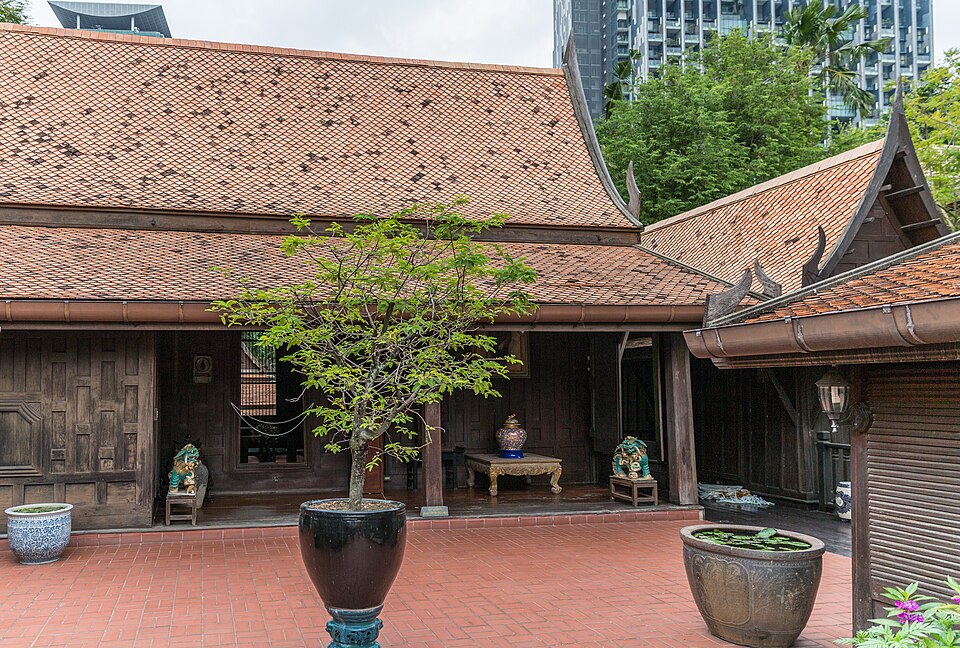
No opening days or hours for the house museum could be established from an operator-published page, so the first thing to do is confirm by telephone before travelling rather than to arrive on the strength of a listing. On the weather, the compound is largely outdoors: the houses are open-sided and joined by verandas, and the garden is the reason to linger, so a morning between November and February is the comfortable choice and an April afternoon is not. Rain is less of a problem here than heat, because the verandas are roofed and the planting looks better wet.
Checked 2026-08-25
No admission price is recorded for this page, because none could be found on a site belonging to the operator. The house is run by the Kukrit 80 Foundation under royal patronage, and the Association of Siamese Architects citation confirms that visitor fees support that foundation, so a charge exists — but the figure is not published by the foundation anywhere that could be reached on 25 August 2026. Searches for a foundation website returned only third-party listings: the Princess Maha Chakri Sirindhorn Anthropology Centre museum database and museumthailand.com, which are compilations rather than the operator, and this page does not repeat their figures. Ask the price at the gate, or telephone ahead.
Checked 2026-08-25
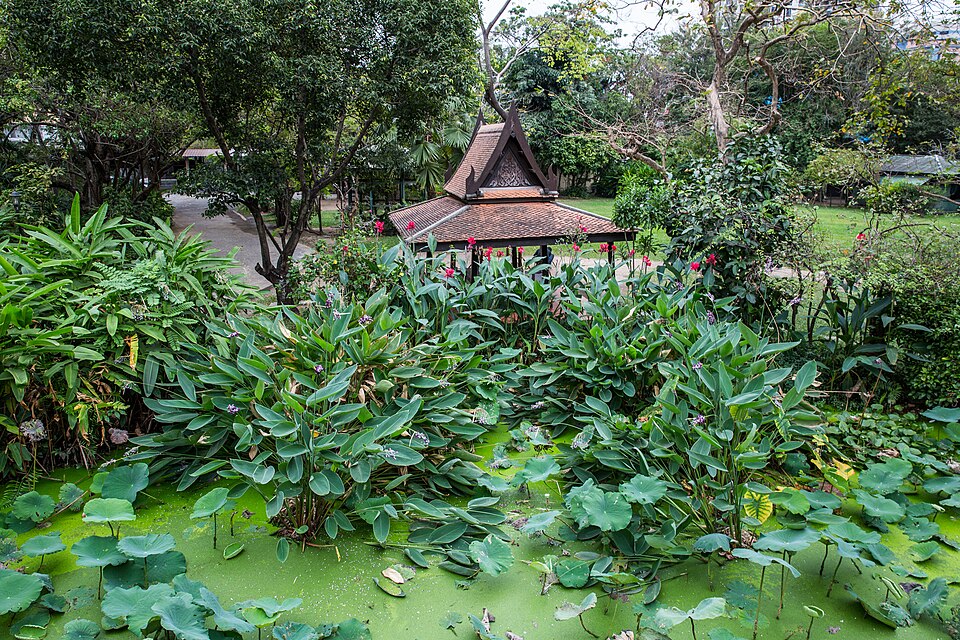
The compound is at 19 Soi Phra Pinit, which is a sub-lane of Soi Suan Phlu, itself known as Sathon Soi 3, off Sathon Tai Road in Sathon district. That address matters, because Soi Suan Phlu is long and the turn into Soi Phra Pinit is easy to miss; a taxi driver given only "Soi Suan Phlu" will stop in the wrong place. The nearest rail is the Silom-line and Lumphini end of Sathon, from which the last stretch is a walk or a motorcycle taxi down the soi. The lane is residential and quiet, and there is no public car park attached to the house.
Checked 2026-08-25
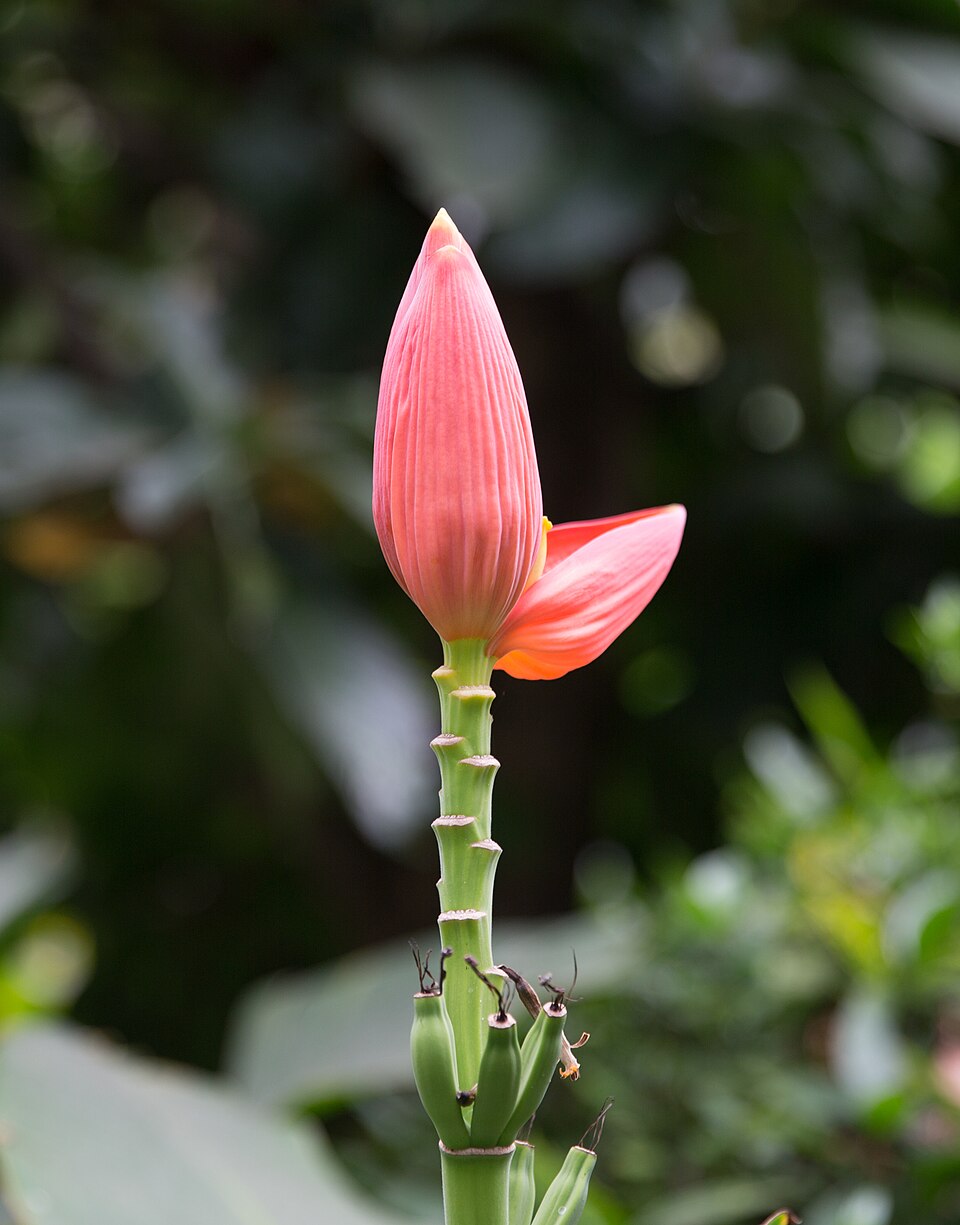
The floors are old polished teak and shoes come off before stepping onto the platform, so wear something you can slip out of and expect to carry it. Because no operating hours could be confirmed from the operator, the practical trap is a wasted journey: call before going, and do not plan the visit as the fixed point of a day. Photography of the rooms may be restricted at the staff's discretion in a house that is still furnished with a family's possessions, so ask before photographing interiors. The lane is a residential one; arriving in a group and talking loudly in it is a nuisance to the neighbours. Kukrit's own history is present in the house — police forced their way into the compound in 1975 while he was prime minister, an episode he wrote about afterwards — and the staff are not there to be interrogated about politics.
Checked 2026-08-25
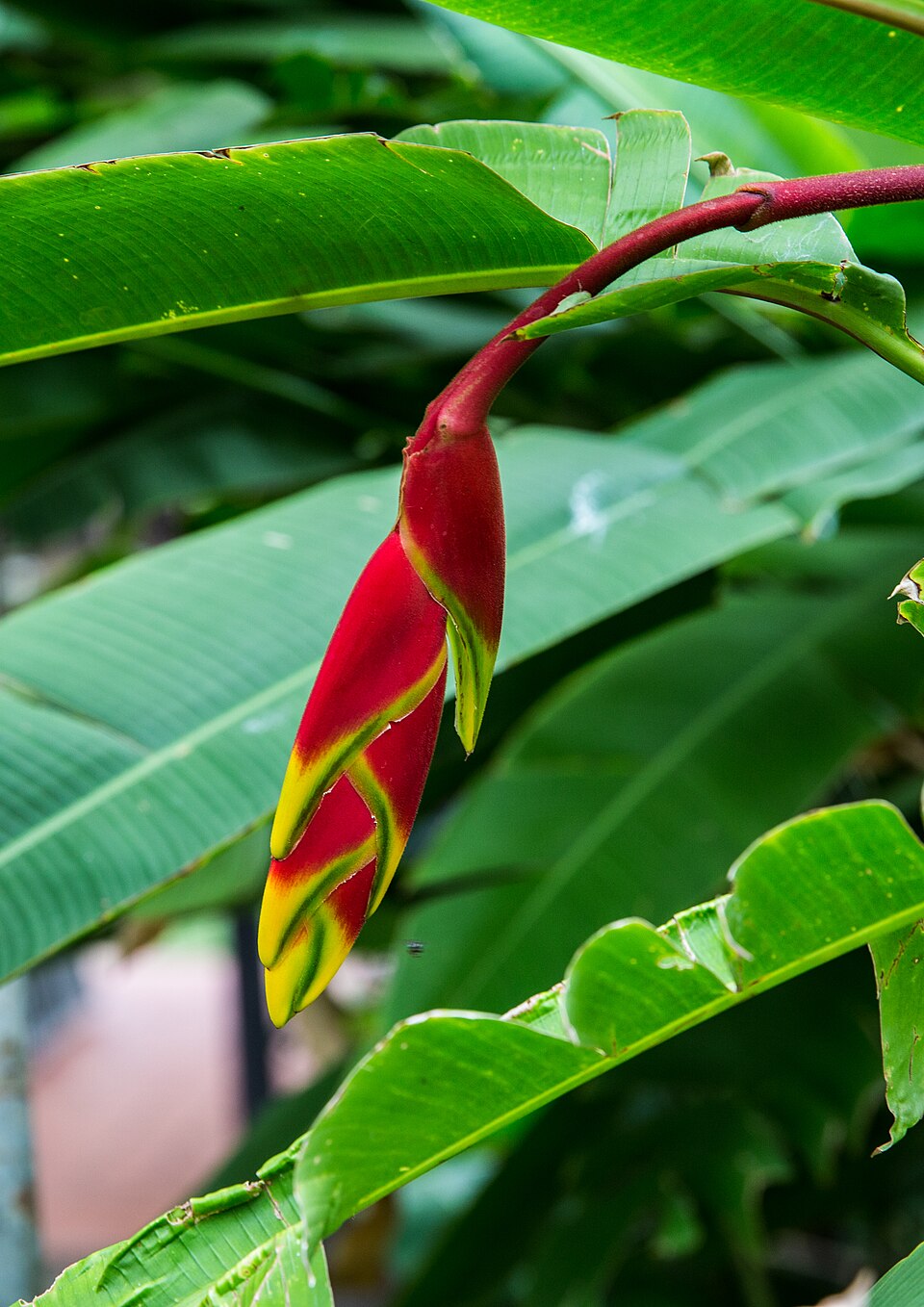
This is a dark-wood subject in bright tropical light, which is the hardest combination in Bangkok. The teak walls and panelling swallow light while the garden behind them is four or five stops brighter, so a frame that includes both a veranda and the garden beyond will lose one or the other. Shoot the houses from the garden in the first two hours after opening, when the light is low enough to rake across the carved gable boards and the panel joints instead of flattening them. Inside, use the doorways: a shaded interior framed by a bright opening is the composition the architecture keeps offering. Avoid flash on old lacquer and glazed ceramics, and keep a tripod out of rooms that other visitors are crossing barefoot.
Checked 2026-08-25
Kukrit Pramoj (1911-1995) was a great-grandson of King Rama II who studied philosophy, politics and economics at Oxford, founded the newspaper Siam Rath, wrote the novels Four Reigns, Red Bamboo and Many Lives, appeared opposite Marlon Brando in the film The Ugly American in 1963, and served as prime minister of Thailand from 14 March 1975 to 20 April 1976, a government that established diplomatic relations with China. He was named a National Artist for literature in 1985.
No. Every house in the compound was moved here. The main house was brought from the Sao Ching Cha area in 1947 and two more came from Pak Hai district in Ayutthaya, and assembly on the Soi Suan Phlu plot began in 1960 using craftsmen from Pak Hai. Kukrit lived in the result from 1960 until his death in 1995, altering and adding to it throughout.
The two available accounts disagree by a year and both are recorded here rather than averaged: the Thai Wikipedia article on Ban Soi Suan Phlu gives 1941 for the purchase of the five-rai plot, while the Association of Siamese Architects citation for its 2544 conservation award says he acquired the land in 1942.
No admission figure is recorded here, because none is published by the Kukrit 80 Foundation, which runs the house, on any page that could be reached. The foundation does charge — its award citation states that visitor fees support it — so bring cash and ask at the gate rather than relying on a figure from a listing site.
Yes, through its owner. Kukrit founded the khon troupe at Thammasat University and danced himself, and classical dance and music teaching have continued to be associated with the property since his death. Performance schedules are not published by the operator and are not recorded on this page.
They answer different questions. The Jim Thompson house is a foreigner's composition of Thai buildings and an Asian art collection; this compound is a Thai writer's own home, assembled by him from houses he bought in Bangkok and Ayutthaya, lived in for thirty-five years, and left furnished with his library and possessions. Seeing both makes the contrast the point rather than a repetition.
Loading the interactive map…
The interactive map could not be loaded.
Last updated:
Source: OpenStreetMap contributors, Wikidata ·