


2 min walk
Nobel Prize Museum
- Must see
- Museum
Language · 1 published
Historic monument · Stockholm
Tessinska palatset
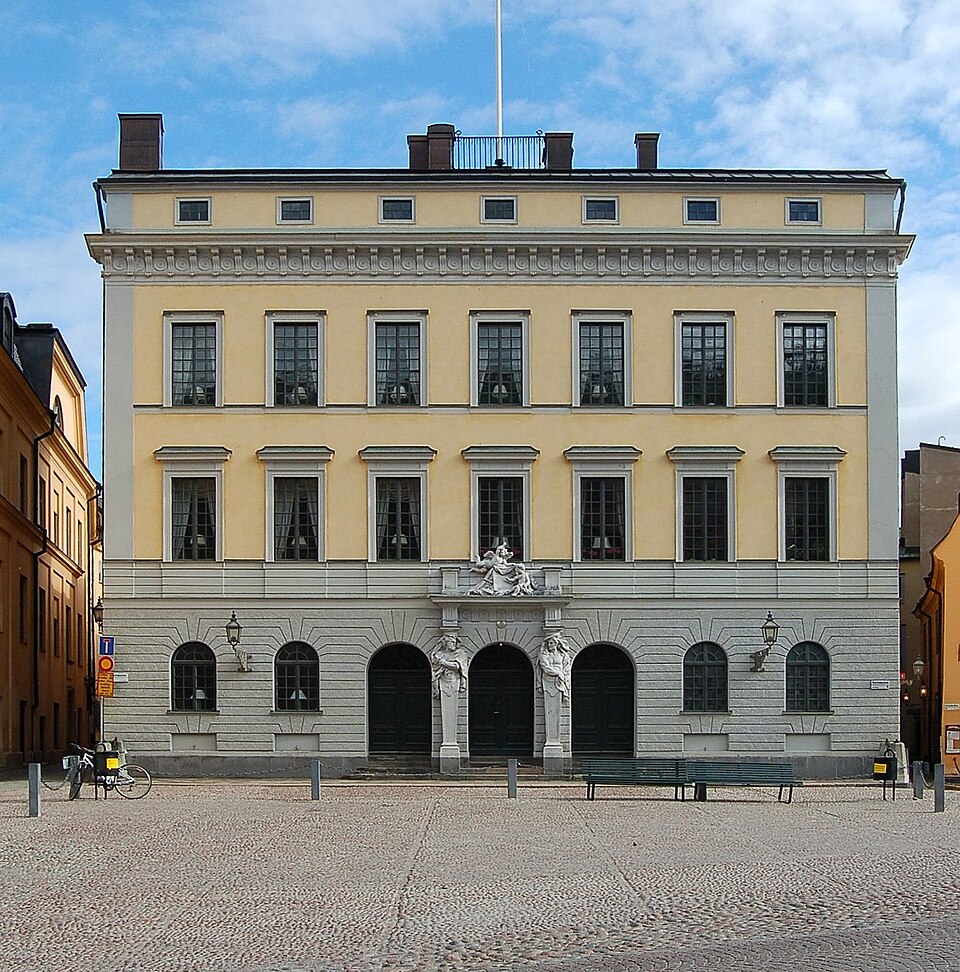
Tessin Palace is a historic palace in Stockholm's Gamla Stan, the Old Town. Designed by architect Nicodemus Tessin the Younger, it was constructed as his private residence. The building exemplifies Swedish Baroque architecture and represents an important period in Stockholm's architectural development. The palace stands as a significant cultural monument in Sweden's capital, reflecting the tastes and status of its architect-owner who served as court architect. Its location in the dense medieval core of Stockholm makes it part of the historically layered urban fabric that attracts visitors to Gamla Stan.
Checked 2026-08-26
The interior of Tessin Palace contains elaborate Baroque decorations that were designed to showcase the architect's skill and sophistication. The building features period rooms with decorative schemes typical of the era, including stucco work and painted ceilings. As a private residence turned significant historic property, the palace preserves architectural details from its original construction period. Visitors interested in Swedish Baroque interior design would find the decorative elements noteworthy. The specific current state of furnishings and accessible rooms depends on operational decisions by the managing authority, which maintains the property as part of Sweden's cultural heritage.
Checked 2026-08-26
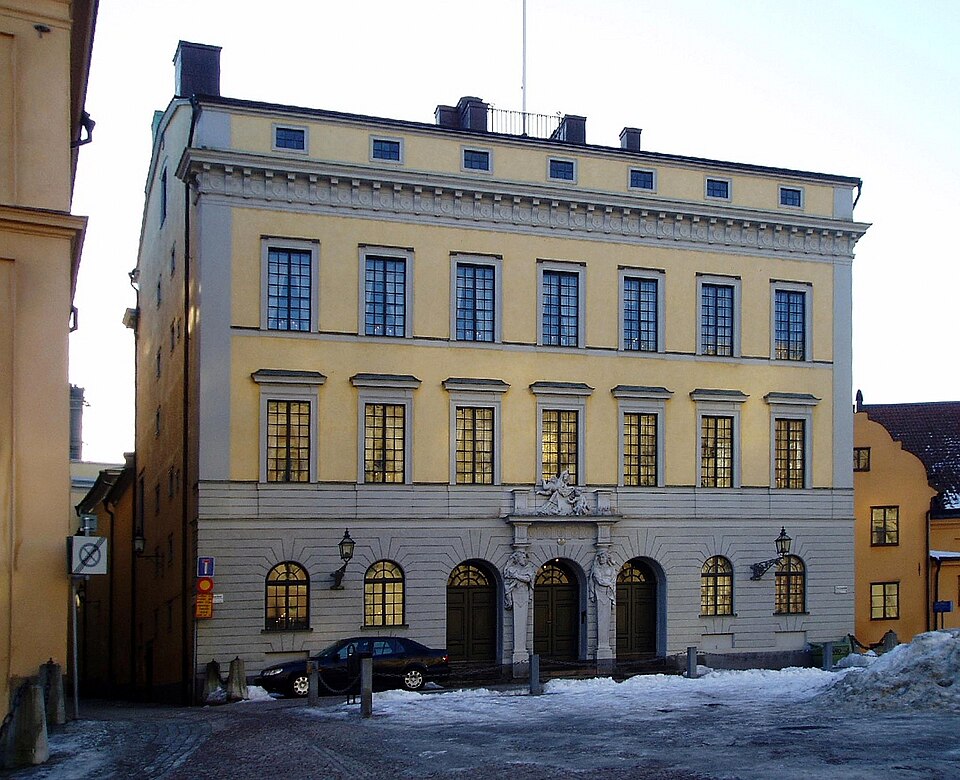
The duration of a visit to Tessin Palace varies considerably based on what areas are accessible to the public at any given time. As a property with restricted access rather than a conventional museum, many visitors may experience it primarily from the exterior during a walking tour of Gamla Stan. Those granted interior access would typically allocate time proportionate to the number of rooms available. Visitors should temper expectations regarding extensive interior touring, as historic palaces of this nature often maintain limited visiting schedules. Integration into a broader Old Town exploration represents the most common visitor pattern.
Checked 2026-08-26
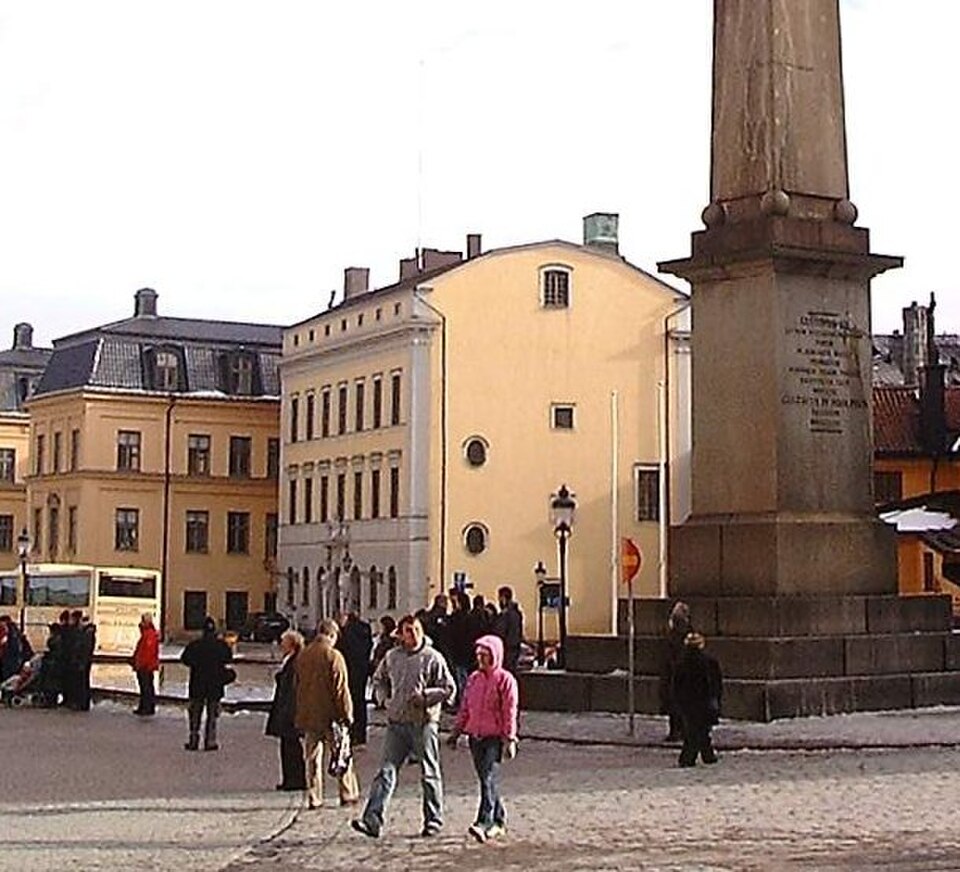
Operator-confirmed hours are Not recorded pending review. Visitors should not rely on assumed opening schedules for Tessin Palace. The property's accessibility appears to be restricted and potentially variable, which is common for historic buildings that serve multiple functions or remain partially in private or institutional use. Seasonal variations in Stockholm's tourist infrastructure may affect visiting possibilities. Prospective visitors must seek current information directly from authoritative sources before planning a specific visit. The Gamla Stan area remains walkable year-round, but interior access requires verified operational status obtained through official channels rather than general travel guidance.
Checked 2026-08-26
Operator-confirmed prices are Not recorded pending review. No admission costs for Tessin Palace can be stated with confidence. Historic properties in Stockholm employ diverse access models: some are state-subsidized with free entry, others charge fees, and many restrict access to guided tours or special events only. The palace's specific status as an architect's private residence turned heritage property complicates assumptions about standard museum pricing structures. Visitors should investigate current access policies and any associated costs through official Swedish cultural heritage channels. Budgeting for Gamla Stan exploration broadly, without specific palace admission assumptions, represents prudent travel planning.
Checked 2026-08-26
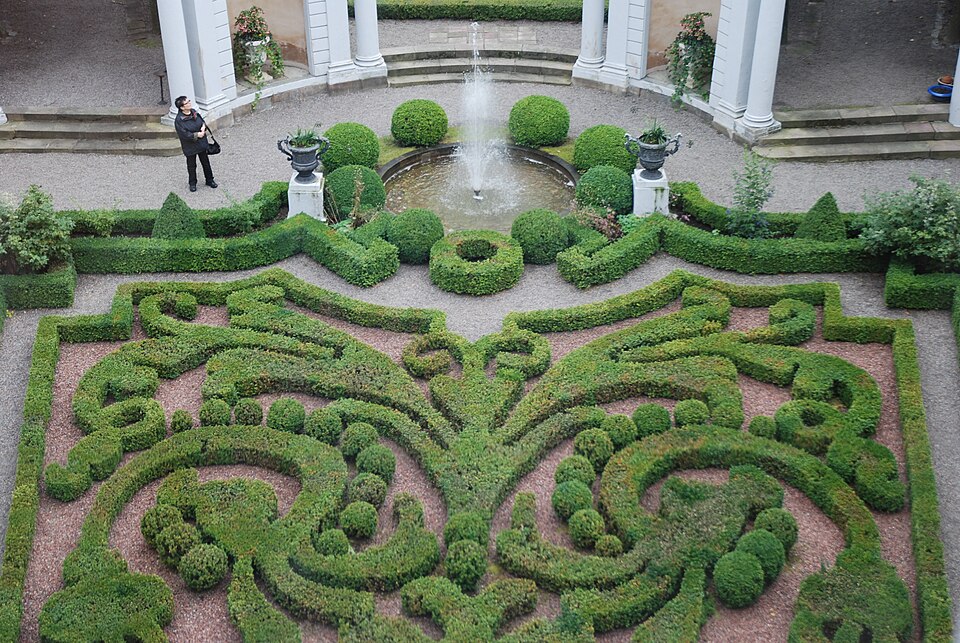
Tessin Palace occupies a location in Gamla Stan accessible via Stockholm's public transportation network. The Old Town connects to the broader city through metro stations, with Gamla Stan station serving the area. Walking from this station through the medieval street network reaches the palace vicinity. Bus services also operate in the surrounding area. The compact nature of Gamla Stan makes most points within it reachable on foot once visitors arrive in the district. Water transport options including ferries serve nearby quays, reflecting Stockholm's archipelago geography. Visitors already exploring the Old Town will encounter the palace area naturally during wandering.
Checked 2026-08-26
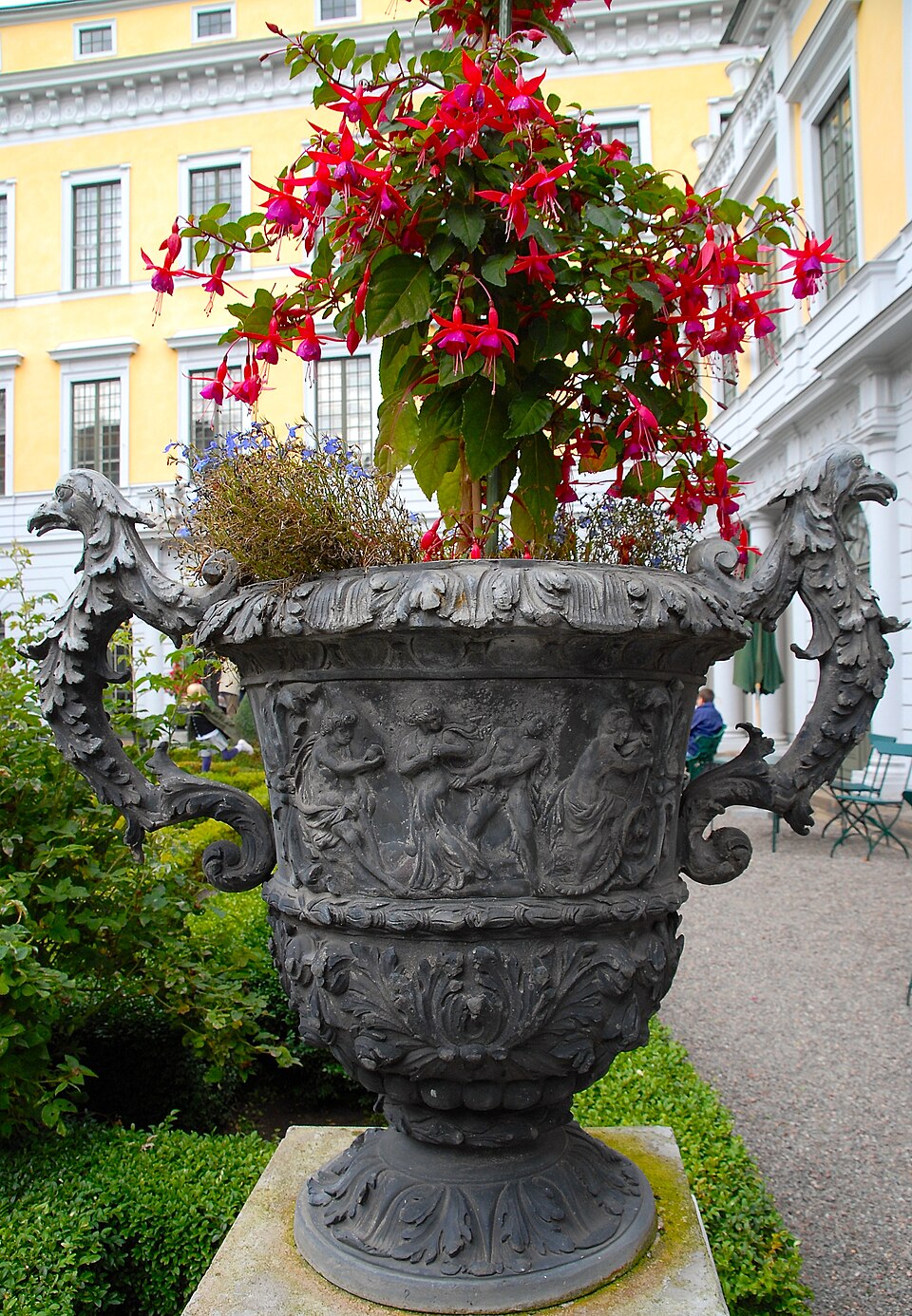
Visitors should recognize that Tessin Palace is not a conventional tourist facility with predictable visitor amenities. The building's primary significance is architectural and historical rather than offering interactive exhibitions. Access restrictions may apply without advance warning. The Gamla Stan street environment presents cobblestone surfaces and narrow passages requiring appropriate footwear and mobility caution. Weather conditions in Stockholm vary substantially across seasons, affecting both comfort and building accessibility. Visitors should verify current operational status rather than assuming availability. Respect for the property's heritage status and any residential or institutional functions it may retain is essential for appropriate conduct.
Checked 2026-08-26
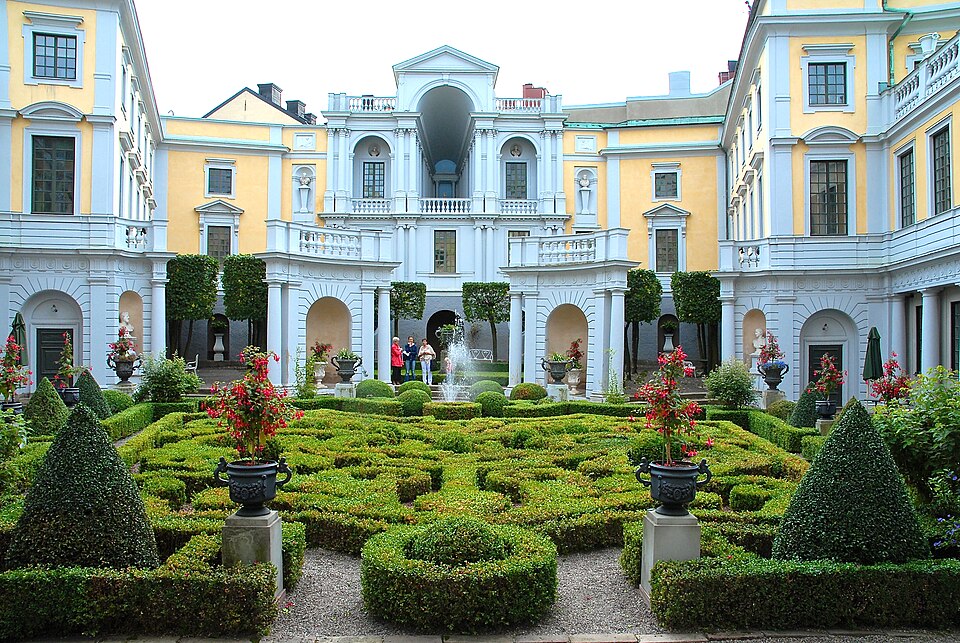
Photography policies at Tessin Palace are not documented in available sources and likely depend on current management decisions. Exterior photography from public spaces in Gamla Stan is generally permissible under Swedish law, though tripods and commercial equipment may attract scrutiny. Interior photography restrictions are common in historic properties to protect sensitive decorative surfaces and respect any ongoing functions. Visitors should observe posted guidance or inquire with staff when present. Flash photography typically damages historic materials and is widely prohibited in heritage interiors. Respectful, non-intrusive image-making that preserves the experience for others and protects the monument represents best visitor practice.
Checked 2026-08-26
Not recorded. The operating schedule requires verification from official sources.
Not recorded pending review. No pricing information can be confirmed.
Interior photography policies are not documented and should be confirmed on-site.
The Gamla Stan metro station serves the area, with walking required through Old Town streets.
The palace was designed by Nicodemus Tessin the Younger as his private residence.
The building exemplifies Swedish Baroque architecture.
Loading the interactive map…
The interactive map could not be loaded.
Last updated:
Source: OpenStreetMap contributors, Wikidata ·