


1 min walk · Paris 12e Arrondissement
Chapelle Saint-Rémi
- Notable
- Place of worship
Language · 1 published
Art and culture venue · Paris 12e Arrondissement, Paris
Read from the OpenStreetMap access tags; anything not listed has no tag recorded.
Set the group type to family in the planner and the day window contracts to about three quarters of a solo day.
Opéra Bastille opened on 13 July 1989, timed to the bicentenary of the storming of the Bastille prison, on the footprint of the old Bastille railway station at Place de la Bastille. President François Mitterrand commissioned it as one of his Grands Projets, the string of large public buildings he pushed through the 1980s to remake Paris's civic architecture, and a 1983 international competition picked the design of Carlos Ott, a Uruguayan-Canadian architect then working in Toronto and largely unknown in France before winning.
The brief was a working opera house for a wide public, not a repeat of the gilt and red velvet of the Palais Garnier across town. Garnier, finished in 1875 for an earlier generation of Paris opera-going, kept its name and shifted mostly to ballet once Bastille opened; Bastille became the company's main stage for opera and absorbed the bulk of the annual programme that Garnier's smaller, older stage could no longer easily carry.
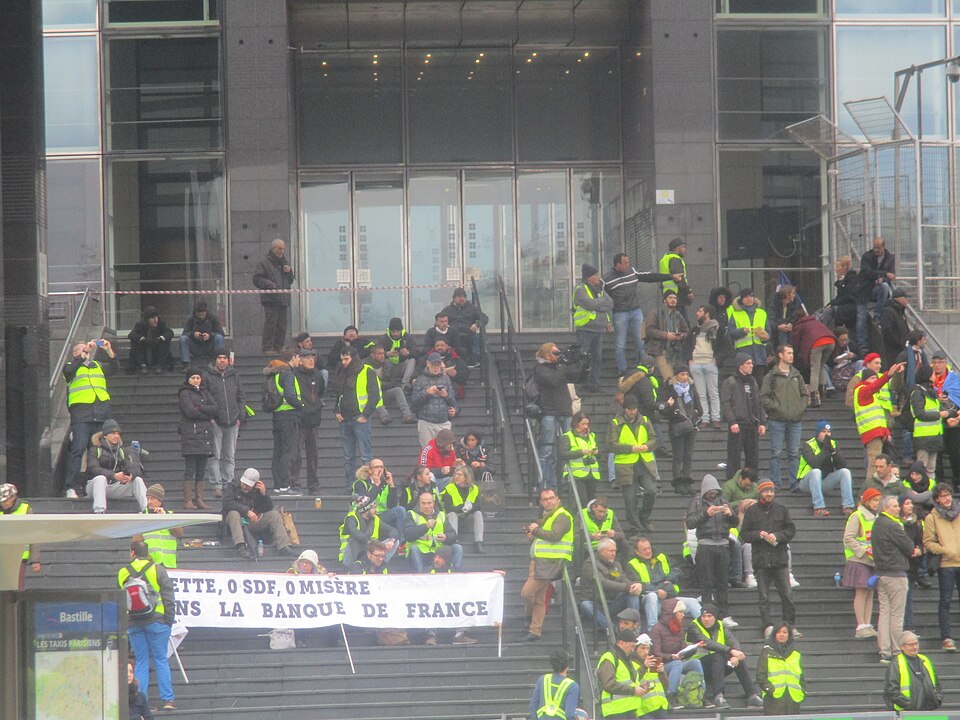
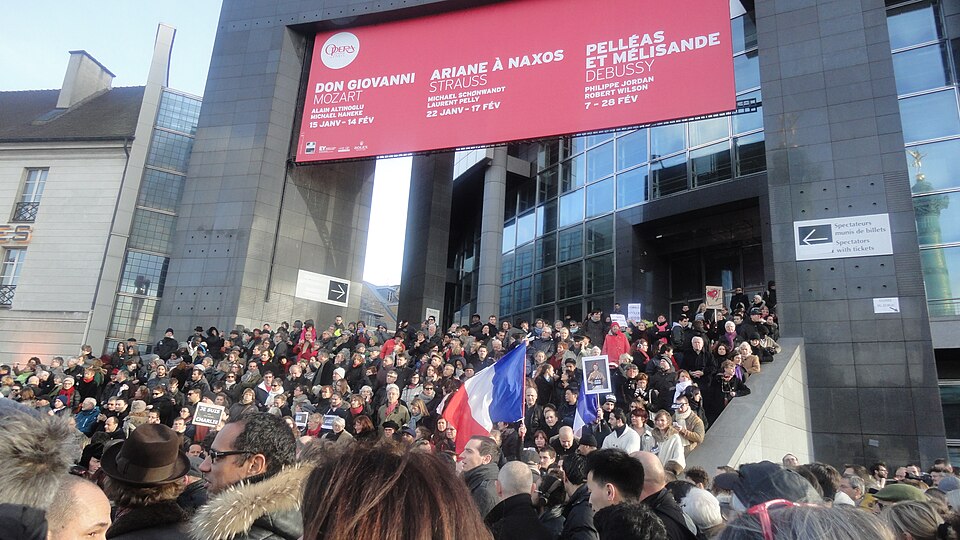
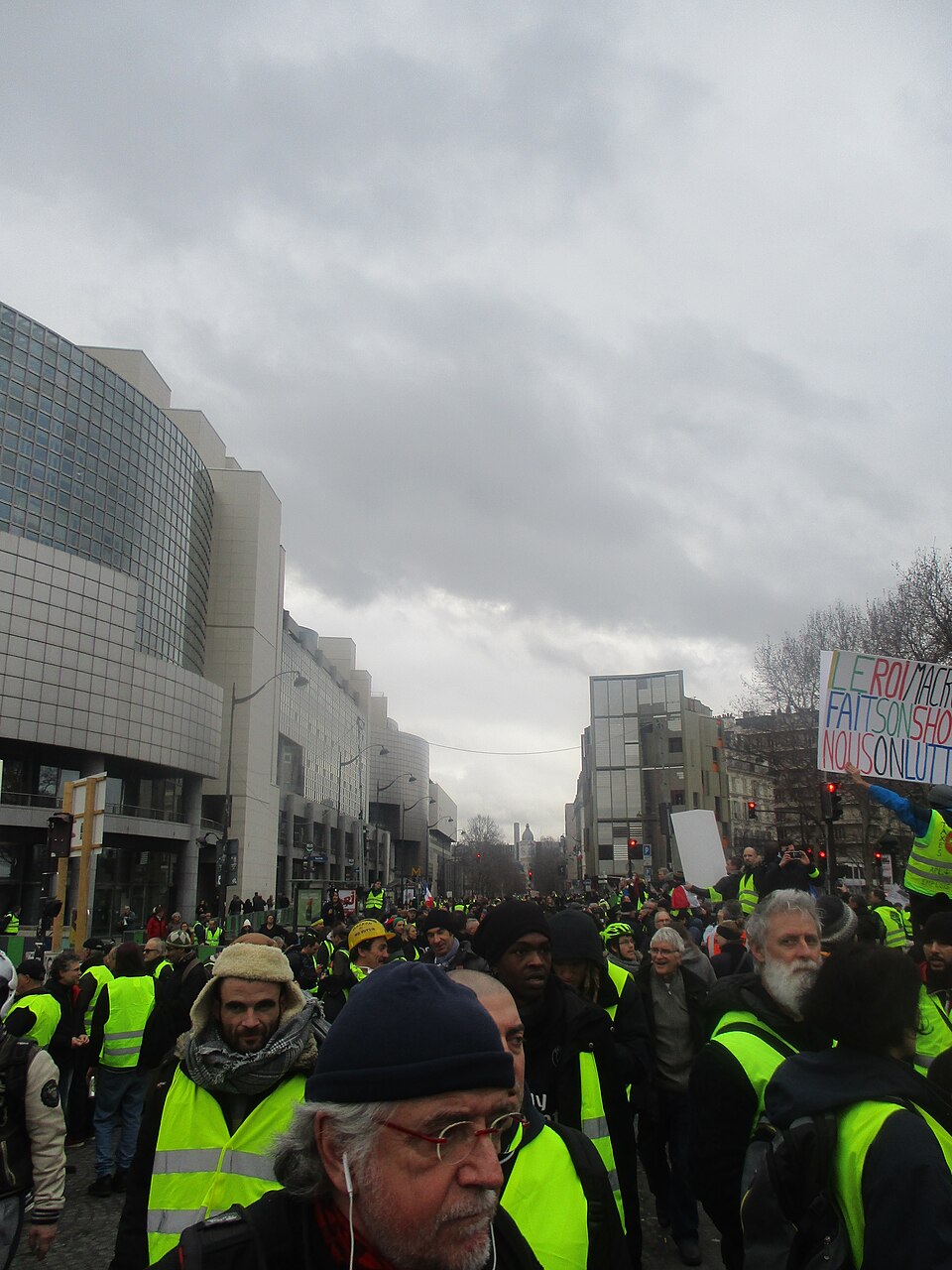
The building's glass curtain wall wraps a granite base, and from the square it reads as a modern civic monument rather than a theatre in the nineteenth-century mould. The choice of site itself carried symbolism deliberately: a public opera house rising over the square where the Revolution began, replacing a disused railway terminus rather than displacing an existing neighbourhood.
Construction ran through the later 1980s under a tight political deadline tied to the 1989 bicentenary, and the building opened before every technical system inside it was fully finished, a rushed start that shaped some of its early reputation among critics before the house settled into its repertory.
Checked 2026-08-24 · Source
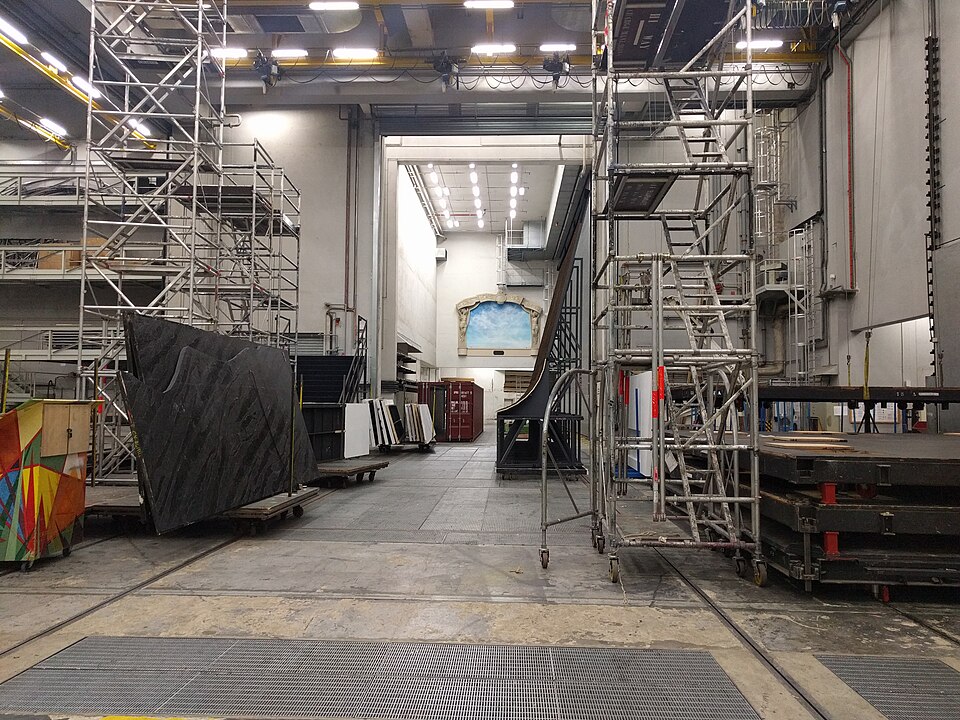
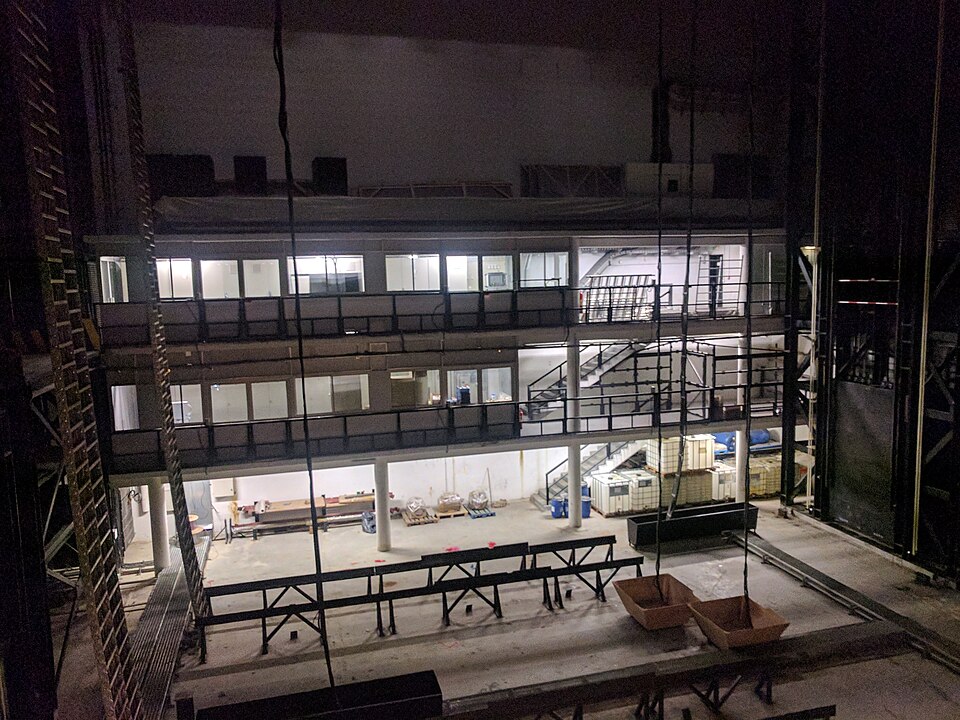
The main auditorium seats around 2,700 people across raked, curved balconies finished in pale wood and granite rather than the plaster and gilt of older houses, a deliberate break from the Garnier style meant to put every seat closer to sightlines that work rather than to decoration. The stage machinery is modular, built to strike and rebuild full sets between performances in a repertory schedule that can change productions from one evening to the next, one of the reasons the house can run several different operas in the same week without weeks of changeover between them.
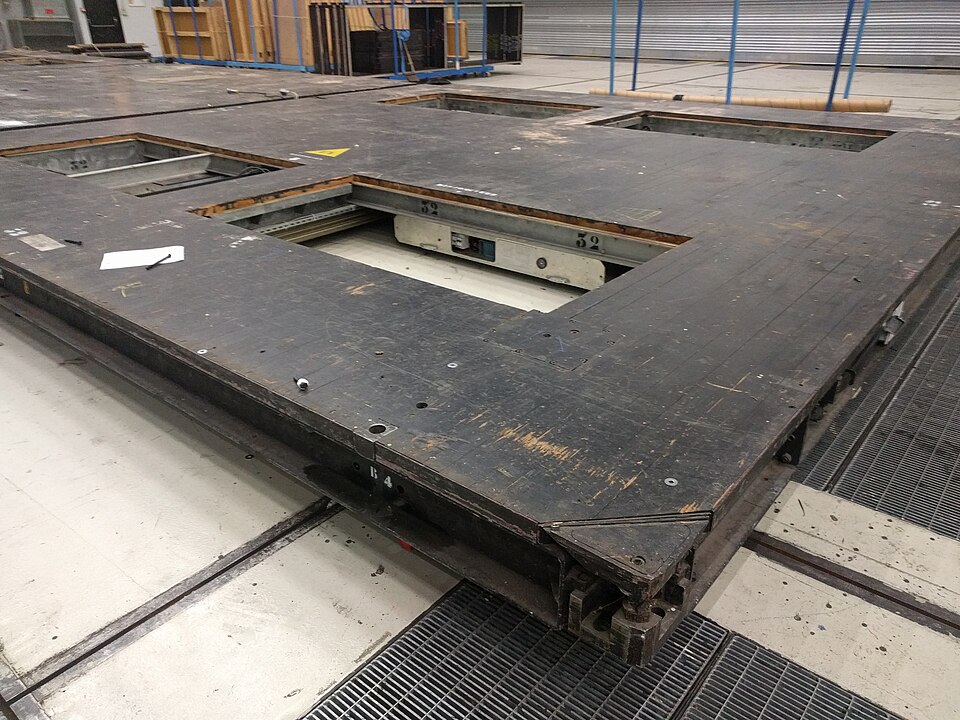
Backstage, the workshops and rehearsal rooms rank among the largest of any opera house in Europe, because the building was designed to construct its own sets and costumes on site rather than shipping them in from an outside workshop across the city. A smaller studio auditorium, the Amphithéâtre, hosts chamber recitals and smaller-scale works separately from the main stage programme, giving the company a second, more intimate space under the same roof.
The public foyers and staircases, though plainer than Garnier's marble halls, were built at a scale meant to move very large audiences quickly between the street and their seats, which is part of why the building reads as more functional than ceremonial from the moment a visitor steps through the doors.
Checked 2026-08-24 · Source
A visit here is a performance, not a wander-through. Opera runs three hours or more once intervals are counted; ballet programmes usually run closer to two. A guided daytime tour of the building, when scheduled, runs about ninety minutes and covers the auditorium, the stage and a workshop.
Checked 2026-08-24 · Source
The opera and ballet season runs from September to July; the house is dark through most of the summer. Popular productions sell out months ahead, so a specific evening is worth booking as soon as the season's calendar is published rather than the week of travel.
Checked 2026-08-24 · Source
Performance seats are booked through the Paris Opera's own box office, priced by the production and by where in the house the seat sits; guided-tour tickets are sold separately, at 20 EUR per person on the Paris Opera's own visits page, checked on 24 August 2026.
Checked 2026-08-24 · Source
The building fronts directly onto Place de la Bastille. Métro Bastille (lines 1, 5 and 8) has an exit that opens almost onto the entrance, so no further walk is needed from the platform, and the square itself is a hub for several bus routes for anyone arriving from further out.
Checked 2026-08-24 · Source
There is no strict dress code, but the house leans smart-casual and jeans-and-trainers stand out less than at Garnier. Latecomers are held at the back until the first interval regardless of ticket price. Photography and filming are not permitted once a performance is under way, and guided-tour access can be cut short on days the company is rehearsing on stage.
Checked 2026-08-24 · Source
The curved glass facade catches the evening light well and is lit after dark, which is when most exterior photographs of the building are taken from across the square. Inside, photography is restricted during performances and only generally allowed on the daytime guided tour, without flash.
Checked 2026-08-24 · Source
Only on a scheduled guided tour of the building; there is no general walk-in access to the auditorium outside performance or tour times.
Both belong to the Paris National Opera. Bastille, opened in 1989, is the modern house and carries most of the opera repertory; Garnier, opened in 1875, is the nineteenth-century house and now leans mostly toward ballet.
Through the Paris Opera's own box office and website, which lists the season's productions and the seating plan for each; resale sites are not the operator and are not used as a source on this page.
No enforced code, but the audience trends smart-casual rather than sportswear.
Mainly opera; ballet is programmed too, but the company's main ballet stage is traditionally Palais Garnier.
Around 2,700 seats, making it substantially larger than the Palais Garnier hall.
Loading the interactive map…
The interactive map could not be loaded.
Last updated:
Source: OpenStreetMap contributors, Wikidata ·