Museum · Osaka
Japan Folk Art Museum
日本工芸館
Photograph
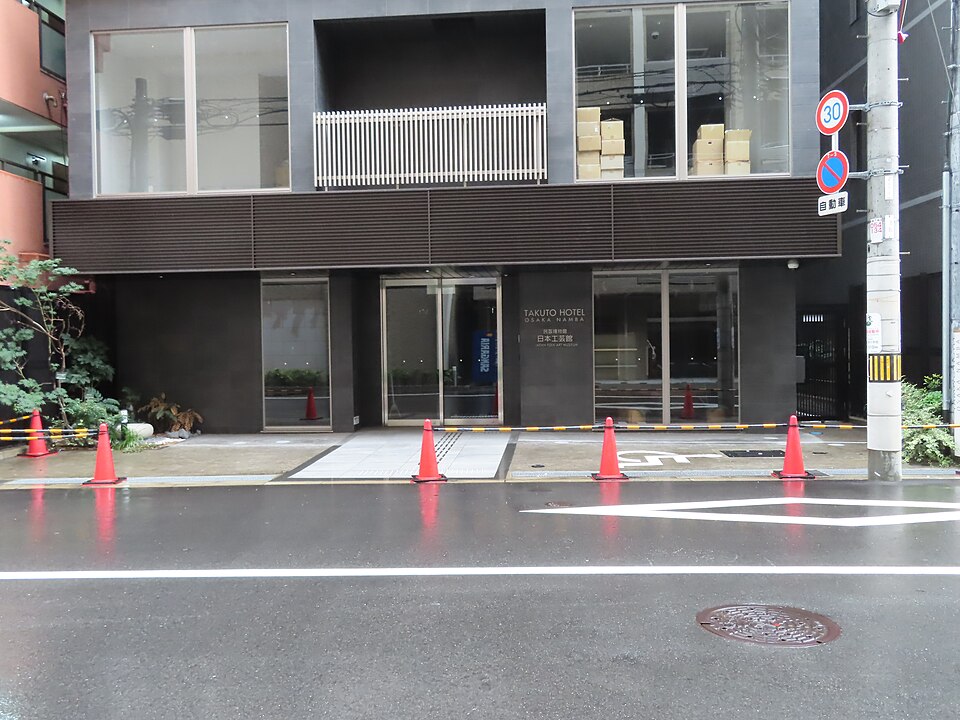

- Today
- Hours not recorded
- Visit duration
- 1 hr 30 min
- Accessibility
- Not recorded
- Price
- Not recorded
- Standing
- High
- Rank
- Rank 102 of 11,499
What it is
The Japan Folk Art Museum, known locally as 日本工芸館, is a cultural institution in Osaka dedicated to traditional Japanese crafts and folk art. It serves as a repository and exhibition space for handmade objects reflecting regional craftsmanship and everyday aesthetic values. The museum embodies the mingei philosophy championed by Yanagi Soetsu, which celebrates beauty in ordinary, utilitarian items created by anonymous artisans. Its presence in Osaka connects visitors to Japan's rich heritage of functional artistry. The strongest visit keeps attention on what is distinctive here while leaving room for the next stop. That approach makes Japan Folk Art Museum useful in both a focused first visit and a slower return to the city.
Checked 2026-08-26
What's inside
The museum houses collections of traditional Japanese folk crafts including ceramics, textiles, lacquerware, woodwork, and metalwork. Exhibitions typically showcase regional variations in craft techniques and materials from across Japan. Items on display represent both historical pieces and contemporary works continuing folk art traditions. The collection emphasizes practical objects elevated by skilled craftsmanship, such as bowls, fabrics, and household items. Specific current exhibitions and permanent collection details are Not recorded pending review of operator-provided information. Japan Folk Art Museum also earns time in a osaka itinerary because A notable visitor place matched exactly to the production city pool by verified production identity. Its value becomes clearer when the stop is compared with the surrounding streets and the other ranked places nearby.
Checked 2026-08-26
How long to spend
Visitors typically spend between sixty to ninety minutes exploring a museum of this scope and focus. The duration depends on individual interest in craft details and whether temporary exhibitions are on display. Those with deep interest in ceramics, textiles, or lacquer techniques may wish to allocate additional time for careful observation. The compact nature of folk art collections often allows for thorough viewing without excessive time commitment, making this suitable for inclusion in broader Osaka sightseeing itineraries.
Checked 2026-08-26
Season and crowds
Operator-confirmed hours are Not recorded pending review. Visitors should verify current opening times directly with the museum or through official Osaka tourism channels before planning their visit. Seasonal considerations for Osaka include spring cherry blossom period and autumn foliage season, when combined with outdoor attractions the museum provides climate-controlled respite. Summer brings heat and humidity that make indoor cultural venues particularly appealing. Winter visits offer quieter experiences with reduced tourist congestion throughout the city. A flexible visit lets travellers connect Japan Folk Art Museum with the rest of the day without treating one room, viewpoint or photograph as the whole experience. The useful pace depends on personal interest and conditions on arrival.
Checked 2026-08-26
Tickets
Operator-confirmed prices are Not recorded pending review. Admission structures for Japanese folk art museums typically vary by exhibition type, with possible distinctions between permanent collections and special exhibitions. Concessions for students, seniors, and groups are common practice at comparable institutions. Some museums participate in regional museum pass programs. Visitors should consult the official Osaka tourism website or contact the museum directly for current fee structures. Cash payment remains standard at many Japanese cultural facilities though card acceptance is increasing.
Checked 2026-08-26
Getting there
The museum is located within Osaka's urban core with access via the city's extensive public transportation network. Multiple train and subway lines serve the central Osaka area, with walking connections from nearby stations. The Osaka tourism portal provides location-specific guidance for visitors. Taxis offer direct access though at significantly higher cost. On-foot exploration from nearby accommodations or attractions is feasible given central positioning. Detailed station names and exit guidance are Not recorded pending review of current operator information.
Checked 2026-08-26
What to watch out for
Japanese museums typically prohibit food, beverages, and large bags within exhibition spaces. Photography restrictions vary by institution and individual artwork requirements. Visitors should observe silence protocols customary in Japanese cultural facilities. Shoe removal may be required in certain areas with provided slippers. Crowding during weekends and national holidays can impede viewing; weekday mornings typically offer calmer experiences. Accessibility features for mobility-impaired visitors should be confirmed directly. Emergency procedures follow standard Japanese building protocols with staff assistance available.
Checked 2026-08-26
Photography
Photography policies at Japanese folk art museums vary considerably between institutions and individual exhibitions. Flash photography is almost universally prohibited due to potential damage to sensitive materials including textiles and lacquer surfaces. Some museums permit non-flash photography of permanent collections while restricting special exhibitions entirely. Tripods and selfie sticks are typically banned. Visitors should observe posted signage and staff instructions at each gallery section. When permitted, photography offers valuable documentation of craft techniques for personal study and appreciation of artisanal details.
Checked 2026-08-26
Common questions
Is the Japan Folk Art Museum the same as the Japan Folk Crafts Museum in Tokyo for Japan Folk Art Museum in Osaka?
These are distinct institutions. The Osaka-based 日本工芸馆 serves a different regional context than the Tokyo museum founded by Yanagi Soetsu, though both relate to mingei folk craft movements.
Does the museum offer English information for Japan Folk Art Museum in Osaka?
English support levels at regional Japanese museums vary. Visitors should expect at minimum basic signage; detailed English explanations are not guaranteed without operator confirmation.
Are there craft demonstrations or workshops for Japan Folk Art Museum in Osaka?
Hands-on programming possibilities exist at comparable folk craft institutions. Specific current offerings at this Osaka museum are Not recorded pending review of operator-provided schedules.
Can purchased crafts be shipped internationally for Japan Folk Art Museum in Osaka?
Museum shop shipping policies depend on individual retail operations and international customs regulations for craft items. Direct inquiry with facility staff is recommended.
Is this museum suitable for children for Japan Folk Art Museum in Osaka?
Folk art museums generally accommodate quiet, supervised children. The tactile and visual nature of craft objects may engage younger visitors, though interactive elements are not confirmed for this specific institution.
How does this museum relate to Osaka's broader craft heritage for Japan Folk Art Museum in Osaka?
Osaka has historical significance in commerce and craft distribution. The museum's collections likely reflect this regional role, though specific local connections are Not recorded pending review of curatorial documentation.
Where it is
Loading the interactive map…
The interactive map could not be loaded.
Nearby
In Osaka
Same category
Fit it into a plan
External links
Last updated:
Source: OpenStreetMap contributors, Wikidata ·