
.jpg)
.jpg)
6 min walk
JRAウインズ
- Must see
- Market
Language · 1 published
Historic monument · Osaka
道頓堀橋
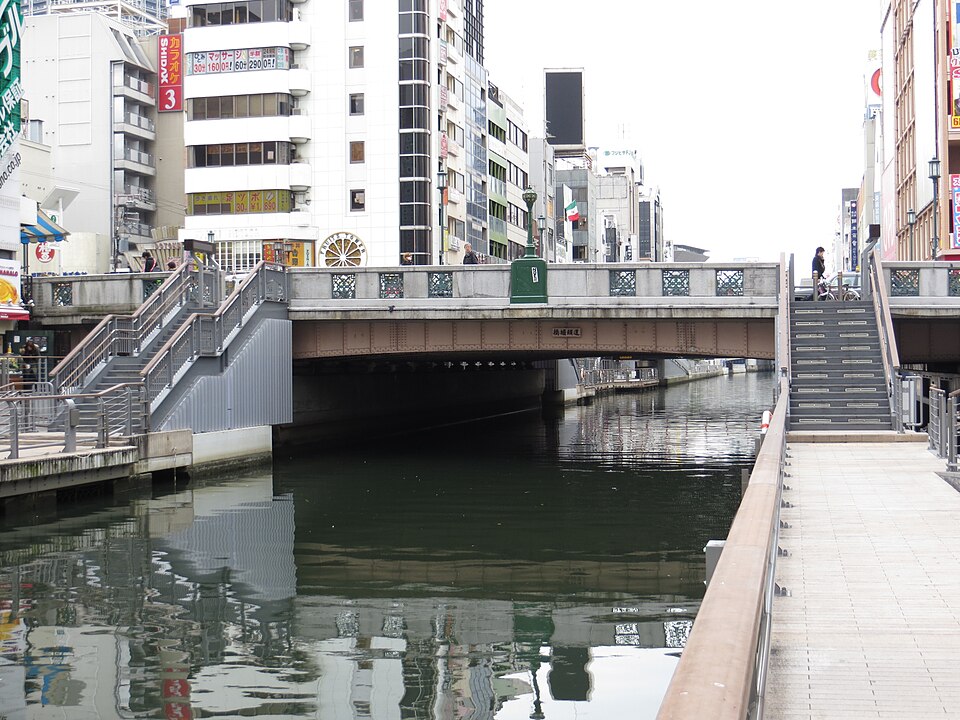
Dōtonbori Bridge is a pedestrian crossing spanning the Dōtonbori Canal in Osaka's Namba district. The bridge sits at the heart of one of Japan's most famous entertainment and dining areas. The structure serves as a vital connection point between the canal's eastern and western promenades. Its location places visitors directly beneath the iconic Glico running man sign and among the district's dense concentration of restaurants, bars, and illuminated signage. The bridge functions as both practical infrastructure and a symbolic gathering place within Osaka's most photographically documented urban corridor.
Checked 2026-08-26
The bridge itself contains no enclosed interior spaces. Visitors experience an open-air pedestrian platform with views along the canal in both directions. Surrounding the immediate bridge area, the Dōtonbori district offers numerous dining establishments serving Osaka specialties including takoyaki, okonomiyaki, and kushikatsu. The canal banks feature seating areas and viewing spaces. Neon signage and mechanical advertising displays dominate the visual environment. The Glico sign, Kani Dōraku crab, and other moving illuminated figures create a dense commercial atmosphere. Street-level activity includes food vendors, restaurant touts, and continuous pedestrian traffic throughout operating hours.
Checked 2026-08-26
A crossing of Dōtonbori Bridge requires mere minutes. Most visitors incorporate the bridge into broader exploration of the Dōtonbori and Namba districts. Typical visits to the surrounding area extend from one hour to several hours depending on dining choices and walking extent. Evening hours attract extended stays due to illuminated signage activation. The bridge serves as a brief transit point or a pause for photographs rather than a destination requiring dedicated time. Visitors should anticipate crowds that may slow movement across the span, particularly during peak tourism periods and weekend evenings when foot traffic reaches maximum density.
Checked 2026-08-26
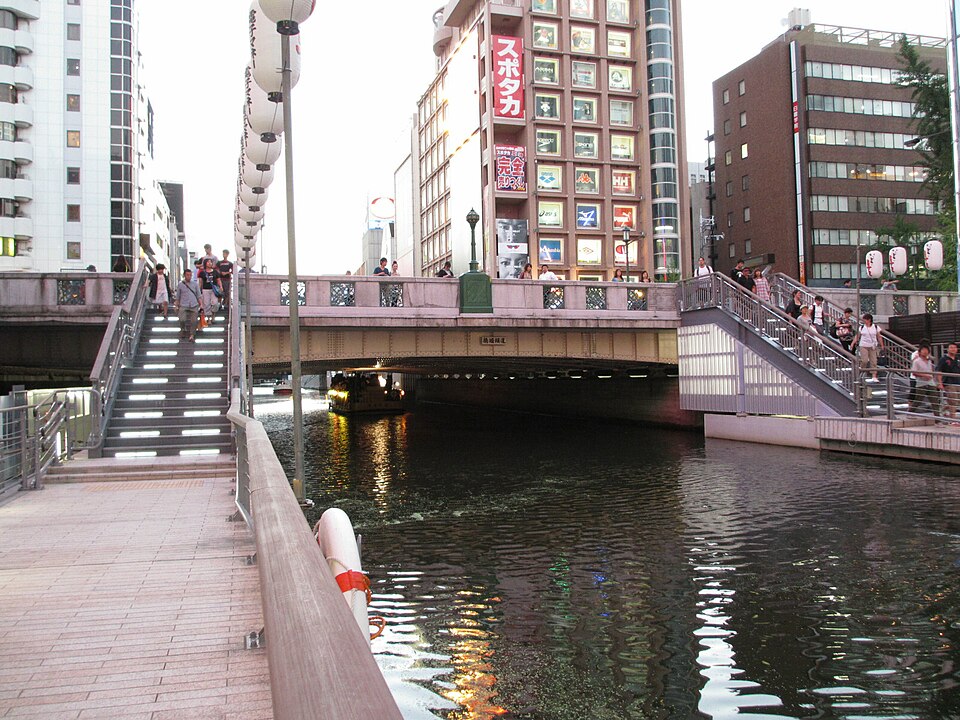
The Dōtonbori district operates as a commercial area with individual businesses maintaining independent hours. Operator-confirmed hours for the bridge or district-wide coordination are Not recorded pending review. Evening and night hours offer the most distinctive atmosphere as neon signage illuminates the canal corridor. The Glico sign and surrounding advertisements activate their full visual programs after dark. Daytime visits provide clearer views of architectural details and reduced crowd density. Seasonal considerations include summer humidity, winter chill from open canal exposure, and potential weather sensitivity given the entirely outdoor setting. Rain reduces visitor numbers but does not eliminate the district's operational status.
Checked 2026-08-26
No admission fee applies to cross Dōtonbori Bridge. The structure functions as public pedestrian infrastructure. Operator-confirmed prices for any potential future access changes are Not recorded pending review. Dining and entertainment expenses in surrounding establishments vary widely by venue selection. Budget considerations should account for restaurant meals, street food purchases, and any canal cruise options that may operate nearby. The bridge itself imposes no financial barrier to access. Visitors should carry cash as many surrounding traditional establishments may not accept card payments, though this reflects general Osaka commercial patterns rather than bridge-specific requirements.
Checked 2026-08-26
Dōtonbori Bridge sits within walking distance of multiple rail stations serving the Namba district. Namba Station, served by Nankai Railway, Osaka Metro, and JR lines, provides the most direct access. Shinsaibashi Station to the north and Nipponbashi Station to the south offer alternative approaches with brief walks through commercial streets. The area's dense urban fabric makes private vehicle use impractical and parking extremely limited. Walking from any major Namba-area transit hub follows straightforward routes through covered arcades or along main commercial streets. Signage in Japanese and English assists navigation toward the canal and bridge location.
Checked 2026-08-26
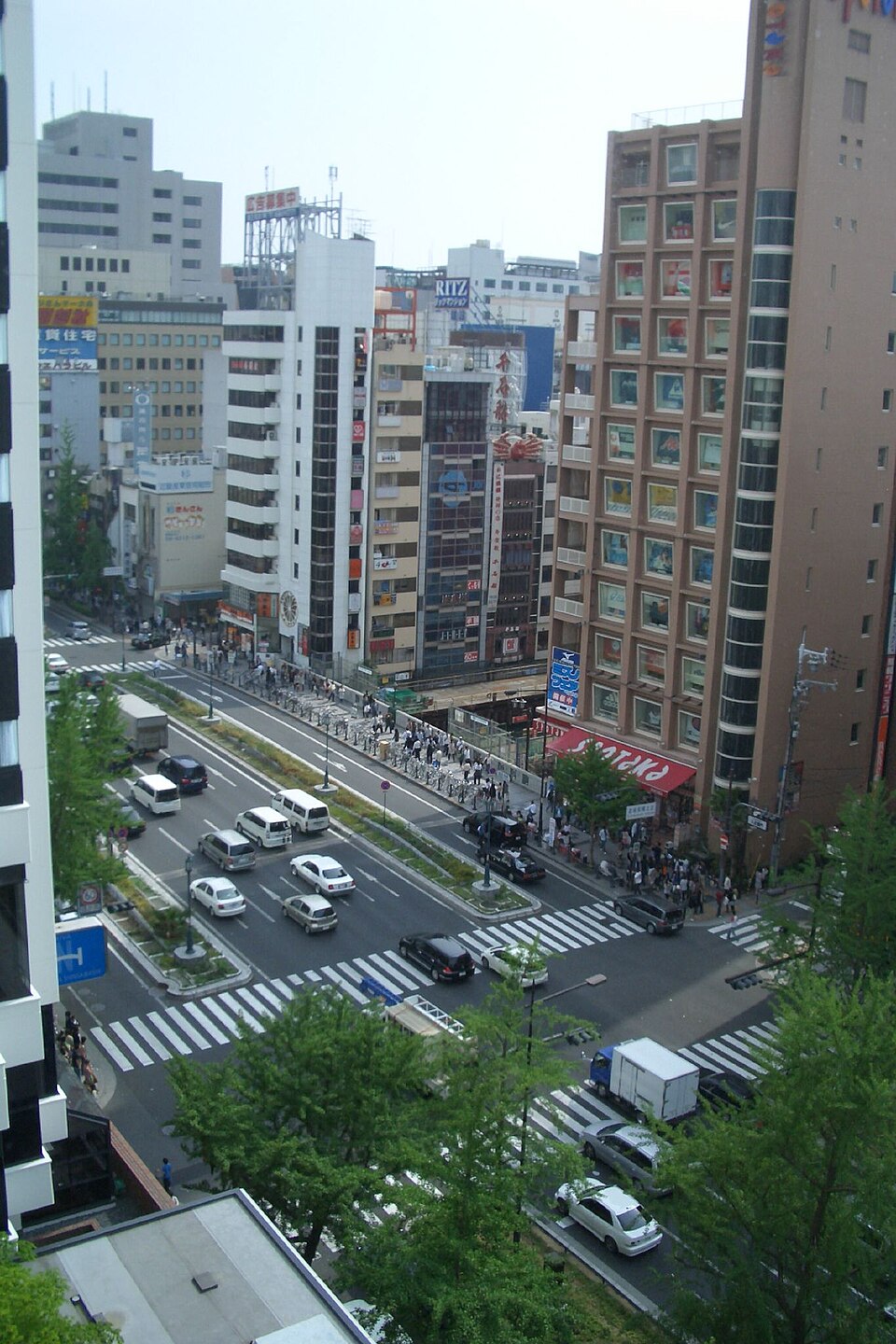
Crowd density presents the primary consideration, with shoulder-to-shoulder conditions common during evening hours and peak seasons. Visitors should secure personal belongings against potential pickpocketing in dense conditions. Restaurant touts actively solicit customers along approaching streets with varying degrees of persistence. Canal edges lack protective barriers in some sections; awareness near water margins remains prudent. Illuminated signage creates intense visual stimulation that may disorient visitors unfamiliar with dense urban entertainment districts. Alcohol consumption in surrounding venues affects some pedestrian behavior. The bridge surface may become slippery during precipitation. Photography pauses should occur at designated spots to avoid obstructing continuous pedestrian flow.
Checked 2026-08-26
The bridge offers premier positioning for capturing the Glico running man sign, best photographed from the bridge deck facing east. Canal reflections of neon signage create compelling night photography subjects requiring stabilization for longer exposures. The mechanical crab of Kani Dōraku and other moving displays present timing challenges for clear capture. Crowd levels complicate tripod use and long-exposure techniques during peak hours. Early morning provides sparse population and softer light but inactive signage. The bridge's own structure offers limited architectural interest compared to surrounding commercial elements. Respect for other pedestrians' movement paths remains essential; stationary positioning should not block the continuous flow across this heavily trafficked crossing.
Checked 2026-08-26
The bridge functions as public pedestrian infrastructure without gates or controlled access. Surrounding commercial activity follows individual business hours. Operator-confirmed coordinated hours are Not recorded pending review.
No admission fee applies. The bridge serves as free public infrastructure. Dining and entertainment in surrounding establishments involve separate costs.
Take the Osaka Metro Midosuji Line to Namba Station, then walk approximately five to ten minutes through commercial streets toward the canal. Multiple rail options serve the Namba district.
Evening hours after signage activation offer the most distinctive images, though crowd density increases. Early morning provides clearer positioning but inactive illumination.
Standard urban awareness applies. Crowd density, active solicitation by restaurant staff, and unbarriered canal edges warrant attention. No exceptional hazards are documented.
The crossing itself requires minutes. Most visitors integrate the bridge into broader Dōtonbori district exploration lasting one to several hours depending on dining and walking plans.
Loading the interactive map…
The interactive map could not be loaded.
Last updated:
Source: OpenStreetMap contributors, Wikidata ·