Actividad · Tokyo
レインボーブリッジ
Fotografía
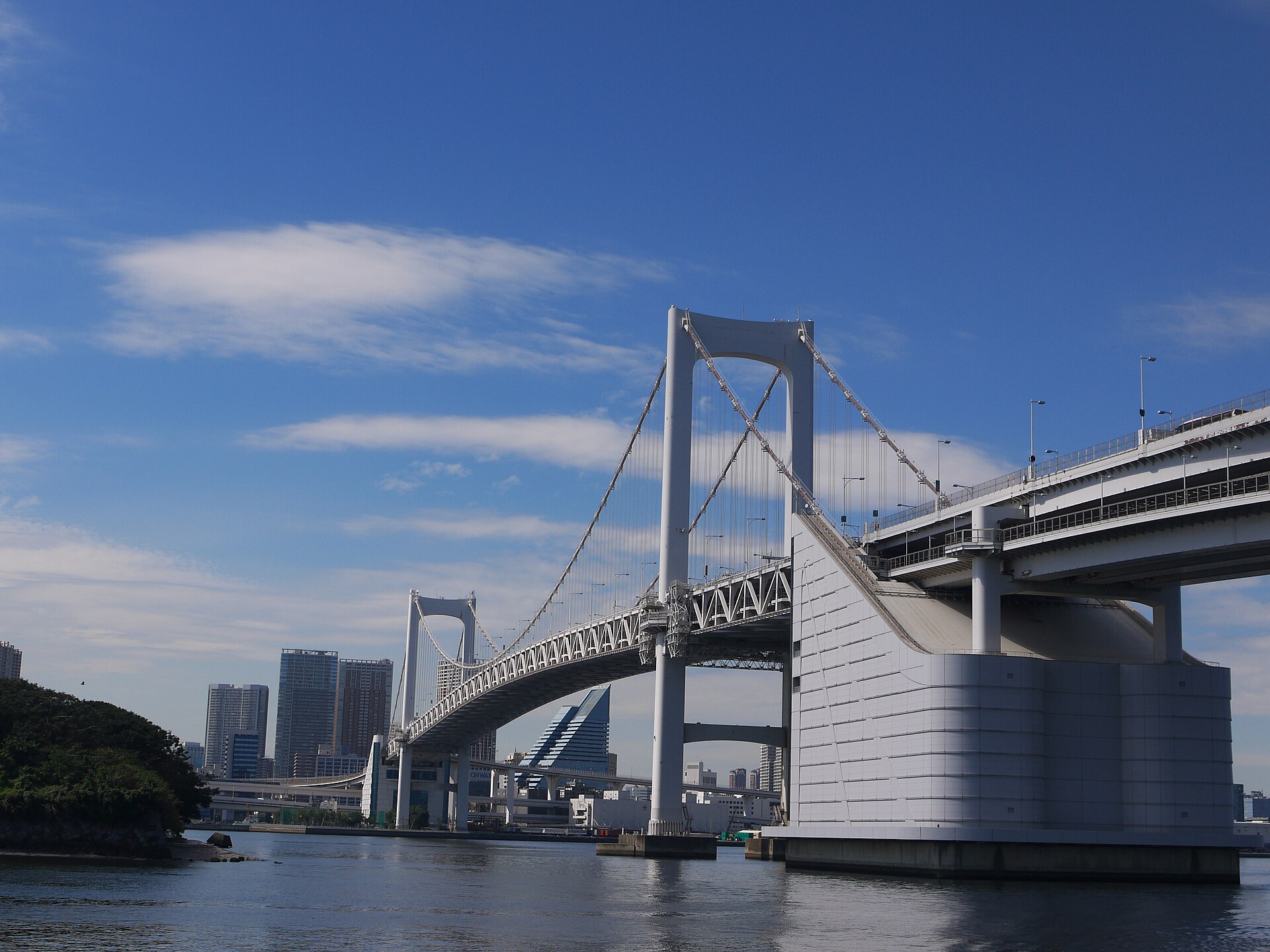
_-_panoramio.jpg)
- hoy
- Horario no registrado
- Duración de la visita
- 2 horas
- Accesibilidad
- No registrado
- Precio
- No registrado
- Posición
- Imprescindible
- Rango
- Rango 48 de 22,489
Acerca de レインボーブリッジ
Rainbow Bridge is a suspension bridge spanning northern Tokyo Bay between Shibaura Pier and the Odaiba waterfront district. The structure carries multiple transportation layers including the Yurikamome transit line, vehicular traffic on an expressway, and pedestrian walkways. Its name derives from illumination patterns that change seasonally. The bridge serves as both critical infrastructure and a recognized landmark visible across the bay area. Completed in the 1990s, it enabled development of Odaiba as an entertainment and commercial destination. The design accommodates ships passing beneath through substantial vertical clearance.
Comprobado 2026-08-26
¿Qué hay dentro?
The bridge contains separate walkway levels for pedestrians and cyclists on its northern and southern sides. Walkway access requires elevator ascent from ground-level plazas. The Yurikamome automated guideway transit operates within the bridge structure, offering passenger views without walkway access. No retail, food service, or visitor facilities exist within the bridge itself. The surrounding areas at both termini feature parks, shopping complexes, and entertainment venues that visitors typically combine with bridge walks. Structural elements including towers, cables, and lighting systems are visible but not presented as interpretive exhibits.
Comprobado 2026-08-26
Cuánto tiempo dedicar
Pedestrian crossing duration varies by walking pace and photography stops. The walkway extends approximately the full span length. Visitors typically allocate between thirty minutes and one hour for one-way passage at moderate pace without extended pauses. Round-trip walking requires doubling this estimate. Evening crossings during illumination periods often proceed slower due to congestion and photo opportunities. Transit passage via Yurikamome takes several minutes but does not permit stopping. Visitors should assess personal fitness as walkways lack seating and shelter from weather conditions throughout.
Comprobado 2026-08-26
Temporada y multitudes
Walkway operating schedules depend on seasonal maintenance and event programming. Operator-confirmed hours are Not recorded pending review. Evening hours attract visitors seeking illuminated views when lighting systems activate after dusk. Summer humidity and winter wind exposure affect comfort significantly. Typhoon season may prompt emergency closures with limited advance notice. Dawn and dusk periods offer transitional light for photography. Weekends and Japanese public holidays typically experience heavier foot traffic. Visitors should verify current access status before travel as unscheduled closures occur for maintenance or severe weather protocols.
Comprobado 2026-08-26
Entradas
Pedestrian walkway access does not require purchased admission. Operator-confirmed prices are Not recorded pending review. Yurikamome transit fares apply for train passage through the bridge structure, charged per standard metropolitan transit rates. No premium access or guided tour options are offered through official bridge operators. Visitors should carry valid transit cards or cash for Yurikamome use. Photography from walkways incurs no additional fee. Commercial filming or organized events likely require permits not obtainable through casual visitor channels. Budget planning should account for transit, surrounding attractions, and meals rather than bridge access itself.
Comprobado 2026-08-26
Llegar allí
The Shibaura side connects to Tamachi Station on JR Yamanote and Keihin-Tohoku lines, requiring additional walking or bus connection. The Odaiba side connects directly to Daiba Station on the Yurikamome line, which itself crosses the bridge. Water bus services operate to Odaiba from Hinode Pier and other Tokyo waterfront points with seasonal frequency variations. Private vehicles may use the toll expressway but cannot stop on the bridge. Pedestrian walkway entrances are not immediately adjacent to major rail stations on the Shibaura side; wayfinding demands attention. Taxi and rideshare services can approach nearer termini.
Comprobado 2026-08-26
Que tener en cuenta
Walkways close during severe weather including high winds and typhoon conditions with minimal advance warning. Summer heat and humidity create dehydration risk on exposed walkways lacking shade or water fountains. Winter conditions include strong bay winds reducing effective temperatures. Cyclist and pedestrian walkways are separated; visitors should remain in designated lanes. Night illumination patterns vary by season and special events without published calendars. Mobile telephone coverage may vary on walkways. Emergency call points exist but visitor should not expect staffed assistance. Proper footwear is essential as surfaces may become slippery. No restroom facilities exist on the bridge structure itself.
Comprobado 2026-08-26
Fotografía
The northern walkway offers views toward central Tokyo including Tokyo Tower and skyline clusters. The southern walkway faces Odaiba and waterfront developments including replica Statue of Liberty and Fuji Television building. Tripod use may obstruct narrow walkways and disturb other visitors; courtesy and spatial awareness are necessary. Night photography requires stabilization against wind vibration. The Yurikamome train windows permit photography but reflections and motion limit quality. Superior bridge photographs are often captured from shoreline parks, Odaiba beaches, or water vessels rather than the structure itself. Drone operation is restricted in this airspace near transit infrastructure.
Comprobado 2026-08-26
Preguntas comunes
Is Rainbow Bridge accessible for wheelchair users for Rainbow Bridge in Tokyo?
Not recorded. The pedestrian walkways require elevator access, but specific accessibility accommodations are not documented in available sources. Visitors requiring confirmed accessibility information should contact operators directly before visiting.
Can I drive across and stop for photographs for Rainbow Bridge in Tokyo?
No. The vehicular expressway does not permit stopping. Photography from vehicles in motion is unsafe and illegal. Walkways or transit provide the only legal photography access.
Does the bridge illumination operate every night for Rainbow Bridge in Tokyo?
Not recorded. Illumination schedules vary seasonally and for special events. Specific daily operation is not confirmed in available sources.
Are there restaurants or shops on the bridge for Rainbow Bridge in Tokyo?
No. The bridge contains no commercial facilities. Dining and shopping options exist at Odaiba and Shibaura termini areas, requiring exit from the bridge structure.
Can I cross with a bicycle for Rainbow Bridge in Tokyo?
A separate cyclist walkway exists, but specific regulations regarding rental bicycles, bicycle types, or crossing procedures are Not recorded pending review.
Is there a best season to visit for Rainbow Bridge in Tokyo?
Seasonal preferences vary by visitor priority. Spring and autumn offer moderate temperatures. Summer evenings provide comfortable crossing conditions but higher humidity. Winter offers clearest atmospheric visibility but cold wind exposure. Illumination visibility improves with earlier darkness in winter months.
donde esta
Cargando el mapa interactivo…
No se ha podido cargar el mapa interactivo.
cerca
Encajarlo en un plan
Enlaces externos
Última actualización:
Fuente: Colaboradores de OpenStreetMap, Wikidata ·