Monumento histórico · Leopoldstadt, Vienna
Augarten
Fotografía

- hoy
- Horario no registrado
- Duración de la visita
- 1 hora
- Accesibilidad
- No registrado
- Precio
- No registrado
- Posición
- Imprescindible · Sitio patrimonial
- Rango
- Rango 38 de 5,640
Acerca de Augarten
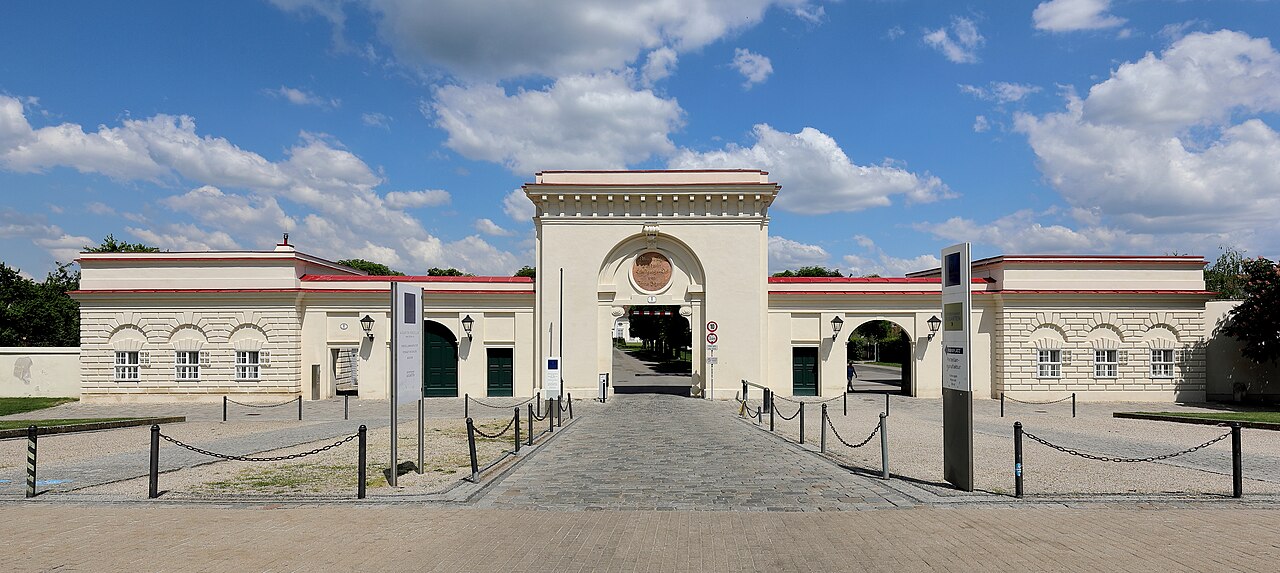
Augarten is a public Baroque park in Leopoldstadt, the 2nd district, laid out in its present form in the early 18th century and opened to the public by Emperor Joseph II in 1775 — one of the earliest palace gardens in Europe thrown open to ordinary citizens rather than kept reserved for the court alone.
The gate carries Joseph II's own inscription explaining the gesture: a place dedicated to all people who wish to enjoy it, a piece of Enlightenment-era symbolism the Viennese have kept intact ever since.
This is the park itself, distinct from Palais Augarten, the Baroque palace building that stands inside its grounds and today houses the Vienna Boys' Choir — the palace has its own separate entry in this guide, and the two should not be treated as one attraction with one opening pattern.
Comprobado 2026-08-24 · Fuente
¿Qué hay dentro?
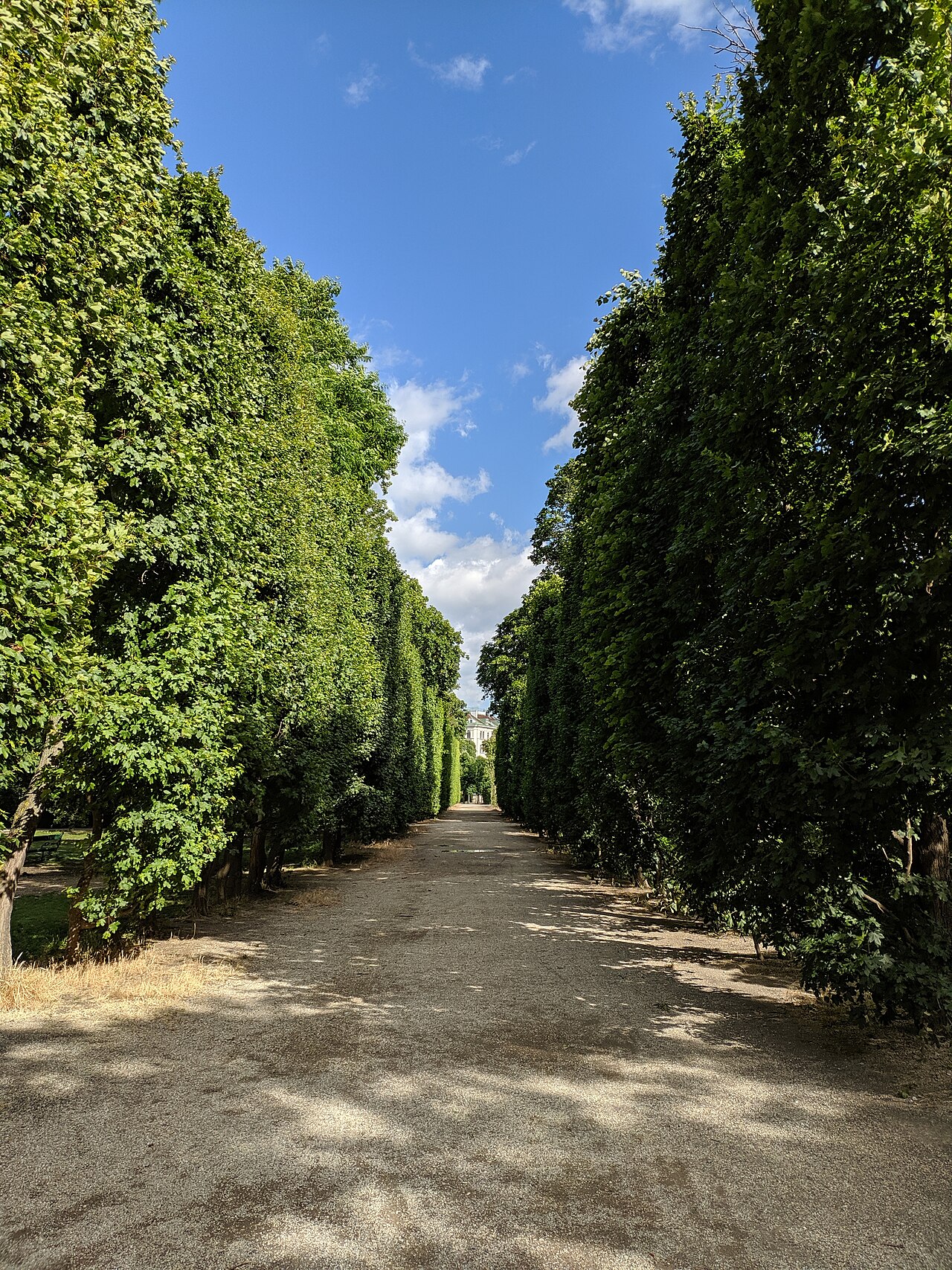
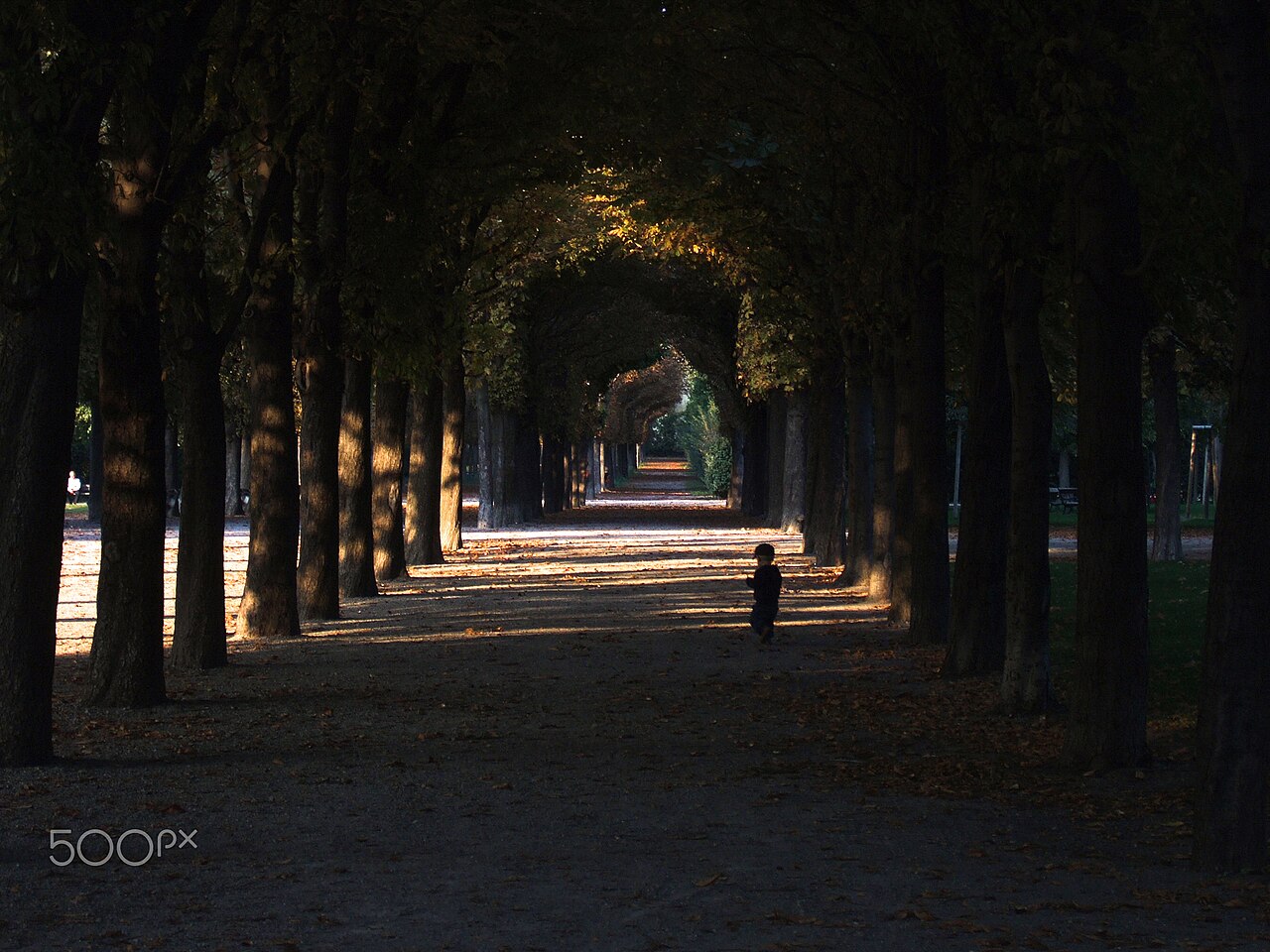
Long chestnut-lined avenues cross the park in a formal grid inherited from its Baroque layout, opening onto lawns used for informal recreation, a playground and sports courts that make the park as much a neighbourhood amenity as a historical site.
The Augarten Porcelain Manufactory, founded in 1718 and one of the oldest porcelain makers in continental Europe, has its workshop, shop and a small museum inside the park grounds, still producing hand-painted porcelain on site rather than only displaying historic pieces.
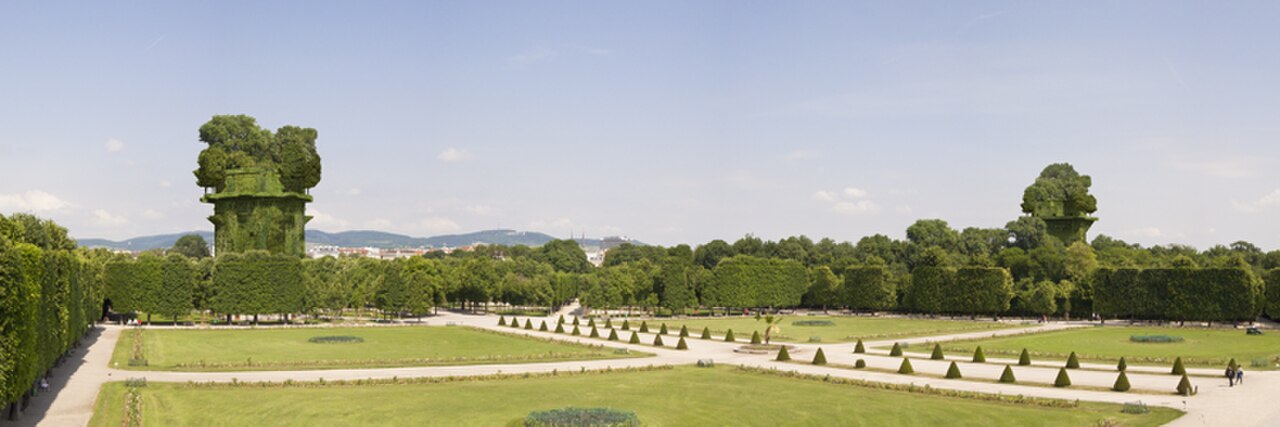
Two massive concrete flak towers, a Gefechtsturm (combat tower) and a Leitturm (control tower), were built here by Nazi Germany in 1942 as anti-aircraft defence for Vienna. Both still stand; neither has an interior open to casual visitors, and they remain the park's starkest and least comfortable reminder of the Second World War, deliberately left standing rather than demolished because their concrete mass made demolition impractical so close to housing.
Comprobado 2026-08-24 · Fuente

.jpg)
Cuánto tiempo dedicar
An hour is enough for a walk through the main avenues and a look at the porcelain manufactory's shop window; add thirty minutes for the museum if it is open, and longer still on a weekend when the lawns fill with picnickers and the park becomes a destination in itself rather than a stop on the way to somewhere else.
Comprobado 2026-08-24 · Fuente

.jpg)
Temporada y multitudes
The park is at its best from spring blossom through the chestnut avenues' autumn colour; it stays open through winter as a quiet walking route rather than a seasonal attraction that closes down out of season. Weekday mornings are markedly quieter than weekend afternoons, when local families use it as their main neighbourhood green space and the lawns fill up early.
Comprobado 2026-08-24 · Fuente
Entradas
The park itself is free and unticketed, open during standard public-park hours that run from early morning to evening depending on the season. The porcelain museum and the flak towers are a separate matter: the museum charges its own admission for the shop and exhibition, and the towers are not open to the public at all, so no ticket exists for them regardless of what a visitor might expect to pay.
Exact park gate hours are not recorded here; Vienna's park department publishes them on wien.gv.at and they should be checked directly rather than assumed to match another city park's schedule.
Comprobado 2026-08-24 · Fuente

Llegar allí
The park sits in Leopoldstadt, north of the Danube Canal. The U2 underground line's Taborstraße station is the closest stop, roughly a ten-minute walk from the main Obere Augartenstraße entrance; several tram and bus lines also stop along its edges, making it one of the more easily reached parks in the inner districts.
Comprobado 2026-08-24 · Fuente
.jpeg)
Que tener en cuenta
The flak towers look climbable from the outside and are not: they have no public entrance, no staircase access and no safety provision for visitors, and treating them as an improvised viewpoint is both unsafe and pointless, since there is nothing to see from a locked structure built purely as a gun platform.
Do not mistake this park for Palais Augarten, the palace inside it — they share a name and a gate but are two different things to visit, one free and open at all times, one closed to walk-in visitors entirely.
Comprobado 2026-08-24 · Fuente

Fotografía
The chestnut avenues photograph well in both spring blossom and autumn colour, and the porcelain manufactory's pale Baroque facade against the lawns is the park's most photographed building after the flak towers themselves, whose grey concrete bulk against the sky is a deliberately unpretty and much-photographed contrast to the formal garden around them.
Comprobado 2026-08-24 · Fuente
Preguntas comunes
Is Augarten free to enter for Augarten in Vienna?
General grounds access is typically free for public parks in Vienna, though this specific arrangement remains unverified. Any costs for special facilities or the porcelain manufactory are not recorded.
Is Augarten the same as Palais Augarten?
No. Augarten is the public park; Palais Augarten is the Baroque palace standing inside it, home to the Vienna Boys' Choir, and it is not open to casual visitors the way the park is.
Can visitors go inside the flak towers?
No. Both the Gefechtsturm and the Leitturm are closed to the public; there is no visitor entrance to either.
Is entry to the park free?
Yes, the park itself is free and open during standard public-park hours; only the porcelain museum inside it charges admission.
When did the park open to the public?
In 1775, under Emperor Joseph II, who had the gate inscribed to state it was dedicated to everyone who wished to enjoy it.
What is the Augarten Porcelain Manufactory?
A porcelain workshop founded in 1718, among the oldest in continental Europe, with its factory, shop and a small museum inside the park.
donde esta
Cargando el mapa interactivo…
No se ha podido cargar el mapa interactivo.
cerca
Encajarlo en un plan
Enlaces externos
Última actualización:
Fuente: Colaboradores de OpenStreetMap, Wikidata ·