


.jpg)
.jpg)

3 min walk
Brussels Park
- Must see · Heritage site
- Historic monument
Language · 1 published
Art and culture venue · Brussels
Théâtre Royal du Parc - Koninklijke Parktheater
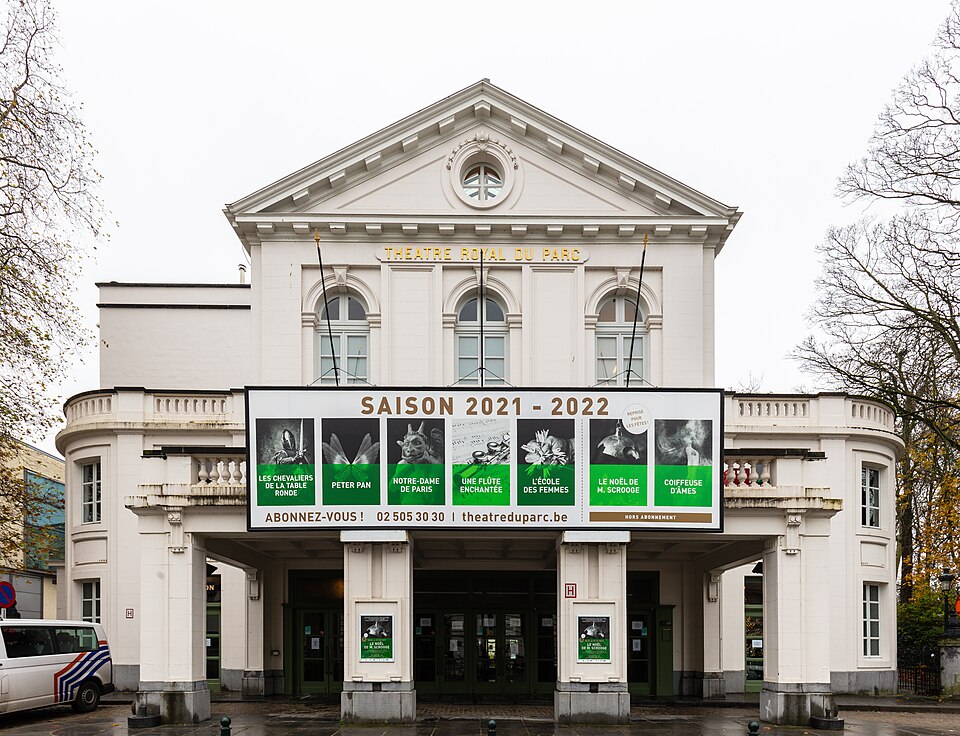
The Royal Park Theatre, known locally as Théâtre Royal du Parc in French and Koninklijke Parktheater in Dutch, is a historic performing arts venue situated in Brussels. This bilingual institution reflects Belgium's federal character, operating in both official language communities. The theatre occupies a prominent position near the Royal Park, contributing to the cultural landscape of the Belgian capital. Established as a significant venue for dramatic and musical performances, it has maintained its role in Brussels' theatrical tradition. The building represents 19th-century theatrical architecture and continues to serve as an active performance space within the city's cultural infrastructure.
Checked 2026-08-26
The interior of the Royal Park Theatre preserves the characteristic features of a traditional European playhouse. Visitors encounter a grand auditorium with tiered seating arrangements typical of historic theatres. The stage facilities accommodate diverse productions ranging from classical drama to contemporary works. Ornate decorative elements reflect the architectural standards of its construction period. Backstage areas support technical requirements for lighting, scenery, and costume operations. The foyer spaces provide gathering areas for audiences before performances and during intervals. The building's fabric retains historical materials and design approaches consistent with its heritage status as a protected cultural monument in Brussels.
Checked 2026-08-26

The duration of a visit to the Royal Park Theatre depends entirely upon the specific performance attended. Standard theatrical productions typically run between two and three hours, often including an intermission period. Opera and ballet performances may extend longer depending upon the work presented. Visitors should consult individual production listings for precise running times. Those interested in architectural appreciation without attending a performance may find limited access, as the theatre primarily opens for ticketed events. The surrounding Royal Park area offers complementary opportunities for extended visits, with gardens and monuments nearby permitting flexible scheduling around confirmed performance times.
Checked 2026-08-26
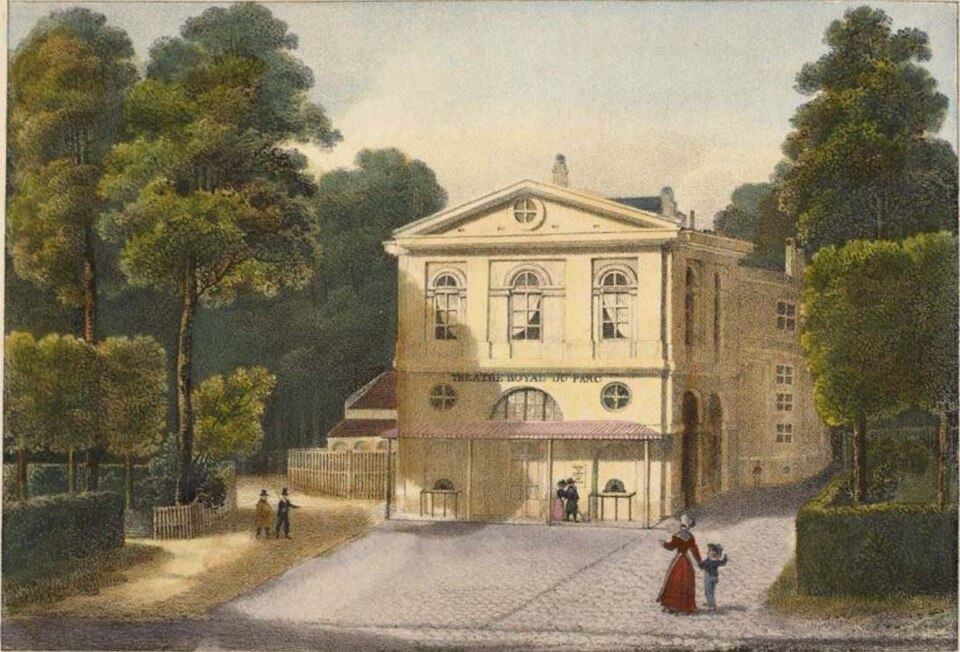
The Royal Park Theatre operates a seasonal programming schedule with performances distributed throughout the year. Peak activity typically coincides with standard theatrical seasons, though specific scheduling varies by artistic calendar. Operator-confirmed hours are Not recorded pending review. Visitors must verify current performance dates and box office opening times through official channels before planning attendance. Evening performances generally commence at conventional theatre hours, while matinee presentations occur on selected dates. Seasonal variations in programming density affect availability. Advance consultation of the theatre's official communications remains essential for accurate temporal planning, as schedules undergo regular modification according to production requirements.
Checked 2026-08-26
Admission to the Royal Park Theatre requires purchase of tickets for specific performances. Pricing structures vary according to seating category, production type, and performer prominence. Operator-confirmed prices are Not recorded pending review. The theatre traditionally offers multiple price tiers corresponding to auditorium location, with premium positions commanding higher rates. Subscription packages may be available for regular attendees. Concession pricing for designated demographic groups requires verification through official sources. Online booking facilities and telephone reservations typically supplement in-person box office transactions. Visitors should secure tickets in advance for popular productions, as capacity constraints affect availability for sought-after performances.
Checked 2026-08-26
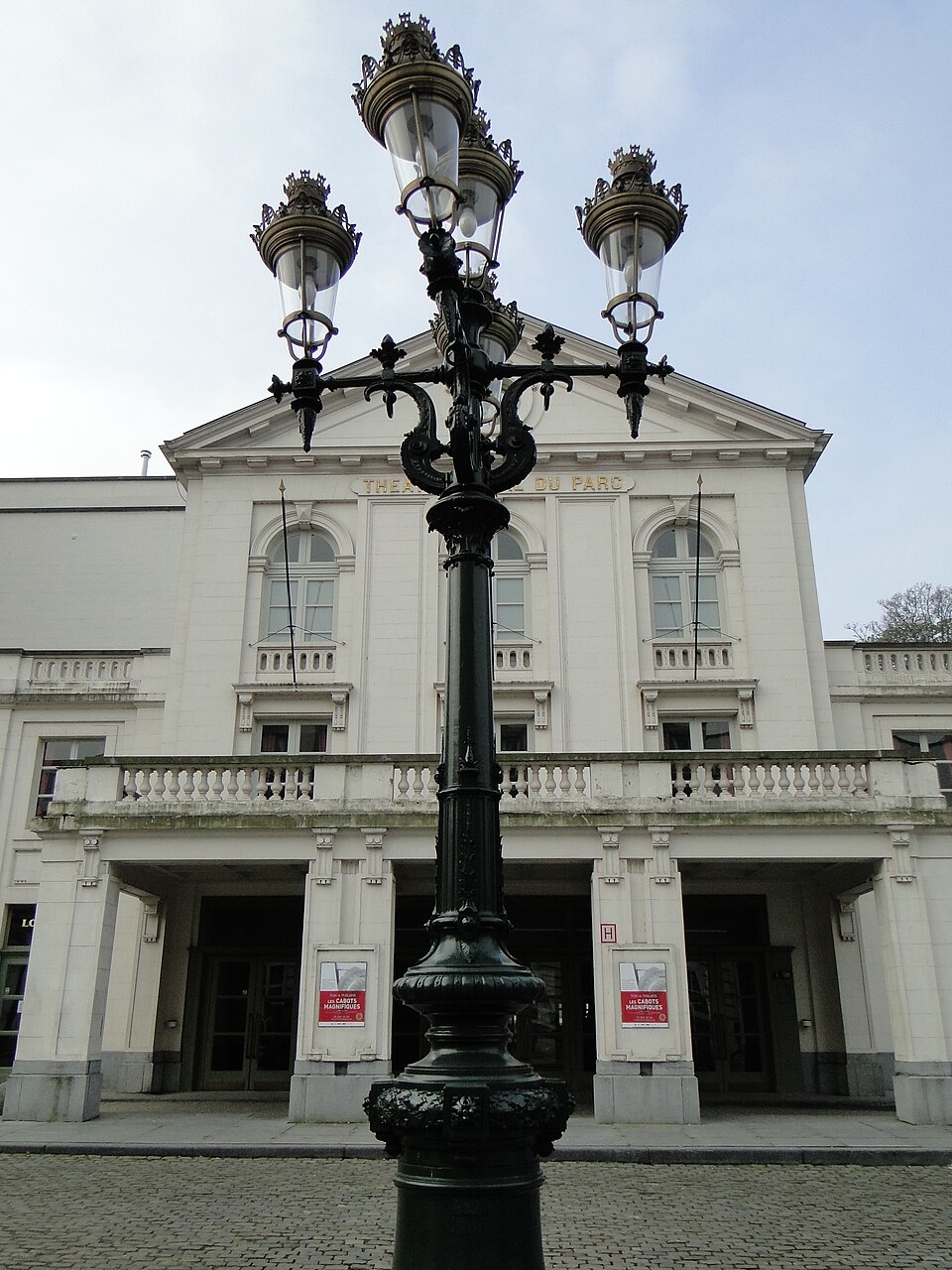
The Royal Park Theatre occupies a central Brussels location accessible through multiple transport modes. The surrounding district features established pedestrian infrastructure connecting to nearby landmarks. Public transportation serves the area through bus and tram networks, with metro stations within reasonable walking distance. The theatre's proximity to the Royal Park provides contextual orientation for navigation. Cyclists may utilise regional cycling infrastructure approaching the central area. Private vehicle access encounters typical urban constraints including limited parking availability and traffic regulations. Visitors arriving from Brussels Central Station or other principal transport hubs can proceed on foot through the historic core, with journey duration dependent upon starting point.
Checked 2026-08-26
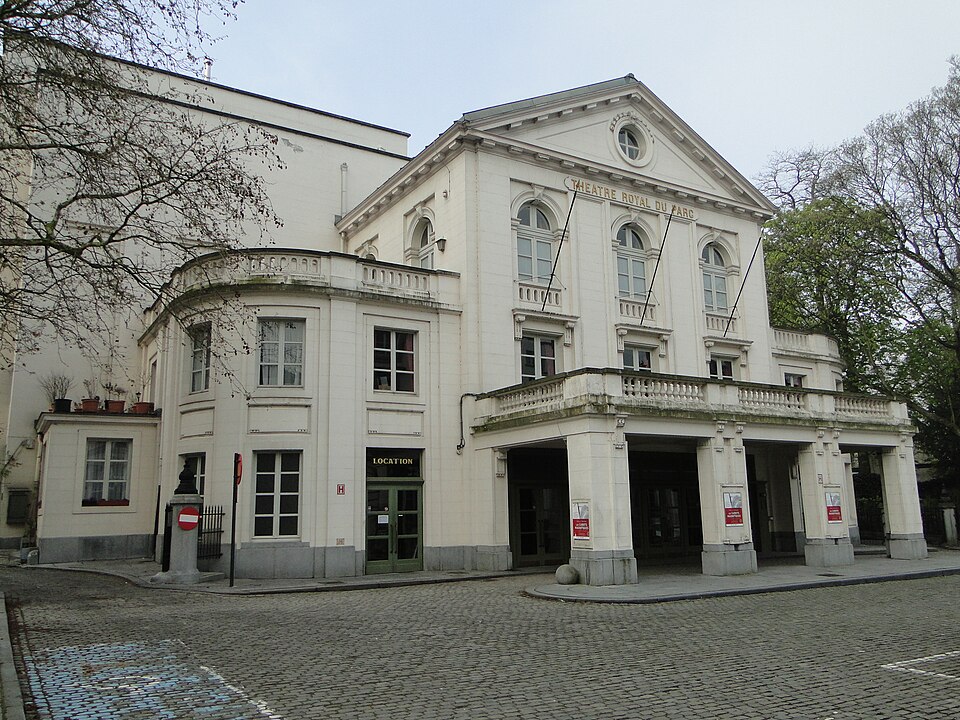
Visitors should note the bilingual operational context of the Royal Park Theatre, with performances presented in French or Dutch according to production. Language comprehension significantly affects appreciation. The historic building presents accessibility considerations including staircases and traditional seating configurations. Late arrival may result in delayed admission until appropriate intervals. Photography and recording restrictions apply during performances. Dress codes vary by event type, with premieres and formal occasions expecting elevated standards. Mobile telephones require deactivation during presentations. The surrounding area experiences variable pedestrian density according to time of day and seasonal factors. Weather conditions affect comfort when accessing the venue on foot.
Checked 2026-08-26
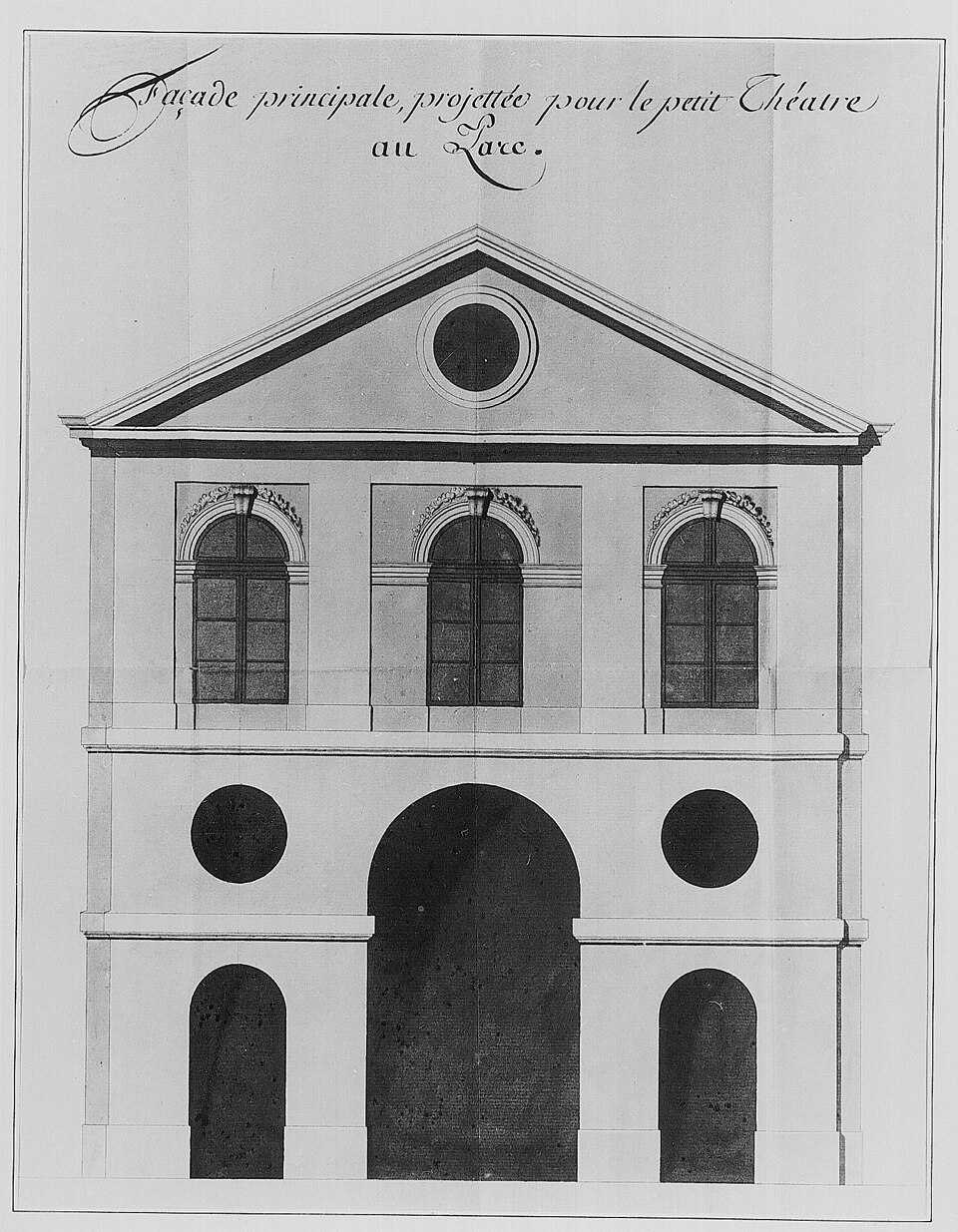
Photography policies at the Royal Park Theatre restrict image capture during performances to prevent disruption and protect intellectual property. Visitors may capture exterior architectural views from public thoroughfares without restriction. Interior photography for personal purposes requires explicit authorisation and may be prohibited entirely. Flash equipment presents particular concerns due to performer distraction and conservation considerations for historic interiors. Professional photographic activity demands advance arrangement with theatre administration. Social media sharing of permitted images should respect privacy of fellow attendees. The ornate facade and surrounding parkland offer alternative photographic subjects when interior restrictions apply. Visitors must comply with staff instructions regarding image-making at all times.
Checked 2026-08-26
The Royal Park Theatre operates bilingually, reflecting Brussels' status as a bilingual capital region. Productions are presented in French or Dutch depending upon the performing company and specific production. Visitors should verify the language of any performance before booking.
Public access to the interior without a performance ticket is generally not available. The theatre primarily opens for ticketed events. Architectural appreciation is largely limited to the exterior facade visible from surrounding streets.
Tickets may be obtained through the theatre's box office, telephone reservations, or online booking platforms where available. Specific purchasing procedures and payment methods require verification through official theatre communications.
As a historic 19th-century structure, the Royal Park Theatre presents inherent accessibility challenges including staircases and traditional seating arrangements. Visitors requiring specific accommodations should contact the theatre administration directly to assess available provisions.
The Royal Park Theatre follows a seasonal programming model with performances distributed across the year. Scheduling density varies according to artistic planning, with reduced activity possible during traditional holiday periods or summer months.
The Royal Park Theatre is situated adjacent to the Royal Park in central Brussels. Its location places it within the historic and governmental core of the city, near other significant cultural and administrative landmarks.
Loading the interactive map…
The interactive map could not be loaded.
Last updated:
Source: OpenStreetMap contributors, Wikidata ·