
徒歩2分 · Leopoldstadt
ロアン宮殿
- 高 · 遺産
- 史跡
言語 · 11件公開中
史跡 · Leopoldstadt, ウィーン
Synagoge Tempelgasse

| 月曜日 | 00:00 – 23:59 |
|---|---|
| 火曜日 | 00:00 – 23:59 |
| 水曜日 | 00:00 – 23:59 |
| 木曜日 | 00:00 – 23:59 |
| 金曜日 | 00:00 – 23:59 |
| 土曜日 | 00:00 – 23:59 |
| 日曜日 | 00:00 – 23:59 |
2026-09-09 の OpenStreetMap の営業時間から解析されました。
この場所は記念碑です。 1858年に開業しました。 ムーリッシュ・リヴァイヴァル様式様式で建てられました。 ルートヴィヒ・フェルスターが設計しました。 重要文化財の文化財指定を受けています。
The Leopoldstädter Tempel was a large synagogue on Tempelgasse in Vienna's Leopoldstadt district, designed by Ludwig Förster and completed in 1858 as, after the Stadttempel, one of the city's principal synagogues, seating roughly two thousand worshippers in a Moorish Revival interior. It served the large Jewish community of Leopoldstadt through to the Nazi period.
It was destroyed during the November 1938 pogrom, Kristallnacht, when its interior was burned along with the great majority of Vienna's synagogues and prayer houses. Unlike the Stadttempel, which survived because its position inside a block of buildings made burning it a fire risk to its non-Jewish neighbours, the freestanding Leopoldstädter Tempel had no such protection. The damaged structure stood as a ruin for over a decade and was demolished in 1951.
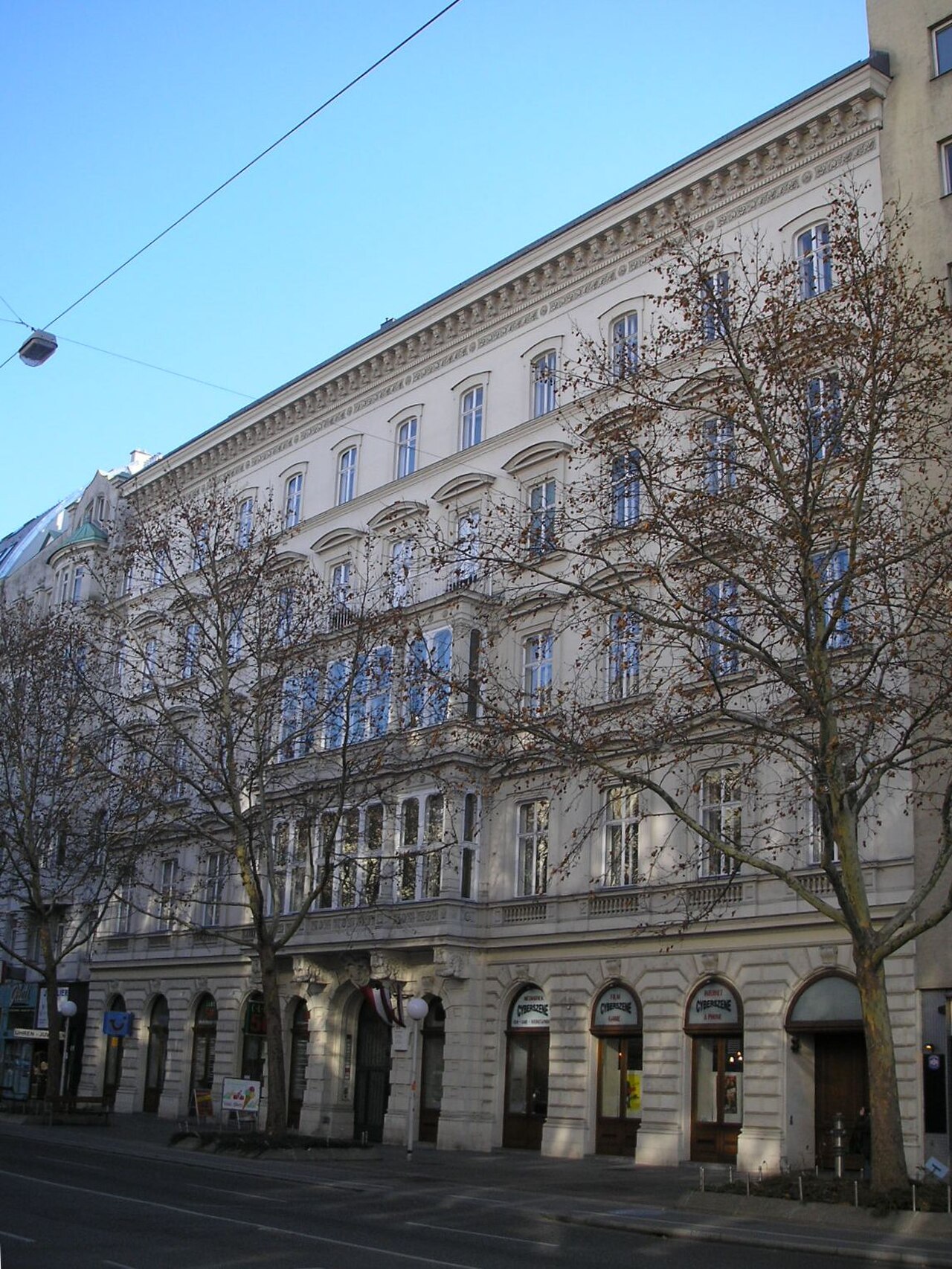
No synagogue stands on the site today. It is marked as the site of the destroyed Leopoldstädter Tempel rather than presented as a functioning or reconstructed place of worship, and a visit to it is a visit to a memorial site, not to a synagogue.
2026-08-24 を確認しました · ソース
There is no synagogue interior to visit — the building was destroyed in 1938 and its ruin demolished in 1951, and nothing of the original Moorish Revival interior Ludwig Förster designed survives on site. What stands at the address today is a later building on the footprint of the destroyed synagogue, marked with commemorative signage recording what stood there; this guide does not describe the current building's interior use in detail because it was not verified against a primary source at the time of writing, and a visitor should not expect any synagogue space to enter.
2026-08-24 を確認しました · ソース
Reading the site's memorial signage and standing at the address where the synagogue stood takes five to ten minutes; there is no interior visit to extend it, since no synagogue building remains. Visitors researching Vienna's destroyed synagogues often combine this stop with the still-standing Stadtempel on Seitenstettengasse, a short walk across the Danube Canal, to see both what survived and what did not, which turns a five-minute stop into a half-day walk through the district's Jewish history.
2026-08-24 を確認しました · ソース
The site is a street address in an ordinary residential and commercial part of Leopoldstadt and can be visited at any hour, since it is read from the outside rather than entered. There is no opening-hours question to plan around, and no season changes what can be seen there, since the visit is entirely exterior and entirely about the address rather than a building interior.
2026-08-24 を確認しました · ソース
There is no admission fee, because there is no attraction to be admitted to — the site is a street address marking a destroyed building, not a ticketed museum or memorial building. No booking, no entry queue and no visitor centre exist at the address, unlike at a purpose-built Holocaust memorial elsewhere in the city.
2026-08-24 を確認しました · ソース
Tempelgasse sits in Leopoldstadt, the 2nd district, reached from the Taborstraße stop on tram lines running through the district or from the Nestroyplatz station on the U1, both within a short walk. The district sits just across the Danube Canal from the Innere Stadt, and the walk across one of the canal bridges from the old city centre takes roughly fifteen minutes for a visitor who prefers to arrive on foot rather than by tram or metro.
2026-08-24 を確認しました · ソース
Because no synagogue building survives, a visitor arriving expecting an intact or reconstructed place of worship to enter will be disappointed by the site's history rather than by anything a guide could have prepared better for — the destruction and later demolition are the reason nothing remains. Treat the address as a site of remembrance and read the commemorative signage rather than expecting a conventional sightseeing stop with visitor facilities. There is no shop, no ticket desk and no staffed information point at the address itself.
2026-08-24 を確認しました · ソース
The site itself offers little to photograph beyond the street address and any commemorative plaque or marker present, since the historic building is gone; a photograph here documents the absence and the memorial signage rather than any architectural subject. Historic photographs of the Moorish Revival synagogue before its 1938 destruction are held in Viennese archive and museum collections rather than at the site itself, and are the more useful record for anyone wanting to see what the building actually looked like before it was burned.
2026-08-24 を確認しました · ソース
No. It was destroyed during the November 1938 Kristallnacht pogrom, and the damaged ruin was demolished in 1951; no synagogue building stands on the site.
Ludwig Förster, who completed it in 1858 as one of Vienna's principal synagogues after the Stadttempel.
The Stadttempel's position enclosed within a block of buildings made setting it alight a fire risk to its non-Jewish neighbours; the freestanding Leopoldstädter Tempel had no such protection and was burned.
It seated roughly two thousand worshippers in a Moorish Revival interior, making it one of the largest synagogues in Vienna at the time it was built.
The site is marked with commemorative signage recording the destroyed synagogue, though this guide does not describe the current building on the site in detail because it was not verified against a primary source.
インタラクティブマップを読み込んでいます…
インタラクティブマップを読み込めませんでした。


最終更新日:
情報源: OpenStreetMap コントリビューター, Wikidata ·