Luogo naturale · Tokyo
Inokashira Park
井の頭恩賜公園
Fotografia

Orari di apertura
| Lunedì | 09:30 – 17:00 |
|---|---|
| Martedì | 09:30 – 17:00 |
| Mercoledì | 09:30 – 17:00 |
| Giovedì | 09:30 – 17:00 |
| Venerdì | 09:30 – 17:00 |
| Sabato | 09:30 – 17:00 |
| Domenica | 09:30 – 17:00 |
Analizzato dagli orari di apertura di OpenStreetMap il 2026-08-26.
- Oggi
- Aperto oggi, 09:30 – 17:00
- Durata della visita
- 1 ora
- Accessibilità
- Non registrato
- Prezzo
- Non registrato
- Posizione
- Da non perdere
- Rango
- Classifica 68 di 22,494
Informazioni su Inokashira Park
Inokashira Park is a public park in Tokyo, formally known as 井の頭恩賜公園. The site was bestowed upon Tokyo by the Emperor and remains a significant green space within the metropolis. It encompasses Inokashira Pond, a historic water source that once supplied the city of Edo. The park is a designated place of scenic beauty and serves as a recreational area for residents and visitors. Its cultural profile includes association with the Ghibli Museum, which sits within its bounds, though that institution operates separately. The park functions as both natural habitat and urban retreat, with tree cover and water features forming its core identity.
Controllato 2026-08-28
Cosa c'è dentro
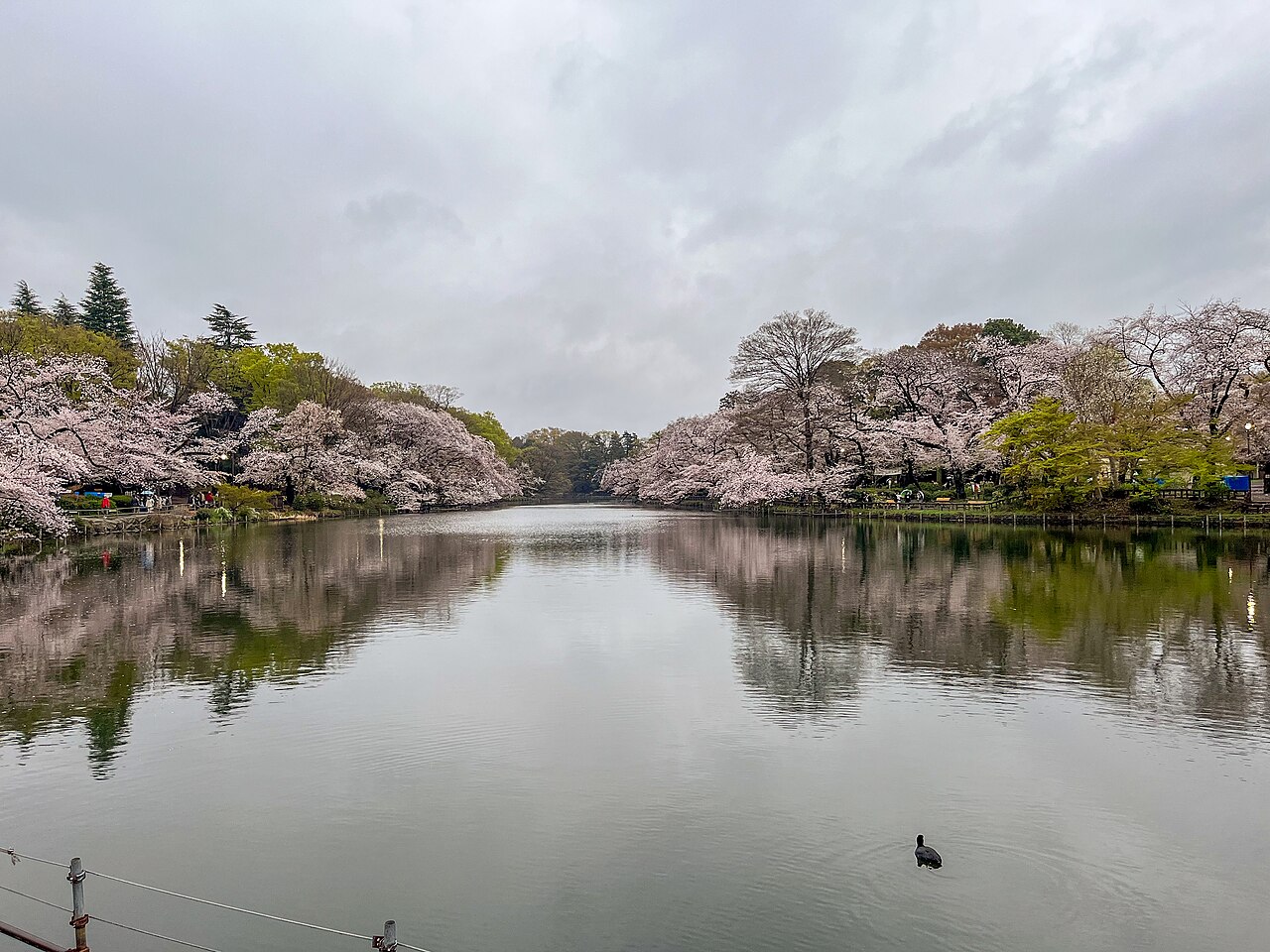
The park contains Inokashira Pond, which supports boating activities and provides habitat for wildlife including birds and turtles. A small shrine, Benzaiten, sits on an island within the pond. The Ghibhi Museum occupies a portion of the park grounds but requires separate admission. Walking paths circulate through wooded areas. The park includes open grassy spaces suitable for picnics and informal recreation. A zoo, the Inokashira Park Zoo, operates within the grounds. Seasonal vegetation includes cherry trees that draw visitors during blossom periods. The pond's edge features informal gathering spots. The overall composition mixes managed landscape with semi-natural elements typical of Japanese urban parks.
Controllato 2026-08-28

.jpg)
Quanto tempo dedicare
Visitor duration varies considerably based on activity selection. A circuit of the main pond and surrounding paths might occupy roughly one hour at a walking pace. Those renting rowboats or pedal boats would add thirty minutes to one hour. Picnicking or extended walking through wooded sections could extend a visit to two or three hours. Combined attendance with the separate Ghibli Museum would require additional time, typically half a day total. The zoo constitutes another distinct time commitment. Most visitors appear to allocate between one and three hours for the park itself, depending on weather conditions and personal pace preferences.
Controllato 2026-08-28

.jpg)
Stagione e folla
The park offers different seasonal atmospheres throughout the year. Spring brings cherry blossom viewing, which attracts substantial crowds. Summer provides shaded walking beneath mature tree cover. Autumn foliage presents another peak visitation period. Winter offers quieter conditions with reduced visitor numbers. Weather conditions affect the appeal of outdoor activities, particularly boating. Visitors should verify current opening and closing times through official Tokyo Metropolitan Government sources before planning. Early morning and weekday visits generally provide less congested conditions. Evening hours may offer different lighting conditions but reduced visibility for navigation of paths and pond edges. Check the operator's own site for the travel date before relying on a schedule or fare.
Controllato 2026-08-28
Biglietti
General park access does not require paid admission for basic entry and walking. Separate fees apply for specific activities within the park. Boat rentals on Inokashira Pond involve charges, though specific current rates are Not recorded pending review. The Inokashira Park Zoo requires separate admission fees. The Ghibli Museum operates independently with its own ticketing system and advance reservation requirements. Visitors should consult official sources for current pricing structures. Cash payment remains common for on-site transactions in Japanese parks. Annual passes or combined tickets are not confirmed for this location. All pricing information should be verified through Tokyo Metropolitan Government or facility-specific official channels before visiting.
Controllato 2026-08-28

.jpg)
Come arrivare
The park is accessible via multiple rail stations. Kichijoji Station on the JR Chuo Line and Keio Inokashira Line provides the most common access point, with the park located within walking distance to the south. Inokashira-koen Station on the Keio Inokashira Line offers direct proximity to the park's eastern edge. Kichijoji serves as a major transport hub with frequent services. Walking routes from stations are signposted in Japanese with limited English assistance. The park's size means different entrances connect to different internal areas. Cycling is possible in surrounding streets though restrictions may apply within park grounds. Taxi access is available to perimeter points.
Controllato 2026-08-28

.jpg)
A cosa prestare attenzione
The pond edge lacks continuous barriers in all locations, requiring caution near water, particularly for children and during low-light conditions. Crowding during cherry blossom season creates dense conditions that may impede movement and increase personal belongings risk. Wildlife including birds and turtles should not be fed, as this disrupts natural behaviors and may attract aggressive animals. Some path surfaces may become uneven or slippery after rainfall. The park's extensive tree cover can obscure visibility in certain areas. Visitors should carry personal supplies as on-site commercial facilities are limited. Emergency services access points are not prominently marked throughout all sections. Language assistance for non-Japanese speakers is minimal.
Controllato 2026-08-28


Fotografia
The park permits general photography for personal use. The pond, shrine, and seasonal vegetation provide common subjects. The Ghibli Museum prohibits interior photography and enforces specific restrictions on its exterior grounds. Visitors should respect other park users when positioning for photographs, particularly during crowded conditions. Tripod usage may attract attention from park staff and could be restricted in high-traffic areas. The shrine interior may have specific photography prohibitions. Drone operation would require compliance with Japanese aviation regulations and likely specific park permissions. Early morning and late afternoon provide favorable natural lighting conditions. Reflections on the pond surface offer compositional opportunities when wind conditions are calm.
Controllato 2026-08-28
Domande comuni
Is the Ghibli Museum included in park entry?
No. The Ghibli Museum operates as a separate facility with independent admission requirements and advance reservation procedures.
Can you swim in Inokashira Pond?
Swimming is not indicated as a permitted activity. The pond is used for boating and wildlife habitat purposes.
Are there food facilities inside the park?
Specific current food facilities are Not recorded pending review. Visitors may wish to obtain provisions in surrounding areas before entry.
Is the park accessible for wheelchair users?
Specific accessibility infrastructure details are Not recorded pending review. Path surfaces vary throughout the grounds.
Can you fish in the pond?
Fishing permissions are Not recorded pending review. The pond supports wildlife that may be protected from disturbance.
Are pets permitted in the park?
Specific pet policies are Not recorded pending review. Japanese parks commonly restrict or regulate pet access, particularly in natural habitat areas.
Dov'è
Caricamento della mappa interattiva…
Impossibile caricare la mappa interattiva.
Nelle vicinanze
Inseriscilo in un piano
Collegamenti esterni
Ultimo aggiornamento:
Fonte: Contributori di OpenStreetMap, Wikidata ·